
-
-
-
Refurbished RO systems

Tested and inspected RO systems for pure water at a reduced price.
See offersRO system + water softener pack
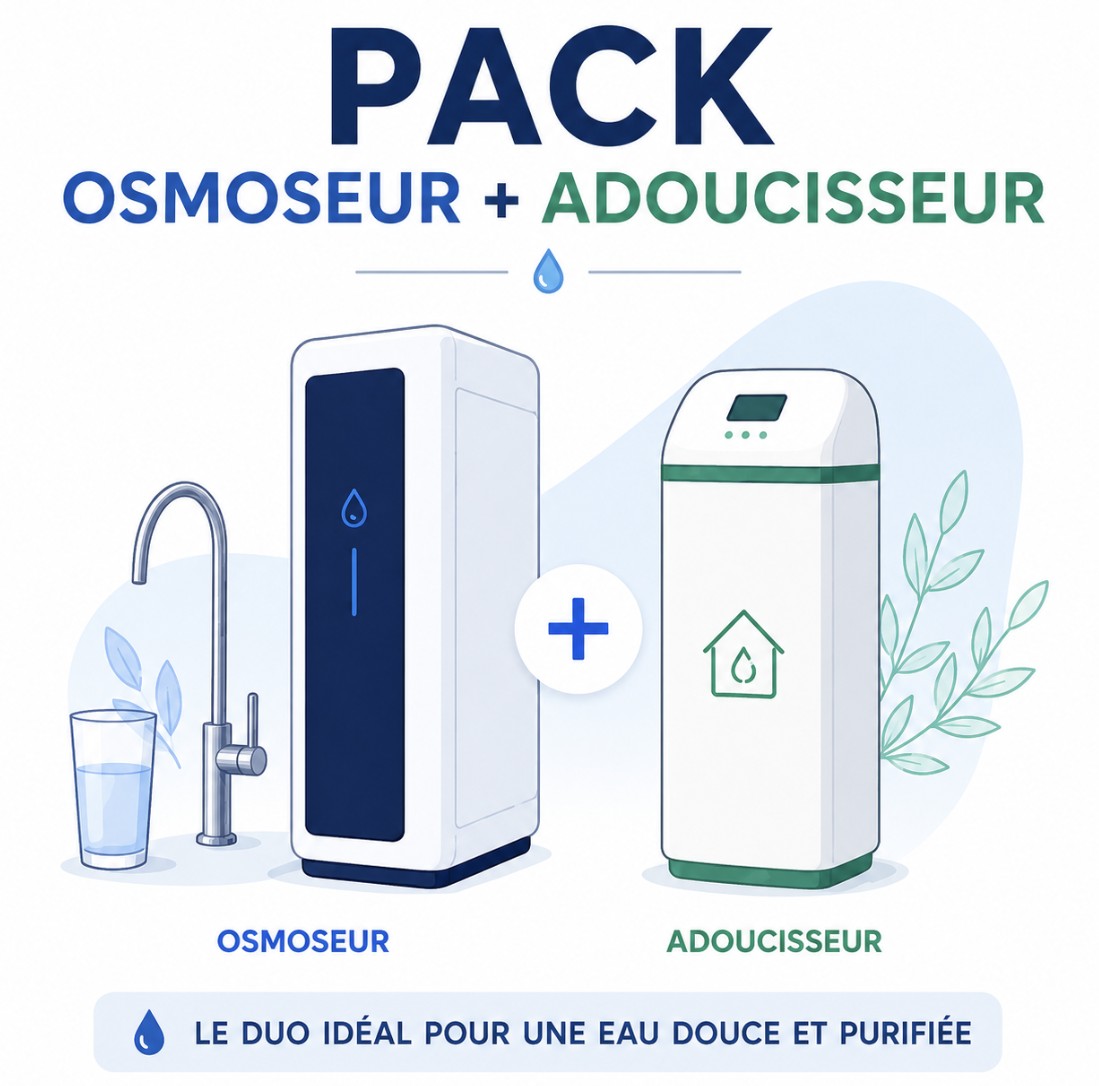
Complete protection with an RO system and a water softener.
Get 15% offRO system + hydrogen water generator pack
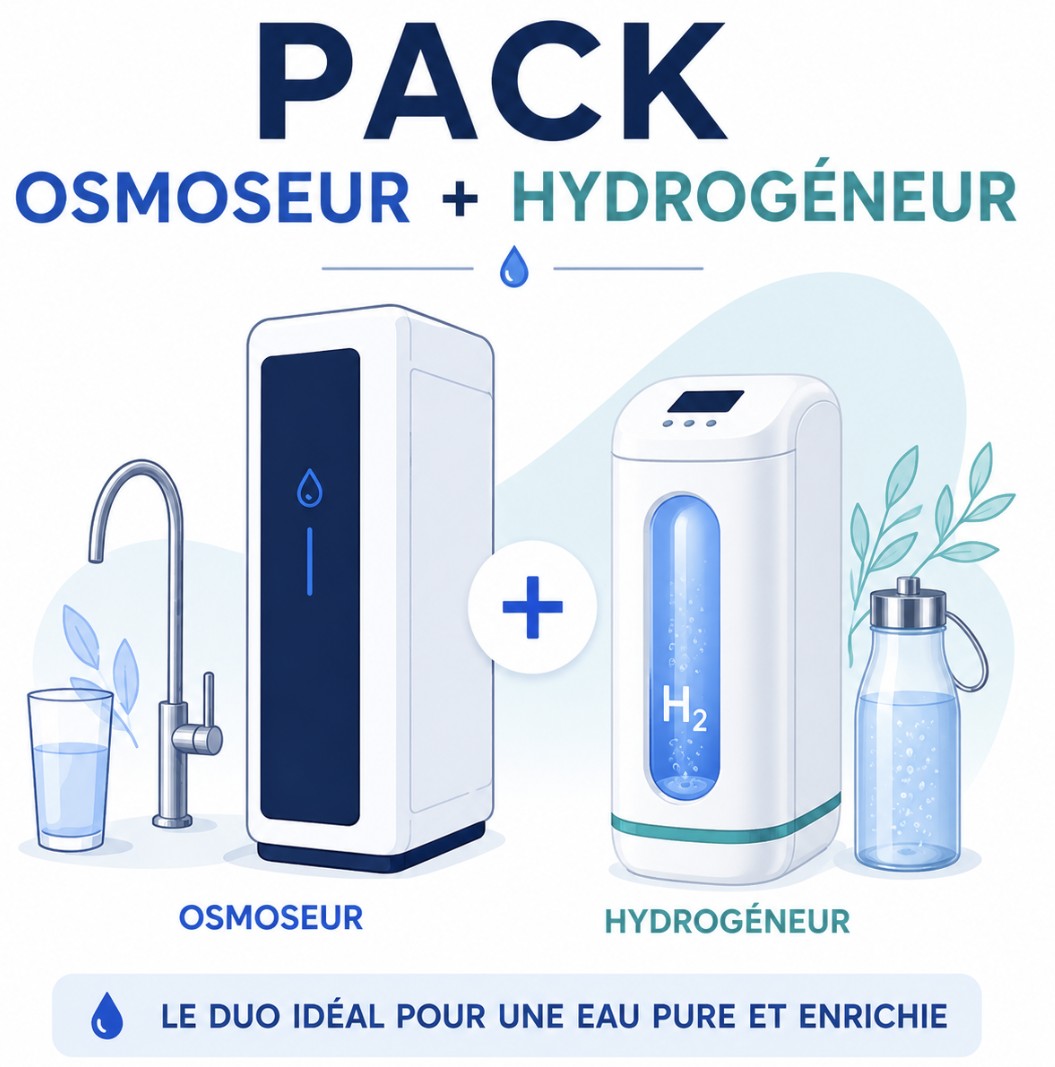
Combine reverse osmosis water and hydrogen-rich water.
Get 15% off
-
-

FREE SHIPPING
On orders of €150 or more within mainland France
(home products only)
Ships within 24 hours
+33 3 66 88 17 85
Call us Monday to Friday,
9:30 am–5 pm (Paris time)!
Email: contact@josmose.fr

Water Testers
-
Testing Devices
Electronic devices for testing your water
Do you often need to test a few specific elements in your water and would like to do it simply, independently and with accurate results? This page is for you!
The measuring devices that Josmose.fr offers let you very easily analyze certain characteristics of your water, whether it comes from the municipal supply, rainwater harvesting, a well, your swimming pool or an aquarium.
Devices for testing one or two components in water
The simplest devices let you, for example, test the pH level to monitor the acidity of your pool, or ORP (oxidation-reduction potential) or the conductivity of any water. If you are interested in the quality of drinking water, testing TDS (total dissolved solids) is one of the essential elements.
Devices for a complete analysis of your water
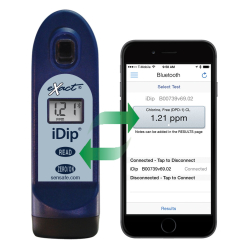
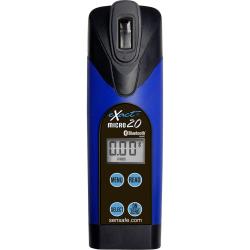
However, if you want to analyze various elements in your water with laboratory-grade accuracy, a photometer may be the solution. On Josmose.fr, we offer two models from the eXact range by the American manufacturer Sensafe, one of the world leaders: the iDip photometer and the Micro 20 photometer.
This little electronic gem, no bigger than a remote control, can indeed test dozens of elements present in water, whether the classic pH, chlorine (in all its forms) and hardness, but also heavy metals such as iron or lead, or harmful elements such as cyanide, ammonia, various acids, nitrites and even nitrates.
Photometers, used with reagents in the form of strips or drops, are the perfect solution for testing different parameters in your water on a regular basis. Results are stored on the device or can be synced to your smartphone via a downloadable app.
Discover our wide choice of tests to run on the iDip photometer and on the Micro 20 photometer.
Do you want to carry out a complete analysis of your water to determine its main characteristics? No problem! Josmose.fr can have this laboratory analysis carried out by its partner laboratory: choose a standard package and add any specific tests you need, to receive clear and accurate results that can guide you toward the right type of water filtration system.
-
Standalone Test Kits
Test your water on your own!
Standalone water test kits are a simple, affordable way to test for certain elements in your water.
Very convenient and easy to use, these test kits let you get results in a few minutes and repeat the analysis as many times as needed. No pressure!
Made of test strips with one end coated with a reagent, these kits require no special training or chemical knowledge. Simply dip the reagent-coated end into the water you want to test, wait a few minutes, then read the result by comparing the color with the color chart printed on the bottle. And that's it! You get an approximate value range for the element you wanted to test.
Easily test your pool's chlorine, pH and salt, or the level of pesticides, lead or iron in your well water.
Other ways to test your water
If you want to perform a complete analysis of your water and get more accurate results, Josmose.fr has several solutions to offer:
Laboratory water analysis
We offer different packages to have your water analyzed at our partner laboratory. Receive a kit, collect a sample of the water to be tested, send it back to the laboratory, and then receive the complete analysis along with our recommendations for an appropriate water filtration solution (RO system, water softener, etc.) for your situation.
Devices for testing your water
Discover the electronic devices that let you test your water with a degree of accuracy close to that of a laboratory. Whether it is a single-parameter device such as the TDS tester or pH tester, or a more complex device such as a photometer, you will get a clear, accurate reading of the element being tested in your water within minutes.
-
iDip Photometer Tests
Tests with the iDip Photometer
On this page, find the reagents, in strip or drop form, to use with the iDip photometer from the eXact range by American supplier SenSafe.
The iDip is a cutting-edge device for testing a very wide range of elements in your water, such as chlorine and pH in your pool, but also various metals such as lead, iron and copper, as well as cyanide, manganese, nitrites and nitrates.
This Swiss Army knife of a device is essential if you need to repeatedly test different characteristics of your water, to get results that are both accurate and fast.
Equipped with Bluetooth and its own easy-to-download app, the iDip lets you read and store the results of your water analyses on your smartphone. Handy!
-
Micro20 Photometer Tests
Easily test your water with the Micro 20 photometer
With the tests on this page from Josmose.fr, quickly and accurately analyze your water using your Micro 20 photometer.
From the eXact range by American supplier Sensafe, a leader in water analysis, the Micro 20 photometer lets you test different elements in your water in just a few minutes. Check for the presence of metals such as iron or lead in your water, or for the level of nitrites or nitrates, with these tests for use with the Micro 20 photometer.
This multi-function device lets you test a wide range of elements in your water in just a few minutes, with accuracy comparable to a lab test. And thanks to the downloadable app, you can read and store all your results on your smartphone.

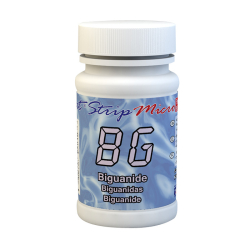
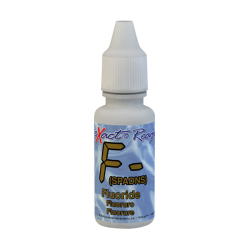
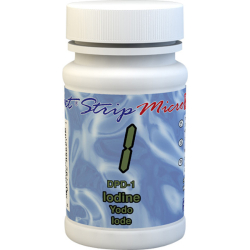
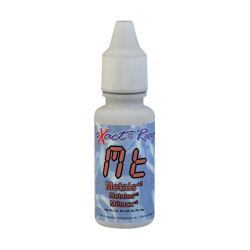
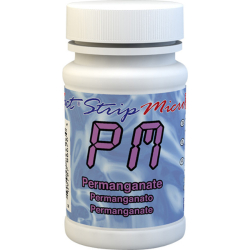
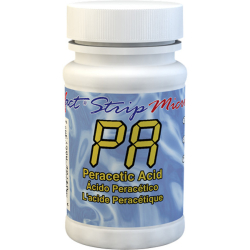
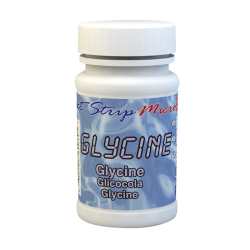
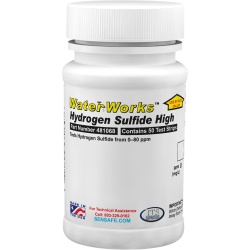
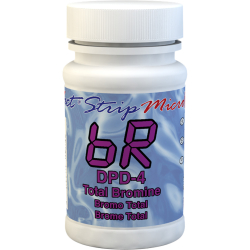
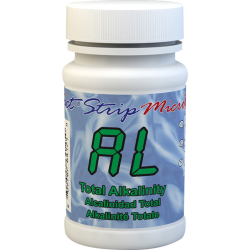
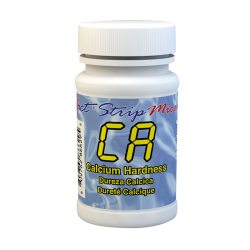
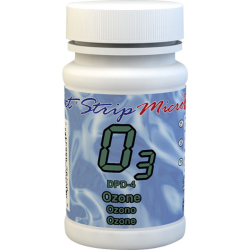
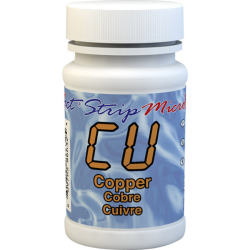
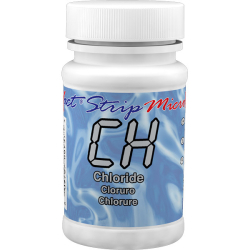
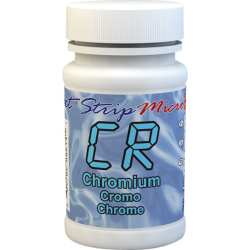
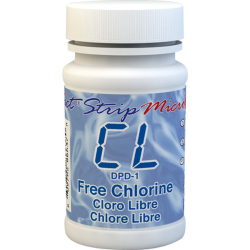
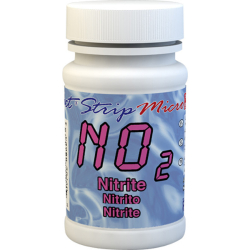
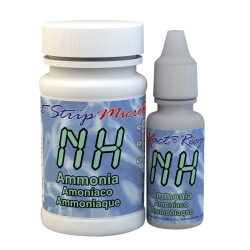
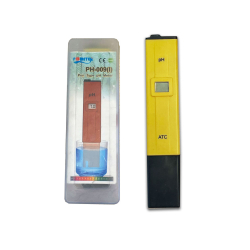
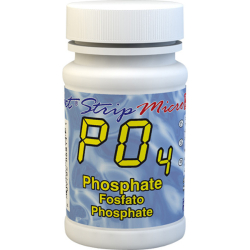
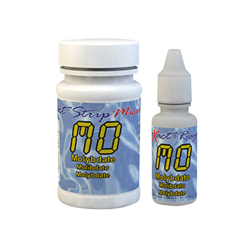
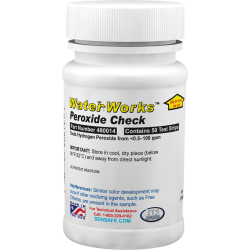
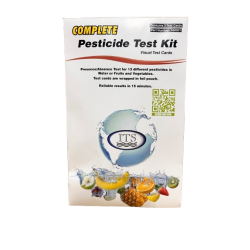
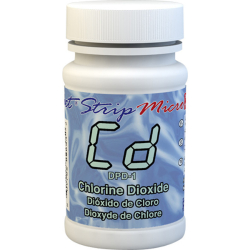
Analyze your water yourself with our different testers!
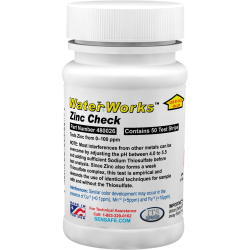
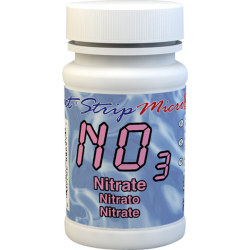
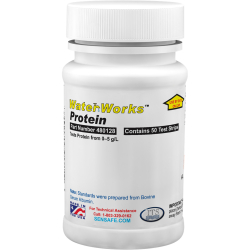
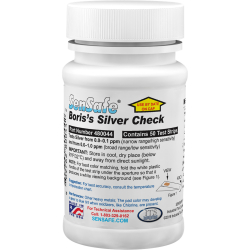
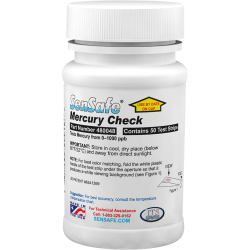
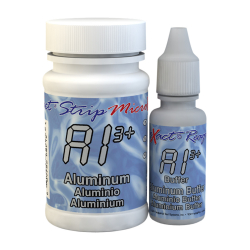
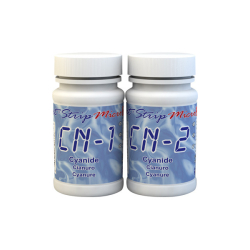
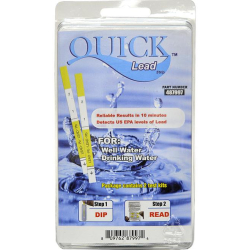
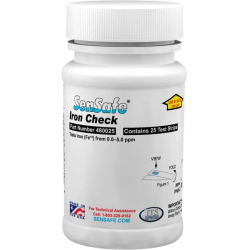
On this page, discover different ways to test pH, alkalinity and chlorine, as well as proteins, lead, zinc, iron and many other parameters that may be found in your water.
If you want a complete analysis of your water, a laboratory analysis is often the most suitable solution. Our packages, which include a number of tests, give you an overview of the quality of your water, whether it comes from the municipal supply, a swimming pool, rainwater harvesting, a well, or a lake or river. However, this analysis takes a little while.
If, however, you want to test certain specific elements in your water and get very fast yet accurate results, it may be worth buying do-it-yourself tests, which you will find on this page.
These do-it-yourself tests, whether at home or at work, come in 3 forms, each with its own clear advantages.
Standalone tests
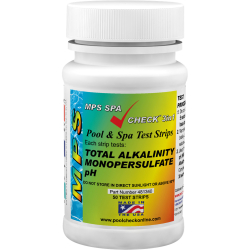
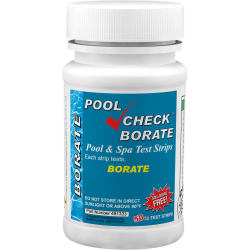
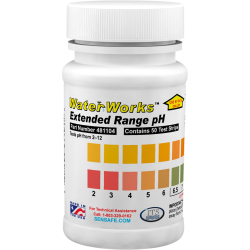
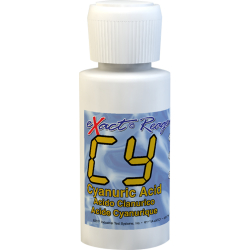
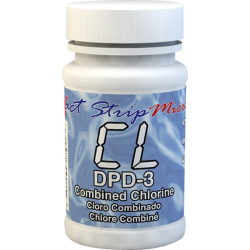
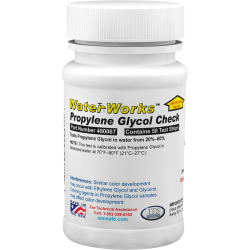
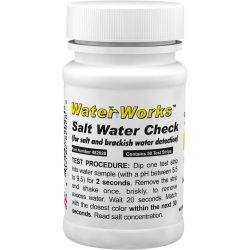
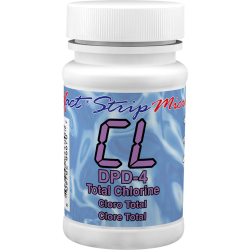
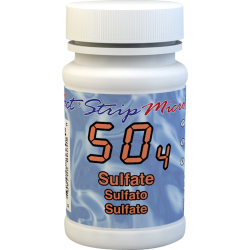
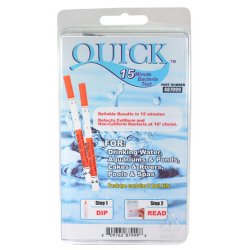
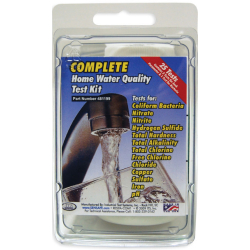
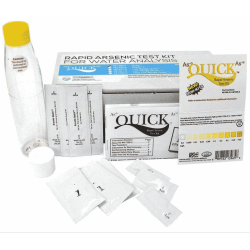
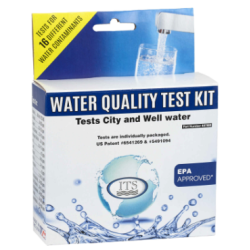
These tests, most often in the form of test strip kits, require no special or additional equipment and no training. These strips, one end of which is coated with reagent, change color when dipped in the water to be tested. You then simply compare the shade obtained with the color chart printed on the bottle. You thus get a range of results for the element tested in a few minutes. These kits exist, for example, to test pH, sulfide, alkalinity or chlorine in water, but also lead, iron, zinc and arsenic. These kits have the advantage of being very economical, giving results in a few minutes, and being easy to carry.
Measuring devices
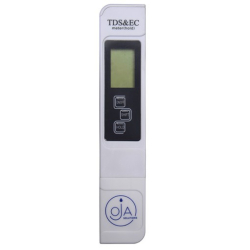
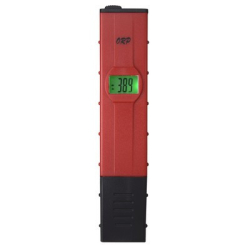
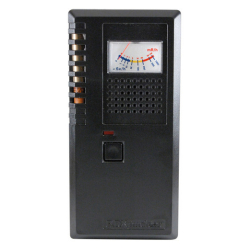
We offer electronic devices that let you test a specific element in your water, whether it is TDS (total dissolved solids), conductivity or pH. Battery-powered, these devices are very practical because they let you get a very accurate measurement of a specific element with ease.
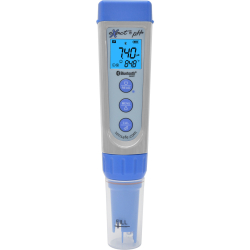
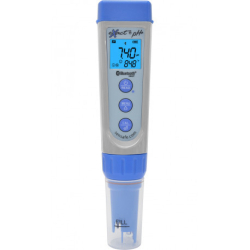
Among these electronic devices for testing the quality of your water are also photometers: iDip and Micro20. Ultra-versatile, these devices measure the turbidity of the water in reaction with the kits (strips or liquids) to provide you, in a few minutes, with results as accurate as in a laboratory, which you can save on your device to keep a history.
Tests with the iDip photometer and the Micro 20 photometer
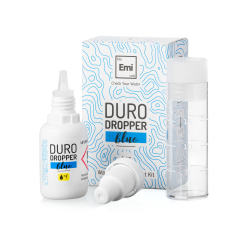
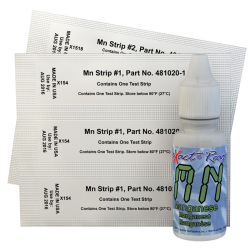
These tests, often sold as kits of strips or liquid reagents, are to be used exclusively with the iDip or Micro 20 photometers from the eXact range by the American supplier SenSafe, a world leader in analysis. The strip releases the exact amount of reagent into the water sample, allowing the device to analyze a parameter or contaminant present in the water. These tests are very varied and let you analyze a large number of elements in your water.
v