

Tested and inspected RO systems for pure water at a reduced price.
See offers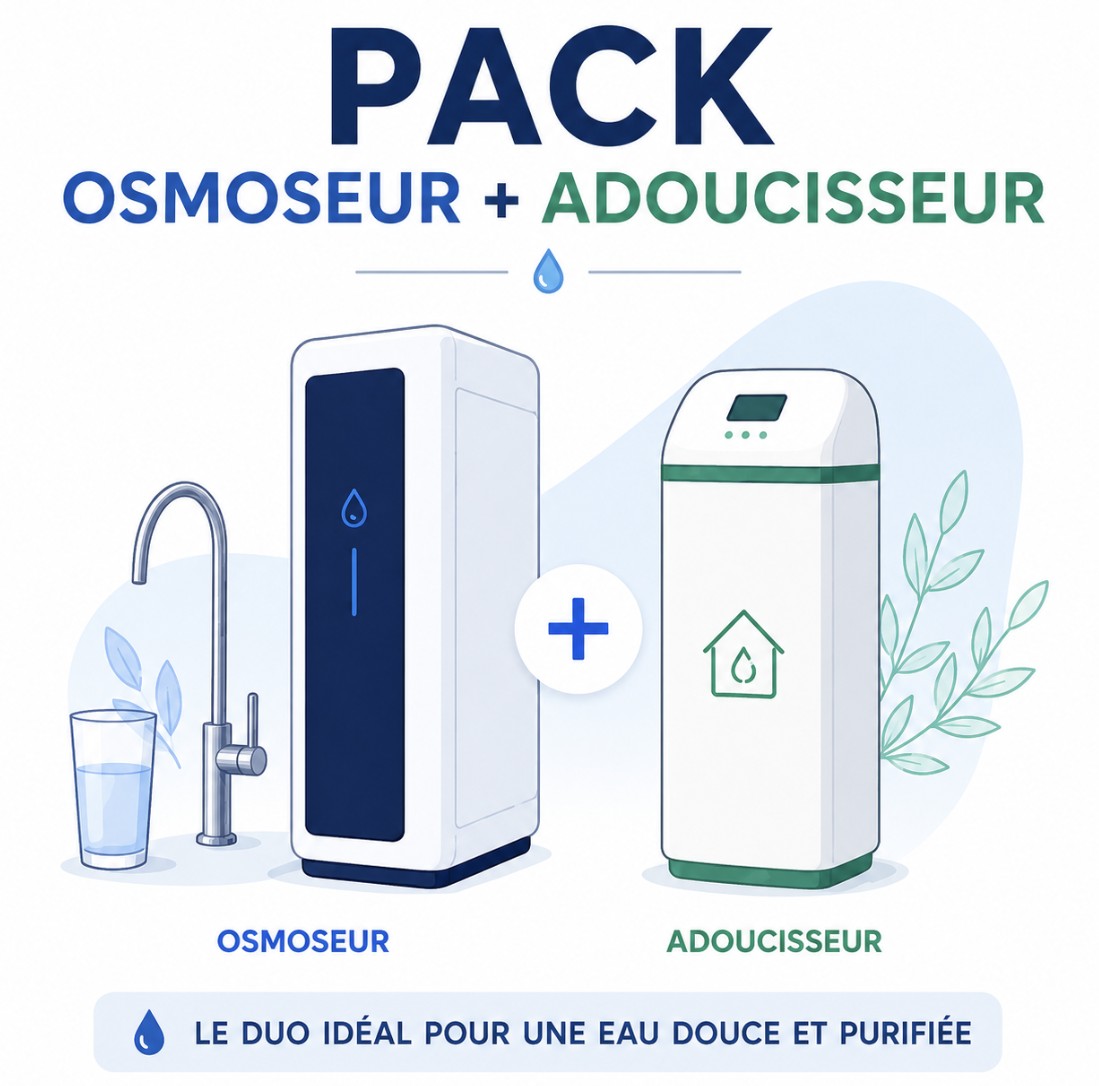
Complete protection with an RO system and a water softener.
Get 15% off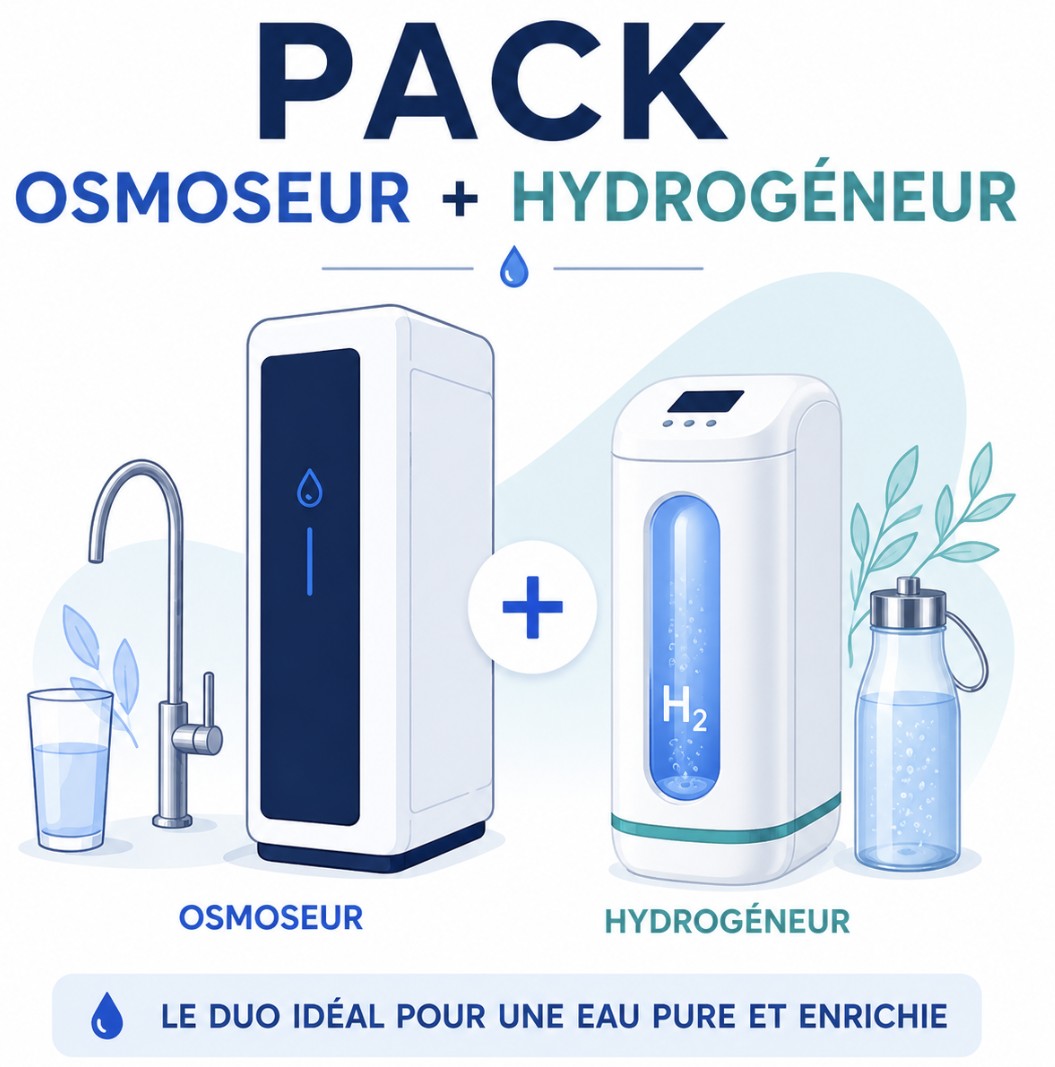
Combine reverse osmosis water and hydrogen-rich water.
Get 15% offFREE SHIPPING
On orders of €150 or more within mainland France
(home products only)
Ships within 24 hours
+33 3 66 88 17 85
Call us Monday to Friday,
9:30 am–5 pm (Paris time)!
Email: contact@josmose.fr

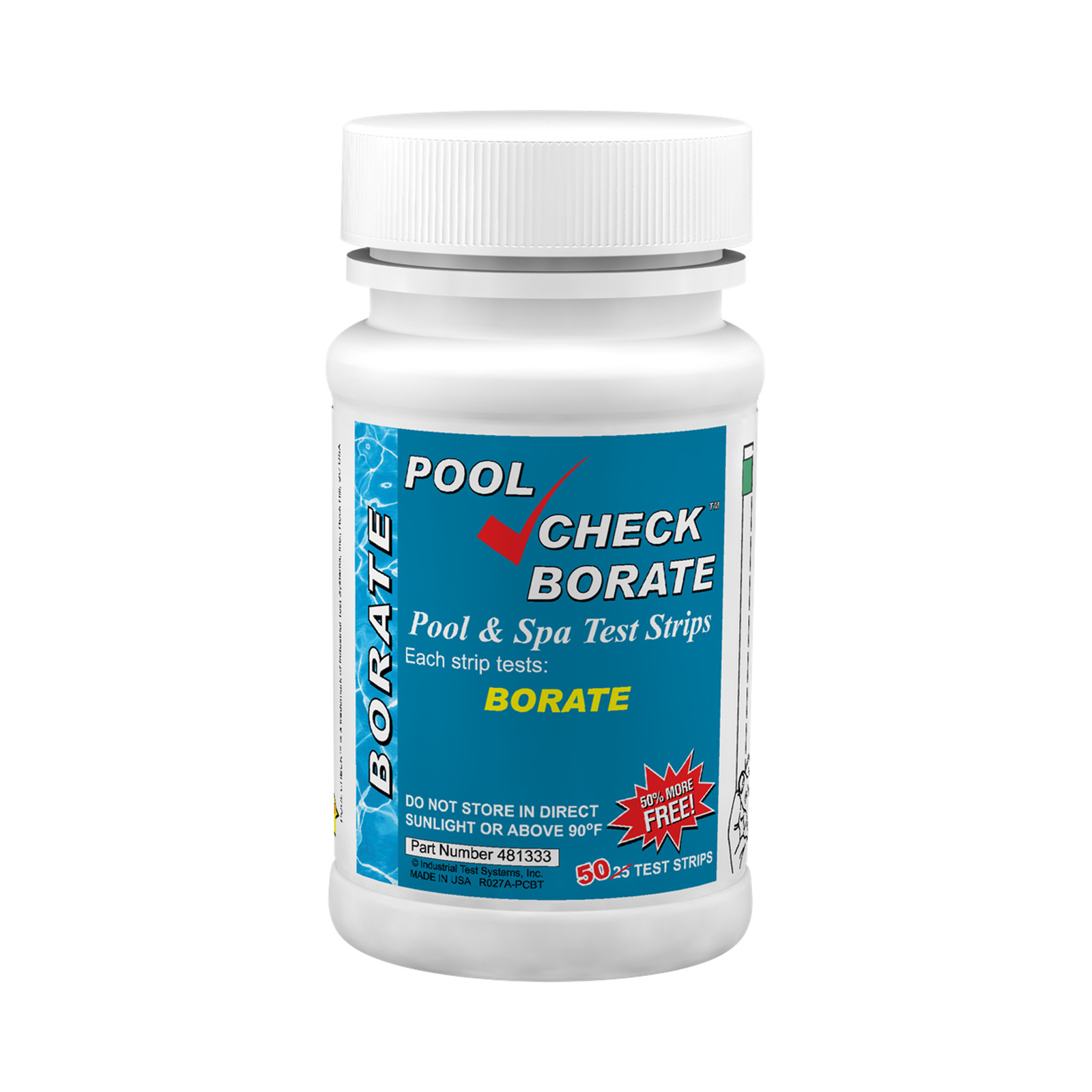
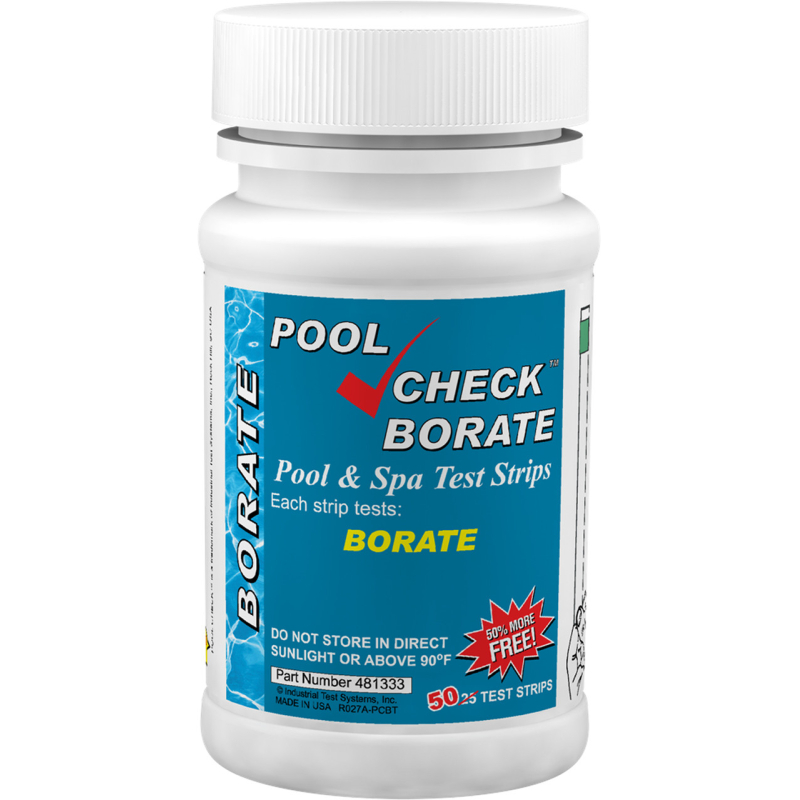
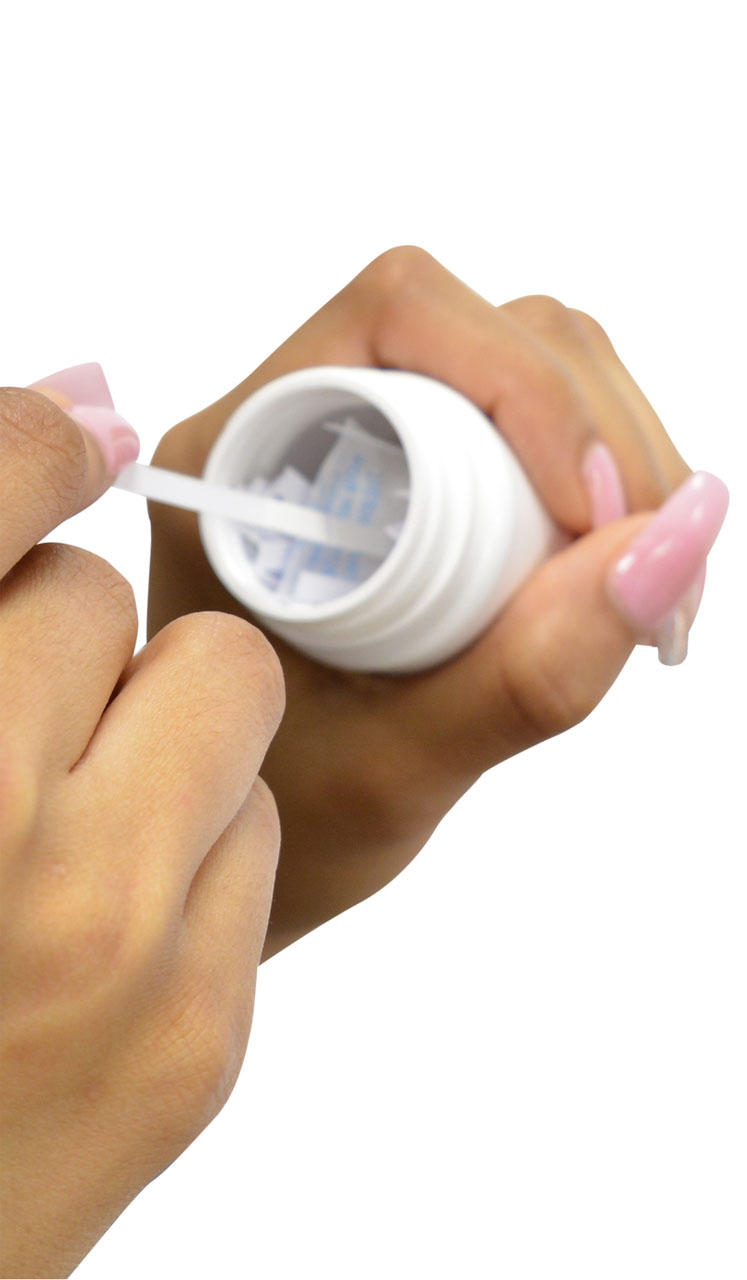
This test strip is extremely easy to use.
 |
 |
|
Take a test strip and dip it in the water |
After about twenty seconds, compare the strip's color with the scale on the back of the box. |
The strip detects borate according to the following scale: 0; 10; 25; 50 100 mg/L (or ppm).
Borate is a chemical compound containing the element boron. It is commonly used in many household products, such as detergents, pesticides, and cosmetics, as well as in certain industrial processes.
In water, borates can occur in different forms, primarily as boric acid or sodium borate. These compounds can come from natural sources such as mineral deposits or be intentionally added to water for various purposes, including as preservatives in personal care or cleaning products.
Borate in water may be considered hazardous for several reasons:
Toxicity: At high concentrations, borate can be toxic to aquatic organisms as well as humans. It can affect reproductive systems, development, and organ function.
Disruption of ecological balance: Borates can disrupt the ecological balance of aquatic ecosystems by affecting aquatic plant growth, disrupting the reproductive cycles of aquatic organisms, and altering the water's chemical composition.
Human health risks: If water contaminated with borates is consumed, it may pose risks to human health, particularly for vulnerable populations such as children, pregnant women, and older adults.
For these reasons, it is important to monitor borate levels in water and take steps to limit its accumulation in aquatic ecosystems and in water sources intended for human consumption.
Borate toxicity depends on several factors, including its chemical form, the duration of exposure, and individual sensitivity. In general, high borate concentrations in water can pose health risks, particularly over the long term.
Regulatory authorities often set limits on borate concentrations in drinking water to protect public health. These limits vary from country to country based on risk assessments conducted by public health agencies.
For example, in the United States, the Environmental Protection Agency (EPA) has established a maximum contaminant level (MCL) of 0.6 milligrams per liter (mg/L) for borate in drinking water.
Higher concentrations may be tolerated in certain uses that do not involve human consumption, but even in these cases, it is important to monitor borate levels.
The acceptable borate level in a swimming pool may vary depending on pool chemical manufacturers' recommendations and local or national water quality standards. In general, the recommended level in pool water may range from 30 to 50 milligrams per liter (mg/L), although this can vary.
Adding borate to pool water can offer several benefits, including pH regulation, prevention of algae growth, and reduced skin and eye irritation for swimmers.
However, it is important to carefully follow the pool chemical manufacturer's instructions when adding borate, as excessive concentrations can cause health or safety problems for swimmers and damage pool equipment.
It is therefore recommended to test the levels regularly in your pool water using kits like this one and keep concentrations within the recommended limits to ensure safe, enjoyable swimming.
For a healthy pool, also check out our 3-in-1 kit to test alkalinity, monopersulfate, and pH levels.