Choosing the Right Seawater Desalination System
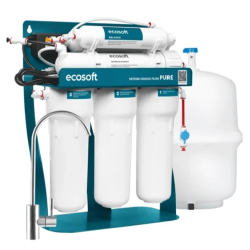
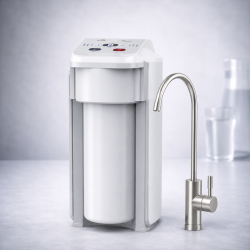
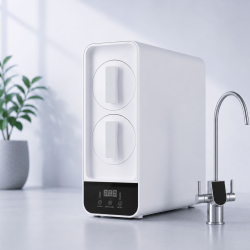
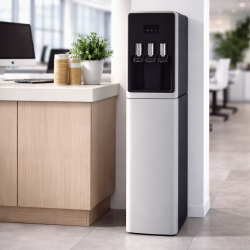
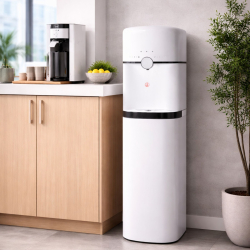
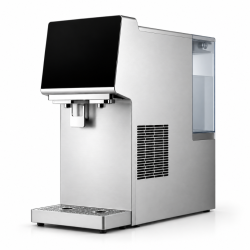
A desalinator is a device that produces fresh water from seawater. It generally works through reverse osmosis, a very fine filtration technology capable of retaining salt and a large share of the impurities in the water. The result is desalinated water, usable as needed for drinking, technical uses or certain professional applications.
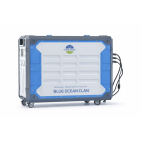
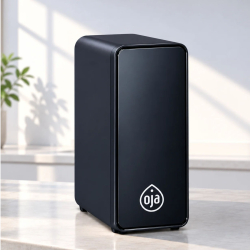
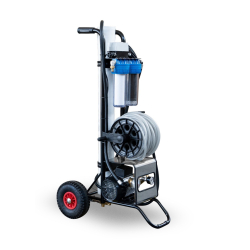
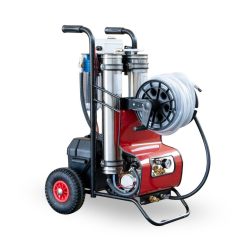
This category includes two types of solutions. The first is a portable desalinator, designed for mobile or occasional needs. Compact and easy to carry, it can be useful on a boat, during an expedition, in a remote location or in an emergency, when access to fresh water is limited. It lets you gain autonomy without installing a large fixed system.
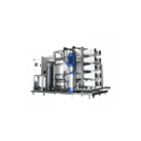
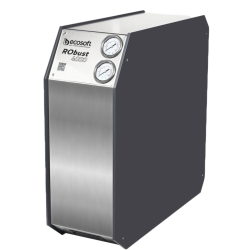
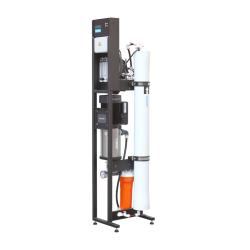
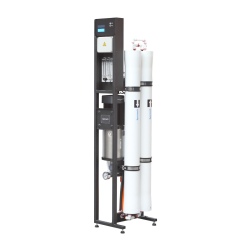
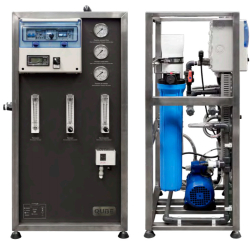
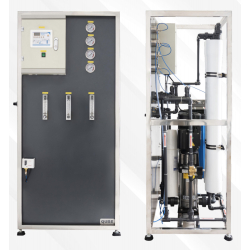
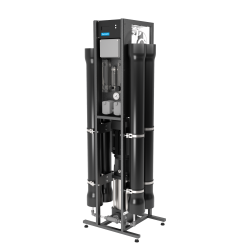
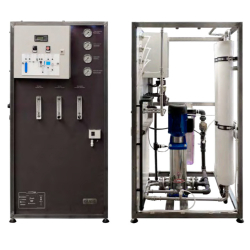
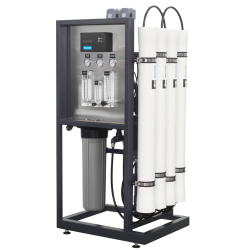
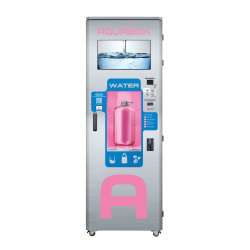
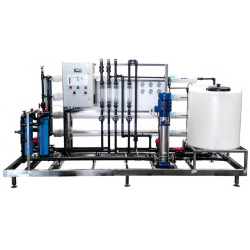
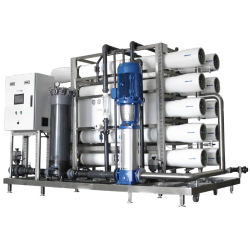
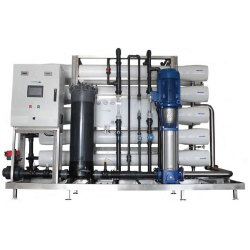
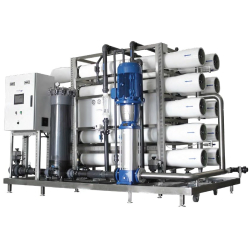
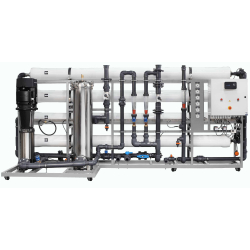
The second is an industrial desalinator, intended for larger needs. It suits professionals, local authorities, remote sites, farms, marine applications or installations requiring regular fresh water production. Its capacity can be adapted to the volume of water required, making it a more complete solution for intensive or continuous use.
The choice between these two devices depends mainly on your situation. For a mobile, occasional or low-volume need, the portable model is generally the best fit. For larger daily production, a fixed installation and professional use, it is better to turn to an industrial solution sized to the flow rate required.
Before choosing your desalinator, it is important to consider several factors: the amount of water you want per day, the salinity of the water to be treated, the available space, the power supply, the frequency of use and the expected level of maintenance. These criteria help you select equipment that is truly suited to your use.
Whether your need is autonomy, mobility or fresh water production on a larger scale, our desalinators offer a practical solution for using seawater when access to fresh water is difficult or insufficient.