

Tested and inspected RO systems for pure water at a reduced price.
See offers
Complete protection with an RO system and a water softener.
Get 15% off
Combine reverse osmosis water and hydrogen-rich water.
Get 15% offFREE SHIPPING
On orders of €150 or more within mainland France
(home products only)
Ships within 24 hours
+33 3 66 88 17 85
Call us Monday to Friday,
9:30 am–5 pm (Paris time)!
Email: contact@josmose.fr

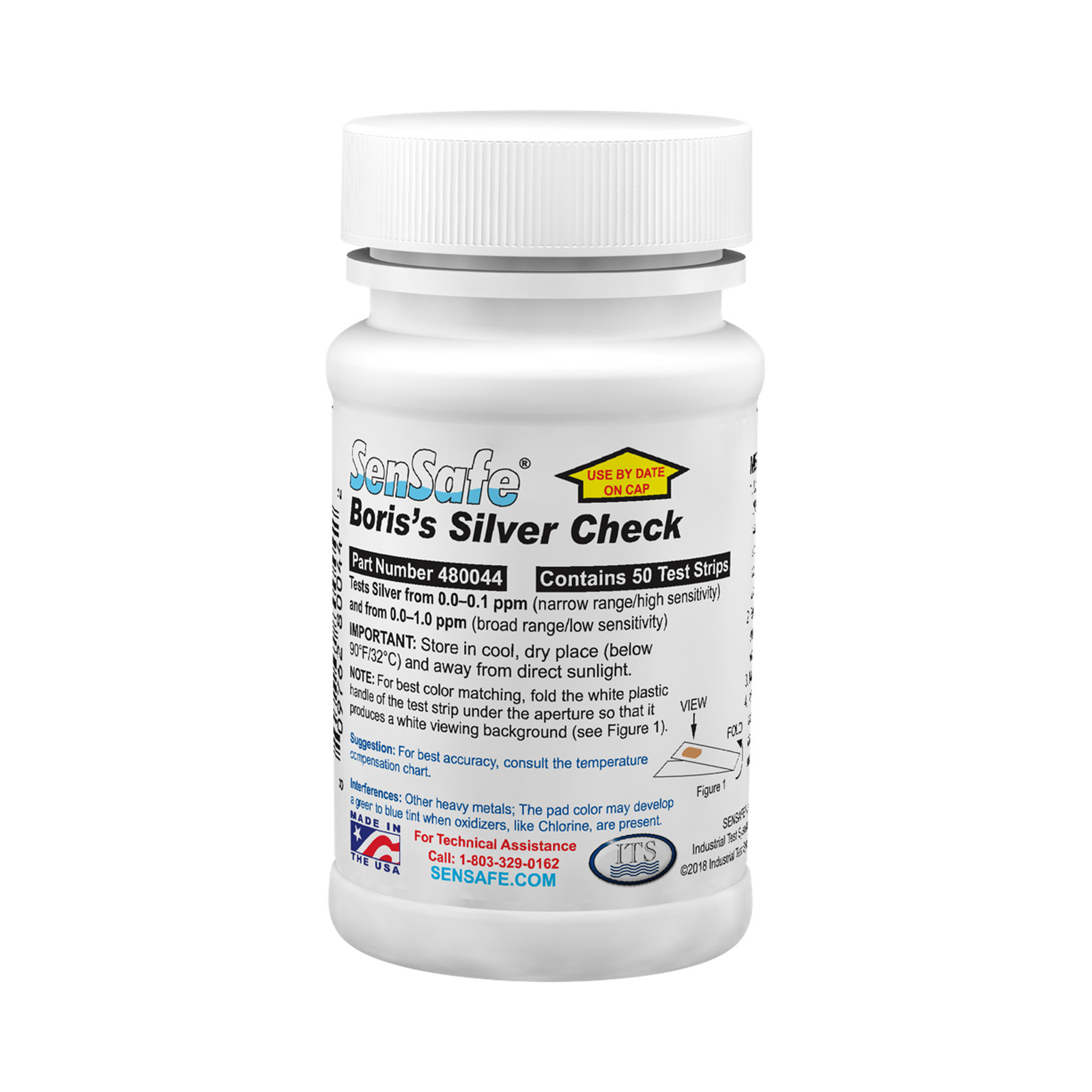
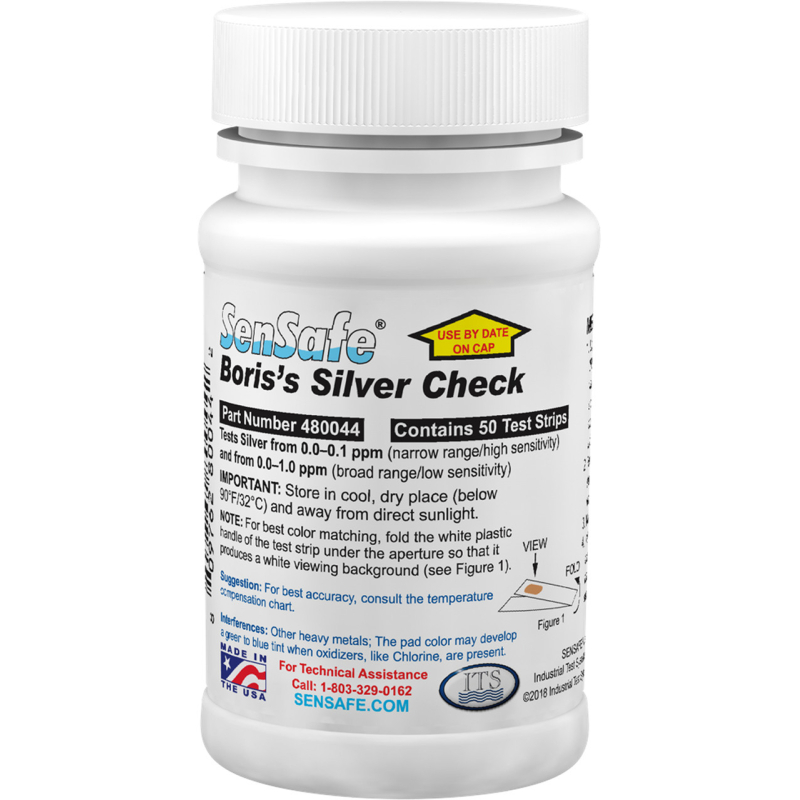
This strip test is extremely simple.
 |
 |
|
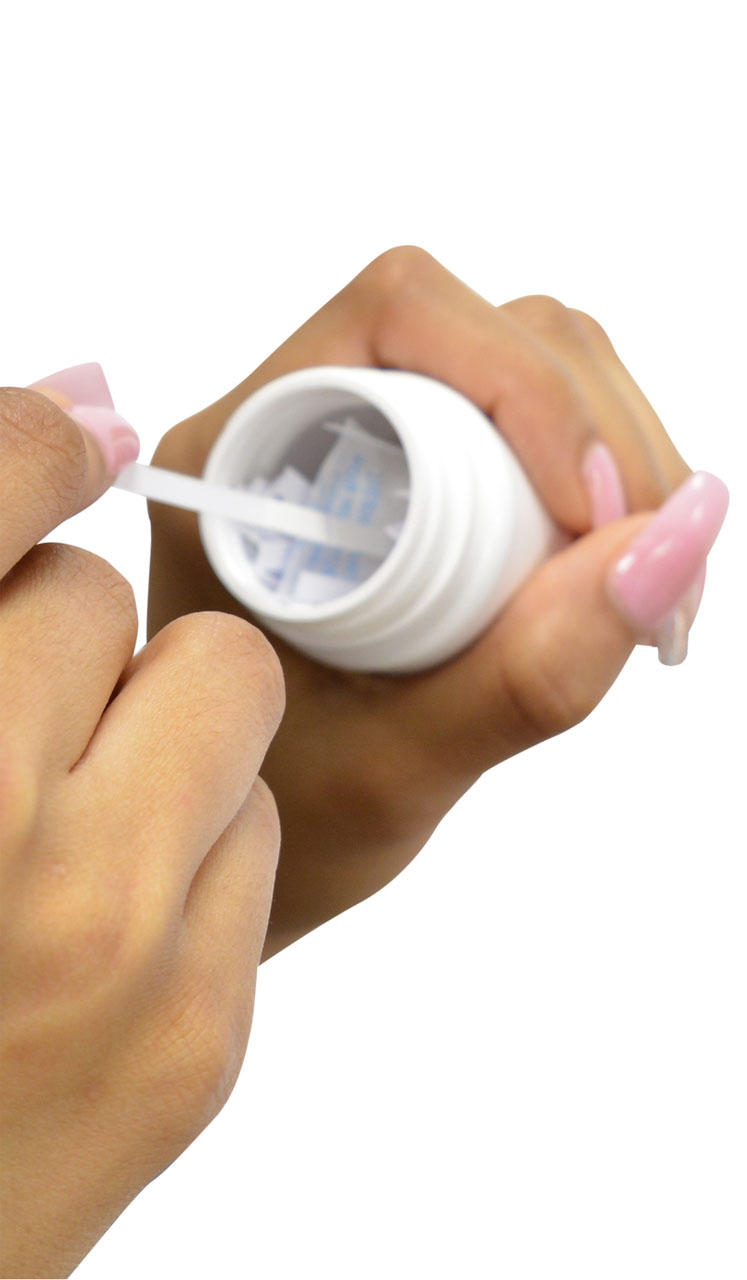
Take a strip and dip it in the water |
After the specified time, compare the strip's color with the scale on the back of the container. |
The strip test can be used with 2 methods that provide different levels of result precision.
Please note: this test is intended to detect silver in water in the absence of oxidizing agents.
For the strip's immersion time in water, please refer to the following tables based on your desired precision.
|
|
|
|
|
|
Naturally present in groundwater and surface water, silver is found in drinking water.
There is no health-based guideline value due to a lack of available data.
Silver levels in drinking water are generally below 5 µg/l and therefore pose no health risk. Recent estimates suggest an intake of 7 µg per person per day.
The retention rate of silver in both humans and laboratory animals ranges from 0 % to 10 %, as only a small percentage of silver is absorbed by the body.
Excess silver can cause argyria: a condition characterized by pronounced blue-gray discoloration of the skin and hair. However, this condition is fairly rare and only occurs in people who have absorbed large daily doses. Silver also appears to be linked to kidney failure or strokes, but only in extremely rare cases.
* This paragraph is based in part on the WHO report "Guidelines for Drinking-water Quality".
**A guideline value is a reference value provided by the WHO.