


Tested and inspected RO systems for pure water at a reduced price.
See offers
Complete protection with an RO system and a water softener.
Get 15% off
Combine reverse osmosis water and hydrogen-rich water.
Get 15% offFREE SHIPPING
On orders of €150 or more within mainland France
(home products only)
Ships within 24 hours
+33 3 66 88 17 85
Call us Monday to Friday,
9:30 am–5 pm (Paris time)!
Email: contact@josmose.fr

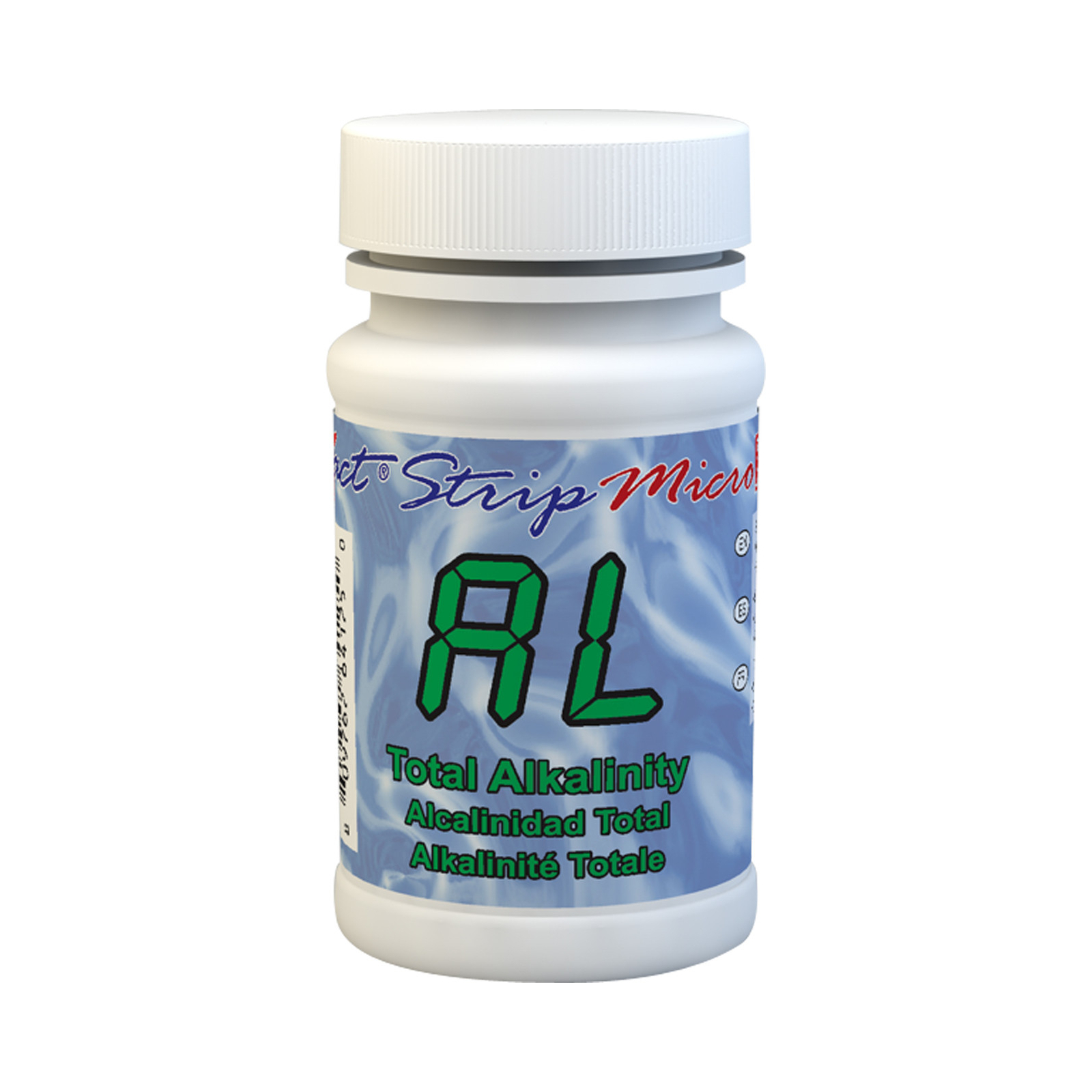
Water alkalinity is a measure of its ability to resist changes in pH when exposed to acids. In other words, it measures the amount of alkaline chemical compounds in water that can neutralize acids and keep the pH relatively stable. The main chemical compounds that contribute to water alkalinity are carbonate (CO3²⁻), bicarbonate (HCO3⁻), and hydroxide (OH⁻) ions.
Water alkalinity is an important component of water's chemical balance, particularly in aquatic systems such as swimming pools, aquariums, ponds, and waterways. It helps stabilize water pH and maintain a favorable environment for living organisms.
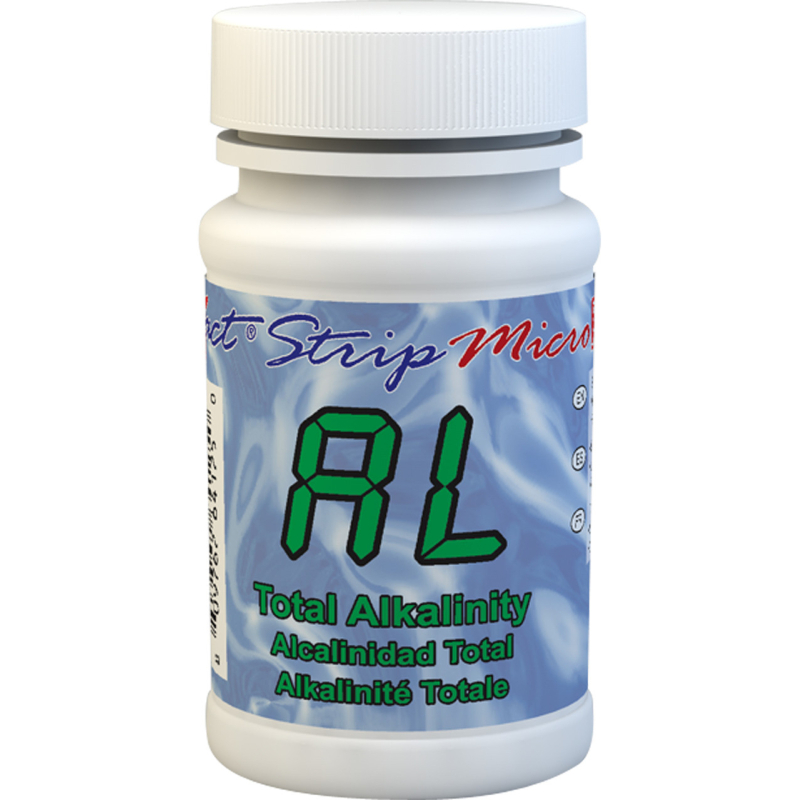
This kit of 100 test strips lets you measure the alkalinity of your water.
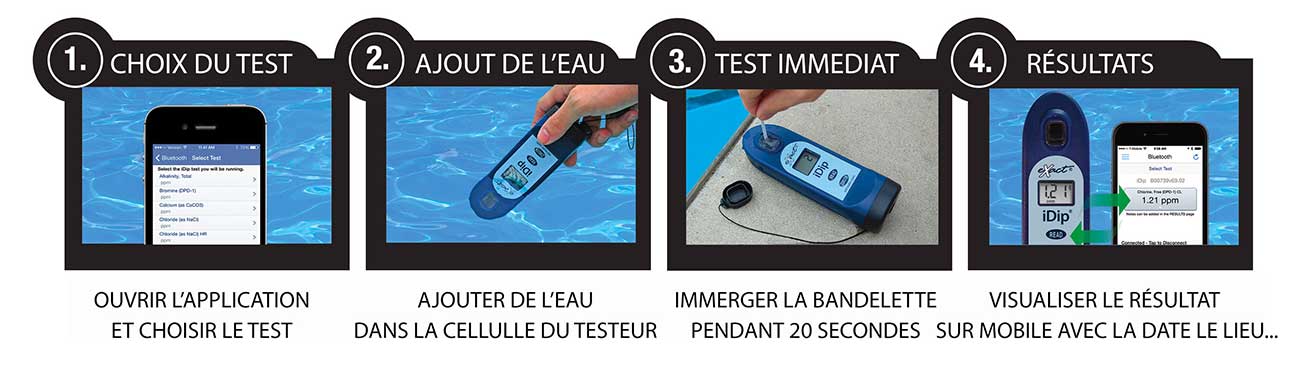
These strips let you measure your water's alkalinity using the IDIP photometer. The process is very simple:
1. Open the app on your mobile phone and turn on the photometer.
2. Add water to the tester's designated cell.
3. Place the strip in the water for 20 seconds.
4. View the result directly on the photometer. This result is automatically saved to your phone.
This water testing system is fast, reliable, modern, expandable, and comprehensive. It is THE most accessible system.
 |
Take a strip out of the container before starting the test. Leave it in a dry, easily accessible place, and close the container immediately. |
 |
Turn on the photometer by pressing the ON/ZERO button. The screen will show all indicators, then the selected menu, then the most recent results. |
 |
Press the SELECT button repeatedly to choose the group: the alkalinity test is found in groups 1, 3, 4, and 5. Then press the MENU button repeatedly to select the test parameter: AL. (You will find all this information in a table in the user manual supplied with the device) |
 |
Rinse the test cell at least 3 times with the water you will be testing (to minimize the risk of cross-contamination from your previous test). Finally, fill the small cell completely with the water to be tested. |
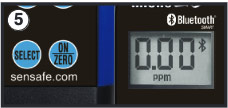 |
Press the ON/ZERO button. The cursor will move across the screen before it displays 0.00PM. This indicates that the sample is ready to be tested. |
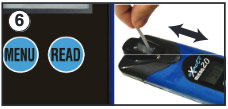 |
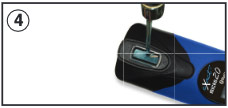
Dip the appropriate strip into the small cell and immediately press the READ button. This will start a 20-second countdown. While it runs, gently move the strip back and forth (about 1 back-and-forth motion per second). As soon as the "1" disappears from the screen, remove the strip. |
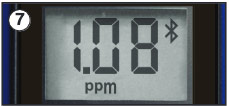 |
The cursor will move across the screen while the photometer prepares the test results. Note the value displayed for the parameter. This value is automatically saved in the MENU, and if you use the exact iDip app, the results will be saved in its "RESULTS" section. After the test, rinse the cell and clean it with the small brush. |
Caution: for any water tested at a temperature above 35°C, remove the test strip when the screen displays "10".
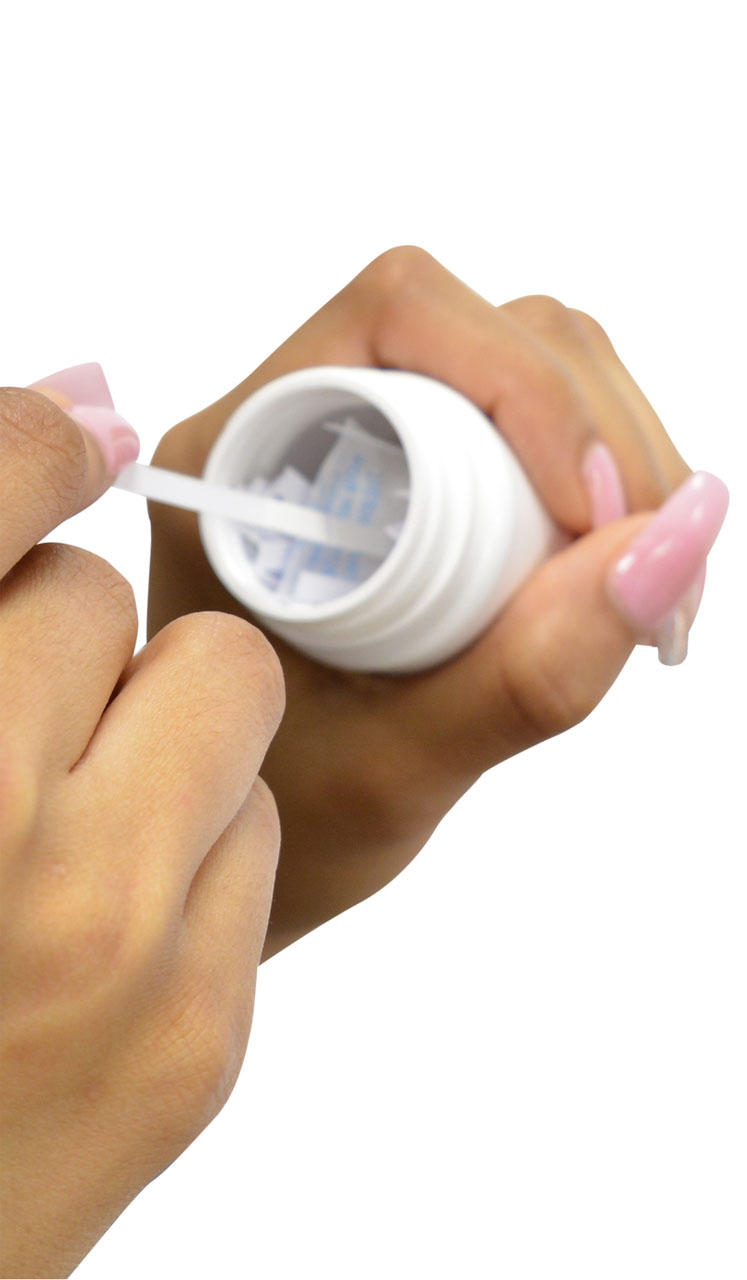
This test strip kit is extremely simple to use. It contains 50 strips.
It measures both alkalinity and pH.
 |
|
|
Take a strip and dip it into the water |
After a certain amount of time, compare the strip's color with the scale on the back of the container. |
The result scale is as follows 0; 40; 80; 120; 180; 240; 720 mg/L for total alkalinity and 6; 6.5; 7; 7.5; 8, 8.5; 11 for pH.
Water alkalinity is measured in parts per million (ppm) or milligrams per liter (mg/L) of calcium carbonate equivalent.
The recommended water alkalinity level depends on the type of aquatic environment and the specific requirements of the organisms living in it. In general, for swimming pools and spas, alkalinity is recommended to be between 80 and 120 parts per million (ppm) or milligrams per liter (mg/L). For freshwater aquariums, a level between 80 and 200 ppm is generally recommended. For saltwater aquariums, recommendations vary but are often between 120 and 180 ppm.
Salt precipitation: An excessively high alkalinity level can cause salts to precipitate, which can make the water cloudy and foul filters and water treatment equipment.
Reduced disinfectant effectiveness: An excessively high alkalinity level can reduce the effectiveness of disinfectants such as chlorine or bromine in swimming pools and spas, which can encourage the growth of bacteria and other unwanted organisms.
Increased chemical use: High alkalinity levels can make it harder to maintain an optimal water pH, which can lead to increased use of chemicals to adjust the pH.
pH changes: Excessively low alkalinity can make water more susceptible to rapid pH changes, which can lead to pH fluctuations that may harm the health of aquatic organisms.
Equipment corrosion: Insufficient alkalinity can promote corrosion of metal equipment such as pipes, pumps, and filters in aquatic systems.
Irritation of aquatic organisms: Excessively low alkalinity can irritate the skin and gills of fish and other aquatic organisms, making them more vulnerable to disease and infection.
