


Tested and inspected RO systems for pure water at a reduced price.
See offers
Complete protection with an RO system and a water softener.
Get 15% off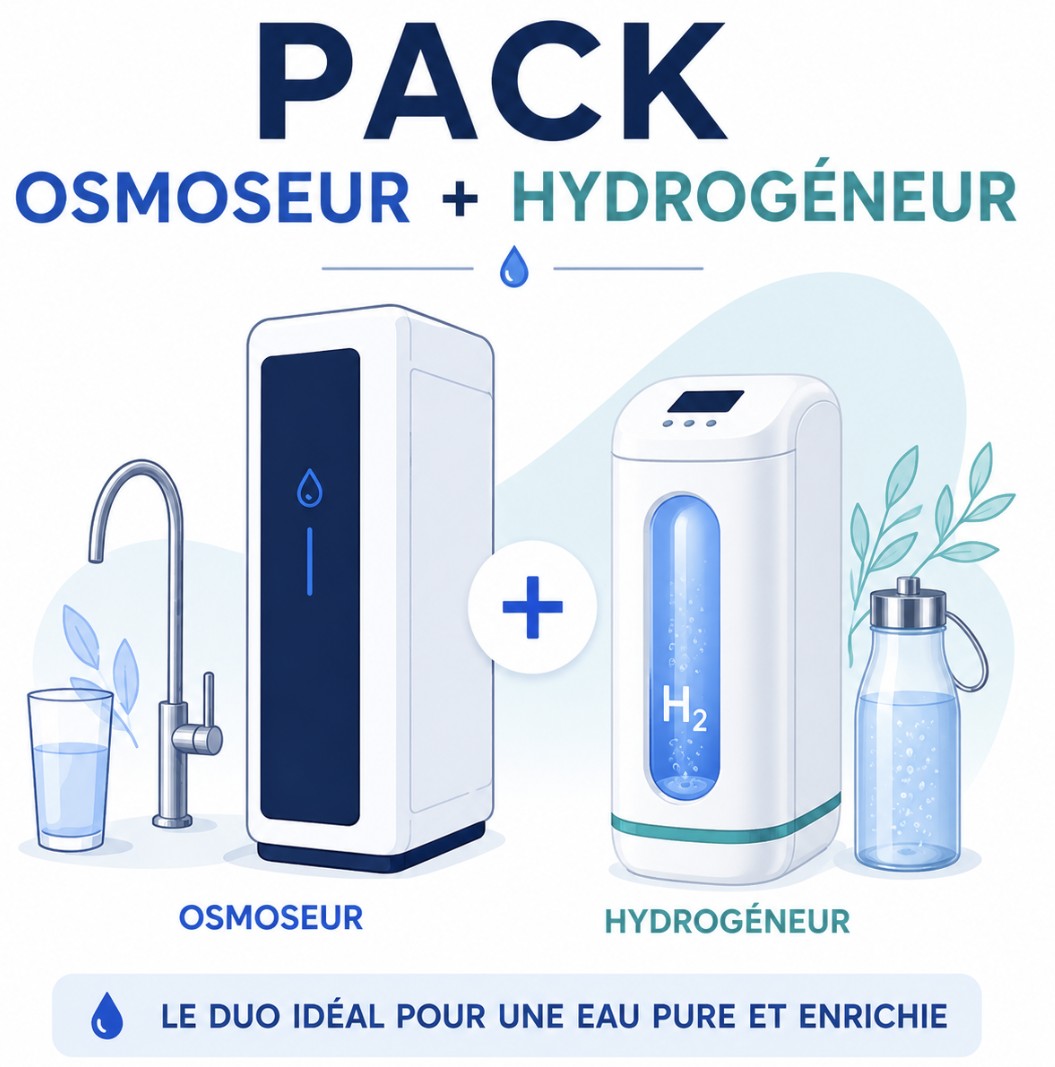
Combine reverse osmosis water and hydrogen-rich water.
Get 15% offFREE SHIPPING
On orders of €150 or more within mainland France
(home products only)
Ships within 24 hours
+33 3 66 88 17 85
Call us Monday to Friday,
9:30 am–5 pm (Paris time)!
Email: contact@josmose.fr

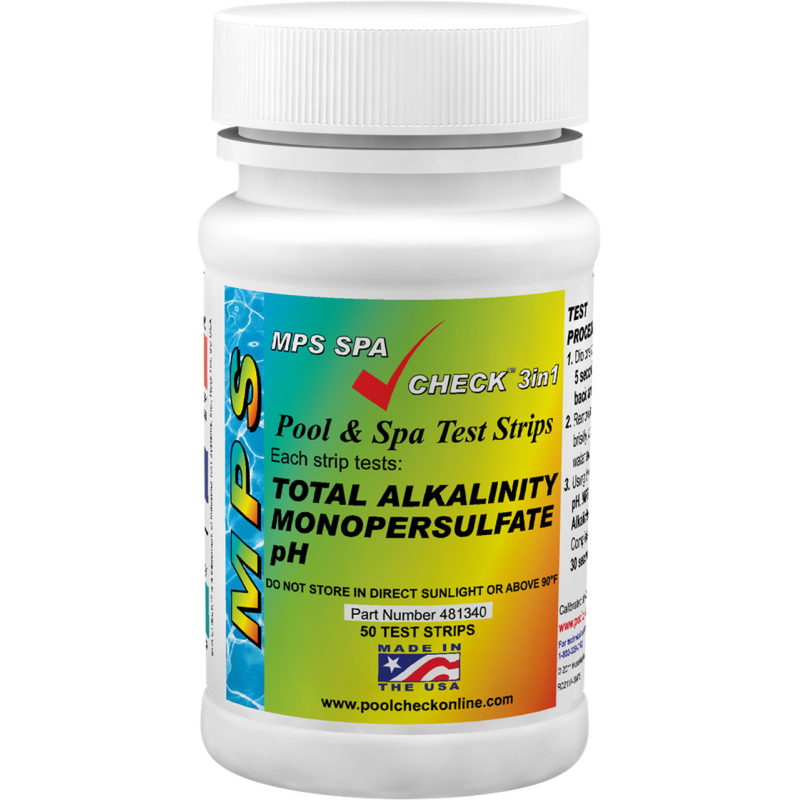
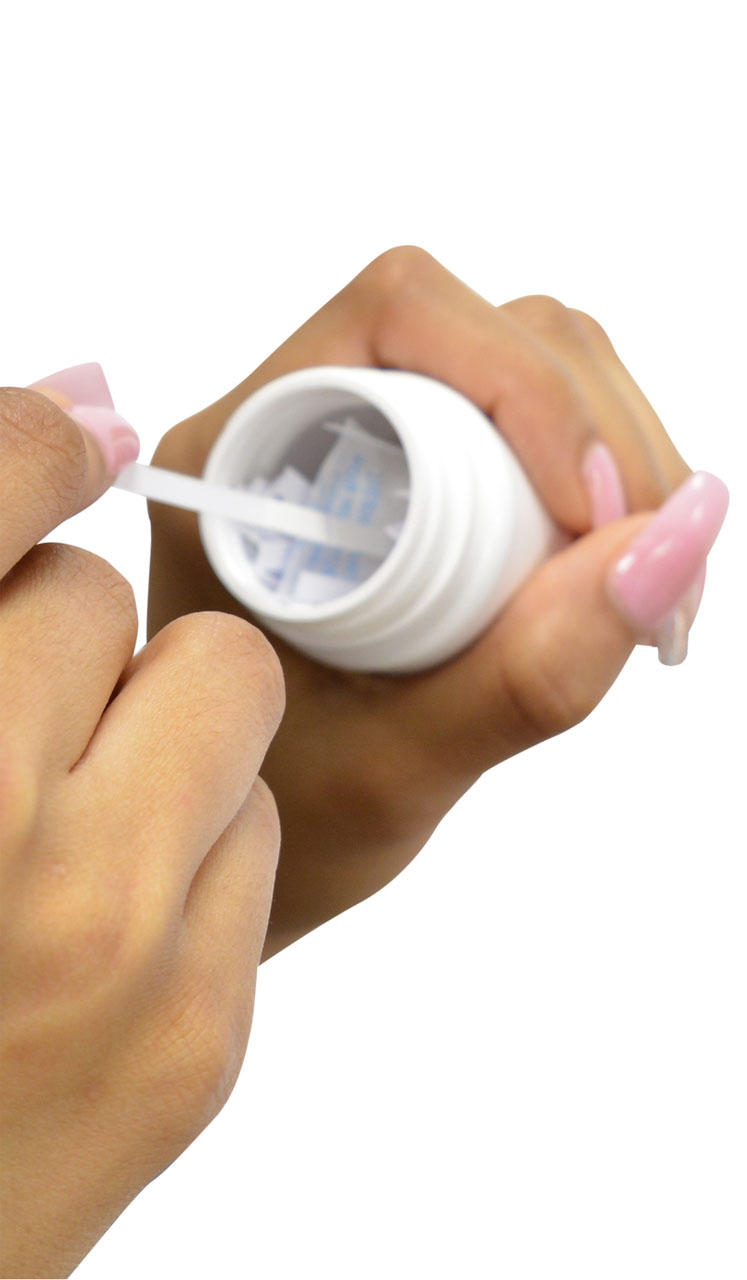
This test strip is extremely easy to use.
 |
 |
|
Take a test strip and dip it in the water. |
After about twenty seconds, compare the color of the strip with the scale on the back of the box. |
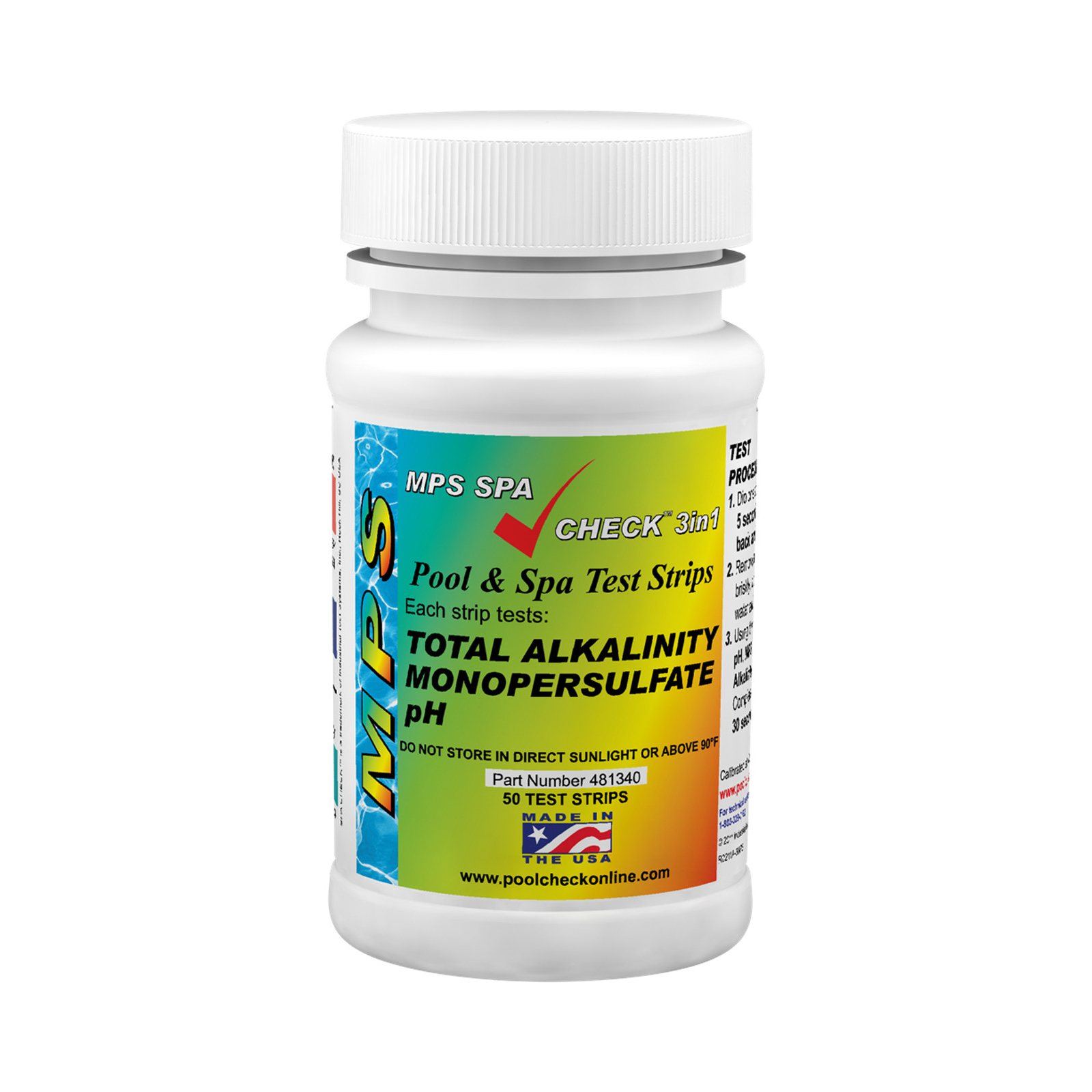
This 3-in-1 test strip provides the following results:
This test is ideal for SPAS!
Alkalinity in a pool refers to the ability of the pool water to resist changes in pH. More specifically, it is a measure of the amount of bicarbonates, carbonates and other alkaline compounds dissolved in the water.
Pool water alkalinity is an important parameter to monitor and maintain for several reasons:
pH stability: Properly balanced alkalinity helps stabilize the pH of pool water. An appropriate alkalinity level helps prevent excessive pH fluctuations, which can make pool water either too acidic or too basic. A balanced pH is essential for swimmers' comfort and for protecting pool equipment.
Effects on chemicals: Pool water alkalinity can affect the effectiveness of water treatment chemicals, such as chlorine. A correct alkalinity level can help maximize chemical effectiveness and reduce water treatment costs.
Swimmers' comfort: Balanced alkalinity contributes to swimmers' comfort by minimizing skin and eye irritation caused by excessive pH fluctuations.
This kit measures pool water alkalinity in mg/L. The recommended range for pool water alkalinity is generally between 80 and 120 mg/L, although this may vary depending on individual preferences and local conditions.
To adjust pool water alkalinity, products such as baking soda or sodium hydroxide (caustic soda) can be used. Carefully follow the manufacturer's instructions and regularly test your pool water using a kit like this one to maintain appropriate alkalinity levels.
Monopersulfate, also known as potassium peroxydisulfate or potassium peroxymonosulfate, is an oxidizing chemical compound widely used to treat water in pools, spas and hot tubs.
It is often used as a non-chlorine oxidizer to help remove organic contaminants and maintain water clarity. Unlike chlorine, monopersulfate does not add chlorine to pool water and does not produce chlorinated byproducts such as chloramines, which can cause unpleasant pool odors and skin and eye irritation.
Here are some of the main functions of monopersulfate in pool water treatment:
Oxidizing organic contaminants: Monopersulfate helps break down organic matter in pool water, such as body oils, sunscreen lotions and organic debris, by oxidizing it and making it easier to remove through filtration.
Removing chloramines: Although chlorine is effective at killing bacteria and harmful organisms in pool water, it can react with organic compounds to form chloramines, which can cause unpleasant odors and irritation. Monopersulfate can help oxidize these chloramines, improving water quality.
Alternative to chlorine: For people who are sensitive to chlorine or for pools where chlorine use is limited or undesirable, monopersulfate provides an effective non-chlorine alternative for water treatment.
It is important to carefully follow the manufacturer's instructions when using monopersulfate to treat pool water and to regularly monitor chemical levels to keep the water clean, clear and safe for swimming.
The pH of pool water is a measure of its acidity or basicity. It represents the concentration of hydrogen ions (H⁺) in the water. It is measured on a scale from 0 to 14, where 7 is considered neutral. A pH value below 7 indicates an acidic solution, while a value above 7 indicates a basic or alkaline solution.
For a pool, the ideal pH is generally between 7.2 and 7.6. Maintaining the level within this range is important for several reasons:
Swimmers' comfort: A balanced pH makes pool water comfortable for swimmers by minimizing irritation of the skin, eyes and mucous membranes.
Chemical effectiveness: A correct pH helps maximize the effectiveness of water treatment chemicals, such as chlorine. If it is unbalanced, chemicals may be less effective, which can lead to cloudy or unsanitary pool water.
Protecting equipment: An incorrect pH can damage pool equipment, including pumps, filters and liners. A level that is too basic can cause corrosion of metal components, while a level that is too acidic can damage concrete or tile surfaces.
To adjust pool water pH, chemicals such as sodium carbonate (caustic soda) or hydrochloric acid can be used. Regularly test your pool water pH using appropriate test kits like this one and adjust it as needed.