





Tested and inspected RO systems for pure water at a reduced price.
See offers
Complete protection with an RO system and a water softener.
Get 15% off
Combine reverse osmosis water and hydrogen-rich water.
Get 15% offFREE SHIPPING
On orders of €150 or more within mainland France
(home products only)
Ships within 24 hours
+33 3 66 88 17 85
Call us Monday to Friday,
9:30 am–5 pm (Paris time)!
Email: contact@josmose.fr

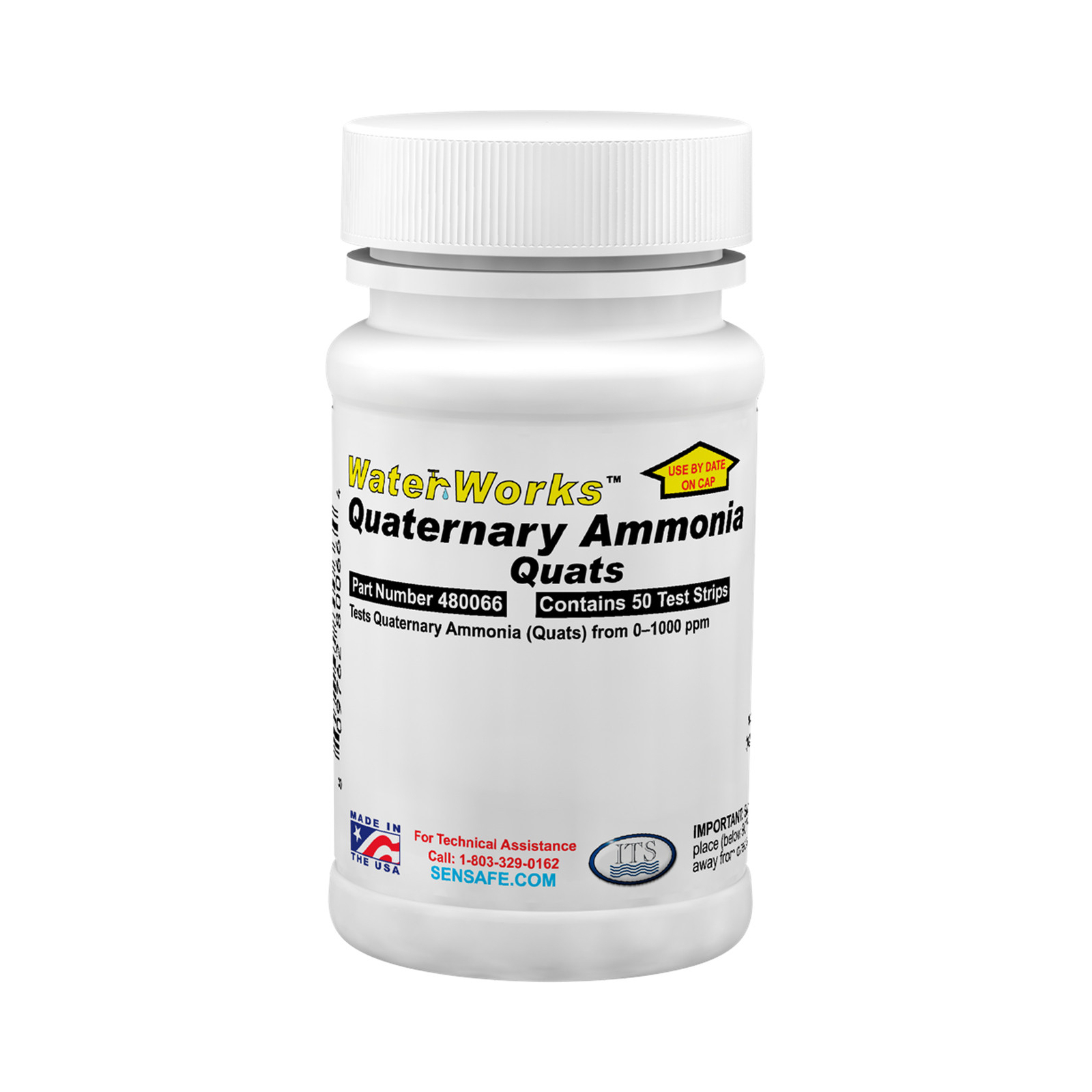
This test strip is extremely easy to use.
 |
 |
|
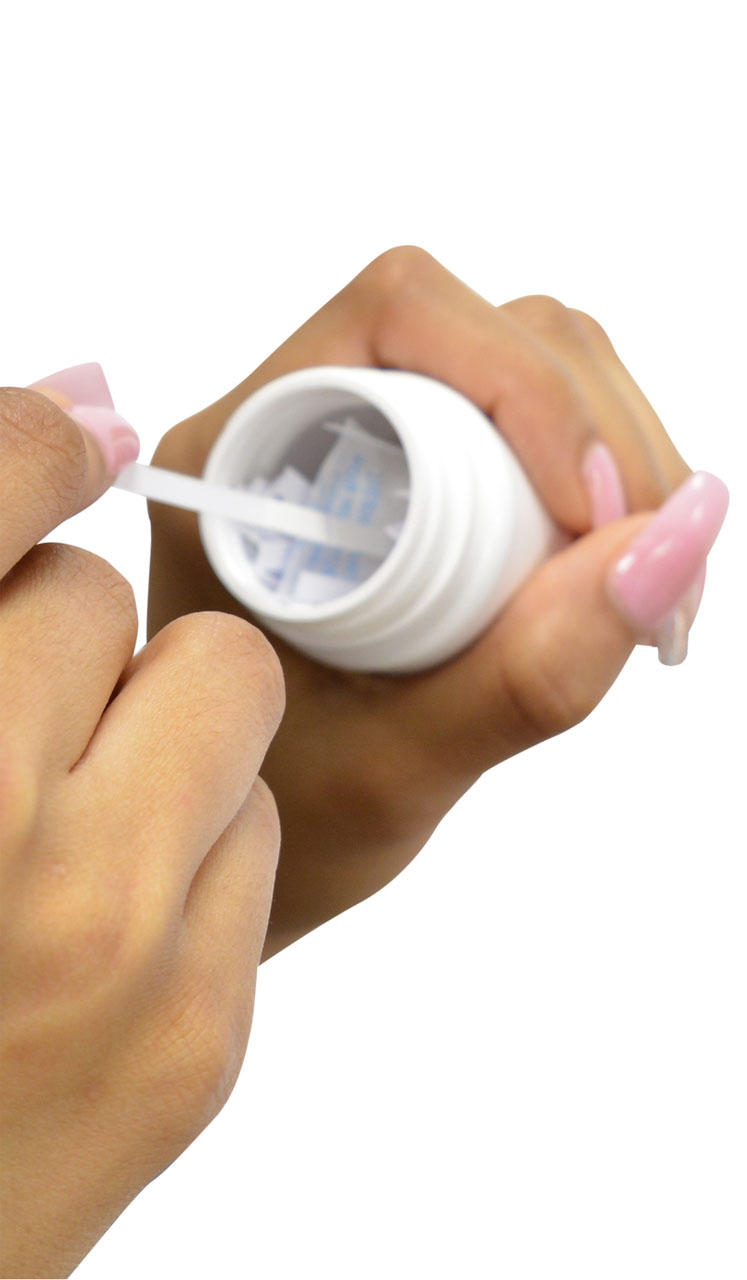
Take a test strip and dip it into the water |
After about twenty seconds, compare the strip's color with the scale on the back of the container. |
The test strip result indicates whether your water contains: 0; 100; 150; 200; 250; 300; 350, 400 or 100 mg/l (or ppm) of quaternary ammonium.
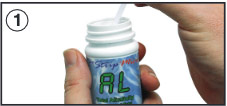 |
Remove a test strip from the container before starting the test. Leave it in a dry, easily accessible place, and close the container immediately. |
 |
Turn on the photometer by pressing the ON/ZERO button. The screen will show all indicators, then the selected menu, then the most recent results. |
 |
Press the SELECT button repeatedly to choose the group: the quaternary ammonium test belongs to group 6. Then press the MENU button repeatedly to select the test parameter: QA. (You will find all this information in a table in the user manual supplied with the device. |
 |
Rinse the test cell at least 3 times with the water you will be testing (to reduce the risk of cross-contamination from your previous test). Finally, fill the small cell completely with the water to be tested. |
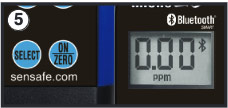 |
Press the ON/ZERO button. The cursor will move across the screen before it displays 0.00PM. This indicates that the sample is ready to be tested. |
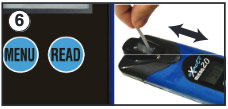 |
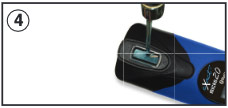
Dip the appropriate test strip into the small cell, and immediately press the READ button. This will start a countdown. During the countdown, gently move the strip back and forth (about 1 back-and-forth motion per second). As soon as the "1" disappears from the screen, remove the strip. |
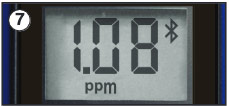 |
The cursor will move across the screen while the photometer prepares the test results. Record the value displayed for the parameter. This value is automatically saved in the MENU, and if you use the exact iDip app, the results will be saved in its "RESULTS" section. After the test, rinse the cell and clean it with the small brush. |
Quaternary ammonium compounds, also known as QACs, are ammonium salts in which the four hydrogen atoms of ammonia (NH₄) have been replaced by organic groups.
Quaternary ammonium compounds are not natural compounds produced spontaneously in nature. They are synthesized in a laboratory by chemically modifying ammonia, a compound naturally present in the environment. Ammonia (NH₃) is a compound made up of nitrogen (N) and hydrogen (H). The four hydrogen atoms of ammonia are replaced by organic groups to form quaternary ammonium salts.
Although quaternary ammonium compounds do not occur naturally in the environment, they can be introduced through various human activities, particularly through cleaning products, disinfectants, personal care products and pharmaceuticals. Because of their widespread use in these products, quaternary ammonium compounds may also be present in the environment as contaminants, particularly in surface water and wastewater, where they can affect aquatic plants and animals.
It is important to note that quaternary ammonium (QA) may pose potential health and environmental hazards. Here are a few points to consider: