



Tested and inspected RO systems for pure water at a reduced price.
See offers
Complete protection with an RO system and a water softener.
Get 15% off
Combine reverse osmosis water and hydrogen-rich water.
Get 15% offFREE SHIPPING
On orders of €150 or more within mainland France
(home products only)
Ships within 24 hours
+33 3 66 88 17 85
Call us Monday to Friday,
9:30 am–5 pm (Paris time)!
Email: contact@josmose.fr

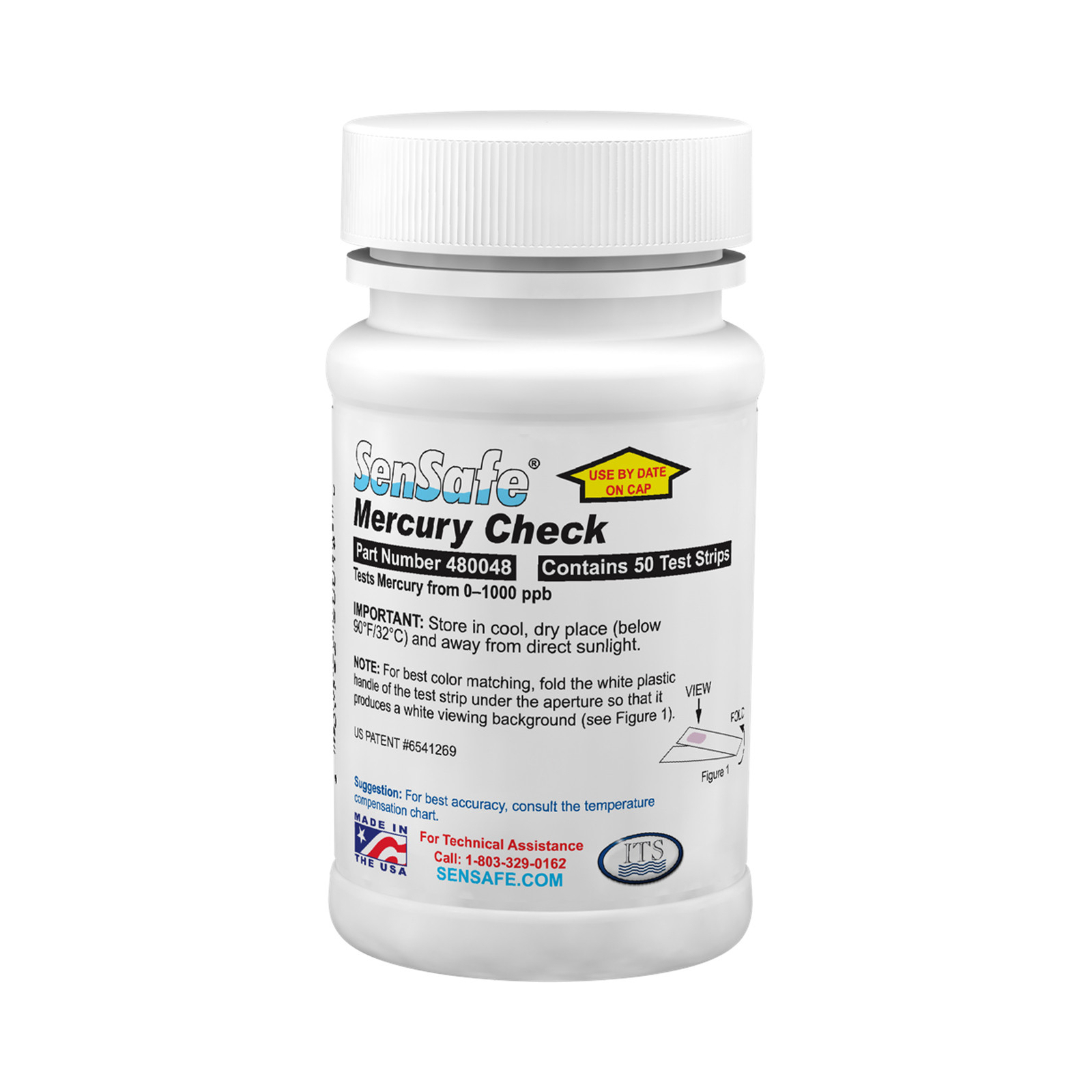
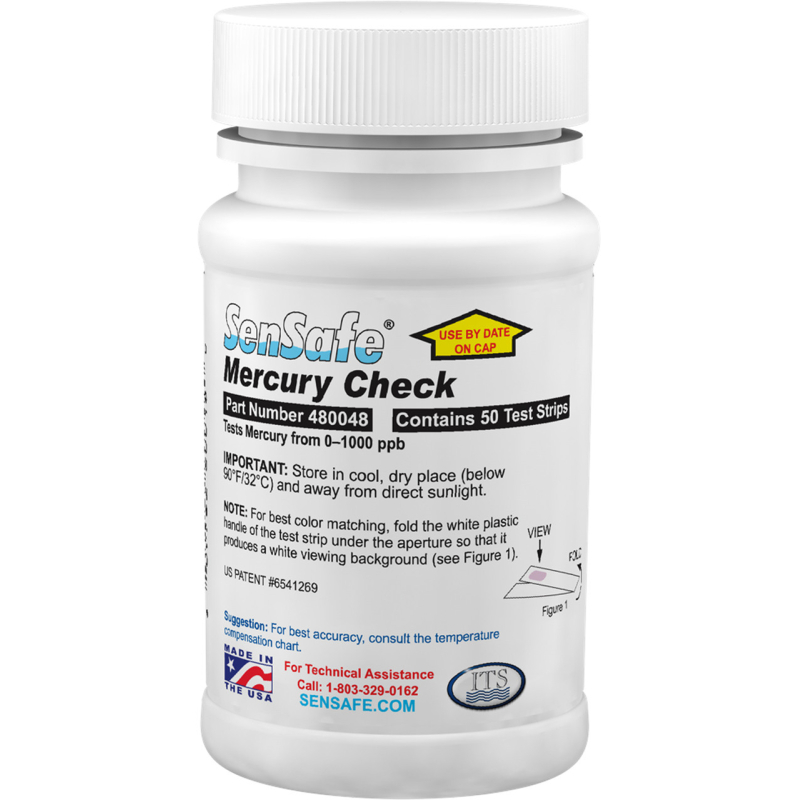
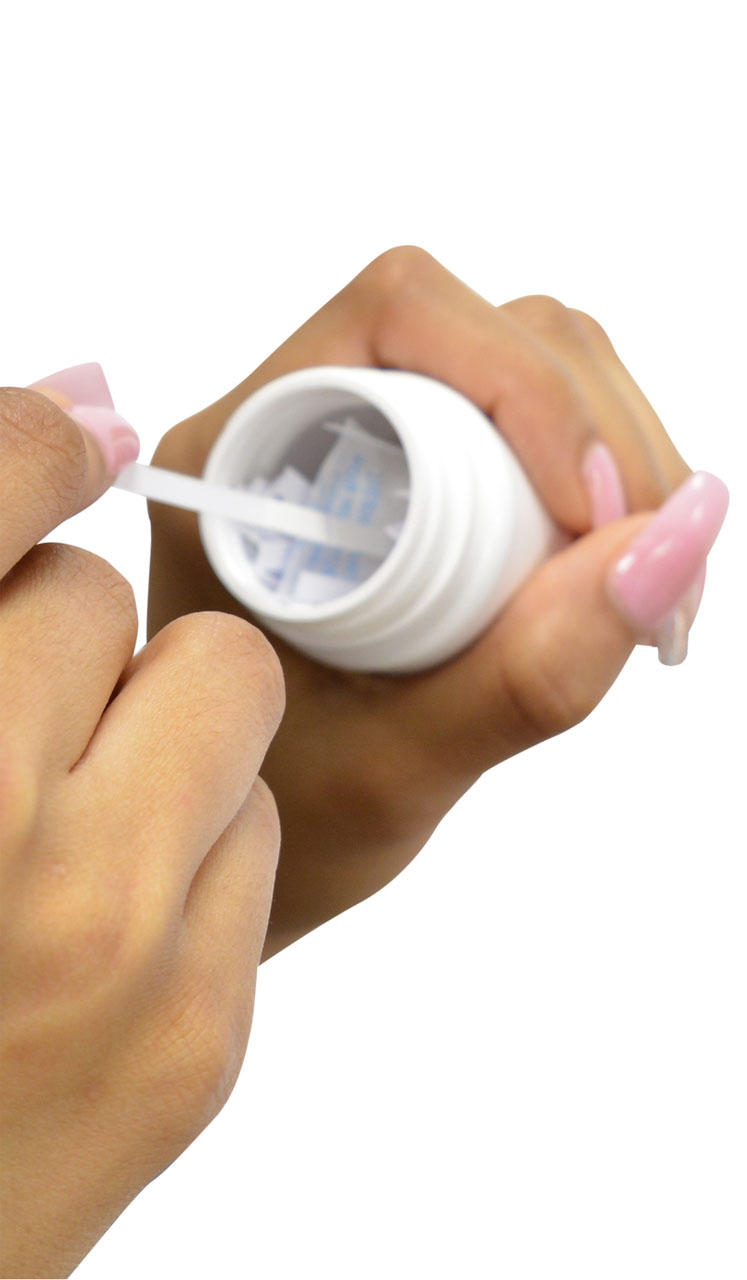
This test strip is extremely easy to use.
 |
 |
|
Take a test strip and dip it in the water |
After about twenty seconds, compare the color of the strip with the scale on the back of the box. |
The test strip result indicates whether your water contains: 0; 50; 100; 200; 500; or 1,000 µg/l of mercury.
Caution, other metals may interfere.
There are three different forms of mercury, with different levels of toxicity :
- elemental, or metallic, mercury
- inorganic mercury, which you may be exposed to at work
- organic mercury, which you may be exposed to through food
Mercury is present in inorganic form in surface water and groundwater, as well as in air and soil. Concentrations are usually below 0.5 µg/l, but higher levels are sometimes found in groundwater due to local mineral deposits.
Apart from industrial exposure to mercury, people are primarily at risk of ingesting it through food, with average intake ranging from 2 to 20 µg/day per person.
The guideline value is 0.006 mg/l (6 µg/l) for inorganic mercury (which you may be exposed to at work), the form found in drinking water.
The WHO lists mercury among the ten chemicals or groups of chemicals of major public health concern.
Mercury exposure is primarily caused by industrial pollution. Mercury has toxic effects on kidney function, the nervous, digestive, and immune systems, the lungs, skin, and eyes. It is particularly harmful during pregnancy and early childhood, even at low doses. However, its effects on health depend on many factors : the type of mercury, dose, duration and route of exposure, and the person's age.
* This paragraph is based in part on the WHO report “ Guidelines for Drinking-water Quality ”.
**A guideline value is a reference value provided by the WHO.