



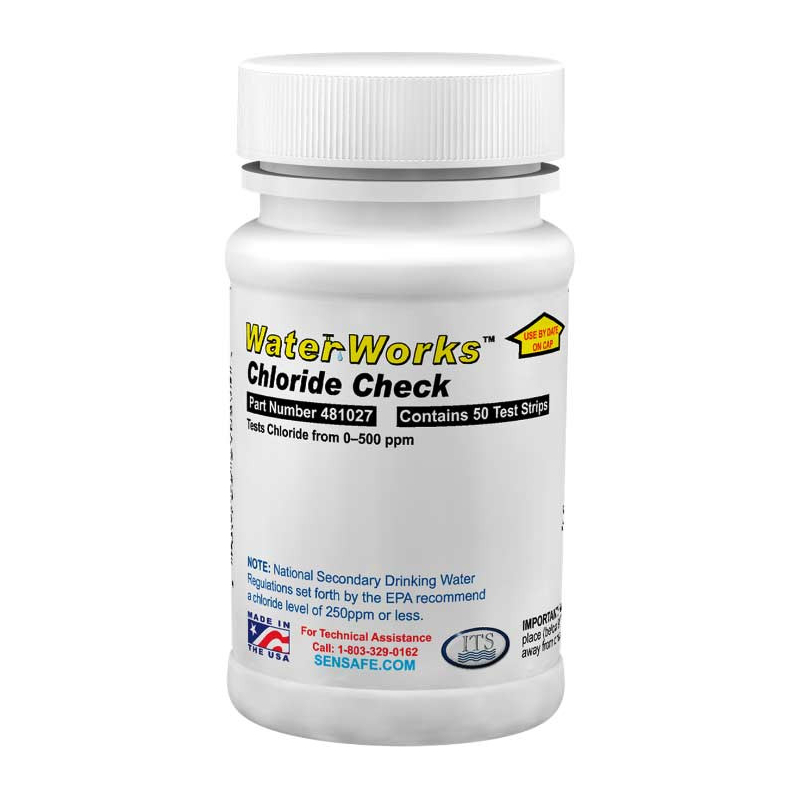

Tested and inspected RO systems for pure water at a reduced price.
See offers
Complete protection with an RO system and a water softener.
Get 15% off
Combine reverse osmosis water and hydrogen-rich water.
Get 15% offFREE SHIPPING
On orders of €150 or more within mainland France
(home products only)
Ships within 24 hours
+33 3 66 88 17 85
Call us Monday to Friday,
9:30 am–5 pm (Paris time)!
Email: contact@josmose.fr

Chloride is a trace element found in foods (fruits, vegetables, meat, fish, eggs…) and in your body as sodium chloride (salt) or potassium chloride ; it is the salt of chlorine, which is a gas in its natural state.
Unsurprisingly, salty foods, meaning those with added sodium chloride, provide the most: foods in brine, cured meats, cheeses, sauces, breads…
1 g (1,000 mg) of salt contains 600 mg of chloride and 400 mg of sodium.
Present in small amounts inside cells, chloride is abundant in extracellular fluids between cells and in blood, where it helps balance the amount of water inside and outside cells. Chloride also helps regulate blood pH and produce a component of gastric juice in your stomach.
There is currently no health-based guideline value for chloride in drinking water. Consumers can taste concentrations above 250 mg/l, although detection thresholds for the chloride ion depend on the associated cation. For sodium, potassium, and calcium chloride, the threshold ranges from 200 to 300 mg/l.
The WHO sets a target of no more than 5 g of salt per day (equivalent to 3,000 mg of chloride). The US Institute of Medicine considers chloride intake to exceed requirements, except for athletes and people with physically demanding jobs, who lose large amounts of chloride through sweating.
Recommended chloride intake in mg per day:
Excessive chloride intake increases blood pressure, particularly in people with diabetes or obesity. Chloride also increases the risk of stomach cancer, but before that, it can cause gastrointestinal problems.
* This paragraph is based in part on the WHO report “Guidelines for Drinking-water Quality”.
**A guideline value is a reference value provided by the WHO.
The two methods presented on this page let you analyze the chloride in your water quickly and easily at home.
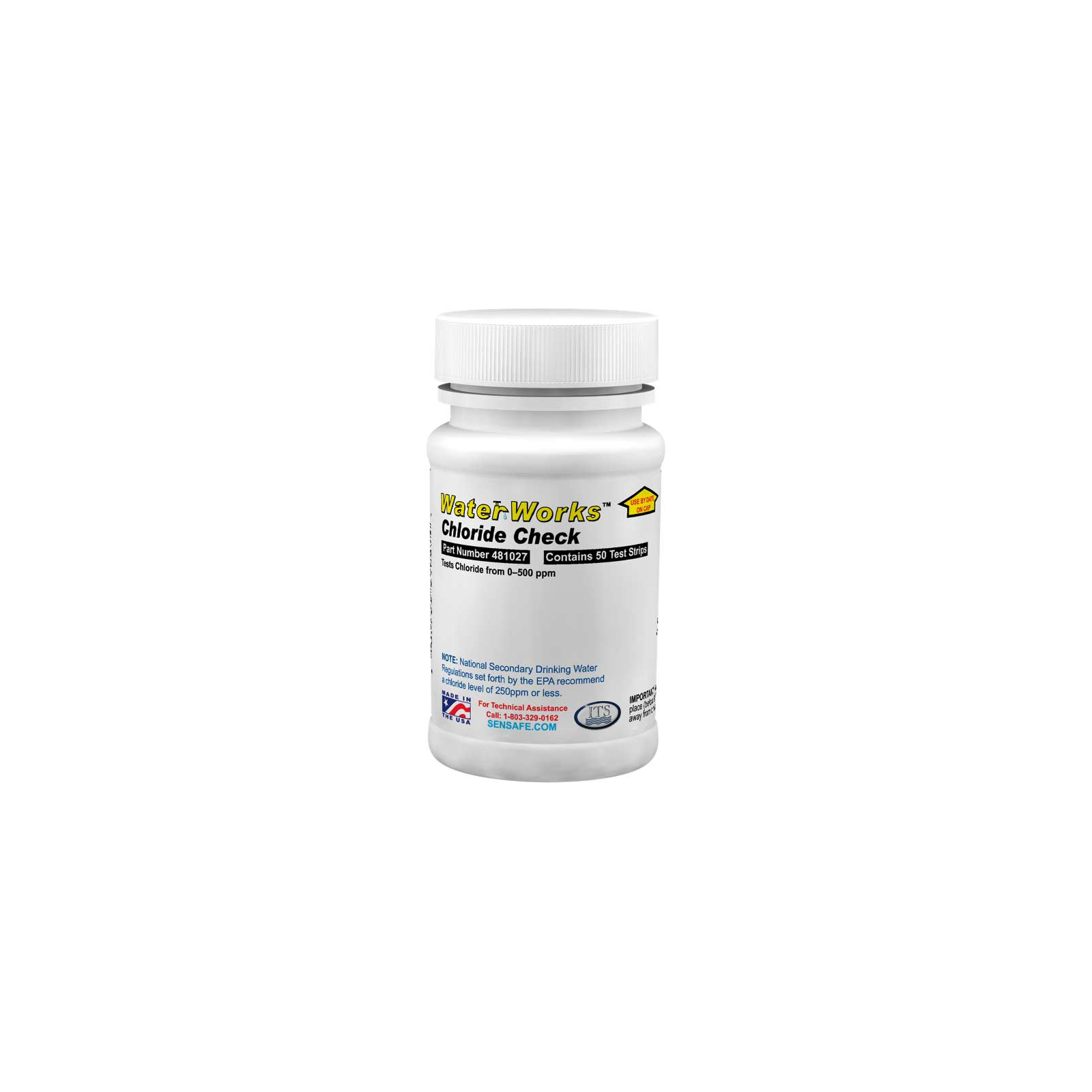
The standalone test requires no additional equipment or special skills, but the result is slightly less precise: you read it by comparing the resulting color with the color chart on the bottle.
The photometer test must be used with a photometer from the eXact range:iDip, iDip 570, Pool EZ, Micro 20, Eco-Check and Micro 10. This test gives you precise results, just like in a laboratory.
The test strip is extremely easy to use.
 |
 |
|
Take a test strip and dip it in the water |
After a short wait, compare the color of the strip with the scale on the back of the container. |
The test strip shows whether your water contains: 0; 50; 100; 250; 500 mg/l (or ppm) of chloride.
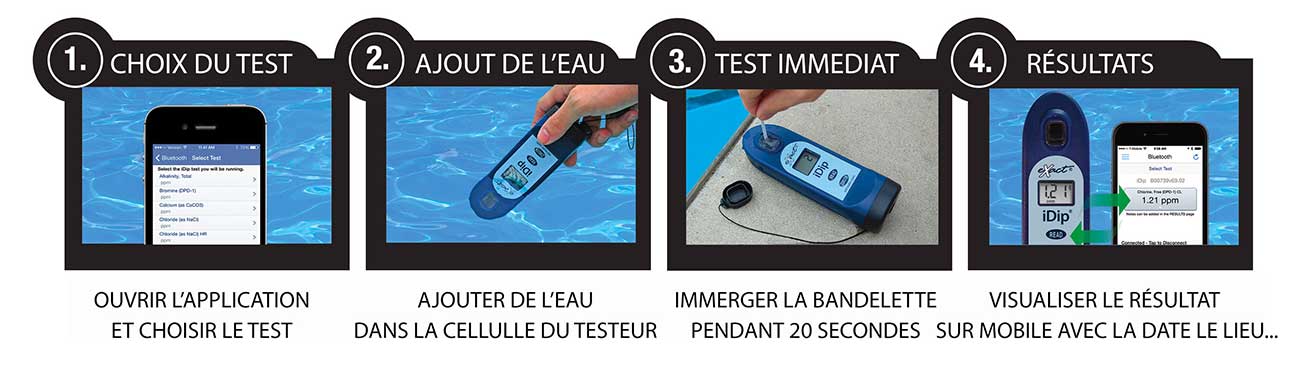
These strips let you measure chloride in your water using the IDIP photometer. It is very easy to use:
1. Open the app on your mobile phone and turn on the photometer.
2. Add water to the tester's designated sample cell
3. Place the strip in the water for 20 seconds
4. Read the result directly on the photometer. The result is automatically saved on your phone.
This water testing system is fast, reliable, modern, expandable, and comprehensive. It is THE most accessible system.
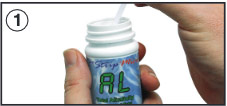 |
Remove a strip from the container before starting the test. Leave it in a dry, easy-to-reach place and immediately close the container. |
 |
Turn on the photometer by pressing the ON/ZERO button. The screen will show all indicators, then the selected menu, then the most recent results. |
 |
Press the SELECT button repeatedly to choose the group: the calcium hardness test belongs to group 1. Then press the MENU button repeatedly to select the test parameter: CH. (You will find all this information in a table in the user manual supplied with the device. |
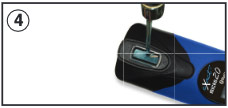 |
Rinse the test cell at least 3 times with the water you are going to test (to reduce the risk of cross-contamination from your previous test). Then fill the small cell completely with the water to be tested. |
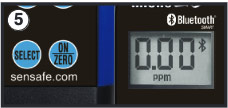 |
Press the ON/ZERO button. The cursor will move across the screen before it displays 0.00PM. This indicates that the sample is ready to be tested. |
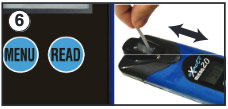 |
Dip the appropriate strip into the small cell and immediately press the READ button. This will start a 20-second countdown. During the countdown, gently move the strip back and forth (about 1 back-and-forth motion per second). As soon as the "1" disappears from the screen, remove the strip. |
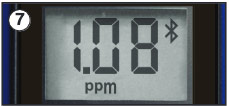 |
The cursor will move across the screen while the photometer prepares the test results. Record the value displayed for the parameter. This value is automatically saved in the MENU, and if you use the exact iDip app, the results will be saved in its "RESULTS" section. After the test, rinse the cell and clean it with the small brush. |
Note: If the sample's pH is high (>9), adjust the pH to 5-6 using vinegar.
You can also have your water analyzed by our partner laboratory. To do this, you first need to purchase a basic analysis, to which you can add an optional chloride test.