
-
-
-
Refurbished RO systems
Tested and inspected RO systems for pure water at a reduced price.
See offersRO system + water softener pack
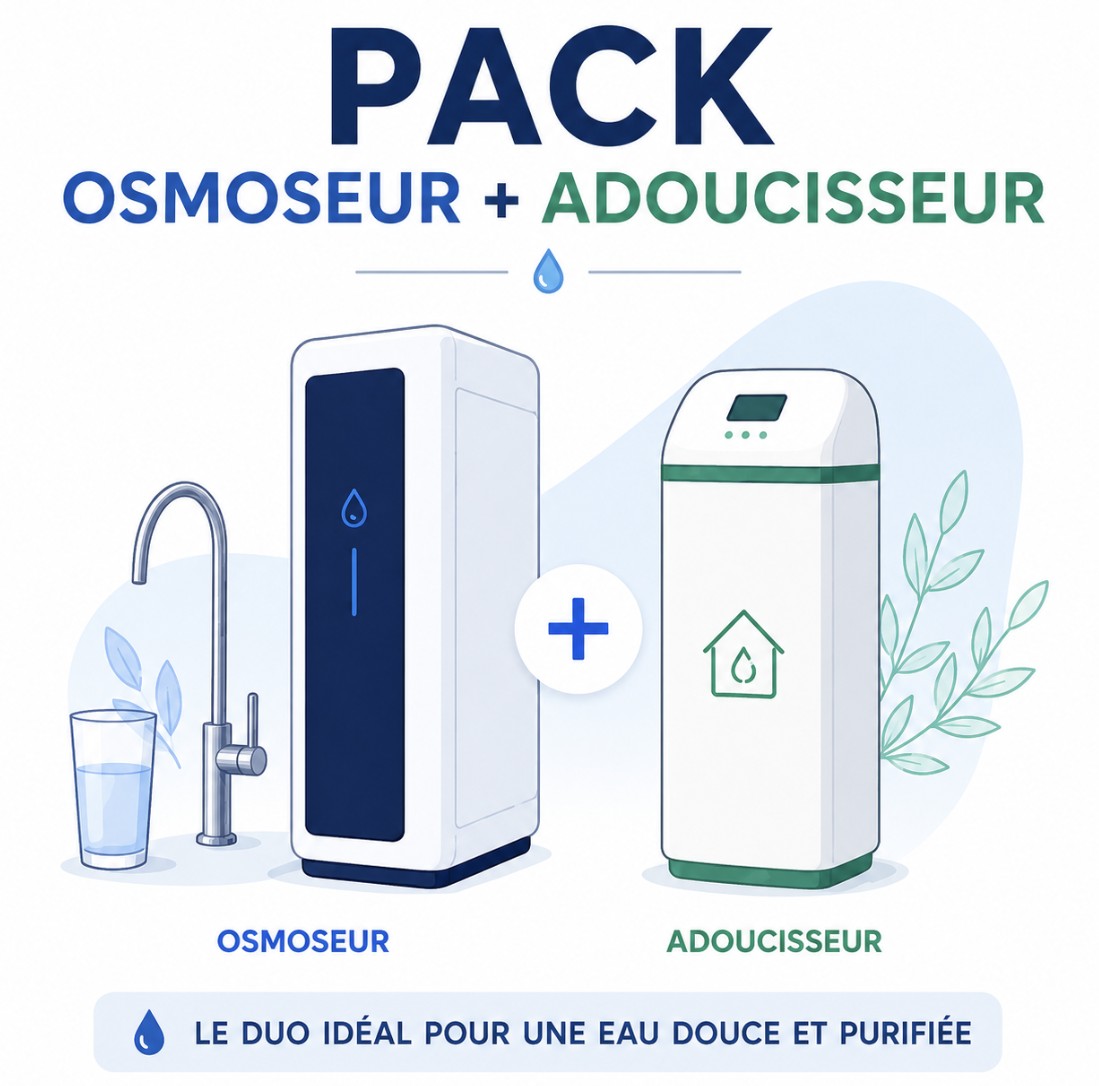
Complete protection with an RO system and a water softener.
Get 15% offRO system + hydrogen water generator pack
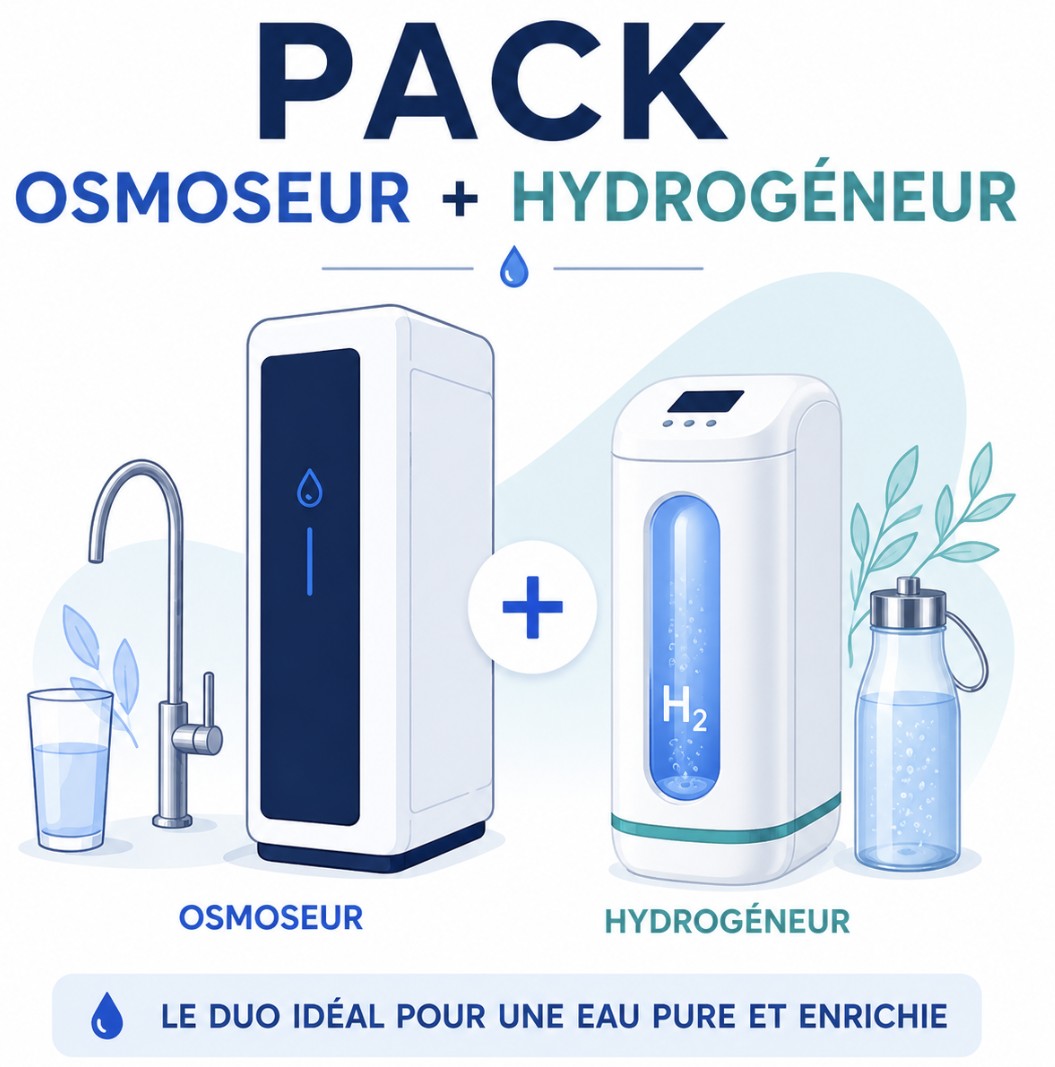
Combine reverse osmosis water and hydrogen-rich water.
Get 15% off
-
-


FREE SHIPPING
On orders of €150 or more within mainland France
(home products only)
Ships within 24 hours
+33 3 66 88 17 85
Call us Monday to Friday,
9:30 am–5 pm (Paris time)!
Email: contact@josmose.fr

CO₂ Water Softeners
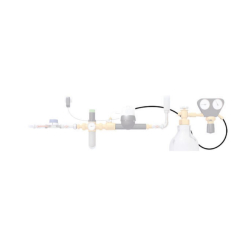
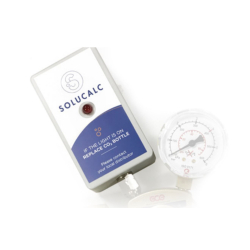
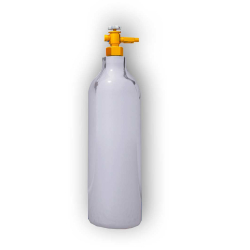
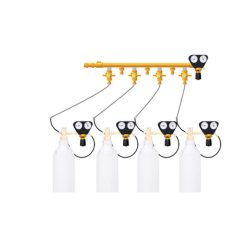

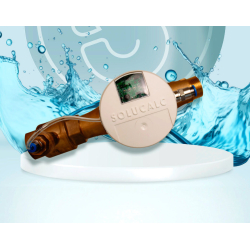
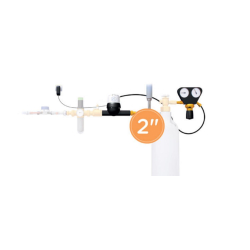
The Eco-Friendly CO₂ Water Softener
An alternative to traditional salt-based treatment
Our ever-stronger commitment to the environment has led us to offer you a range of CO₂ water softeners.
This technology is an attractive alternative to traditional systems and has the particular advantage of working without adding salt to the water.
Salt-free
No salt discharge
Unlike a salt-based water softener, CO₂ treatment does not require regeneration with salt and therefore avoids the salt discharge associated with that technology.
Treatment
Food-grade CO₂ as the input
The system uses food-grade CO₂ to act on the limescale in the water, without adding sodium as a conventional ion-exchange resin water softener does.
Two models to suit your needs
Home or professional use
1-inch version
Suited mainly to home use.
2-inch version
Intended for professional or industrial use.
Available options: soundproof enclosure, empty-cylinder detector or pressure regulator, depending on the model.
How does a CO₂ water softener work?
A different action from that of a salt-based water softener
A CO₂ treatment system injects carbon dioxide into the water. On contact with water, it forms carbonic acid.
Its action on limescale
This reaction converts some of the carbonates responsible for limescale deposits into more soluble bicarbonates, in order to limit scale formation in pipes and equipment.
Unlike a conventional salt-based water softener, this process therefore does not work by ion exchange and does not replace calcium and magnesium with sodium.
Pros and cons of CO₂ water softeners
What to know before choosing
✓ Advantages
- Salt-free: no salt consumption or salt discharge from regeneration cycles.
- Limited maintenance: operation mainly requires monitoring and replacing the CO₂ cylinder.
- Scale protection: the treatment aims to limit limescale deposits in pipes and equipment.
- Water composition: the process does not replace calcium and magnesium with sodium.
Things to consider
- Initial cost: the investment may be higher than for some traditional solutions.
- CO₂ supply: the cylinder must be replaced when it is empty.
- Adjustment: the CO₂ dosage must be properly matched to the characteristics of the water.
- pH: CO₂ injection can affect the pH of the water, which must be taken into account when setting up the installation.
Need to compare solutions?
Also discover our traditional water softeners and our water purification solutions.
See our water softeners Discover our RO systems