


Tested and inspected RO systems for pure water at a reduced price.
See offers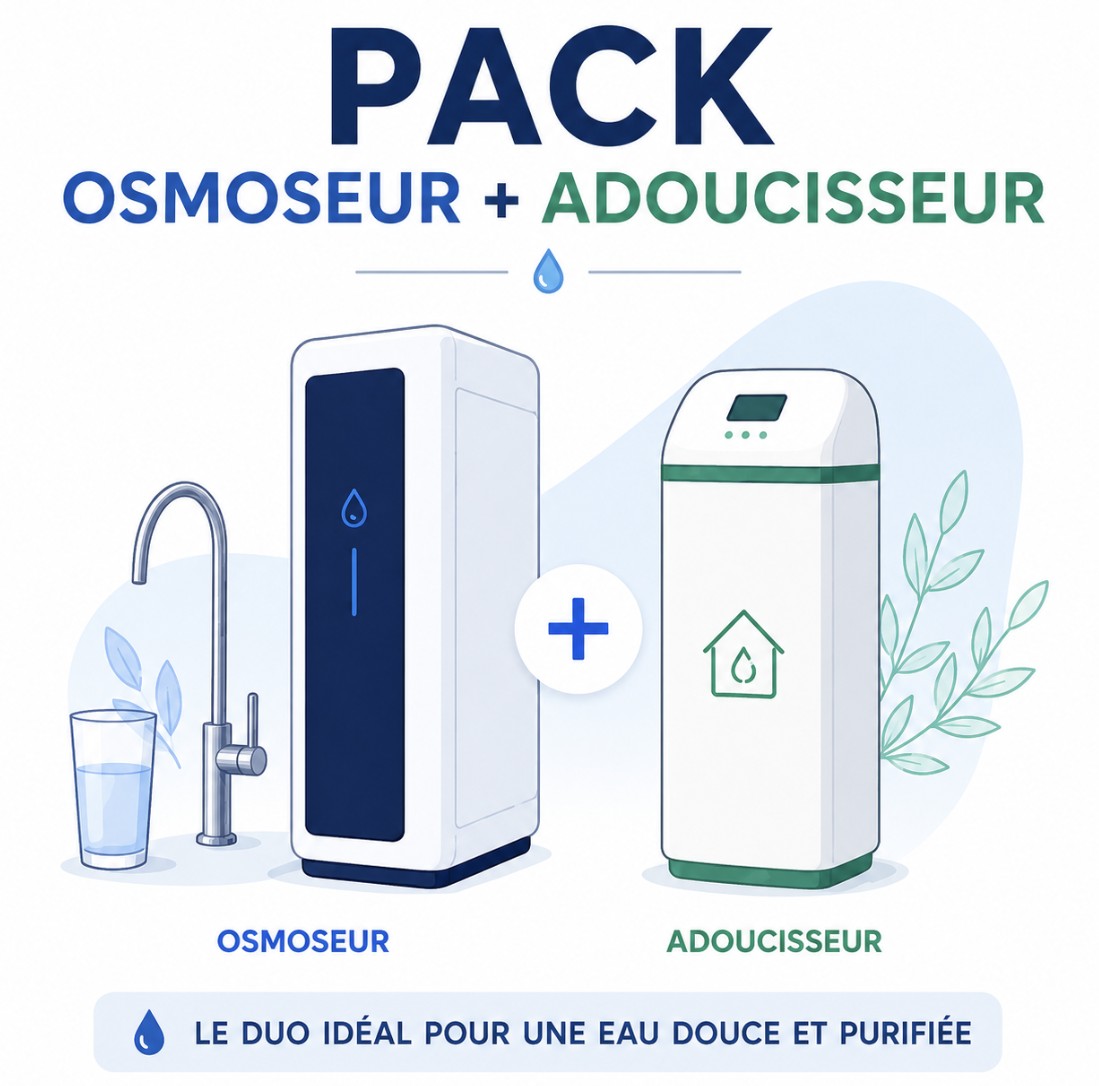
Complete protection with an RO system and a water softener.
Get 15% off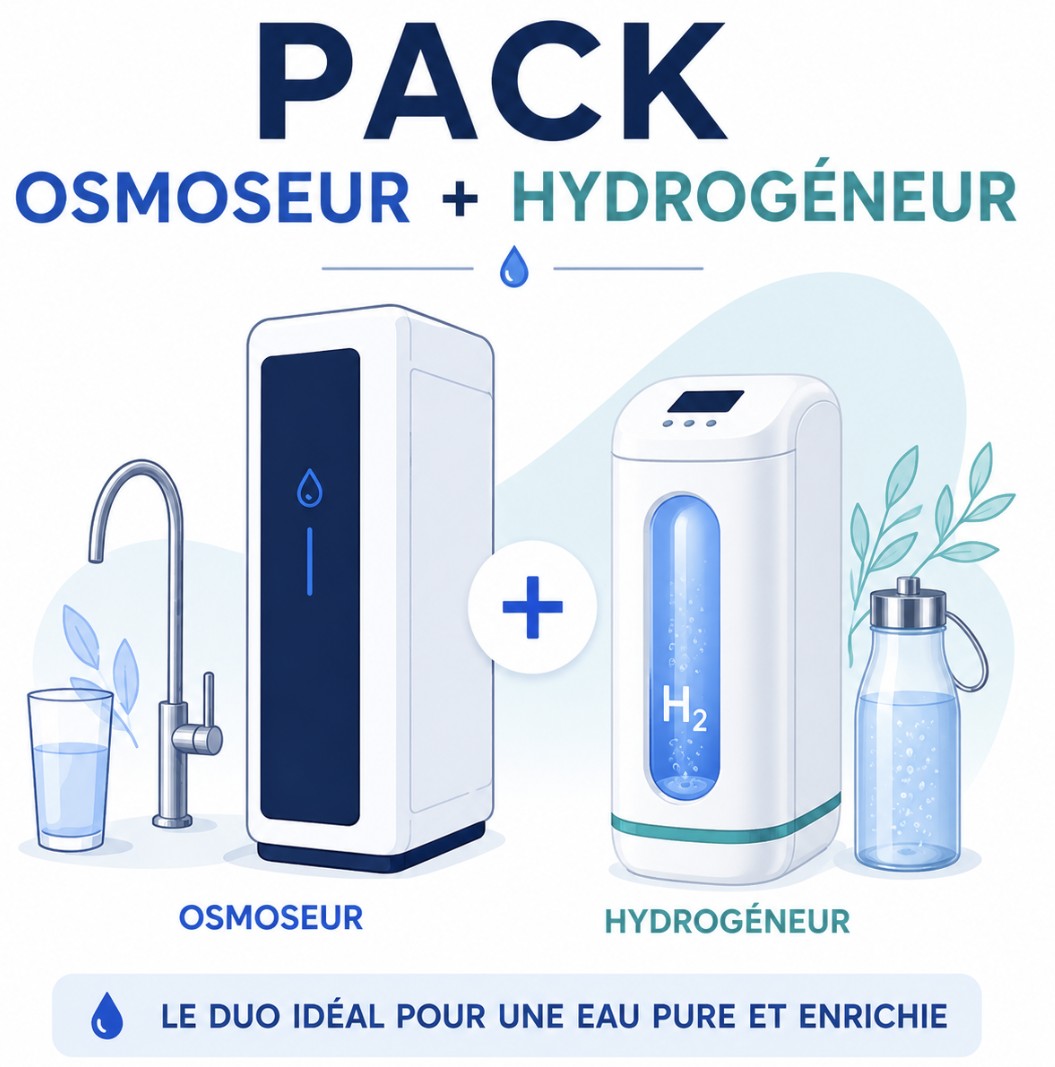
Combine reverse osmosis water and hydrogen-rich water.
Get 15% offFREE SHIPPING
On orders of €150 or more within mainland France
(home products only)
Ships within 24 hours
+33 3 66 88 17 85
Call us Monday to Friday,
9:30 am–5 pm (Paris time)!
Email: contact@josmose.fr

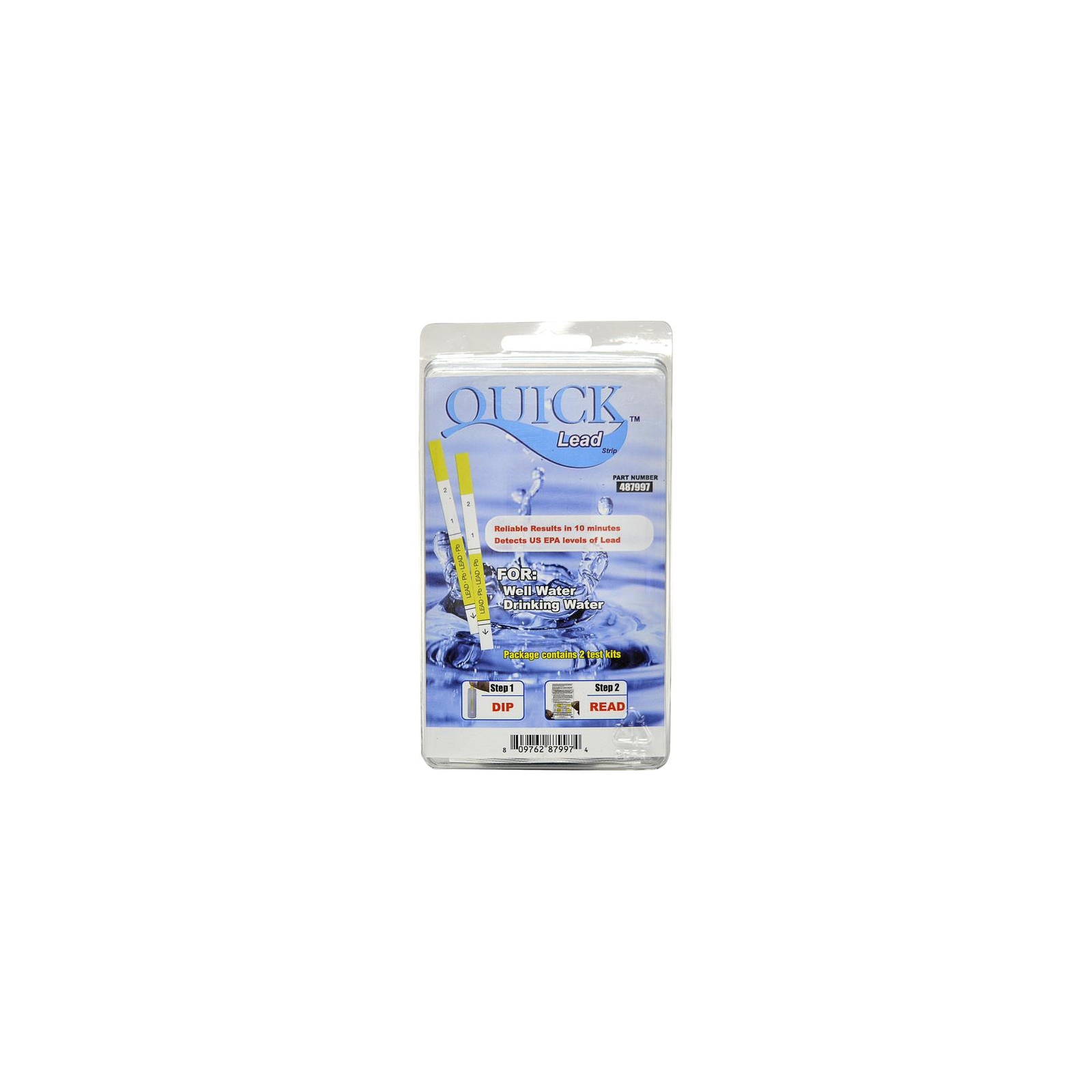
It is very easy to use:

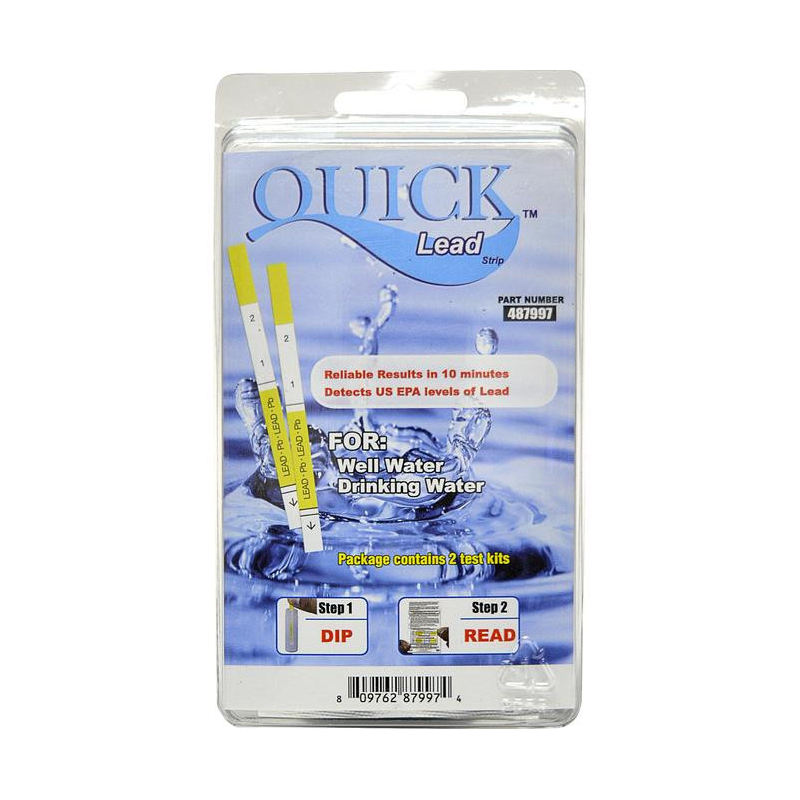
This rapid screening test kit contains 2 tests with everything you need for accurate results for dangerous lead levels. This test uses a lateral-flow test strip with technology similar to home pregnancy and ovulation tests. With reliable results in just 10 minutes, this test kit clearly indicates the presence of lead in water in accordance with the EPA guideline of 15 ppb (µg / L). The kit can test water quality from various sources, including faucets, wells (groundwater), and home purification systems.
Our partner laboratory can certainly test for lead in your water. This test is not routinely performed, so it is available only on request.
Please contact us to arrange a test for lead in your water by an accredited laboratory. We will respond with a price, turnaround time, and specific testing procedure.
Lead found in water can come from old pipes (installing lead pipes has been prohibited since 1995, but not all have been replaced, as replacement is not considered mandatory).
Lead paint can also contaminate water, as can pollution that introduces lead into rivers, springs, and wells.
However, lead exposure through water is very low compared with exposure through air (pollution from industry and exhaust fumes), food (cans with damaged lead solder), or paint, particularly among young children who ingest small pieces of lead paint in old homes.
Since December 25, 2013, the maximum standard for lead content in drinking water has been 10 micrograms per liter (10 μg/l) (25 μg/l before 2013!).
Lead poisoning is an illness caused by lead toxicity, ranging from mild to severe depending on the case. It was recognized as an occupational disease as early as 1919 and still affects the population, particularly young children living in deteriorating homes painted with lead paint.
Studies indicate thatnearly 5 % of adults and 2 % of children ages 1 to 6 may have blood lead concentrations above 100 µg/l. These alarming figures may be underestimated, as they include only detected cases.
Excess lead is very harmful to the body, affecting the nervous system, reproductive system, kidneys, bones… Lead accumulates in bones, causing high blood pressure and affecting the entire metabolism. It is particularly dangerous for young children and pregnant women, causing learning difficulties, behavioral problems, and intellectual disability. Seizures, coma, and even death can occur in the most severe cases involving very high exposure.
The WHO emphasizes that even at very low levels (10 µg/dl), lead in the blood can affect a child's IQ and development, with risks of behavioral problems and learning difficulties.
To test the amount of lead in your water, we offer a DIY chemical test here.
This article is based in part on the WHO report “ Guidelines for Drinking-water Quality ”.