



Tested and inspected RO systems for pure water at a reduced price.
See offers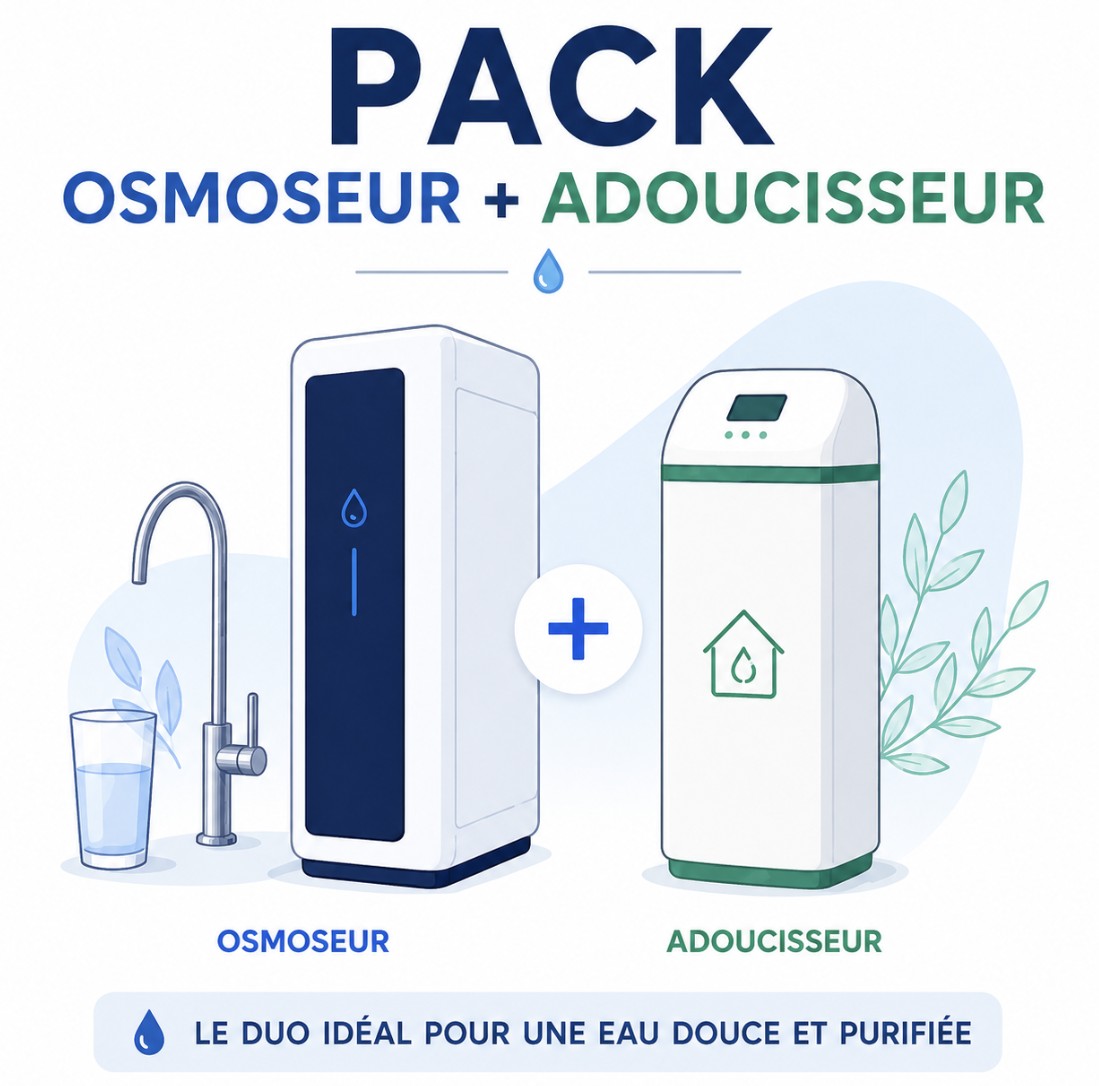
Complete protection with an RO system and a water softener.
Get 15% off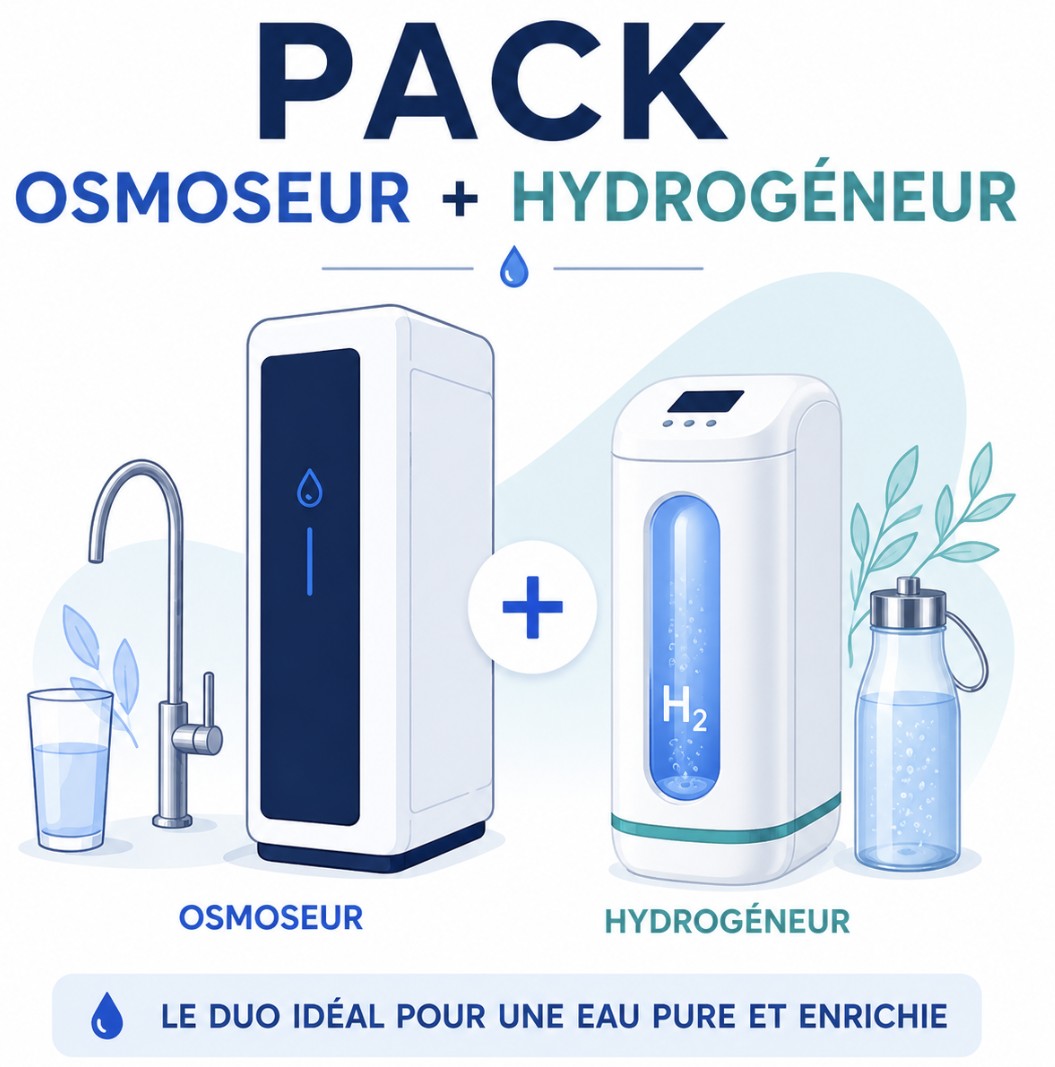
Combine reverse osmosis water and hydrogen-rich water.
Get 15% offFREE SHIPPING
On orders of €150 or more within mainland France
(home products only)
Ships within 24 hours
+33 3 66 88 17 85
Call us Monday to Friday,
9:30 am–5 pm (Paris time)!
Email: contact@josmose.fr

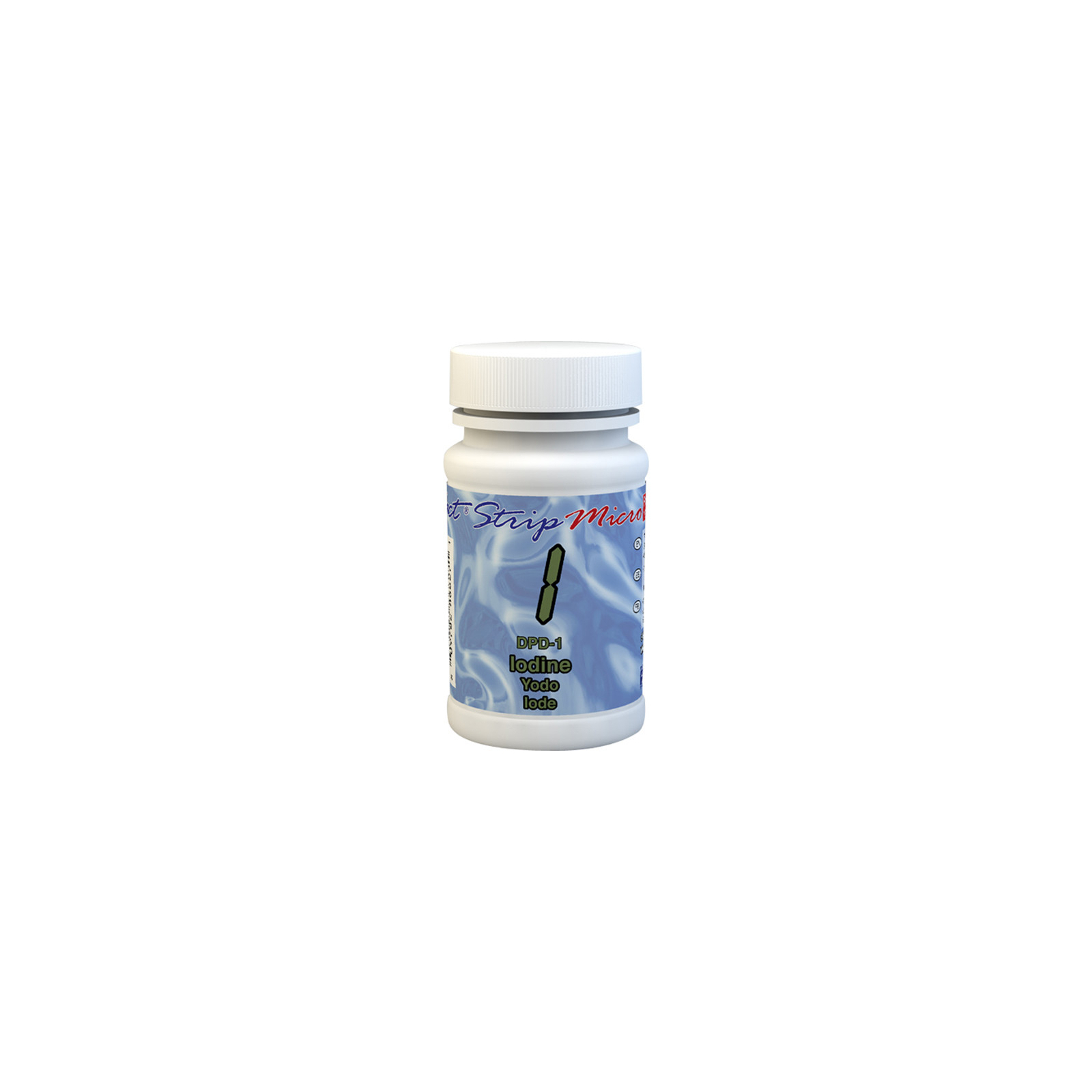
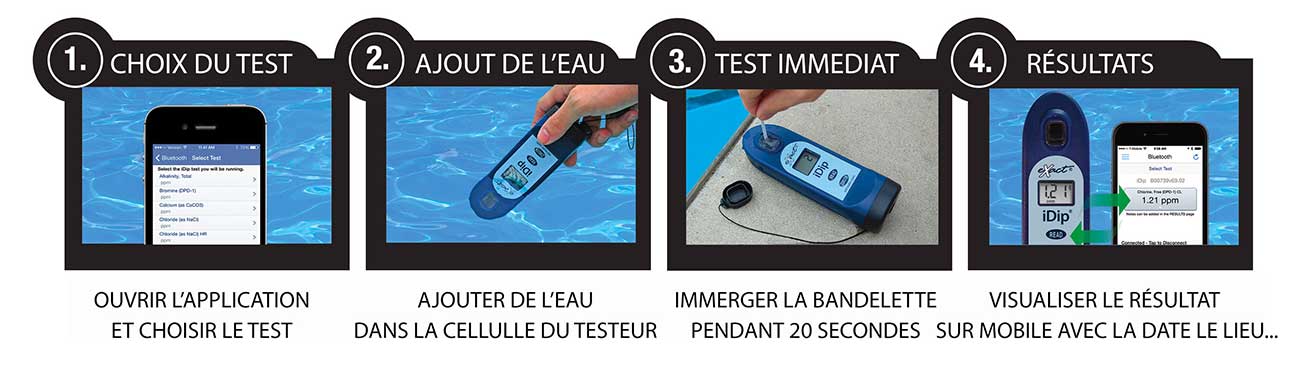
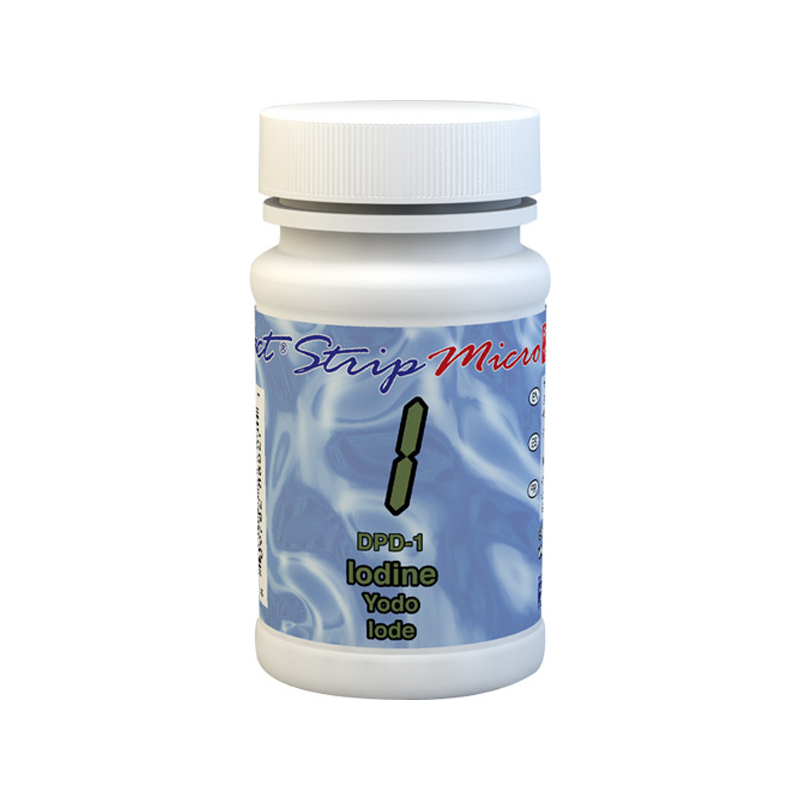
These strips let you measure the iodine level in your water using the IDIP photometer. It is very easy to use:
1. Open the app on your mobile phone and turn on the photometer.
2. Add water to the tester's designated cell
3. Place the strip in the water for 20 seconds
4. View the result directly on the photometer. The result is automatically saved on your phone.
This water testing system is fast, reliable, modern, expandable, and comprehensive. It is THE most accessible system.
Please note : this test cannot be used for water that contains sodium chloride.
Iodine occurs naturally in water as iodide. It is occasionally used to disinfect water, as well as as a contrast agent during radiological examinations or in medicine for its antiseptic and disinfectant properties.
Iodine is found in shellfish, fish, and certain seaweeds, as well as in smaller amounts in milk and dairy products or salted foods such as ham or bacon. Please note: table salt and sea salt do not contain iodine: it is added afterward!
There is no health-based guideline value for iodine due to a lack of data.
Your body needs iodine to synthesize thyroid hormones, which regulate metabolism: body temperature, growth, reproduction, blood cell production, nervous system development, and muscle function, highlighting how important it is! Many populations suffer from iodine deficiency. Adults need between 80 and 150 µg/day.
Excessive iodine intake from food and water can cause thyroid problems.
* This paragraph is based in part on the WHO report “ Guidelines for Drinking-water Quality ”.
**A guideline value is a reference value provided by the WHO.