

Tested and inspected RO systems for pure water at a reduced price.
See offers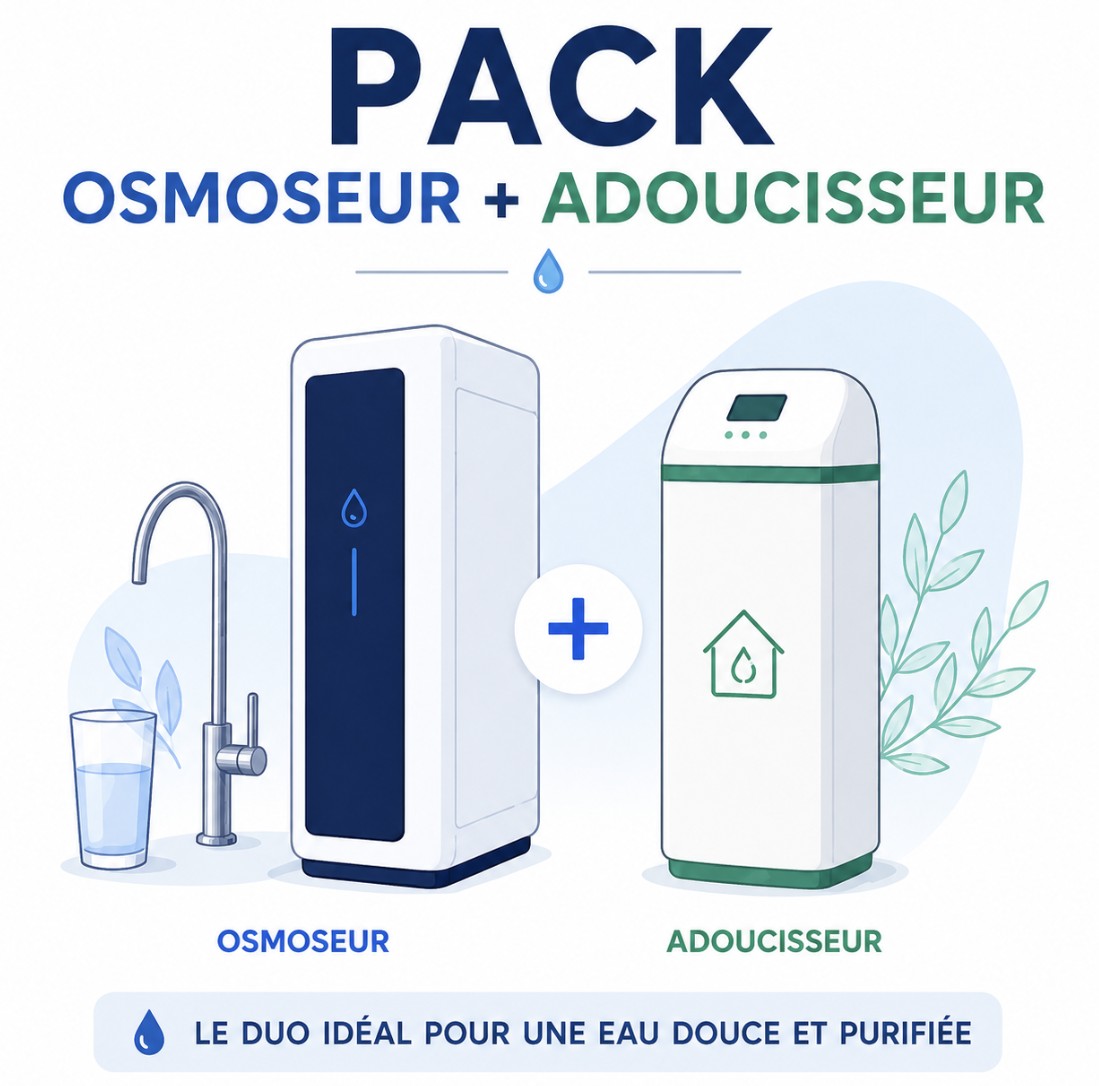
Complete protection with an RO system and a water softener.
Get 15% off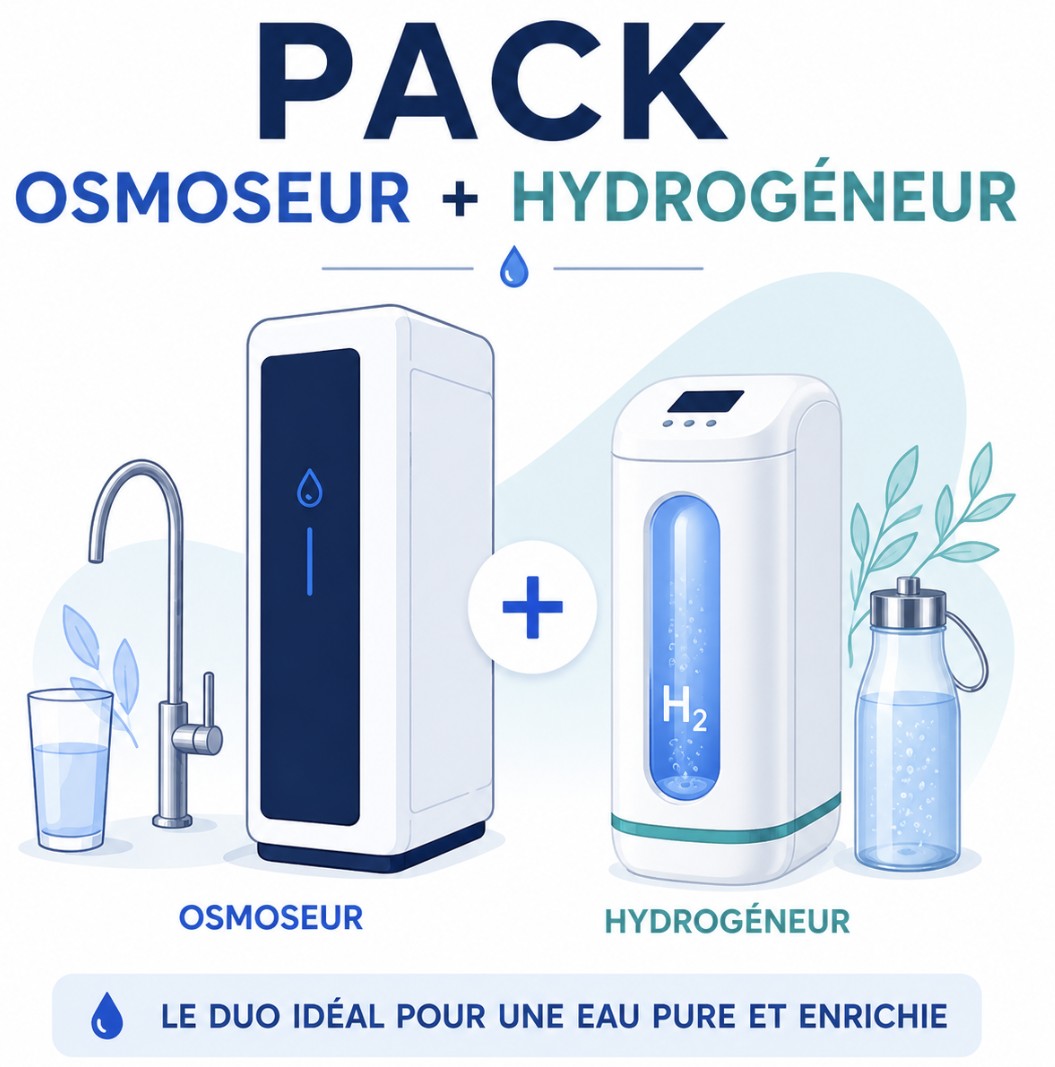
Combine reverse osmosis water and hydrogen-rich water.
Get 15% offFREE SHIPPING
On orders of €150 or more within mainland France
(home products only)
Ships within 24 hours
+33 3 66 88 17 85
Call us Monday to Friday,
9:30 am–5 pm (Paris time)!
Email: contact@josmose.fr

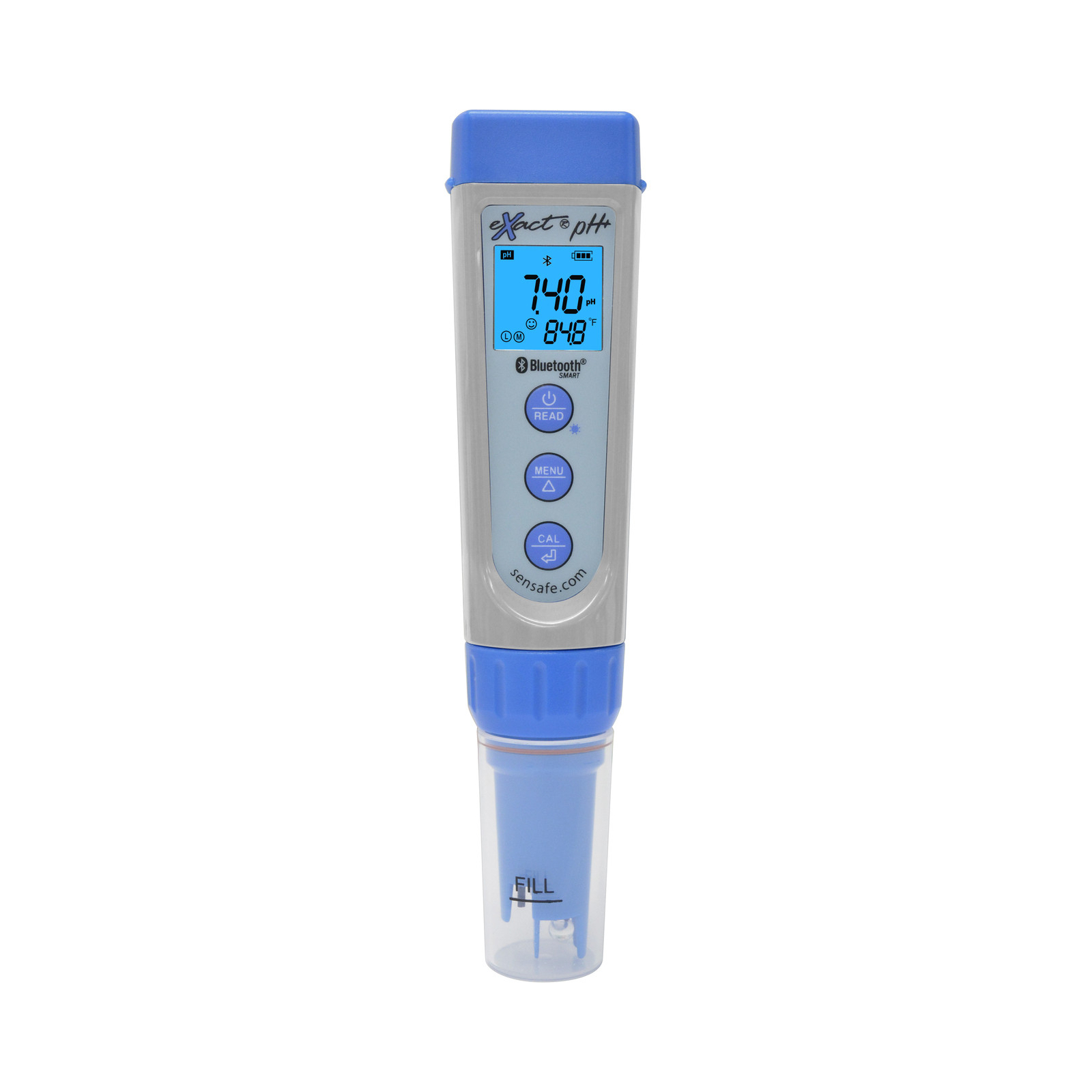
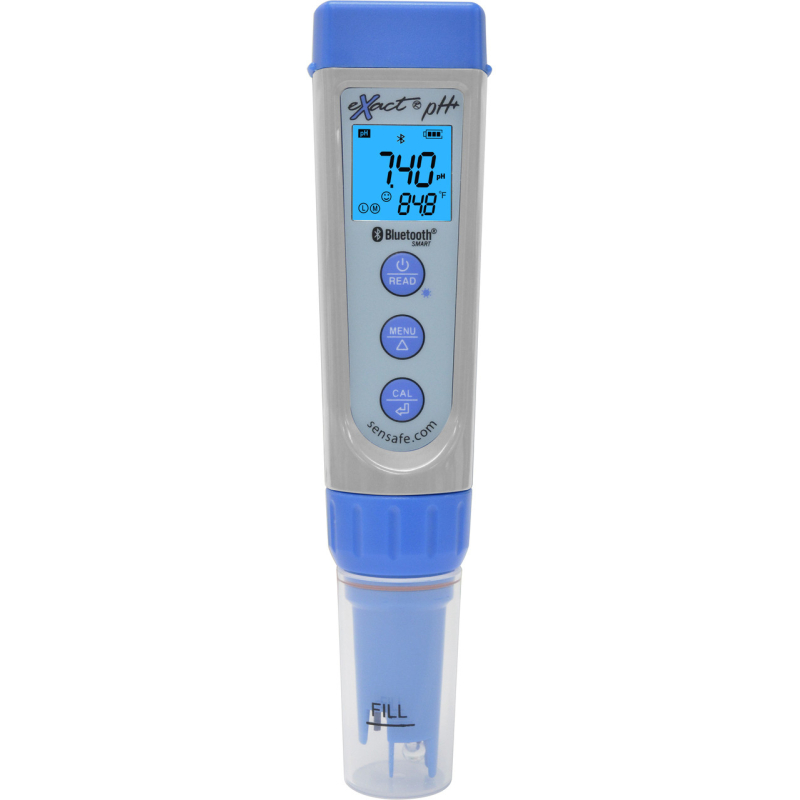
With the standalone multiparameter tester, you can measure conductivity, as well as pH, salinity, TDS, temperature, and ORP.
This tester is an innovation from the American company ITS.
It is compatible with the mobile app developed for the IDIP photometer.

In addition to the basic package, which lets you order a water analysis from our laboratory and covers shipping to and from the lab..., you can order optional tests for specific parameters.
This test measures your water's conductivity in μS/cm.
To have your water tested:
2. Order this specific test for total alkalinity
3. Receive the kit at home
4. Send it back to the testing laboratory using the return shipping label provided
5. The laboratory performs the test you ordered
5. We supplement the laboratory results with our technical recommendations
Water conductivity is the “ measurement of the concentration of inorganic salts in water based on its ability to conduct electricity ” according to the Environmental Dictionary.
Depending on where you live, the water flowing from your faucet varies, particularly in its mineral content and the treatments it undergoes before being considered safe to drink.
Conductivity helps determine the presence of minerals, as well as all the other potentially harmful ions in water: soft water, which is low in minerals, has low conductivity, while hard water, which is rich in minerals, has high conductivity.
The charged ions in water move, creating an electric current known as ionic conduction. Measuring conductivity allows these ions to be identified and classified into two distinct groups:
- Cations : calcium, magnesium, potassium, sodium, aluminum, lead, mercury…
- Anions : bicarbonates, chlorides, nitrates, sulfates, fluorides, cyanides…
Distilled water, obtained through complete vaporization, has conductivity close to 0 because 100% of its ions have been removed. Conductivity is low in natural water with a good level of purity and rises sharply with pollution and the accumulation of calcium carbonate in soil.
Typical water conductivity
| Pure water | 0.055 µS/cm |
| Distilled water | 0.5 µS/cm |
| Mountain water | 30 to 300 µS/cm |
| Tap Water | 200 to 800 µS/cm |
| Max. for drinking water | 1,055 µS/cm |
| Brine | 2 to 20 mS/cm |
| Seawater | 50 mS/cm |
Water conductivity is very easy to measure with a conductivity meter, also called a TDS tester. This tester measures conductivity and converts it to PPM (parts per million or mg/l). 1 PPM = 1 µS/cm. Ideal drinking water should have a TDS between 10 and 100 PPM.