

Tested and inspected RO systems for pure water at a reduced price.
See offers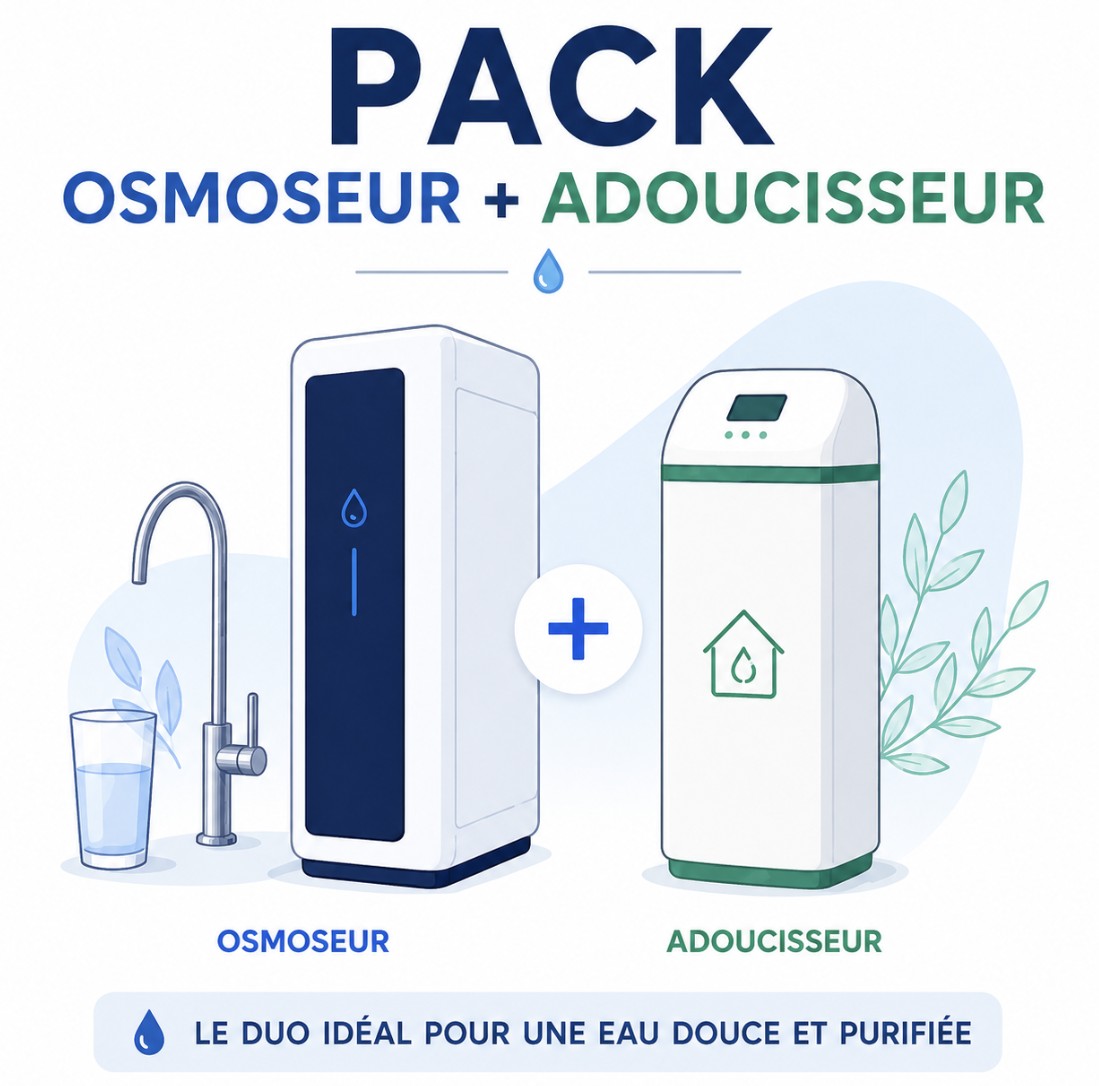
Complete protection with an RO system and a water softener.
Get 15% off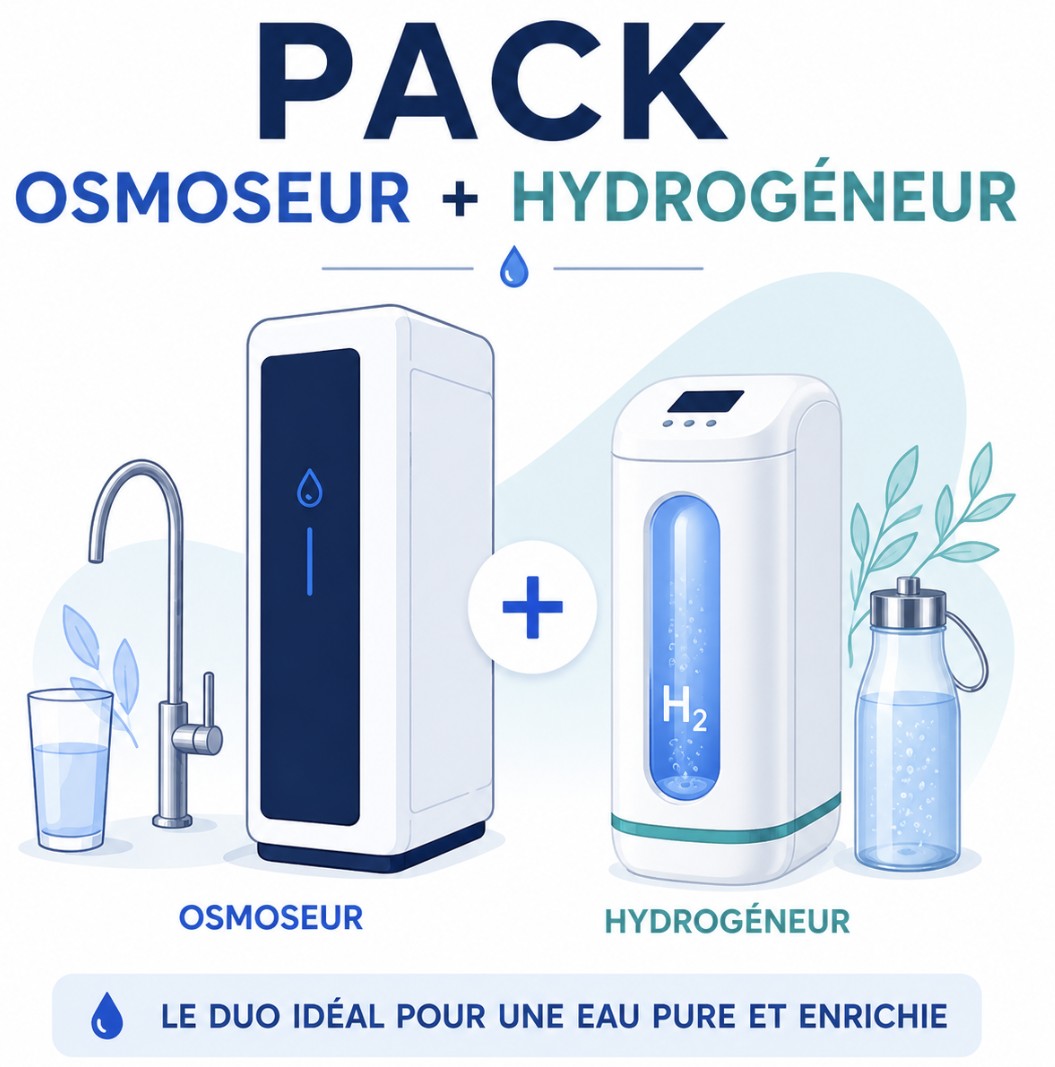
Combine reverse osmosis water and hydrogen-rich water.
Get 15% offFREE SHIPPING
On orders of €150 or more within mainland France
(home products only)
Ships within 24 hours
+33 3 66 88 17 85
Call us Monday to Friday,
9:30 am–5 pm (Paris time)!
Email: contact@josmose.fr

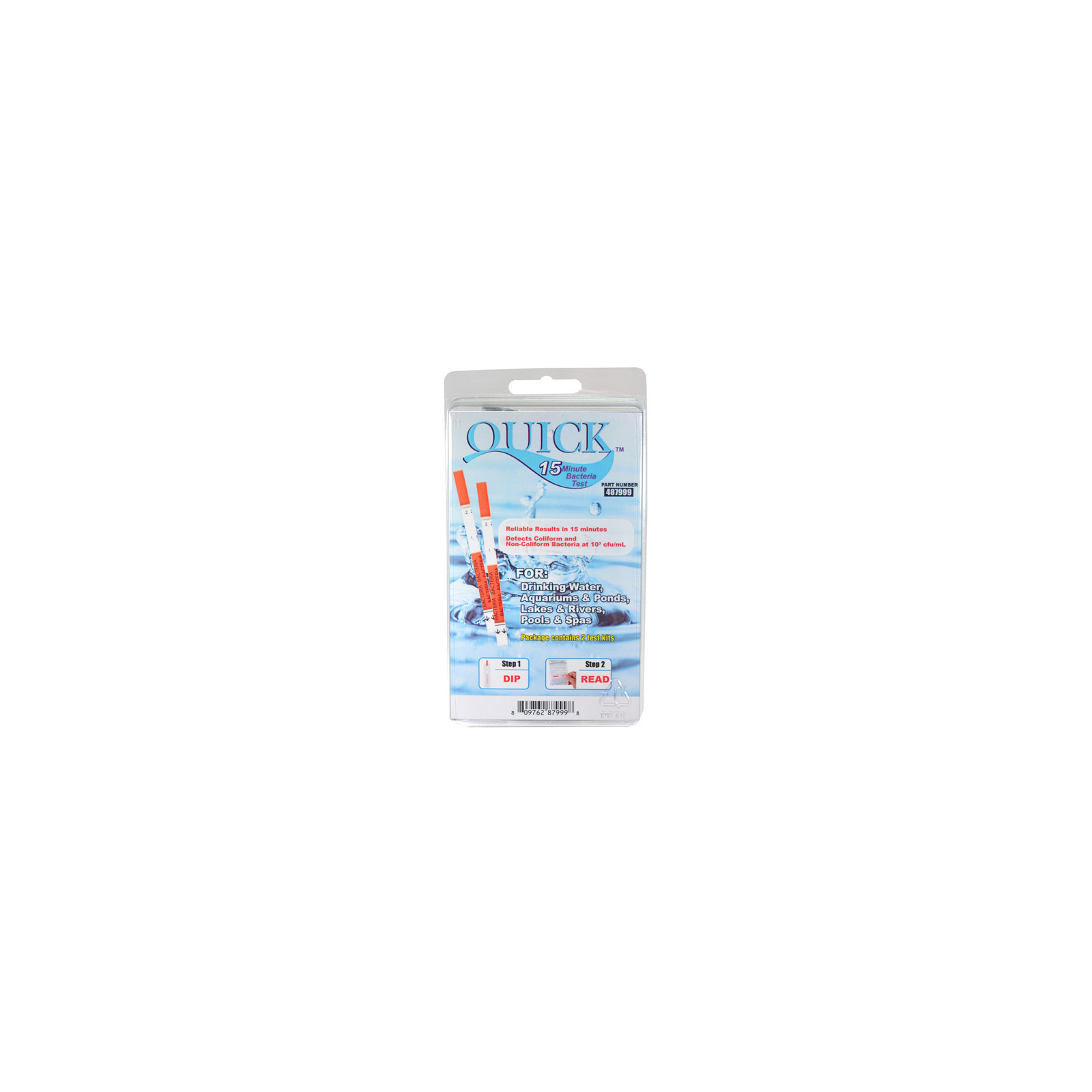
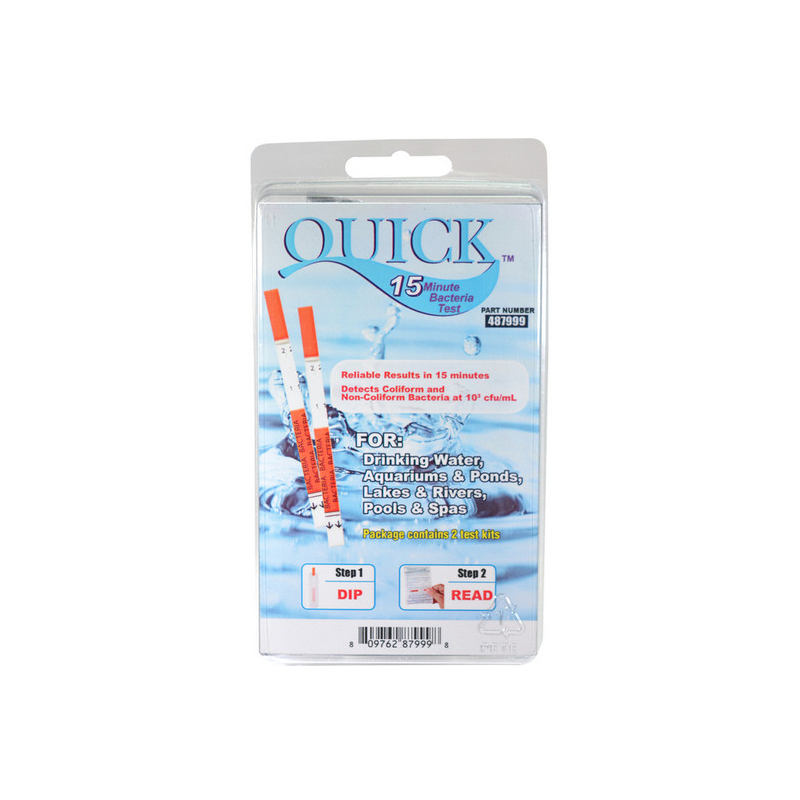
This bacteria test uses test strips. You immerse the strip for a few seconds and then check the result against a reference scale.
The innovation behind this test is that it provides a result in about fifteen minutes, while most bacteriological tests require at least 48 h.
The test is designed for spa and pool users... it does not identify the bacteria present but detects whether or not the tested water contains bacteria.
This test detects coliform and non-coliform bacteria at 10³ cfu / ml.
This kit includes 2 test strips.
Yes, bacteriological testing is one of the first tests performed by our partner laboratory. It precisely measures the following:
Explore the complete bacteriological testing package
Additional bacteriological tests are available. We invite you to explore:
Several species of bacteria are sometimes found in tap water, having survived the chlorine intended to purify the water. If your water tastes muddy or earthy, it is likely contaminated. Some bacteria are completely harmless, while others can harm your body. But it is unrealistic to think that our faucets will one day be able to dispense only pure water without any bacteria, without filtration, given the journey water must make through km of pipes and basins before reaching us.
Bacteria are frequently found in soil, vegetation or water, as well as in the intestines of animals and humans. Contamination often occurs through fecal matter, particularly with E. coli bacteria (Escherichia coli), some strains of which cause disease.
| Coliforms | 0 UFC/100 ml | (NF EN ISO 9308-1) |
| Enterococci | 0 UFC/100 ml /td> | (NF EN ISO 7899-2) |
| Escherichia coli | 0 UFC/100 ml /td> | (NF EN ISO 9308-1) |
| Aerobic microorganisms at 22°C | < 100 UFC/ml | (NF EN ISO 6222) |
| Aerobic microorganisms at 37°C | 0 UFC/100 ml /td> | (NF EN 26461-2) |
| Spores of sulfite-reducing anaerobes | 0 UFC/100 ml /td> | (NF EN 26461-2) |
There are a vast number of different bacteria, so it is impossible to list here all the effects these bacteria can have on the human body. In general, waterborne pathogenic bacteria directly infect the gastrointestinal tract and are excreted in stool.
Bacteria transmitted through contact or inhalation infect the respiratory tract, the skin, or even the brain directly in the most dangerous cases.
E. coli can be fatal for vulnerable people : babies, children and older adults who are already ill.
Article based in part on the WHO report “ Guidelines for Drinking-water Quality ”.