



Tested and inspected RO systems for pure water at a reduced price.
See offers
Complete protection with an RO system and a water softener.
Get 15% off
Combine reverse osmosis water and hydrogen-rich water.
Get 15% offFREE SHIPPING
On orders of €150 or more within mainland France
(home products only)
Ships within 24 hours
+33 3 66 88 17 85
Call us Monday to Friday,
9:30 am–5 pm (Paris time)!
Email: contact@josmose.fr

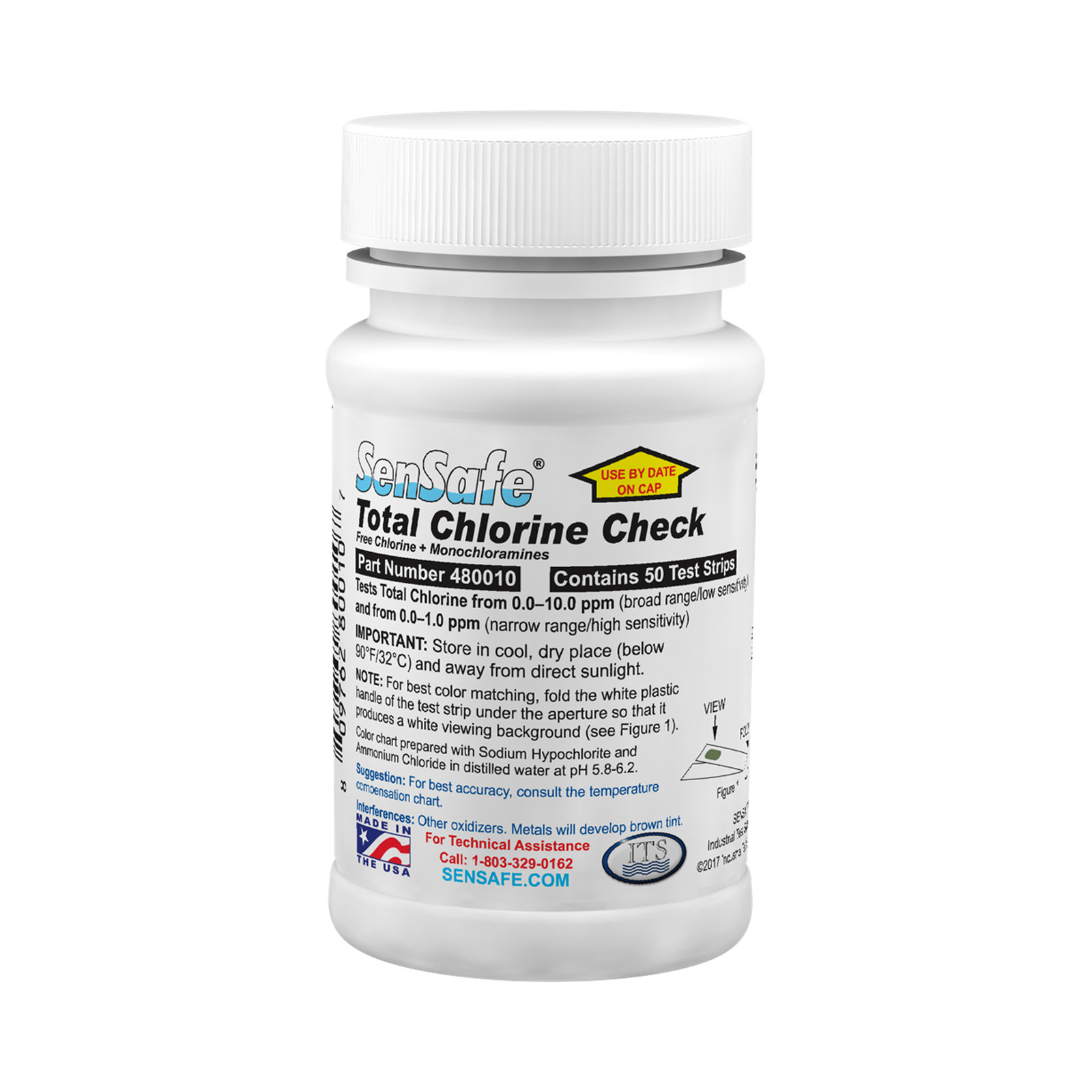
For pools and spas, there are 3 types of chlorine you can test, each serving a purpose:
In summary, testing total chlorine lets you monitor overall water disinfection, testing free chlorine ensures effective disinfection, and testing combined chlorine helps detect potential problems with overchlorination or underchlorination.
Chlorine occurs in nature as free chlorine, combined chlorine, or a combination of both.
Total chlorine = Free chlorine + Combined chlorine (chlorinated compounds formed by reactions with organic matter).
In water, chlorine occurs in 3 forms whose balance varies with pH and temperature: the hypochlorite ion (ClO-), hypochlorous acid (HClO), and the chloride ion (Cl-).
Chlorine is used as a disinfectant because it effectively eliminates a large proportion of the bacteria in water, as well as algae, parasites, and viruses.
Total chlorine is the chlorine that remains in the water, whether it is free or has reacted. The WHO has established a guideline value of 5 mg/L, based on the absence of unpleasant odors or tastes caused by chlorine.
The main routes of exposure to chlorine are drinking water and food.
Total chlorine can damage the respiratory system and lungs, and affect the skin, especially moist areas of the body (groin, armpits).
This paragraph is based in part on the WHO report “ Guidelines for Drinking-water Quality ”.
*A guideline value is a reference value provided by the WHO
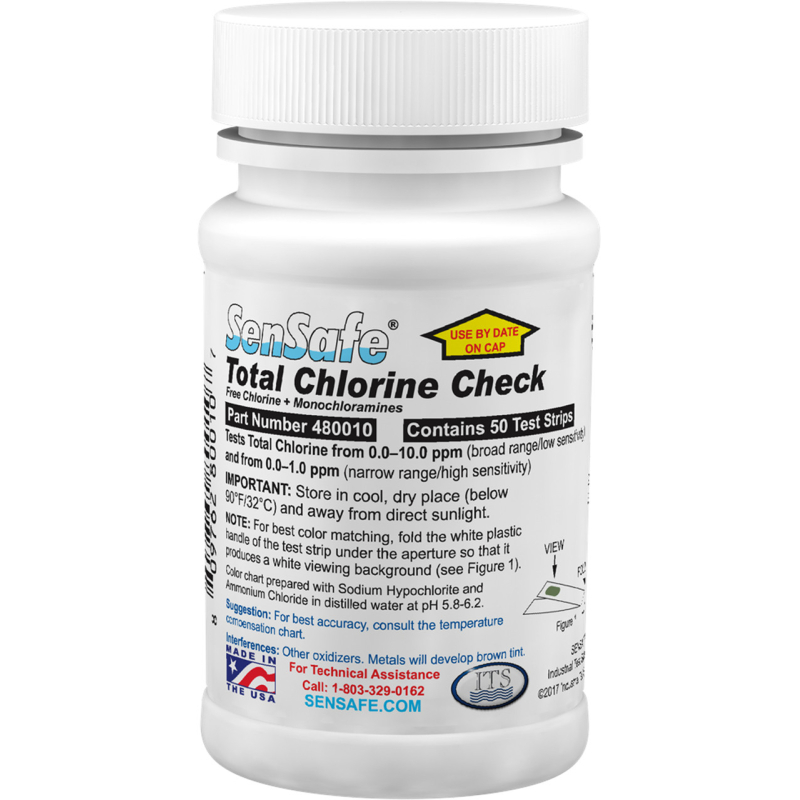
This kit includes 50 test strips with one end coated in a reagent that reacts to chlorine and changes color.
This test is very simple and offers 2 levels of measurement precision depending on the method you use.
 |
|
|
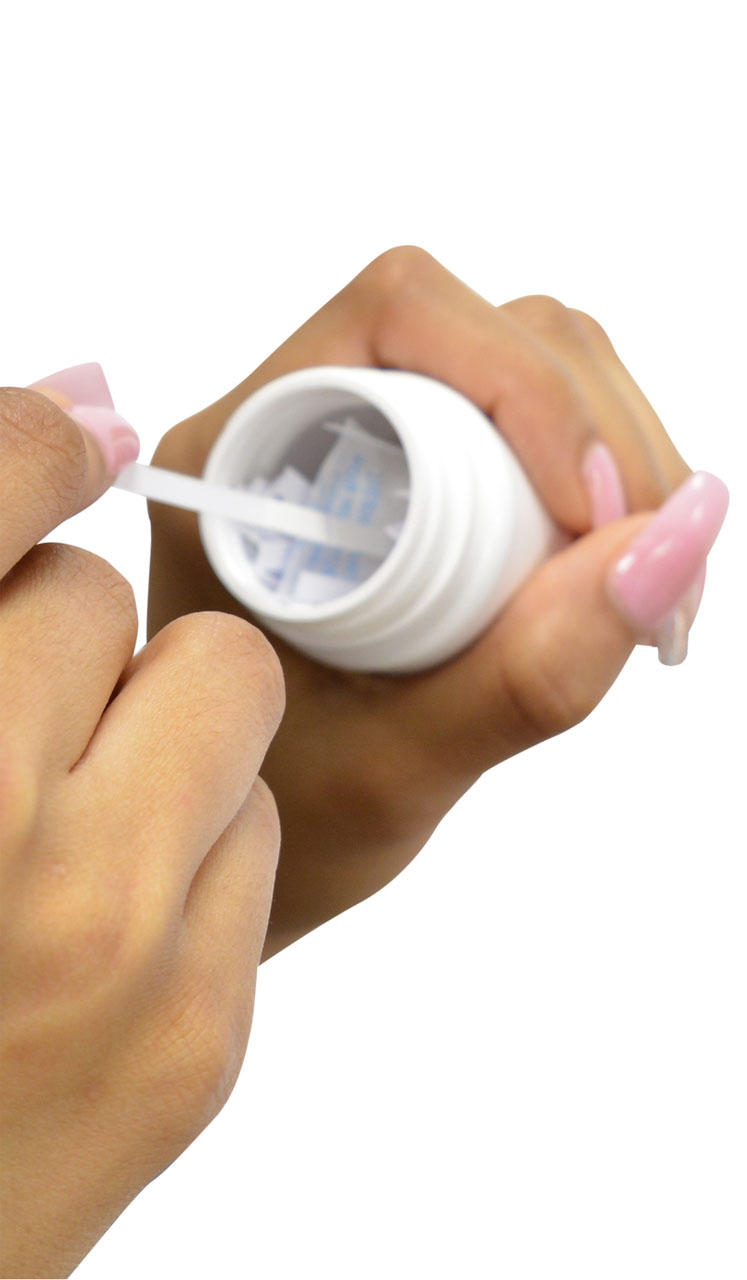
Take a test strip and dip it in the water |
After the specified time, compare the color of the test strip with the scale on the back of the container. |
The precision of the result depends on the method you use:
A photometer is an instrument used to measure the concentration of various substances in water by analyzing the light absorbed or transmitted by a water sample. In this case, the device uses the reagent on the test strips to determine the level of total chlorine in your water.
The data is precise and quick to obtain.
This kit of 100 test strips is compatible with the following photometers: eXact iDip, eXact iDip 570, eXact Micro 20, eXact Micro 10, eXact Micro 7+, Spa exact EZ, Pool eXacr EZ, Chlorine+ eXact EZ and the Chlorine eXact EZ.
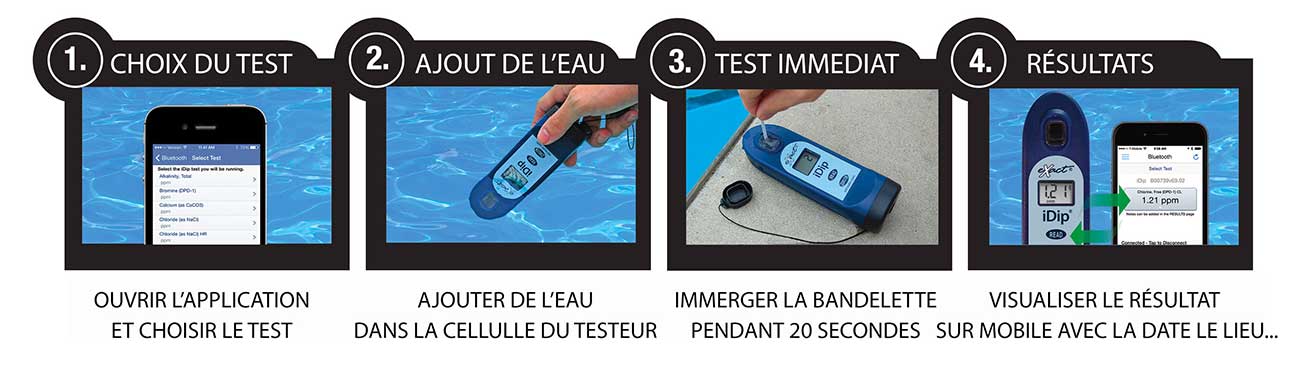
These test strips let you measure the total chlorine in your water with the IDIP photometer. It is very simple to use:
1. Open the app on your mobile phone and turn on the photometer.
2. Add water to the tester's designated cell
3. Place the test strip in the water for 20 seconds
4. View the result directly on the photometer, and the result is automatically saved to your phone.
This water testing system is fast, reliable, modern, expandable, and comprehensive, making it THE most accessible system.
 |
Remove a test strip from the container before starting the test. Leave it in a dry, easily accessible place, and close the container immediately. |
 |
Turn on the photometer by pressing the ON/ZERO button. The screen will show all indicators, then the selected menu, then the most recent results. |
 |
Press the SELECT button repeatedly to choose the group: the total chlorine test belongs to group 1, 3, or 6. Then press the MENU button repeatedly to select the test parameter: CL. (You can find all this information in a table in the user manual supplied with the device. |
 |
Rinse the test cell at least 3 times with the water you will be testing (to reduce the risk of cross-contamination from your previous test). Finally, fill the small cell completely with the water to be tested. |
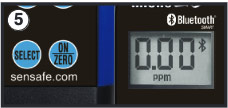 |
Press the ON/ZERO button. The cursor will move across the screen before it displays 0.00PM. This indicates that the sample is ready to be tested. |
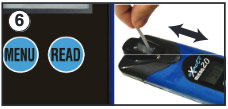 |
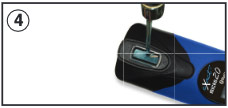
Dip the appropriate test strip into the small cell, and immediately press the READ button. This will start a 20-second countdown. During the countdown, gently move the test strip back and forth (about 1 back-and-forth movement per second). As soon as the "1" disappears from the screen, remove the test strip. |
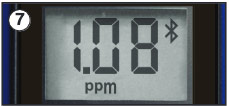 |
The cursor will move across the screen while the photometer prepares the test results. Note the value displayed for the parameter. This value is automatically saved in the MENU, and if you use the exact iDip app, the results will be saved in its "RESULTS" section. After the test, rinse the cell and clean it with the small brush. |
You can have your water tested in a laboratory to get a complete, detailed analysis of what it contains. To do this, you need to purchase a basic laboratory analysis, then add, for example, an add-on to test total chlorine.
