

Tested and inspected RO systems for pure water at a reduced price.
See offers
Complete protection with an RO system and a water softener.
Get 15% off
Combine reverse osmosis water and hydrogen-rich water.
Get 15% offFREE SHIPPING
On orders of €150 or more within mainland France
(home products only)
Ships within 24 hours
+33 3 66 88 17 85
Call us Monday to Friday,
9:30 am–5 pm (Paris time)!
Email: contact@josmose.fr

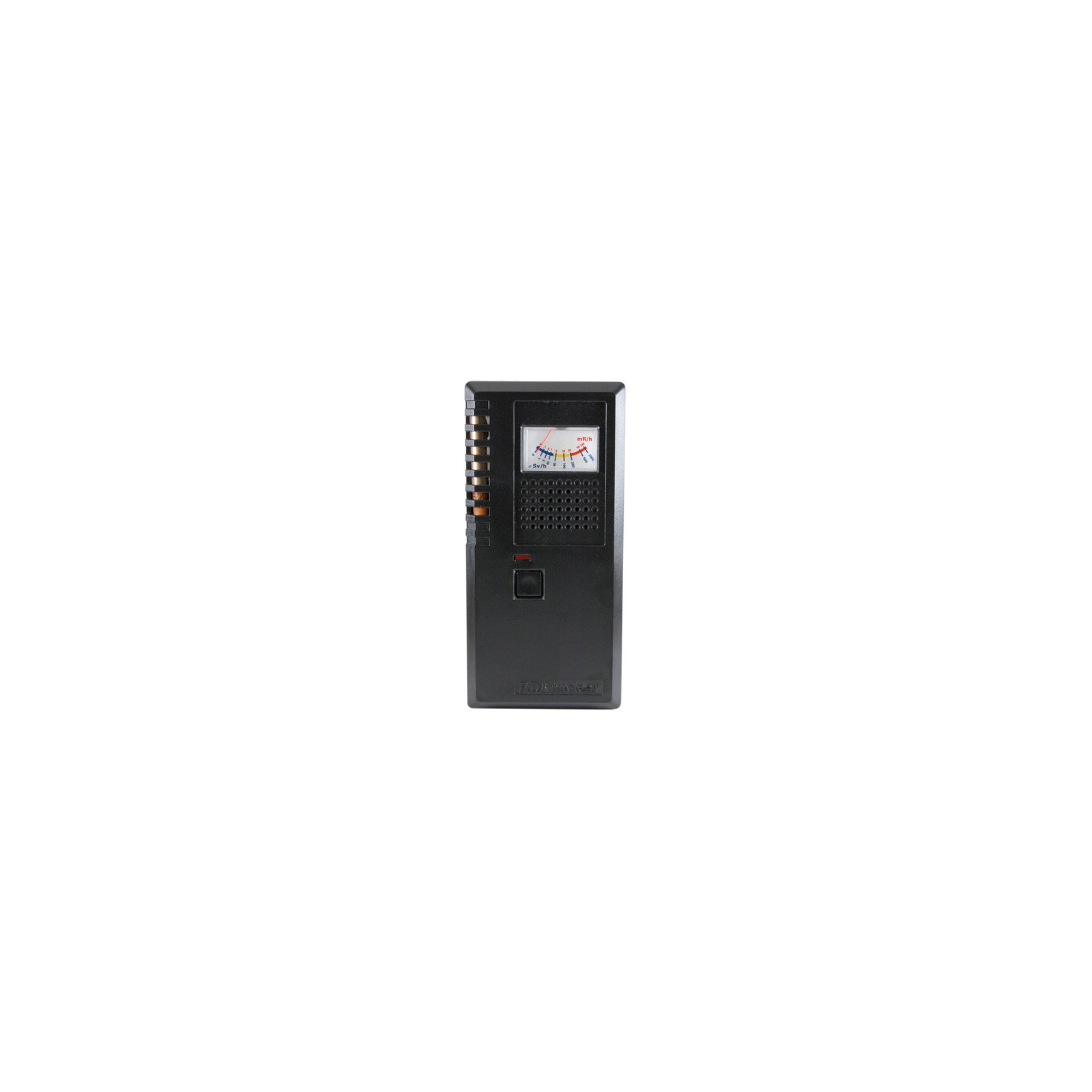
A study on The Radiological Quality of Tap Water in France, published in 2011, identifies natural radioactivity in water that comes from the terrain and rocks it passes through, as well as the water's intrinsic chemical properties and the solubility of the radionuclides it encounters along the way.
In general, mineral waters are found to be more radioactive than surface waters. Groundwater may contain radon, a radioactive gas.
These may be supplemented by non-natural sources of radioactivity, meaning those caused by human pollution : radiation from industries (particularly radiation therapy), military nuclear tests, or accidents such as Chernobyl or Fukushima.
According to the WHO report, “ except in extreme circumstances, the radiation dose resulting from ingesting radionuclides in drinking water is much lower than the dose from other sources of radiation. ”
An individual dose criterion (IDC) of 0.1 mSv/year has been established (regardless of the origin of the radionuclides), as it is considered to represent a very low level of health risk.
However, this is only an indicative parameter.
According to UNSCEAR (United Nations Scientific Committee on the Effects of Atomic Radiation), the worldwide average annual dose per person from all environmental radiation is approximately 3.0 mSv/year
Of this total
- 80 % comes from natural sources (2.4 mSv)
- 19.6 % (0.6 mSv) comes from medical use
- 0.4 % (approximately 0.01 mSv) comes from other (human) sources (2008 figures)
These figures vary greatly depending on where you live and your lifestyle.
An increased risk of cancer in humans is observed at doses above 100 mSv.
This article is based in part on the WHO report “ Guidelines for Drinking-water Quality ”.