
-
-
-
Refurbished RO systems
Tested and inspected RO systems for pure water at a reduced price.
See offersRO system + water softener pack
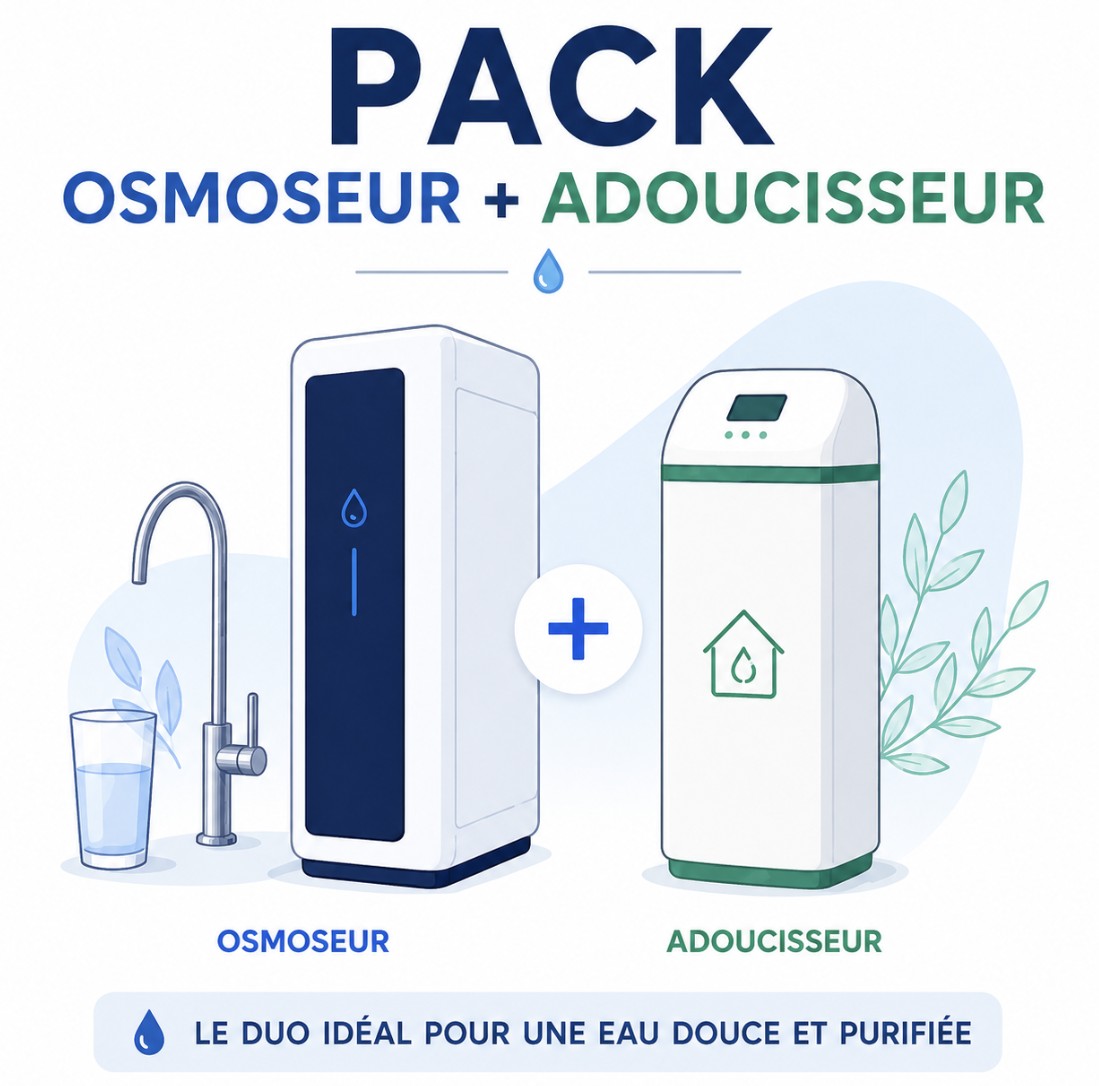
Complete protection with an RO system and a water softener.
Get 15% offRO system + hydrogen water generator pack
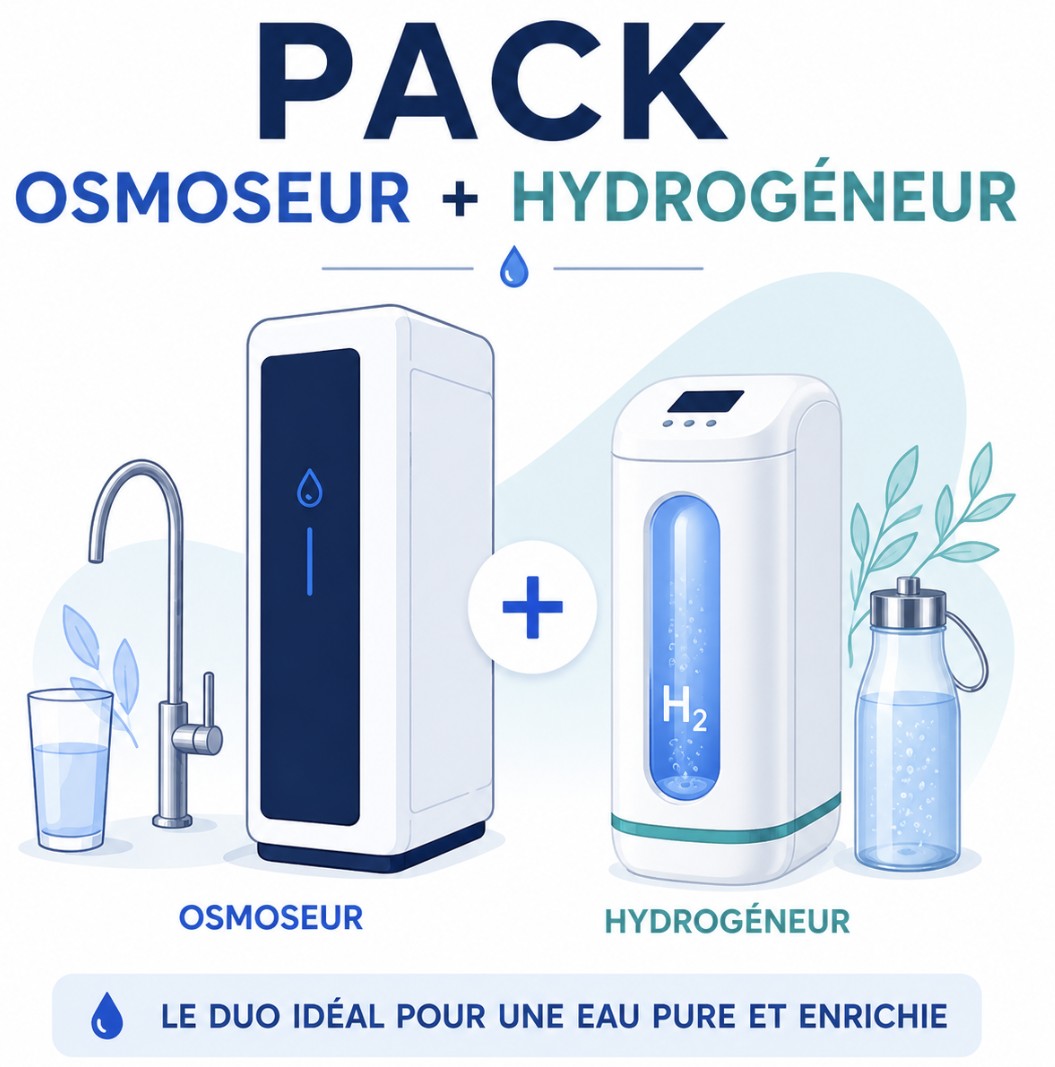
Combine reverse osmosis water and hydrogen-rich water.
Get 15% off
-
-

FREE SHIPPING
On orders of €150 or more within mainland France
(home products only)
Ships within 24 hours
+33 3 66 88 17 85
Call us Monday to Friday,
9:30 am–5 pm (Paris time)!
Email: contact@josmose.fr



Water Softeners
-
Salt-Free Water Softeners
Salt-Free Water Softener: An Alternative to the Traditional System
Compact solutions to limit the effects of limescale
Want to reduce the effects of limescale without installing a traditional salt-based water softener?
Josmose offers several salt-free softening solutions for people looking for a more compact system that is easy to install and requires little maintenance.
These units help limit scale buildup in pipes and appliances without salt regeneration.
Why Choose a Salt-Free Water Softener?
- No bags of salt to store
- Generally more compact installation
- Little or no maintenance, depending on the technology
- A suitable solution for limiting scale buildup
Compact and economical
SCALEX
The SCALEX is a salt-free system designed to reduce the effects of water hardness.
It acts on limescale crystals to limit their growth, clumping, and deposition in equipment.
Ideal for: locally protecting a washing machine or water heater with a compact, easy-to-install, economical system.
Electromagnetic solution
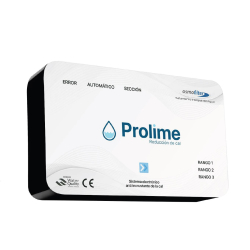
DeCal
The DeCal is a hard water treatment solution that works without salt and without chemical additives.
A coil placed around the pipe generates an electromagnetic field designed to change the behavior of calcium and magnesium carbonates in order to limit their crystallization into scale.
Ideal for: those looking for a compact device that needs neither salt nor regeneration.
At a glance
SCALEX
Compact · economical · local protection of appliancesDeCal
Electromagnetic · salt-free · pipe treatmentNot Sure Which Solution to Choose?
Read our guide to choose the water softener suited to your water and your installation.
Read the buying guideAlso need to filter your drinking water?
Discover our range of reverse osmosis systems. -
Budget Water Softeners
Budget Water Softeners
Reduce limescale without blowing your budget
Among the various anti-scale solutions, the salt-based water softener remains one of the most effective ways to reduce water hardness.
Very hard water can encourage deposits in pipes, clog household appliances, and make daily cleaning more demanding.
At Josmose, we offer a range of budget water softeners to make softened water accessible to more households.
Low prices: by cutting out middlemen and working directly with manufacturers, our range of water softeners starts at around €500.
Compact and affordable
OJA Laurel
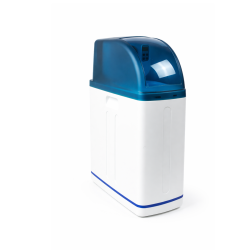
The OJA Laurel is one of the most compact and affordable metered water softeners in our range.
Available in several resin volumes, it can suit anything from a couple to a larger family.
Ideal if: you are looking for a compact, simple, and affordable water softener for moderate household consumption.
For family needs
OJA Hardy
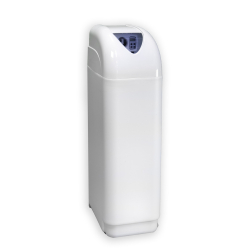
The OJA Hardy offers the advantages of the budget range with a higher treatment capacity.
It is particularly suited to the needs of a family of 4 or more people, depending on the resin volume chosen and the hardness of your water.
Ideal if: you are looking for an affordable model able to handle higher family consumption.
Why choose an OJA water softener?
- Easy installation, depending on your setup
- Compact size for easy integration
- Reliable valve and simple operation
- Easy salt refilling
At a glance
OJA Laurel
Compact · budget-friendly · moderate needsOJA Hardy
Larger capacity · family useWhich water softener size should you choose?
Check our guide based on your water hardness, the number of people, and your consumption.
Read the water softener buying guideAlso need to filter your drinking water?
Also discover our range of RO systems on Josmose.fr. -
Premium Water Softeners
Why Choose a Premium Water Softener?
Reliability · performance · durability
A premium water softener is an investment built to last. Over the years, it lets you enjoy soft water while greatly reducing the hardness of your water.
These models also feature higher-quality components and can include various equipment designed to improve their operation and ease of use.
Equipment designed for comfort
Depending on the model, several options can complete your installation:
- Mixing valve to adjust the residual hardness of the water
- Pre-filtration to protect the installation
- Premium components for better reliability
Do You Have a Reverse Osmosis System?
Why not pair it with a water softener?
Good to know: if your water is particularly hard, installing a water softener upstream helps limit exposure to limescale and can help extend the life of your reverse osmosis system.
Quality Valves and Resins
Components selected for their reliability
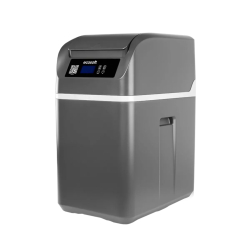
Clack water softeners are equipped with quality components for increased reliability.
They feature Clack valves, a leading American brand in water treatment.
Longevity
Ecomix Resin
We also supply these water softeners with an Ecomix resin with a service life of more than 10 years. Greater longevity means fewer service calls and simpler maintenance of your installation.
How Do You Maintain a Water Softener?
Find our tips for preserving the performance and longevity of your installation.
View the maintenance guide -
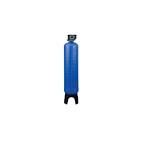
Professional Water Softeners
Do you need large volumes of soft water?
High-flow water softeners for professional and industrial use
Think big with our high-flow water softeners, available with resin volumes ranging from 50 to 1,300 liters.
They can meet the needs of a small workshop or laboratory as well as those of a food processing plant, a hospital, or a large hotel.
Why use an industrial water softener?
Reducing water hardness on a large scale
An industrial water softener replaces the calcium and magnesium ions responsible for hardness with sodium ions. The treated water therefore has significantly reduced hardness.
This treatment helps limit limescale deposits in boilers, piping networks, and equipment that use large quantities of water.
Upstream of an RO system: softening can also help protect the membranes of an RO system when the feed water is very hard.
A few applications
- Boiler rooms and boilers
- Food and beverage
- Hospitality and restaurants
- Laboratories and healthcare facilities
- Pre-treatment before reverse osmosis
Discover our full range
Compare capacities and configurations based on your flow rate and the volume of water to be treated.
View the full range of water softenersWhat types of professional water softeners are there?
Single or duplex depending on your operating constraints
Standard configuration
Single water softener
It operates much like a home water softener, but with a much larger resin volume and flow rate to treat large quantities of water.
Uninterrupted
Duplex water softener
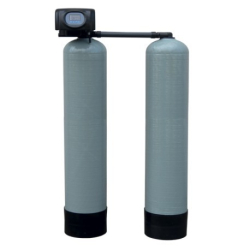
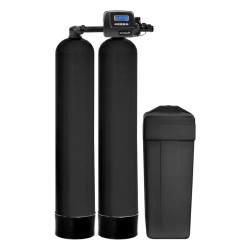
Our Duplex water softeners combine two columns to ensure continuous treatment.
Principle: while one column treats the water, the other can carry out its regeneration. The system is particularly well suited to needs requiring a continuous supply of softened water.
At a glance
Single
Large volume · standard operationDuplex
Two columns · continuous, uninterrupted treatmentNeed help sizing your installation?
Read our guide or contact us for a customized professional configuration.
Read the water softener buying guide -
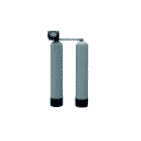
Duplex Water Softeners
Very High-Flow Duplex Water Softener with No Interruption
Two tanks for a continuous supply of softened water
There are two main types of professional water softeners: single-tank softeners and Duplex softeners.
Duplex models combine two resin tanks to treat hard water continuously, even during regeneration cycles.
How Does a Duplex Water Softener Work?
Single-tank high-flow softeners work on the same principle as a household model, but with a much larger volume of resin.
On a professional Duplex water softener, when the first resin tank goes into regeneration, the second automatically takes over to continue softening the water.
The main advantage: a supply of softened water with no interruption, especially valuable for professional and industrial installations that run continuously.
Why Use a Duplex Water Softener?
Continuous service and treatment of large volumes
A water softener reduces the effects of limescale and can help limit scale buildup in equipment, the need for cleaning products, and certain efficiency losses caused by deposits.
- Continuous treatment even during regeneration
- Suited to high flow rates
- Suitable for installations running 24/7
- Fewer interruptions for resin maintenance
Different Duplex Water Softener Models
Duplex systems are available in several capacities and configurations to match the volume of water to be treated.
Example configuration
Fleck Duplex Water Softener
Check out our Fleck Duplex water softener, available in different capacities to meet demanding professional needs.
Need a Duplex Water Softener?
Discover our selection of Duplex systems suited to professional and industrial installations.
View Duplex water softeners -
Water Softener Accessories
Maintaining your water softener properly
Accessories, replacement parts and maintenance products
The performance of your water softener depends directly on how well it is maintained.
Maintaining your water softener properly helps preserve its lifespan, its efficiency and the operating quality of the installation.
Everyday Accessories
Installation, protection and maintenance
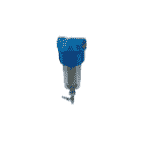
Pre-filters
Pre-filters protect your installation from particles in the water and preserve the water softener components.
Hoses and connections
Find the parts you need to make installing and connecting your water softener easier.
Replacement parts
In case of breakdown or wear, some parts can be replaced without having to replace your entire unit.
The Water Softener Bypass
The water softener bypass isolates the water softener from the main supply, for example during maintenance or a breakdown, while keeping the household water supply running.
Valve and Resin: Two Essential Components
The main parts of your water softener
Control
Electromechanical valve
The electromechanical valve controls how the water softener operates and lets you optimize its settings and regeneration cycles.
Treatment media
Replacement resin
The resin can be replaced when it reaches the end of its life, extending the use of your water softener without replacing the entire unit.
Need a New Water Softener?
Discover our complete range of water softening solutions.
View our water softener rangeWhich Water Softener Accessories Do We Offer?
Josmose offers a variety of water softener accessories designed to complete, maintain or repair your installation.
- Replacement resins
- Bypass
- CO₂ cylinders
- Valves and control parts
- Maintenance products and connection accessories
-
Water Softener Extended Warranty
-
Refurbished Water Softeners
What is a refurbished water softener?
A refurbished water softener is a piece of equipment that was previously used and has been restored to like-new condition for reuse. The refurbished water softeners we offer have been carefully checked and tested to guarantee they work perfectly. At josmose.fr, we offer several ranges of water softeners.
The benefits of refurbished water softeners
One of the most obvious benefits of buying a refurbished water softener is the considerably lower cost compared with buying new equipment. Refurbished water softeners are an economical alternative that can save you a significant amount of money.
Another advantage is that refurbished water softeners are environmentally friendly. By reusing existing equipment, we reduce the volume of waste and thus help protect the environment.
The quality of our refurbished water softeners
We make sure that our refurbished water softeners are of the highest possible quality. We have a team of qualified experts who inspect, test and restore each water softener before it is put on sale. We also provide a warranty on all our refurbished water softeners so that our customers can be sure of the quality of their equipment.
-

CO₂ Water Softeners
The Eco-Friendly CO₂ Water Softener
An alternative to traditional salt-based treatment
Our ever-stronger commitment to the environment has led us to offer you a range of CO₂ water softeners.
This technology is an attractive alternative to traditional systems and has the particular advantage of working without adding salt to the water.
Salt-free
No salt discharge
Unlike a salt-based water softener, CO₂ treatment does not require regeneration with salt and therefore avoids the salt discharge associated with that technology.
Treatment
Food-grade CO₂ as the input
The system uses food-grade CO₂ to act on the limescale in the water, without adding sodium as a conventional ion-exchange resin water softener does.
Two models to suit your needs
Home or professional use
1-inch version
Suited mainly to home use.
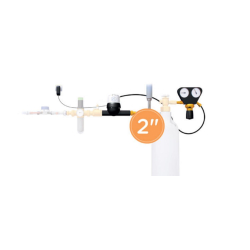
2-inch version
Intended for professional or industrial use.
Available options: soundproof enclosure, empty-cylinder detector or pressure regulator, depending on the model.
How does a CO₂ water softener work?
A different action from that of a salt-based water softener
A CO₂ treatment system injects carbon dioxide into the water. On contact with water, it forms carbonic acid.
Its action on limescale
This reaction converts some of the carbonates responsible for limescale deposits into more soluble bicarbonates, in order to limit scale formation in pipes and equipment.
Unlike a conventional salt-based water softener, this process therefore does not work by ion exchange and does not replace calcium and magnesium with sodium.
Pros and cons of CO₂ water softeners
What to know before choosing
✓ Advantages
- Salt-free: no salt consumption or salt discharge from regeneration cycles.
- Limited maintenance: operation mainly requires monitoring and replacing the CO₂ cylinder.
- Scale protection: the treatment aims to limit limescale deposits in pipes and equipment.
- Water composition: the process does not replace calcium and magnesium with sodium.
Things to consider
- Initial cost: the investment may be higher than for some traditional solutions.
- CO₂ supply: the cylinder must be replaced when it is empty.
- Adjustment: the CO₂ dosage must be properly matched to the characteristics of the water.
- pH: CO₂ injection can affect the pH of the water, which must be taken into account when setting up the installation.
Need to compare solutions?
Also discover our traditional water softeners and our water purification solutions.
See our water softeners Discover our RO systems -
Water Softener Consumables
All our water softener consumables
Resins, maintenance products and CO₂ refills
To maintain your water softener and preserve its performance, certain consumables must be replaced or renewed over time.
Josmose offers a range of products suited to the maintenance and operation of your water treatment systems: replacement resins, cleaning consumables and CO₂ refills.
The main consumables available
Maintenance, replacement and regeneration
Citric acid 30 g
This consumable can be used for certain cleaning and maintenance operations on water treatment equipment, in particular following the manufacturer's recommendations.
Replacement resin for hardness reducer
These filter cartridges contain a resin designed to limit the effects of water hardness and protect certain equipment against scaling.
See replacement resins →Cationic softening resin – 25 L bag
This resin works by ion exchange: the calcium and magnesium ions responsible for hardness are replaced by sodium ions. Its exchange capacity is restored during regeneration cycles with a brine solution.
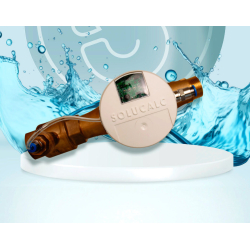
CO₂ cylinder for SoluCalc
SoluCalc systems use food-grade CO₂ to limit limescale deposits in pipes and equipment.
Discover CO₂ water softeners →When should the resin be replaced?
Service life depends on the type of resin, the quality of the water, the frequency of regeneration and how the installation is used. Follow the recommendations of your water softener's manufacturer.
CO₂ refills for your installation
Keep your SoluCalc system running
For CO₂ systems, the cylinder must be replaced or refilled when it is empty.
We offer solutions compatible with the CO₂ water softeners in the Josmose range.
Maintain your water softener for the long term
Find the resins, maintenance products and consumables suited to your installation.
See our range of water softeners
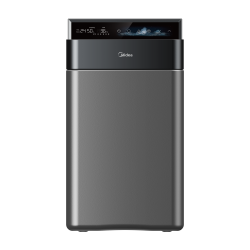
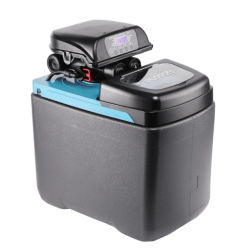
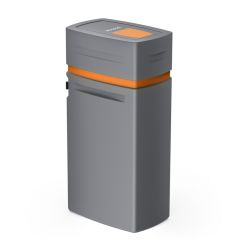
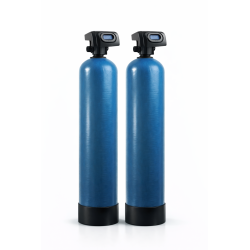
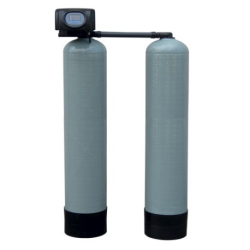
How to choose the right water softener
Find the system suited to your water and your installation
Water hardness, flow rate, size, technology, or budget: several criteria help you choose a water softener that fits your needs.
Need help choosing?
Read our guide to identify the water softener suited to your home.
Guide: which water softener is right for you?Why install a water softener?
Reduce the effects of limescale
In regions where the water is very hard, such as parts of northern France or the Île-de-France area, limescale can speed up the fouling of equipment and, in particular, shorten the life of the membrane in a reverse osmosis system.
The solution: install a water softener upstream to reduce hardness and limit limescale deposits.
Water softener and RO system: two complementary roles
Soft water for the home, RO water for drinking
A water softener mainly acts on water hardness. For drinking water, it can be worthwhile to complete the installation with an RO system to get filtered water at the point of use.
Combining the two systems gives you softened water throughout the home and RO water for consumption.
Softer water for your comfort and your appliances
Limit limescale buildup every day
Everyday comfort
Softer water can improve comfort in the shower and bath and reduce the tight, dry feeling on your skin after contact with very hard water.
Appliance protection
Reducing limescale also limits deposits on faucets, showers, water heaters, washing machines, and coffee makers and makes them easier to maintain.
Water softeners for every need
Choose according to your budget and installation
Salt-free water softeners
For a simple installation with no salt regeneration, discover our salt-free solutions.
Budget water softeners
To keep to your budget, browse our range of budget water softeners.
Premium water softeners
For more performance and features, discover our premium water softeners.
Professional and duplex
For high flow rates and professional or industrial installations, see our professional water softeners and our duplex systems.
CO₂ water softeners
You can also discover our CO₂ solutions.
Need to maintain your installation?
Find our water softener accessories.
Want to learn more?
Read our guide to understand the available technologies and choose your water softener.
View the water softener guideWhat are the different types of water softeners?
There are several ways to soften your water, including “conventional” water softeners with ion-exchange resin and salt regeneration. There are also electromagnetic systems and SCALEX, an innovative solution that is easy to install.
- Salt-based water softener
|
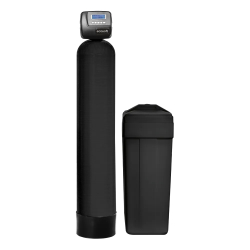
The most common water softening solution, and therefore the one for which we offer the widest selection, is the salt-based water softener. This system is the most effective because it eliminates 100% of limescale (or less, but only if you want it to) for large volumes of water, with a reasonable amount of wastewater. In fact, the water discharged during ion-exchange resin regeneration accounts for less than 10% of the total volume of water consumed. It is also a very economical solution because the investment in a salt-based water softener is around 1,000 euros (from 500 to 1,200 euros depending on capacity on our website), and salt consumption is low: allow for one 25kg bag of salt every 2 to 3 months for a family of 4, or less than 50 euros per year. It is the most common water softening system, thanks to its effectiveness and relatively simple maintenance. The operation of this salt-based water softener relies on the principle of ion exchange. Magnesium and calcium ions are known to be responsible for limescale formation. Water containing calcium and magnesium ions passes through an ion-exchange resin that replaces them with sodium ions. The water leaving the water softener is therefore softened. Next, water containing sodium ions (hence the name salt-based water softener) passes through the resin again to recharge it so it can treat hard water once more. This step is called regeneration. We offer a wide range of salt-based water softeners. Follow our guide to find the one that best suits your needs. |
 |
- Electromagnetic water softener, also called an "electrolysis water softener"
|
There are electromagnetic systems that do not remove limescale but prevent it from forming. How do they work? These systems attach around your home's main water supply pipe. The system emits electronic pulses to create an electromagnetic field. This field alters the crystalline structure of calcium and magnesium, making it impossible for them to combine and therefore form limescale. This system requires no maintenance and uses neither salt nor chemicals to treat water. It also costs two to three times less than a “conventional” water softener. Discover DeCal, our electromagnetic solution for limescale. The only downside is that once the ions come into contact with air, they return to their original form and can form limescale. Put simply, with this system you will no longer have limescale problems in your pipes, but white marks will still appear on your sink. More information about the electrolysis water softener |
 |
- SCALEX resin system
|
Finally, the SCALEX system reduces water hardness to protect your water heater or another household appliance. It is installed directly upstream of the appliance you want to protect from limescale. Its operating principle can be summarized in 3 steps: - It stops limescale crystals from growing. A special component in the resin prevents ions from clumping together. - It destroys crystals that have already formed by breaking them into smaller pieces. - It prevents crystals from bonding together by coating them. Best of all, this device costs between €30 and €50! It is easy to install in just a few minutes and can filter up to 20,000 L of water before the resin needs to be replaced. |
 |
- CO2 water softener
|
We offer two models: a 1-inch version for home use and a 2-inch model for professional or industrial use. Each model offers options such as a soundproof cover, an empty-cylinder detector, or a pressure regulator.
A CO2 water softener (or carbon dioxide water softener) is a water treatment system that uses carbon dioxide to reduce water hardness. Water hardness is generally caused by the presence of minerals such as calcium and magnesium in the water. CO2 water softeners are becoming increasingly popular because they are considered a more environmentally friendly and sustainable method of softening water, as they do not use harmful chemicals like some other water softeners. What are the advantages and disadvantages of CO2 water softeners?
They are environmentally friendly because they do not discharge salt into the environment, and economical because they require little maintenance. Your tap water remains perfectly safe to drink, unlike when using a salt-based water softener. Finally, refills and maintenance are very inexpensive. |
4 good reasons to install a water softener
1. Rediscover the feel of water on your skin
 |
Hard water and limescale dry out your skin. If you have hard water at home, you may have gotten used to it, but rediscovering soft water will give you a real sense of well-being. The water leaves your skin and hair feeling soft... Try it and you will love it! |
2. Protect your appliances and plumbing system
 |
Limescale damages everything, especially household appliances that use water: washing machines, dishwashers, kettles... Of course, your entire plumbing system and faucets are affected too. Installing a water softener is the best way to protect your appliances and pipes from the limescale problem that affects the vast majority of mainland France. |
3. Save on household cleaning products
 |
Limescale in water chemically prevents water and soap from reacting. As a result, you use 4 to 6 times more soap for cleaning. And what is true for soap is also true for dishwasher detergent, laundry detergent, bleach... And of course, with a water softener, you no longer need to buy fabric softener! |
4. Save energy
 |
Finally, heating hard water uses significantly more energy than heating soft water. Try heating tap water and softened or RO water, and see which boils faster with equal volumes. You will be surprised. This small experiment will quickly show you the significant energy loss associated with heating hard water! |
Pre-filtration: yes or no?
The most delicate part of a water softener is undoubtedly the control head, through which all incoming and outgoing water flows. This head is sensitive to impurities such as dust, sand, and other suspended solids larger than 5 microns. To help your installation last, we strongly recommend adding a protective pre-filter if you do not already have one. This pre-filter is also a mandatory requirement under our warranty policy.
How do you size and choose your salt-based water softener?
Click the link below and follow our guide!
Guide: which water softener is right for you?
- Estimate your daily water needs.
Simply take your bills for the year, add up the billed water volumes, and divide by the number of days you were at home. For reference, average water consumption in France is around 150 liters per day per person.
- Decide on the ideal water volume between regenerations for your situation.
For example, I live with my partner, so I use about 300 liters of water per day. If my goal is to regenerate my water softener's resin every 7 days on average, I get 2,100 liters.
- Measure your water hardness.
Test strips and liquid tests are available at any home improvement store. A liquid test costs a few euros more than a strip test, but it is much more accurate. You can also ask your local town hall or look online. Below you will find a map of average water hardness by department in France.
- Calculate how much resin you need using the following formula:
Resin volume = Water volume between regenerations x hardness (°fH) / 6,000.
For example, if my water hardness is 30 °fH (French degrees), I calculate 2,100 x 30 / 6,000 = 7.5L of resin, so I can easily choose a 7L model. If my water hardness were 40 °fH, I would get a result of 10L, right between 7 and 14L. In this case, I can either choose to regenerate my resin more often (every 5 days) and go with a 7L model, or decide to oversize my installation, since it is better to have too much capacity than too little, and go with a 14L model. The choice is yours.
Maintenance and warranty for your water softener
Maintaining our water softeners is very simple. Everything is explained on the Maintaining your water softener page. We also encourage you to check your water hardness regularly; ideally, it should remain between 5 and 10 °fH.
The equipment warranty is 2 years and can be extended to 5 years if you purchase the 5-year warranty or choose to have us install your water softener.
Do you offer a premium 2-in-1 water softener that filters out more than limescale?
For those who have an iron problem in addition to limescale, which is very common in certain areas of France, we sell a premium water softener that does more than remove calcium and magnesium ions from water:
This water softener offers 2 additional benefits compared with our standard models:
 - Clack valve: Clack is an American valve brand reputed to be the best in the world, much more reliable over time and easier to program than a Fleck valve. I would like to take this opportunity to explain that we do not sell Fleck valves at Oja because this type of valve requires a lot of maintenance, and we do not want our customers to have to call a professional every year to repair recurring failures.
 - New-generation Ecomix resin: Ecomix resin, patented by Ecosoft, a BWT subsidiary, is imported from Germany and offers a major advantage over all other ion-exchange resins on the market: it also removes iron, manganese, ammonium, and organic particles responsible for unpleasant odors.
Discover our 2-in-1 water softener
How does water softening affect your health?
Please be aware that drinking large quantities of water softened by a salt-based water softener is not recommended. This water contains a large amount of sodium bicarbonate, a type of salt that you cannot taste but that has effects on your long-term health similar to those of sodium chloride.
A full article has been written on the subject:
Why should you avoid drinking softened water?
Introducing the RO System
A reverse osmosis system is THE most effective water filtration system available. It is mainly used for drinking water, but it can also serve as a water softener because a reverse osmosis membrane removes all impurities from water thanks to its 0.0001-micron pores. Only water passes through! You get water that is not only soft but completely purified and ideal for drinking, with a dry residue between 10 and 50 mg/L depending on the region of France where you live. Installation does not require a professional: simply shut off the water temporarily and screw a few supplied fittings directly onto your sink's cold water supply. A video tutorial is also available on each product page.
The advantages of an RO system for softening water
- Pure water ideal for drinking
- Easy under-sink installation
The disadvantages of an RO system for softening water
- Wastewater: a reverse osmosis system discharges between 35 and 65% of the water it treats, depending on the model. This is because filtration is so fine that, without wastewater discharge, the filters would become saturated very quickly. It is therefore a trade-off between water purity, wastewater, and filter consumption.
- Low flow rate: the system produces only a few liters per hour (from 12 L/h for small tank-based models to 150 L/h for the largest models). This flow rate is more than enough for drinking and cooking, but too low for bathroom use.
We therefore recommend combining a salt-based or electrolysis water softener to soften water throughout your home with an RO system in the kitchen for ideal drinking water.
What is an electrolysis water softener?
On our website, we offer an even less expensive alternative to the salt-based water softener: the electromagnetic water softener.
This device is also installed where water enters your plumbing system and only needs an electrical outlet to operate. It mounts on a wall using the supplied screws, and electrical wires are wrapped around your pipes and transmit an electromagnetic current that forces magnesium and calcium ions to repel each other, preventing them from crystallizing to form limescale. This protects your water heater and pipes over the long term for a very reasonable investment.
This system has both advantages and one disadvantage.
The advantages of an electrolysis water softener
- Price: barely 400 euros to protect your water heater and pipes over the long term is practically a giveaway!
- Environmental benefits: an electromagnetic water softener uses very little electricity, does not discharge water, and does not need salt to operate.
- Installation: all you need is an electrical outlet and a very small space to install this system.
The disadvantage of an electrolysis water softener
- Effectiveness: water electrolysis is an unstable phenomenon that quickly reverses on contact with air. It therefore cannot protect certain household appliances or your skin because limescale is not removed, only temporarily neutralized. As a result, it is difficult to observe the effects of an electrolysis water softener in the short term. You will only notice them after several years, when you do not have to replace your hot water tank or pipes as you used to do every 10 years before installing this equipment.
Discover our electrolysis water softener
Can you install a water softener yourself?
For connections, a water softener only needs 4 things:
- A cold water inlet
- A cold water outlet
- A drain for ion-exchange resin regeneration
- An electrical outlet to power the metered control valve (except for manual water softeners)
If the inlet and outlet are already present in your plumbing system (particularly if an old water softener or pre-filter was previously installed where water enters your home), simply screw the flexible hoses supplied with your water softener onto the inlet and outlet. Arrows indicate the connection direction on each of our water softeners.
The drain tubing simply needs to be inserted into a drain, so all you need to do is drill a hole in the PVC pipe with a basic drill/driver, matching the tubing diameter (usually 9mm). We recommend not drilling a hole wider than the tubing so it stays securely inside the drain. There is some pressure during resin regeneration. You can then set the metered control valve in one minute by following the steps described in the following article:
Video: install your water softener yourself
Set your metered control valve
Water softener for a washing machine
If you want to remove limescale at a specific point, only for your washing machine, for example, to keep your laundry soft over time, we have a very affordable solution for you.
This water softener system also uses resin, but the resin cannot be regenerated. It therefore needs to be replaced after an average of 20,000 liters of treated water. It does not remove all limescale, only some of it. It is therefore a partial solution, but it offers the advantages of a very low cost and a very small footprint.
Discover SCALEX: the small
water softener for washing machines
You can also choose a small-capacity salt-based water softener (3L or 5L of resin) installed directly upstream of your household appliance.
Here you will find the OJA Laurel 3L and Laurel 5L water softeners
What are the everyday effects of a water softener?
The effects of a water softener on dishes
The vast majority of bars and restaurants in France are equipped with a water softener system (a conventional salt-based water softener), and that is no coincidence. It is the ideal way to say goodbye to limescale marks on dishes, especially glasses. Try it and you will see the results right away; the difference is night and day!
The effects of a water softener on laundry
Industrial laundries are all equipped with a water softener, and for good reason. Laundry comes out much softer after being washed in softened water. You have been warned: no more excuses to go shopping every 6 months!
The effects of a water softener on your water heater
Does your water heater run out of hot water faster each year? It is probably clogged with limescale! Install a water softener and it will be like new again in a few weeks. You may even be surprised to see kilos of limescale, loosened from the walls of your hot water tank, coming out of your faucets during the first few days of use. All that limescale was taking up space meant for water and significantly increasing your energy consumption while gradually reducing your hot water production capacity.
The effects of a water softener on your skin
Tired of dry or even red skin (eczema) when you get out of the shower? Get rid of that unpleasant feeling by installing a water softener. Bonus: limescale prevents soap from lathering properly, so you will save on that too!
The effects of a water softener on your pipes
Is the flow rate from your faucets getting lower and lower? Once again, limescale is responsible, building up along your pipes until it blocks them completely… And then serious water damage makes you regret putting off dealing with the problem. If this happens to you, contact us and we will recommend the water softening solution best suited to your situation.