


Tested and inspected RO systems for pure water at a reduced price.
See offers
Complete protection with an RO system and a water softener.
Get 15% off
Combine reverse osmosis water and hydrogen-rich water.
Get 15% offFREE SHIPPING
On orders of €150 or more within mainland France
(home products only)
Ships within 24 hours
+33 3 66 88 17 85
Call us Monday to Friday,
9:30 am–5 pm (Paris time)!
Email: contact@josmose.fr

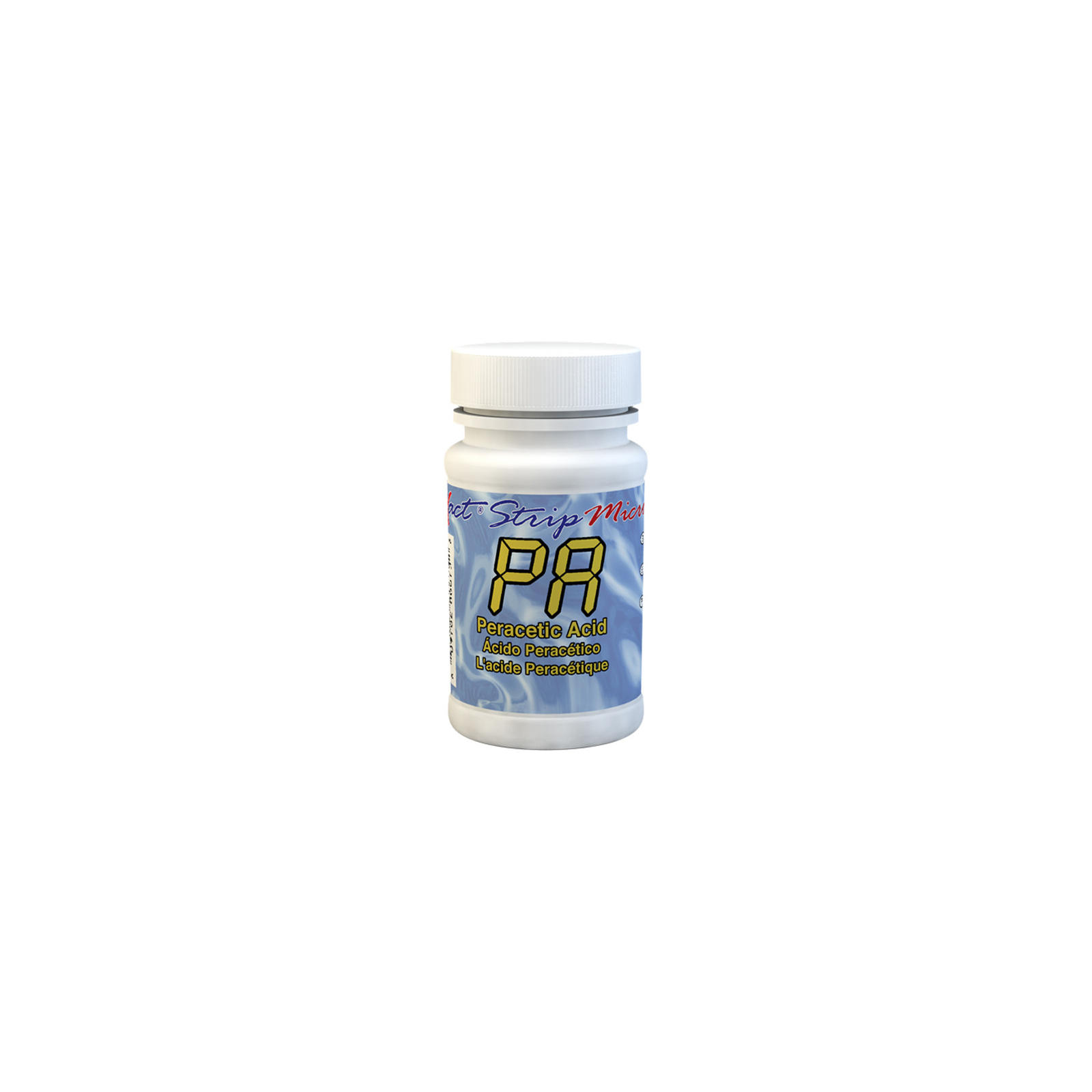
A very powerful oxidizing agent used primarily in the pharmaceutical industry and the medical field in general, peracetic acid, also called peroxyacetic acid or ethaneperoxoic acid, is also a cold sterilant that is highly soluble in water, alcohol, and ether. It is also used in the food industry as a cleaner and disinfectant.
Peracetic acid does not occur in its pure form in nature.
In France, there is no specific standard for this compound, but we can refer to the US standard, which sets a maximum level of 0.4 PPM or mg/l of water.
It is toxic to mucous membranes, which it burns, and to a lesser extent to the skin. Extremely flammable when exposed to heat alone, it is harmful if inhaled or swallowed and is considered very toxic to aquatic organisms.
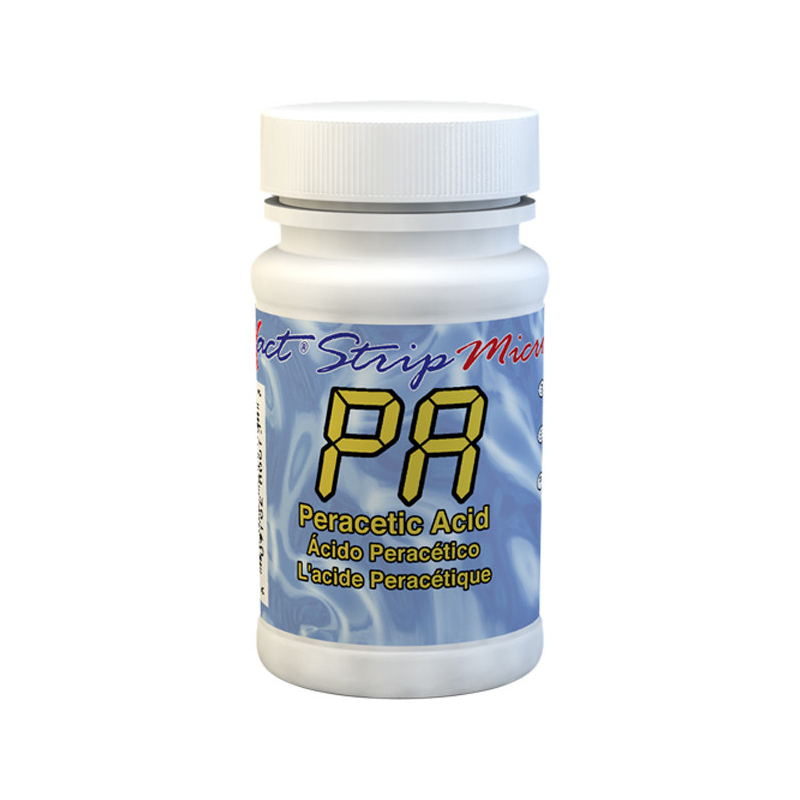
The kit we offer contains 100 strips, allowing you to perform 100 tests. Developed and manufactured by the US supplier ITS, a global leader, this kit is easy to use and delivers results as accurate as laboratory testing in just a few minutes.
Please note, however, that these reagent-coated strips can only be used with one of the following photometers in the eXact range: iDip, Micro20, and Chlorine+.
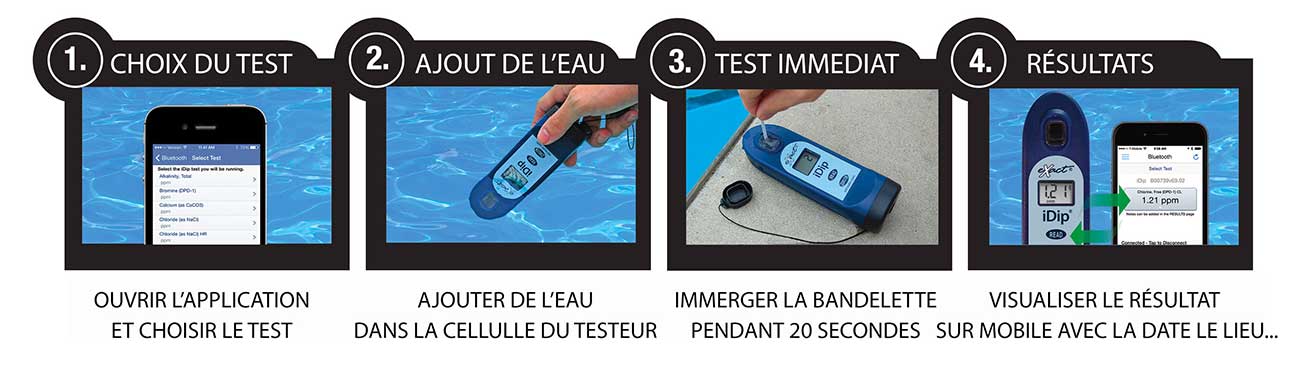
Operation is very simple:
1. Open the app on your mobile phone and turn on the photometer.
2. Add water to the tester's designated cell.
3. Place the strip in the water for 20 seconds.
4. View the result directly on the photometer. This result is automatically saved on your phone.
This water testing system is fast, reliable, modern, expandable, and comprehensive. It is THE most accessible system.
 |
Remove a strip from the container before starting the test. Leave it in a dry, easily accessible place, and close the container immediately. |
 |
Turn on the photometer by pressing the ON/ZERO button. The screen will show all indicators, then the selected menu, then the most recent results. |
 |
Press the SELECT button repeatedly to choose group 6. Then press the MENU button repeatedly to select the test parameter: PA. (You can find all this information in a table in the user manual supplied with the device). |
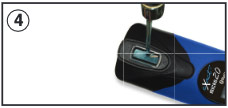 |
Next, rinse the test cell at least 3 times with the water you will be testing (to reduce the risk of cross-contamination from your previous test). Finally, completely fill the small cell with the water to be tested. |
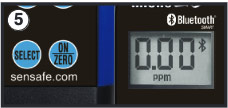 |
Press the ON/ZERO button. The cursor will move across the screen before it displays 0.00PM. This indicates that the sample is ready to be tested. |
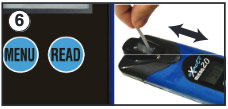 |
Dip the appropriate strip into the small cell and immediately press the READ button. This will start a countdown. While it runs, gently move the strip back and forth (about 1 back-and-forth motion per second). As soon as the "1" disappears from the screen, remove the strip. |
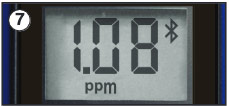 |
The cursor will move across the screen while the photometer prepares the test results. Note the value displayed for the parameter. This value is automatically saved in the MENU, and if you use the exact iDip app, the results will be saved in its "RESULTS" section. After the test, rinse the cell and clean it with the small brush. |