


Tested and inspected RO systems for pure water at a reduced price.
See offers
Complete protection with an RO system and a water softener.
Get 15% off
Combine reverse osmosis water and hydrogen-rich water.
Get 15% offFREE SHIPPING
On orders of €150 or more within mainland France
(home products only)
Ships within 24 hours
+33 3 66 88 17 85
Call us Monday to Friday,
9:30 am–5 pm (Paris time)!
Email: contact@josmose.fr

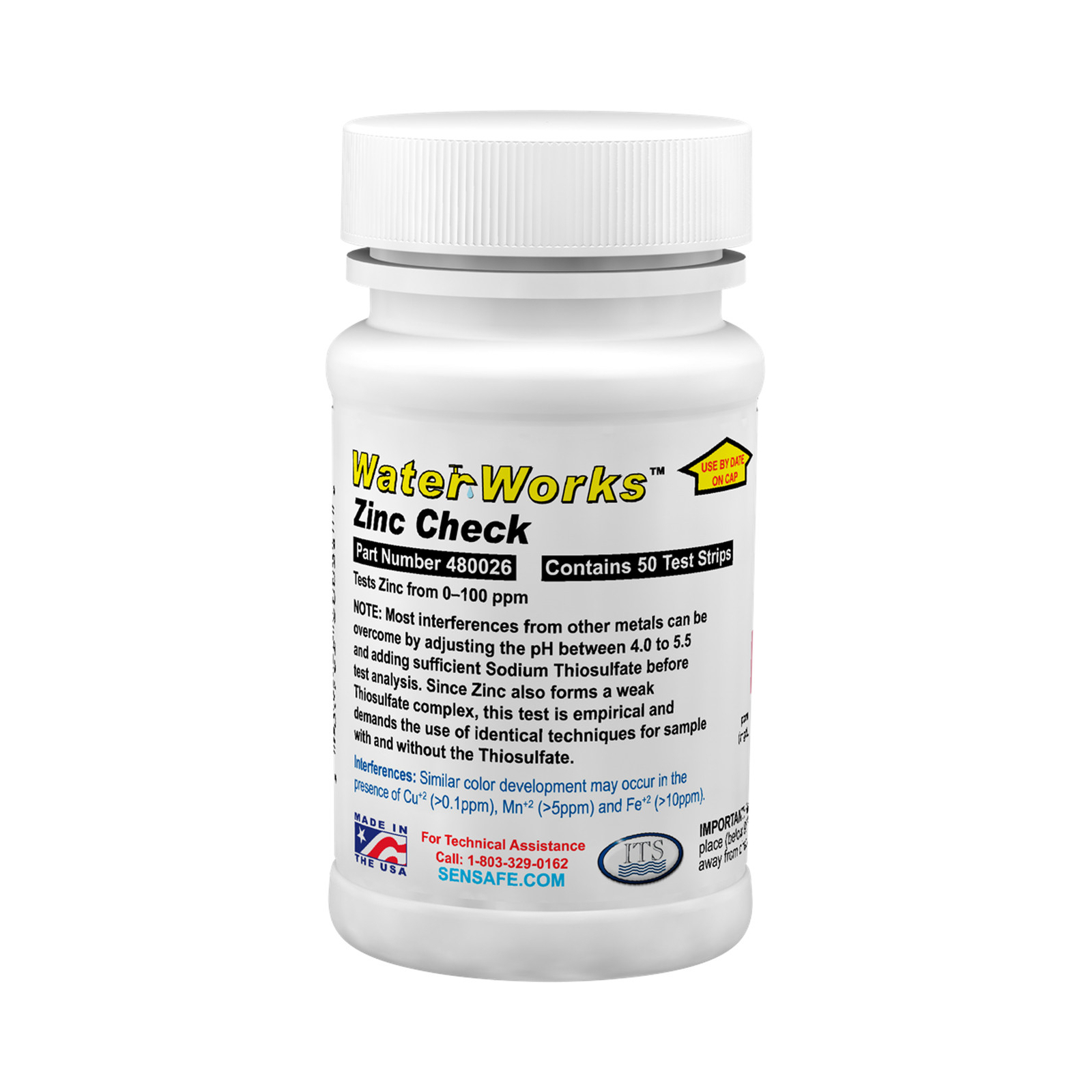
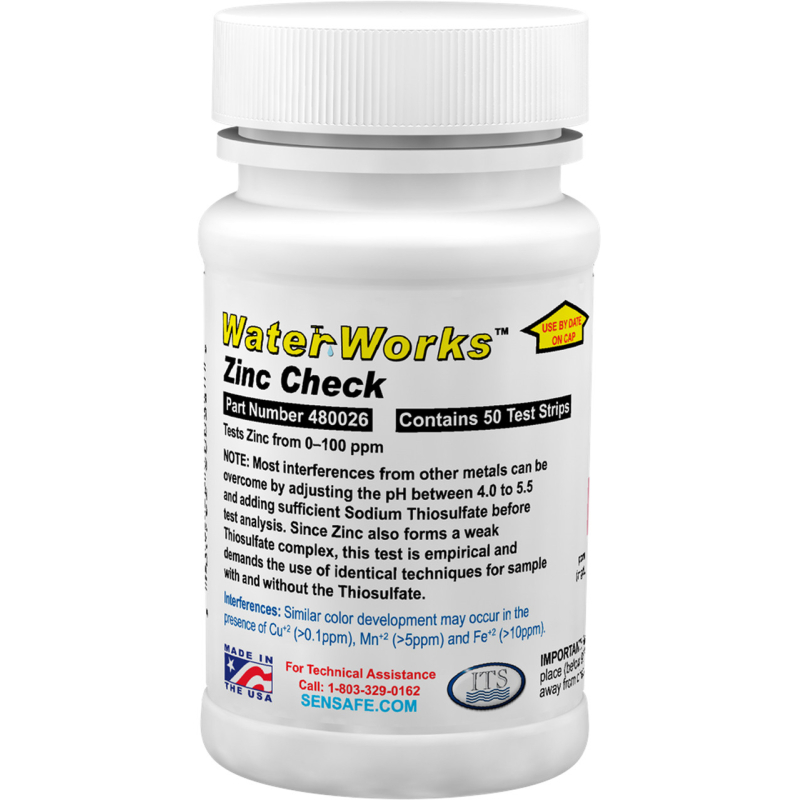
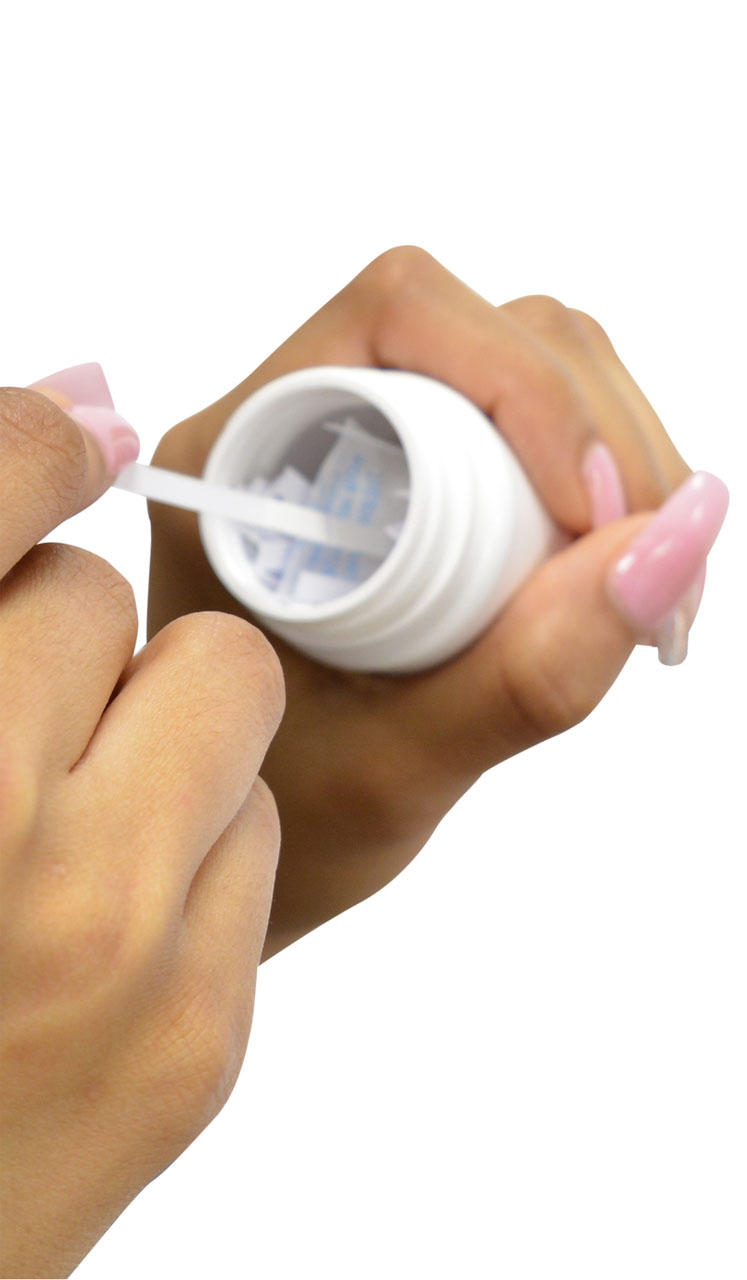
This test strip is extremely easy to use.
 |
|
|
Take a test strip and dip it in the water |
After the specified time, compare the strip's color with the scale on the back of the box. |
The result scale is as follows 0; 2; 5; 10; 20; 40; 100 mg/L (or ppm).
Zinc occurs naturally in air, water, and soil, with concentrations in the Earth's crust ranging from 10 to 300 mg/kg and an average value of 70 mg/kg (dry matter).
Zinc gives water an unpleasant, astringent taste at concentrations of approximately 4 mg/l (zinc sulfate). Above 3–5 mg/l, water containing zinc may appear opalescent and develop a greasy film after boiling.
Drinking water generally contains concentrations below 0.1 mg/l, but old pipes can increase this level.
There is no health-based value, but the commonly cited standard for zinc is 3 mg/l.
Zinc is an essential trace element for the human body. A natural antioxidant, it boosts the immune system.
Zinc deficiency generally causes extreme fatigue and can have other consequences: hair loss, skin disorders, and reduced immune defenses. It can even cause fetal malformations when it affects pregnant women and delayed growth in young children.
However, excess zinc is also harmful, as it can cause kidney and urinary tract disorders. Over the long term, excess zinc could pose cardiovascular risks.
* This section is based in part on the WHO report “ Guidelines for Drinking-water Quality ”.
**A guideline value is a reference value provided by the WHO.
