- Online only
Tested and inspected RO systems for pure water at a reduced price.
See offers
Complete protection with an RO system and a water softener.
Get 15% off
Combine reverse osmosis water and hydrogen-rich water.
Get 15% offFREE SHIPPING
On orders of €150 or more within mainland France
(home products only)
Ships within 24 hours
+33 3 66 88 17 85
Call us Monday to Friday,
9:30 am–5 pm (Paris time)!
Email: contact@josmose.fr

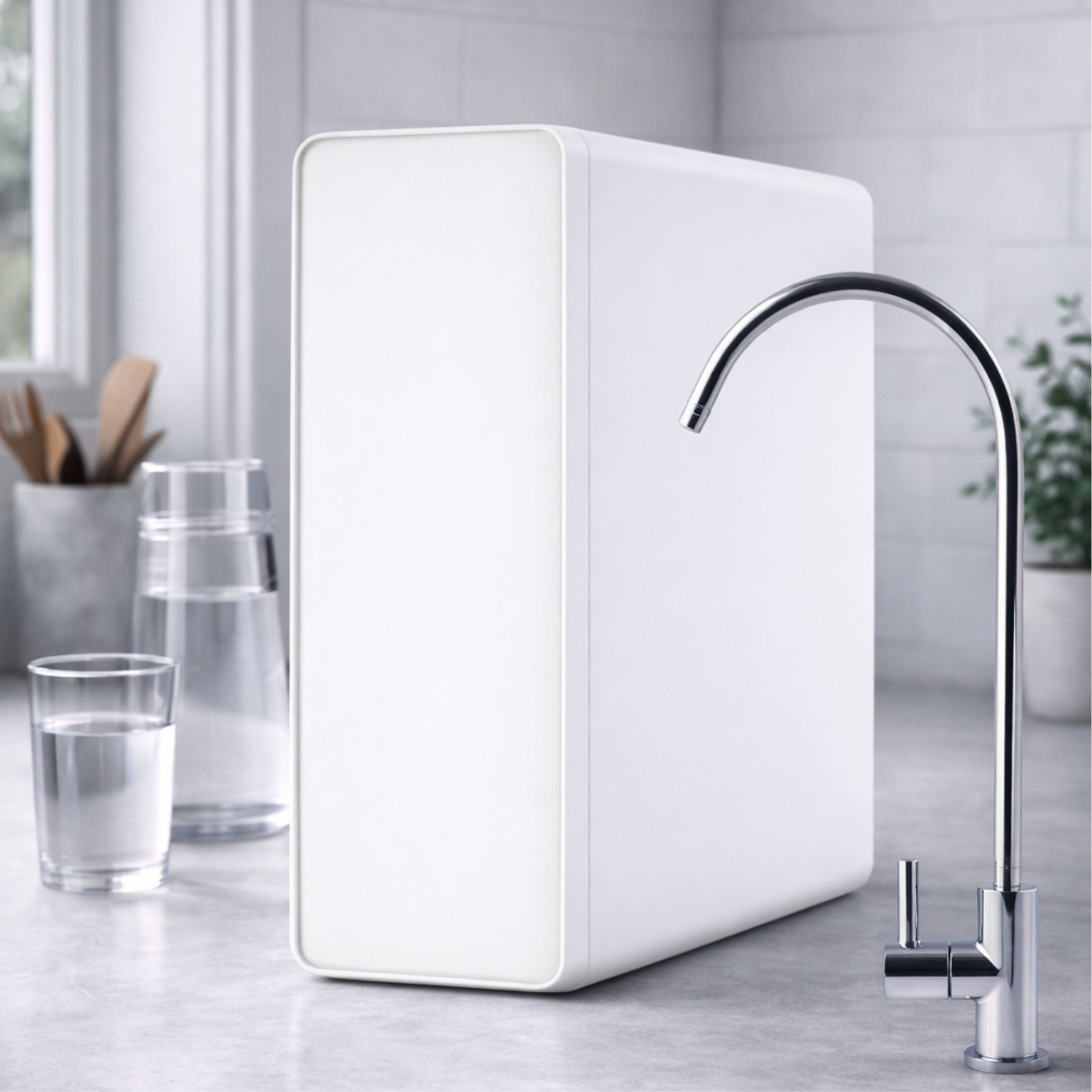
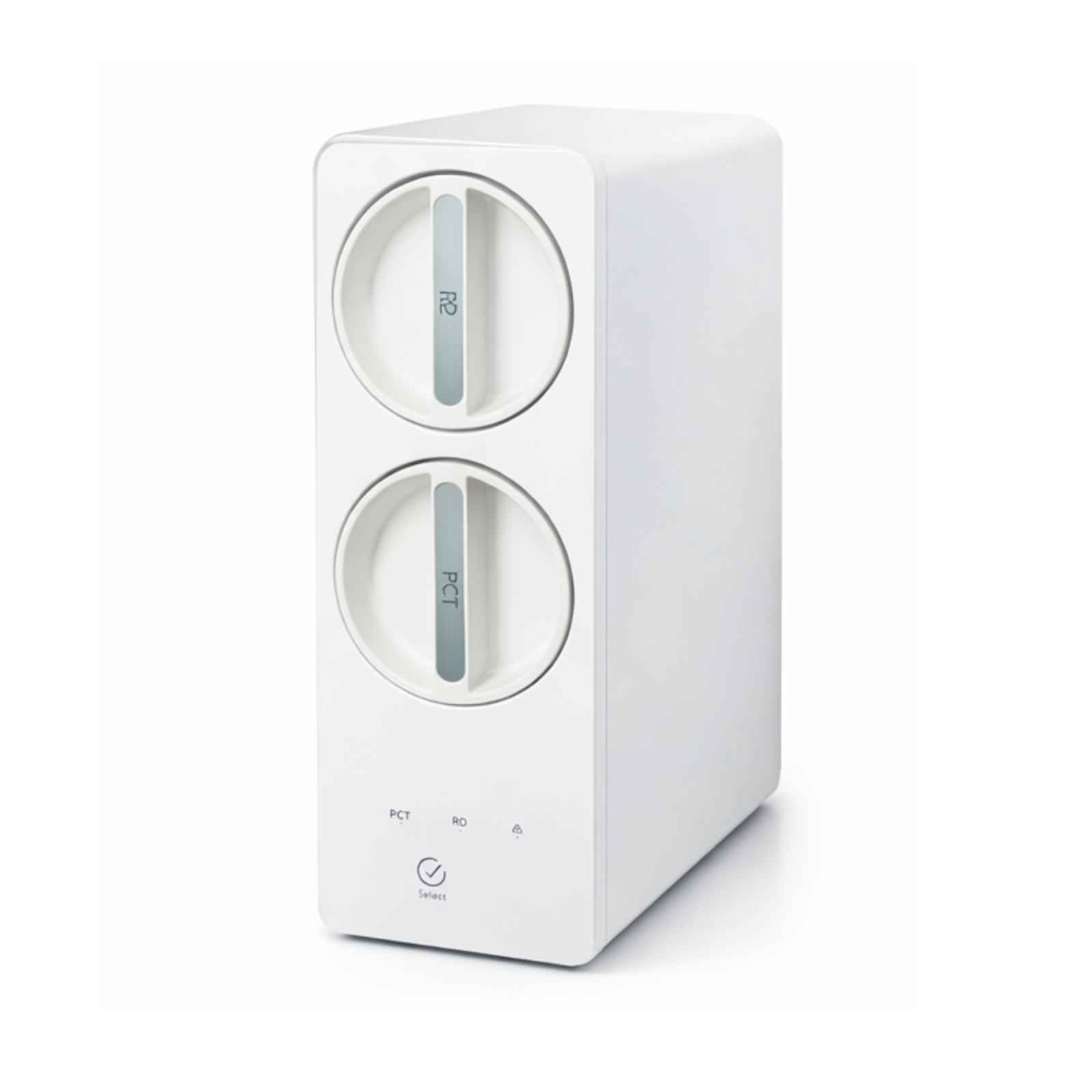
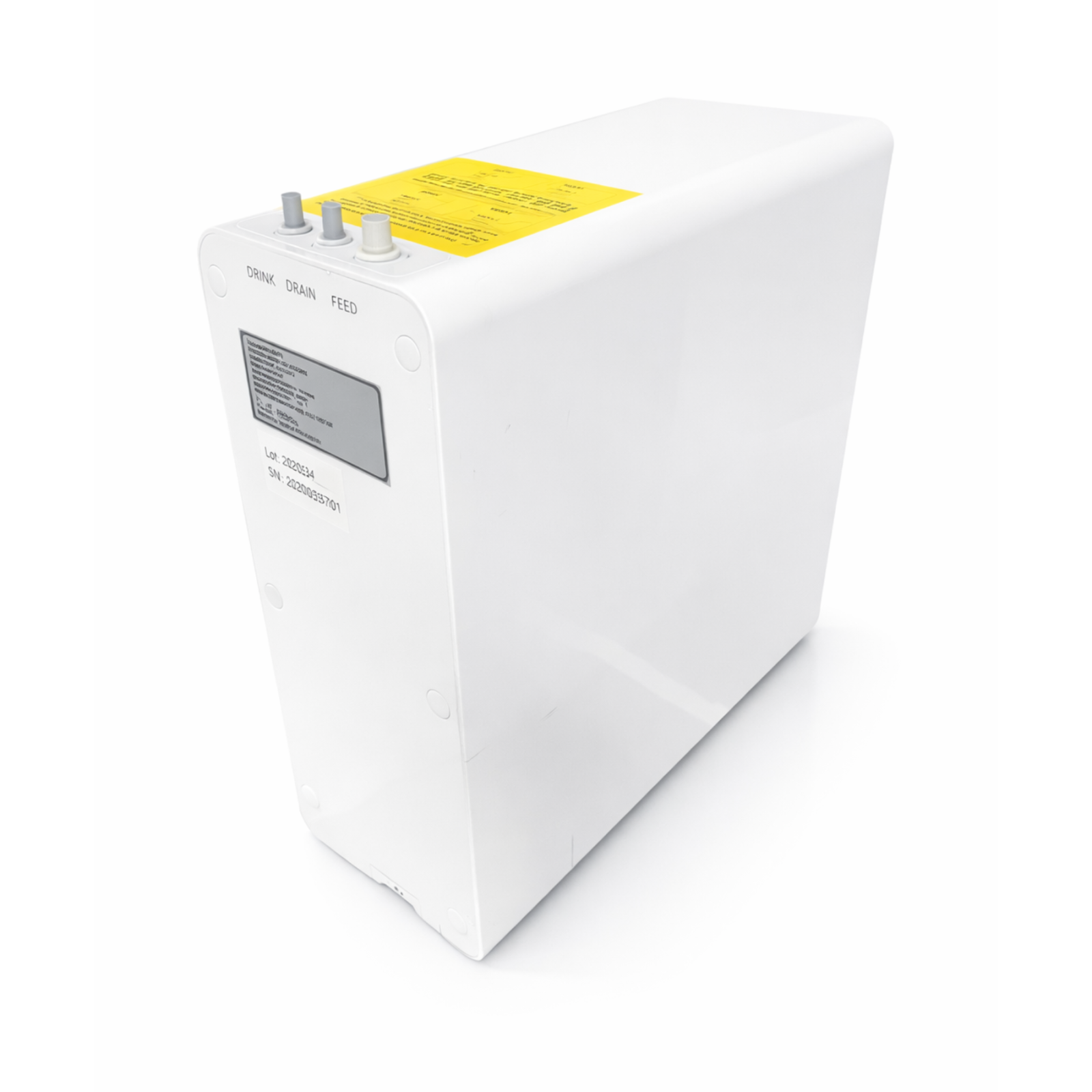
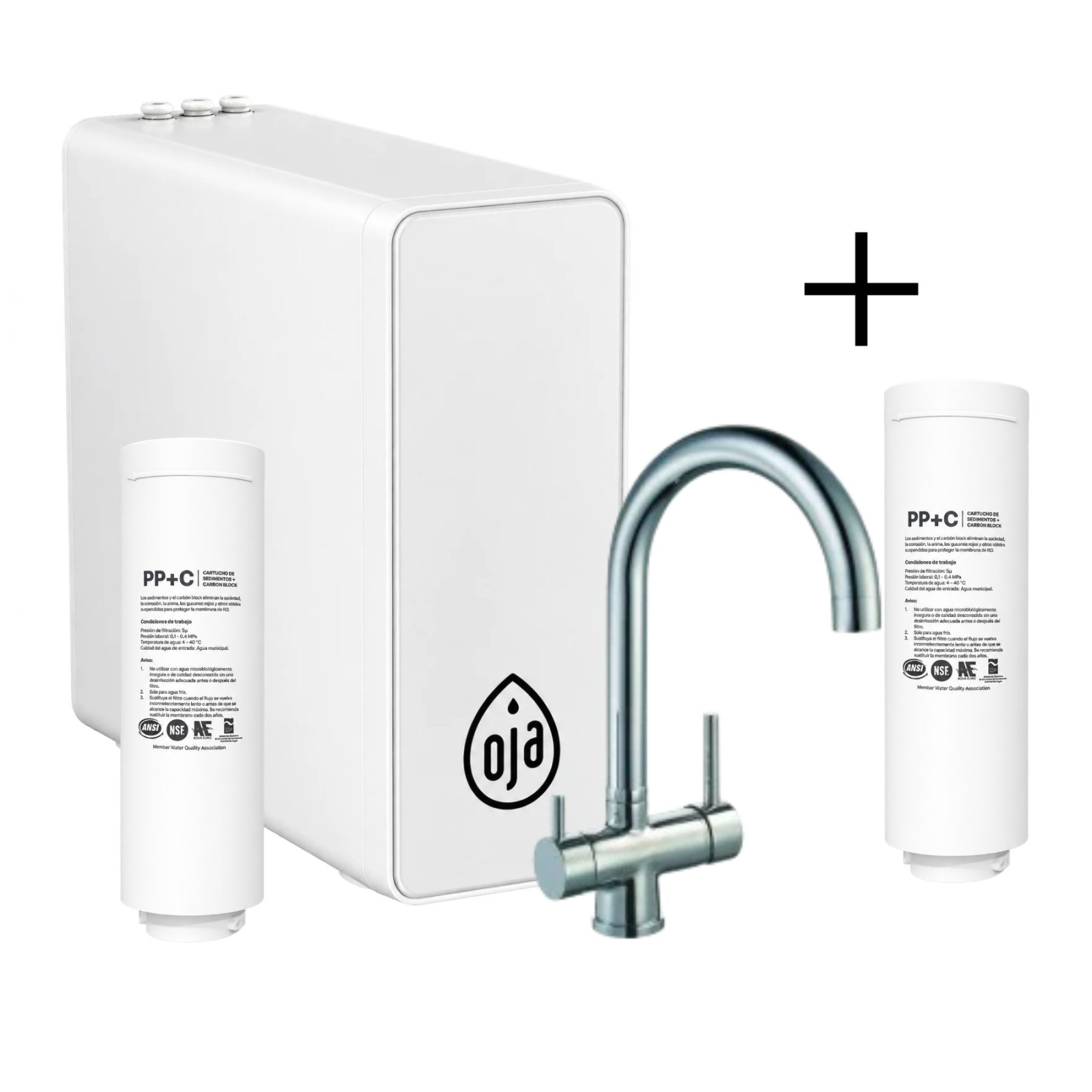
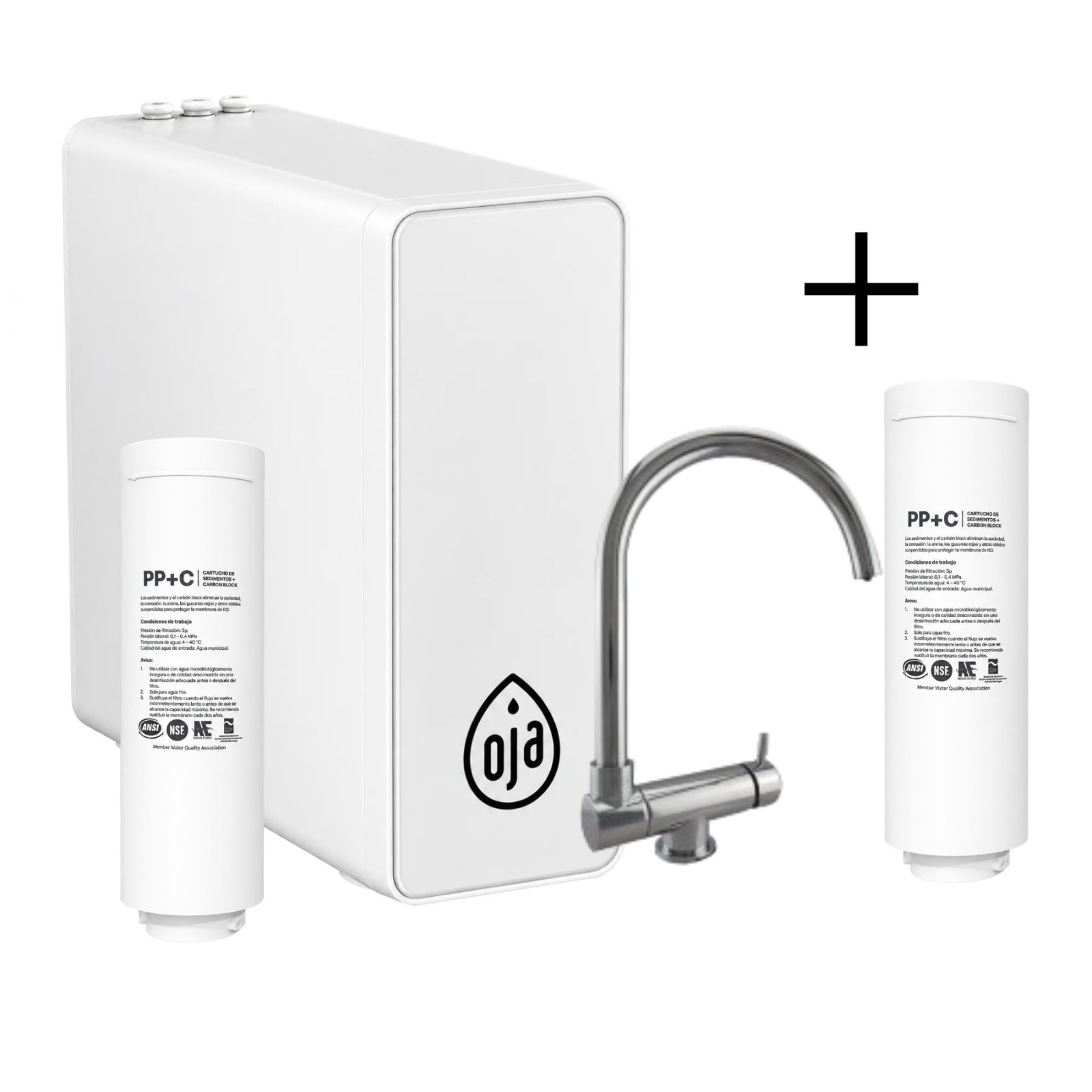
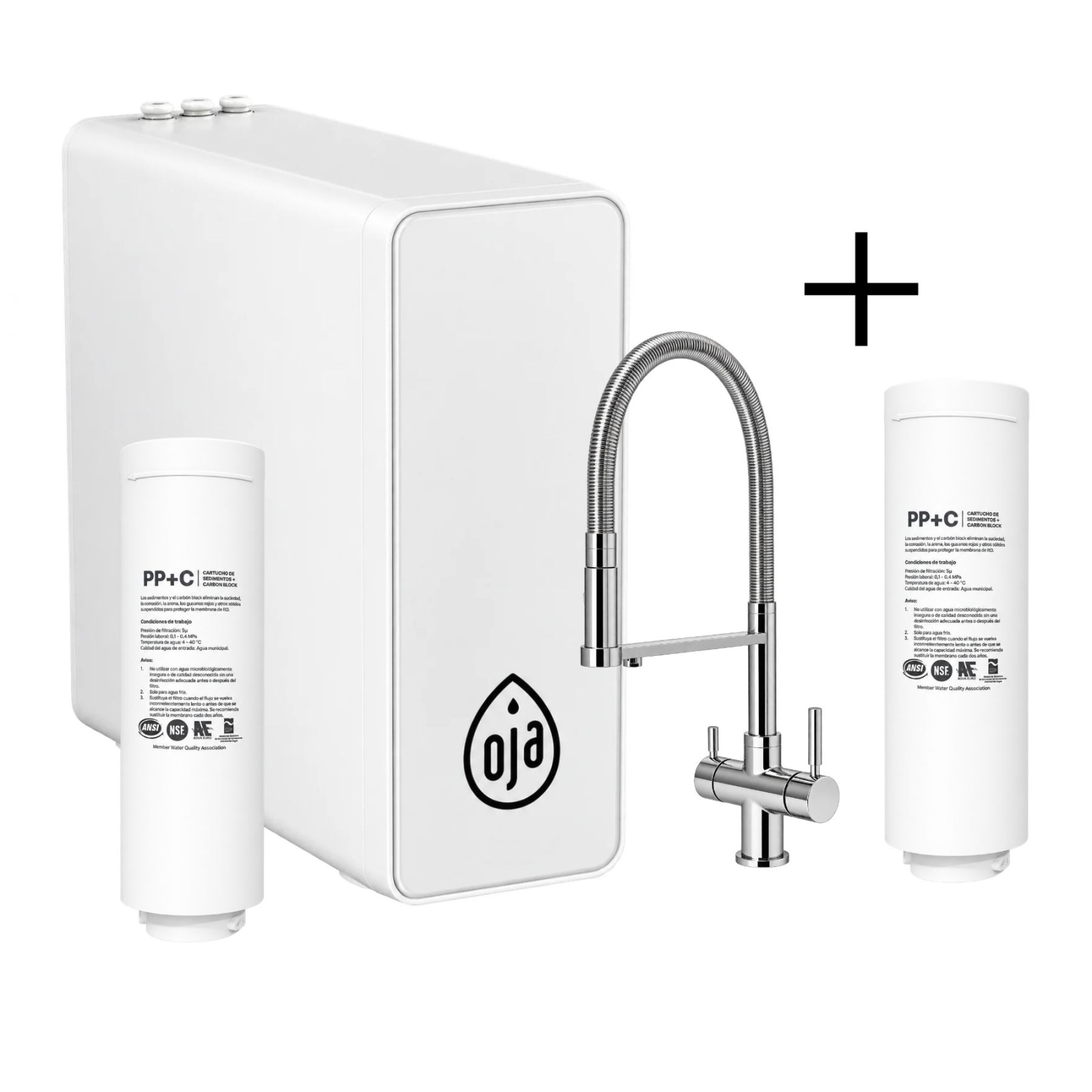
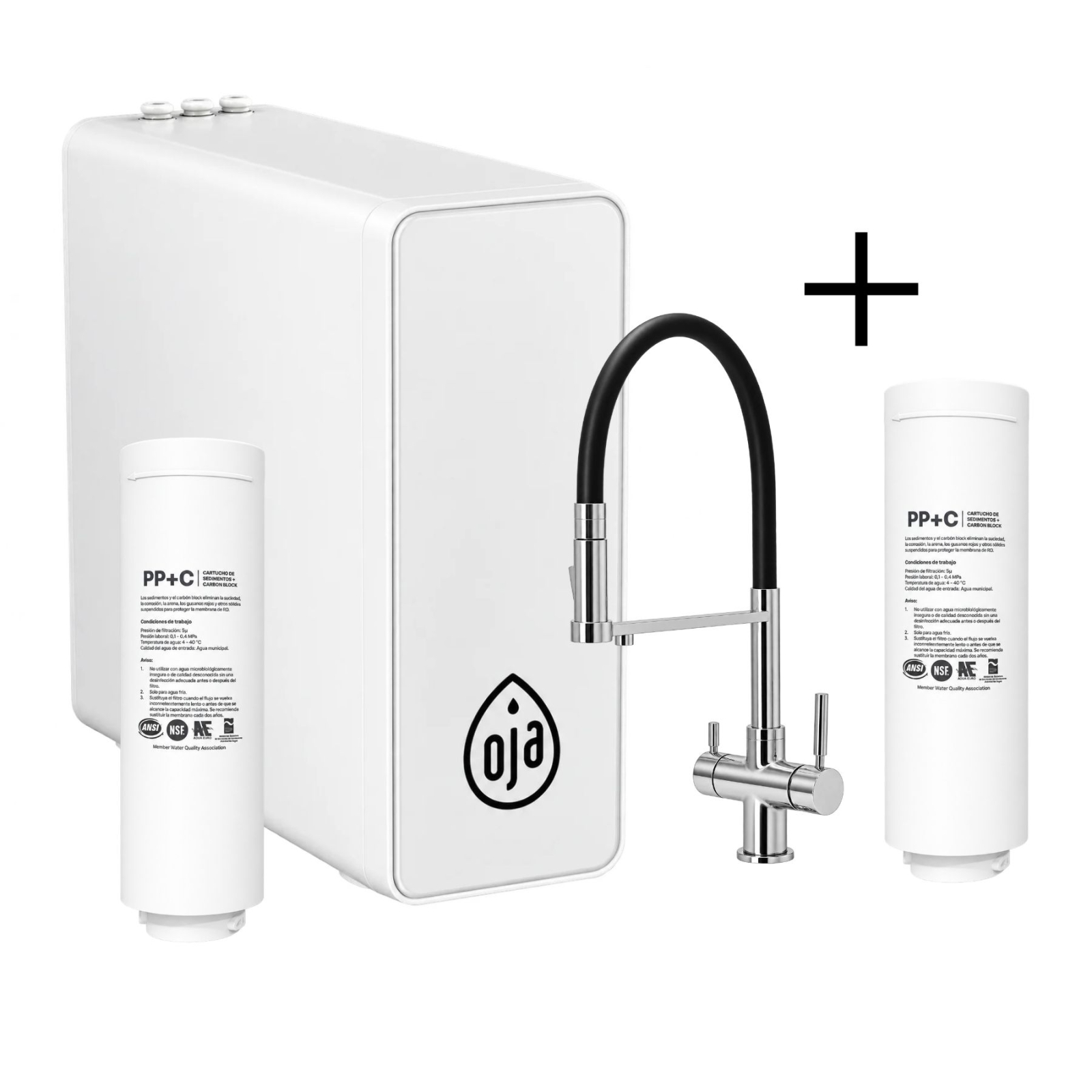
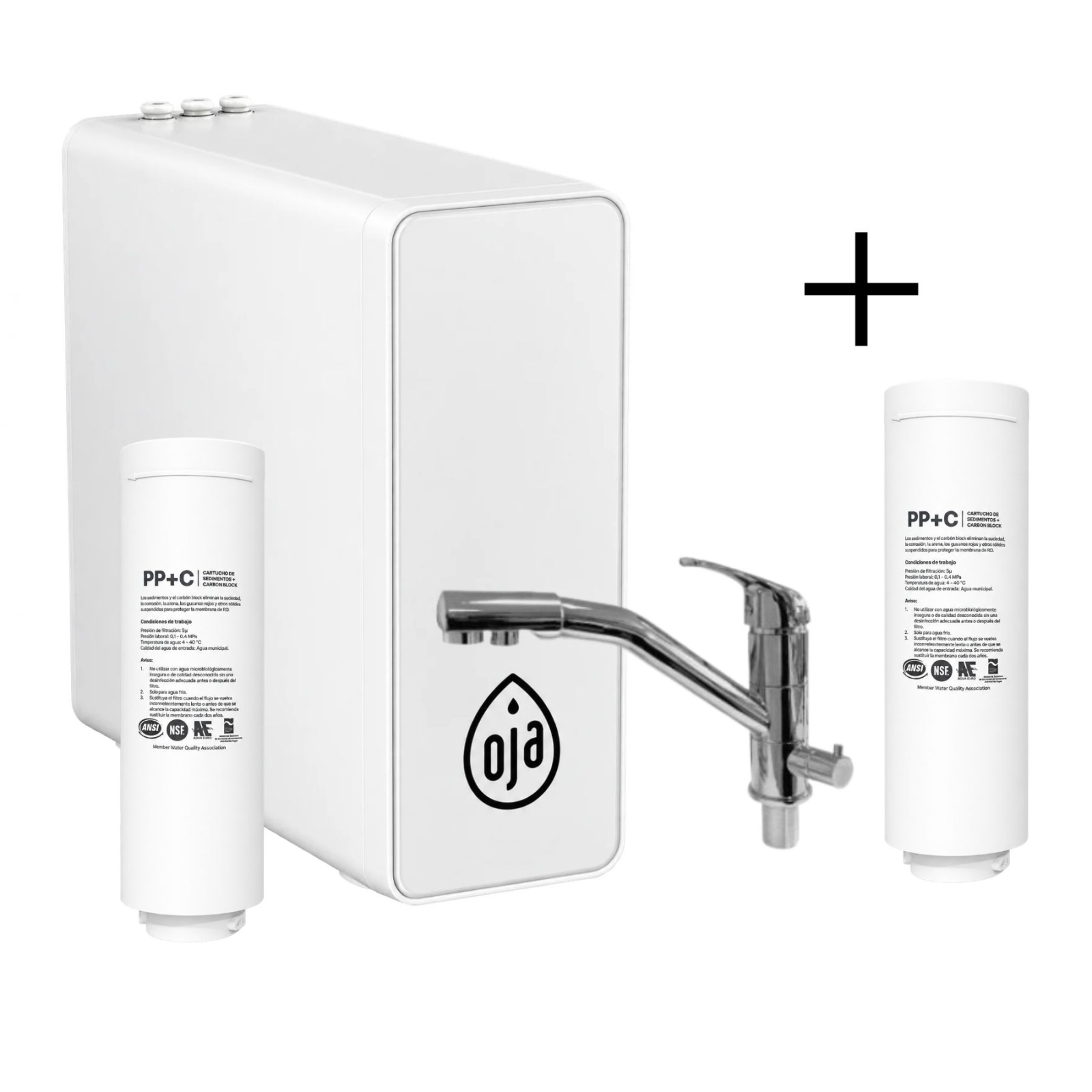
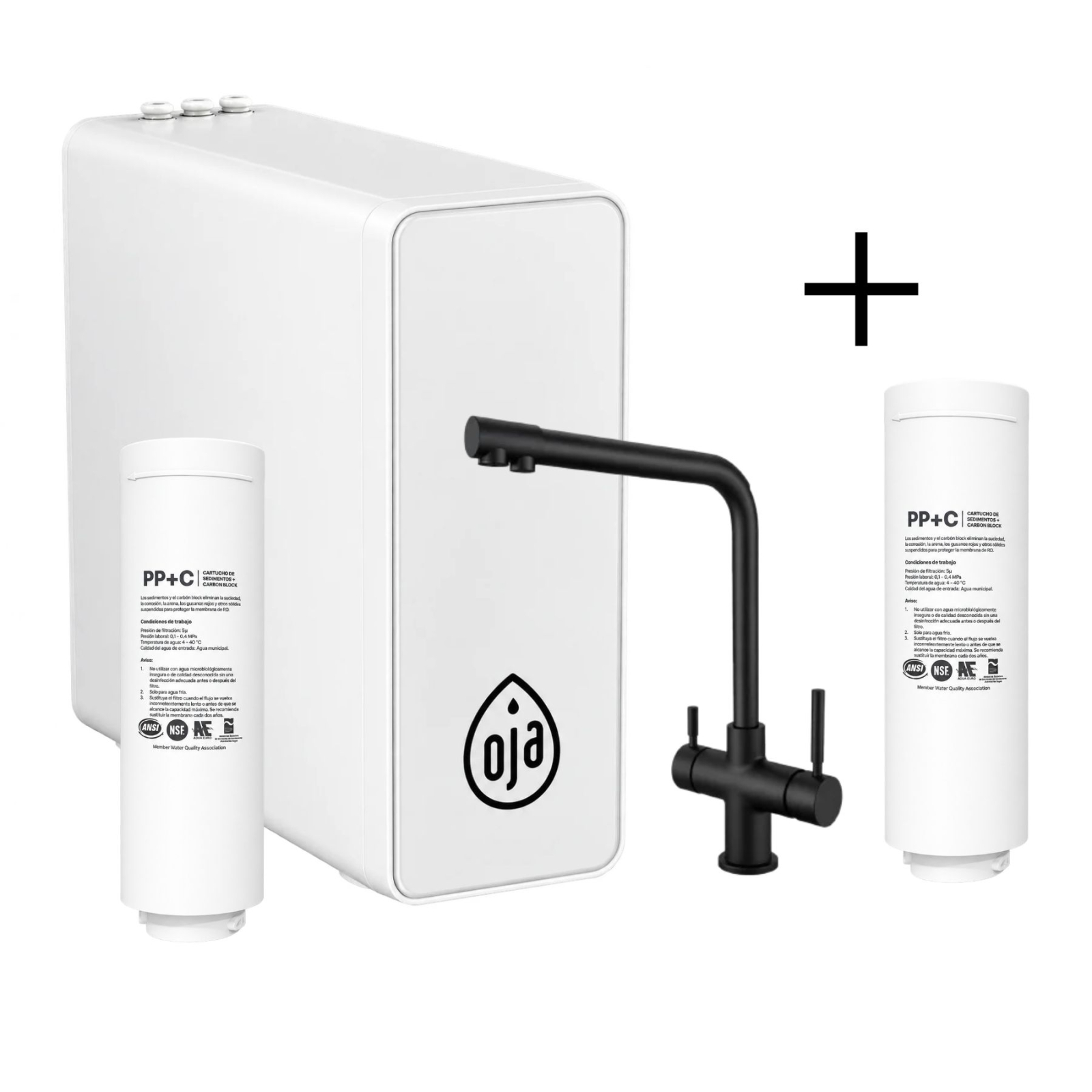
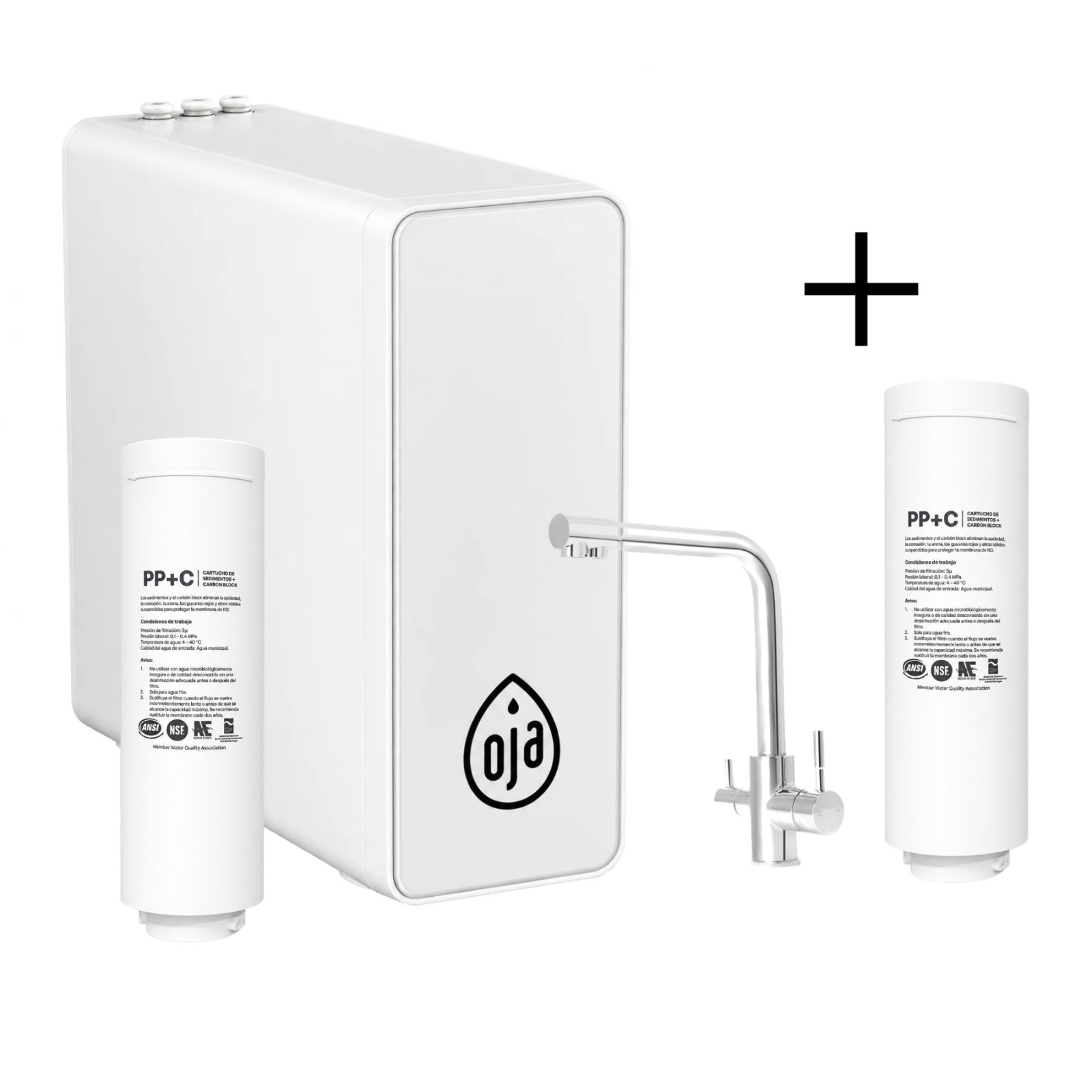
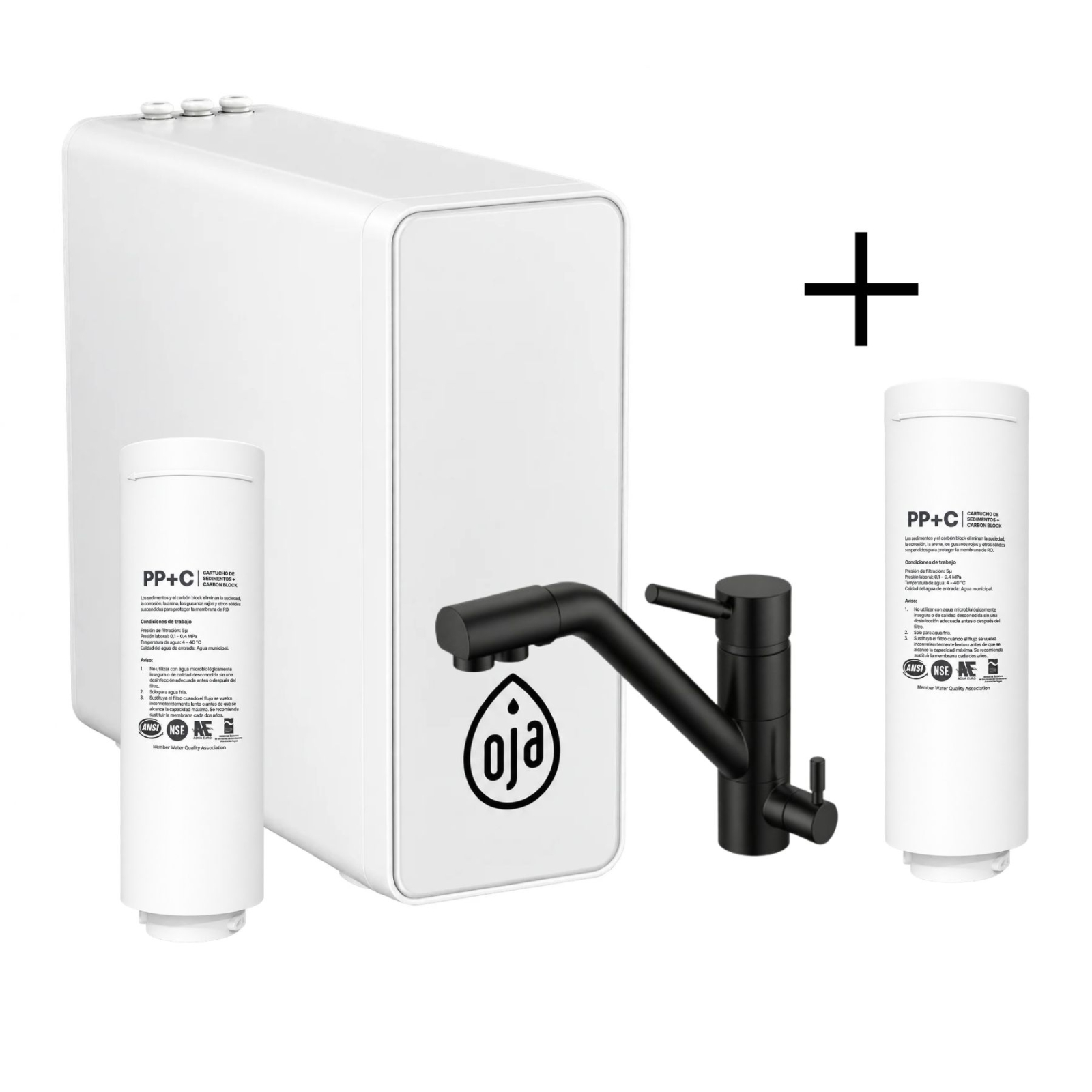
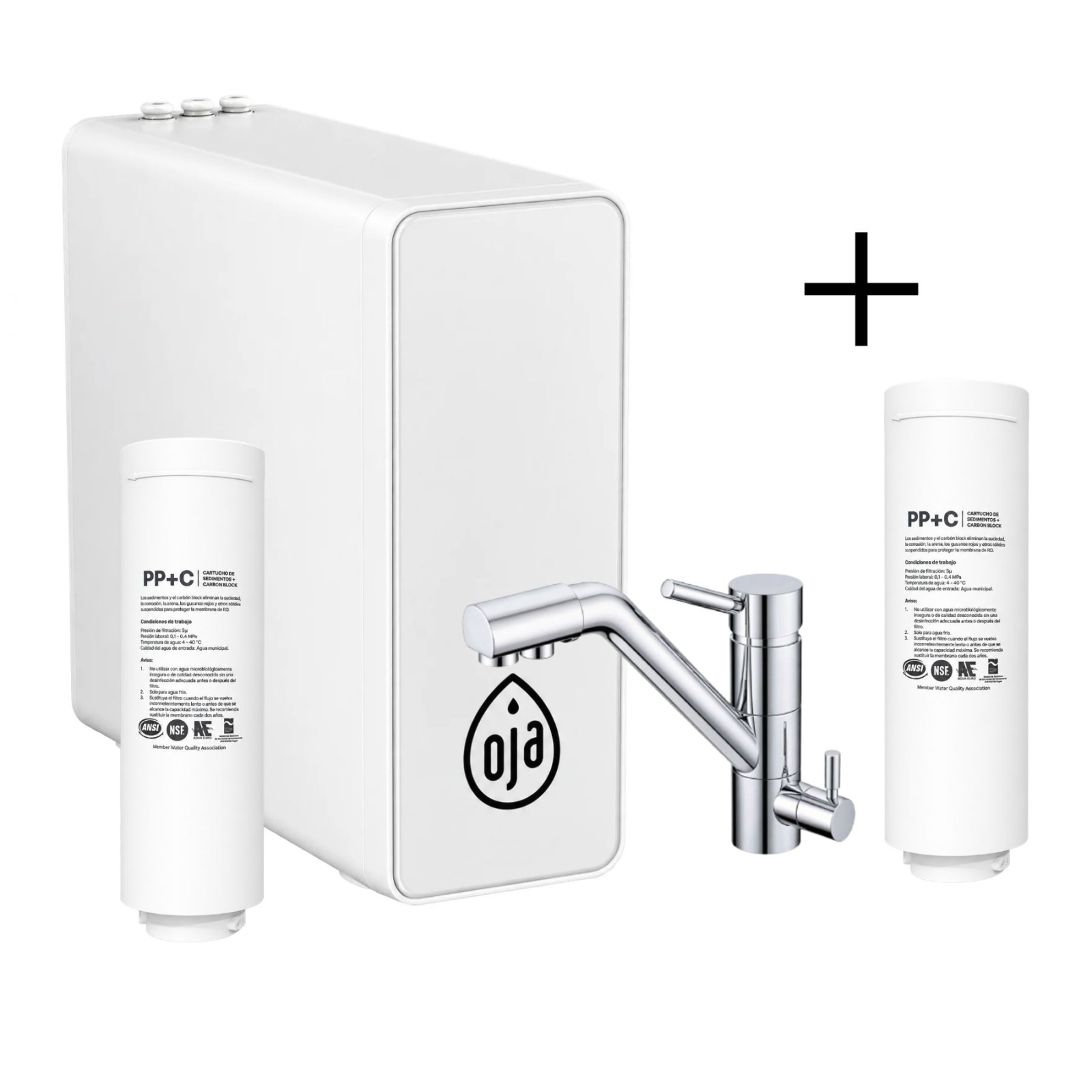
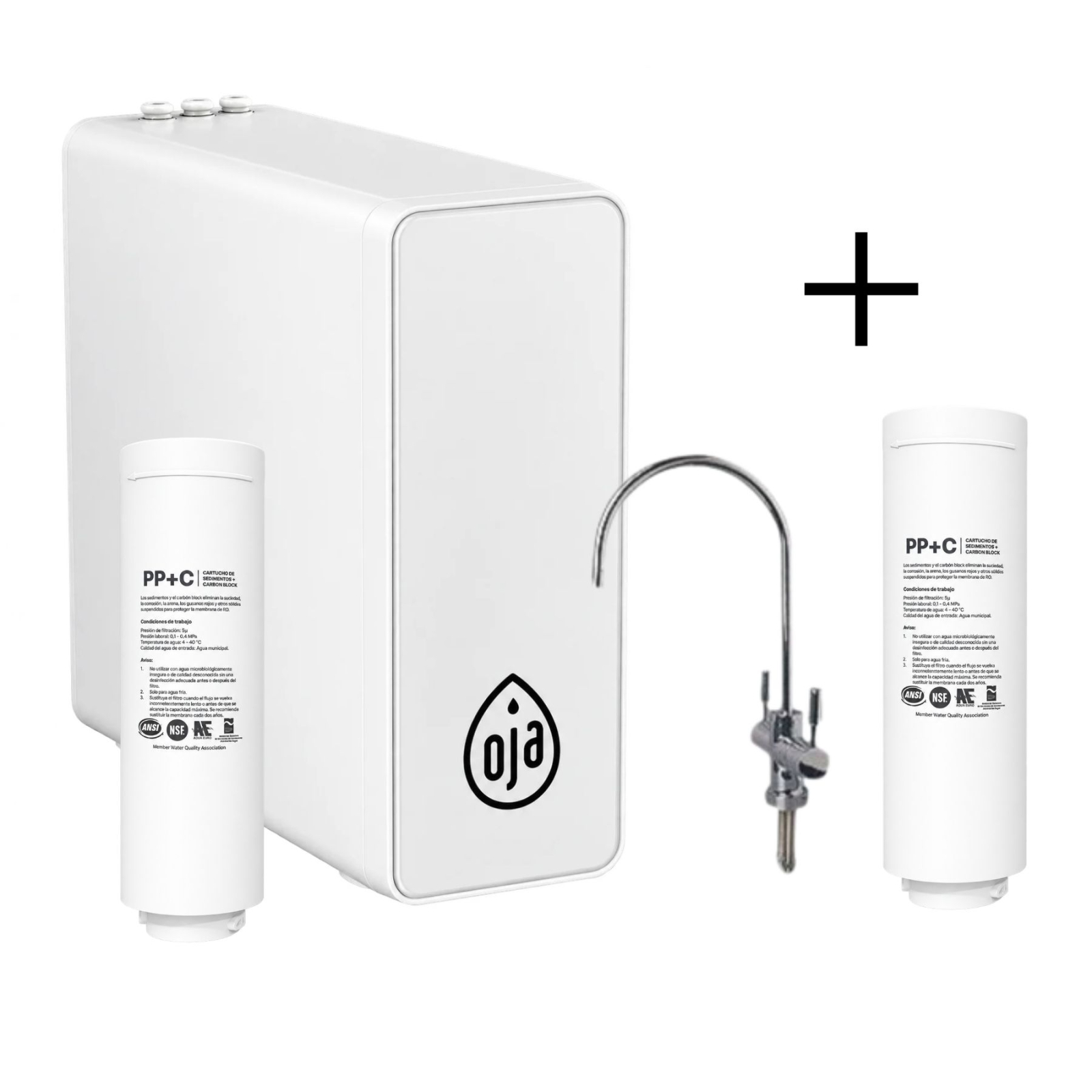
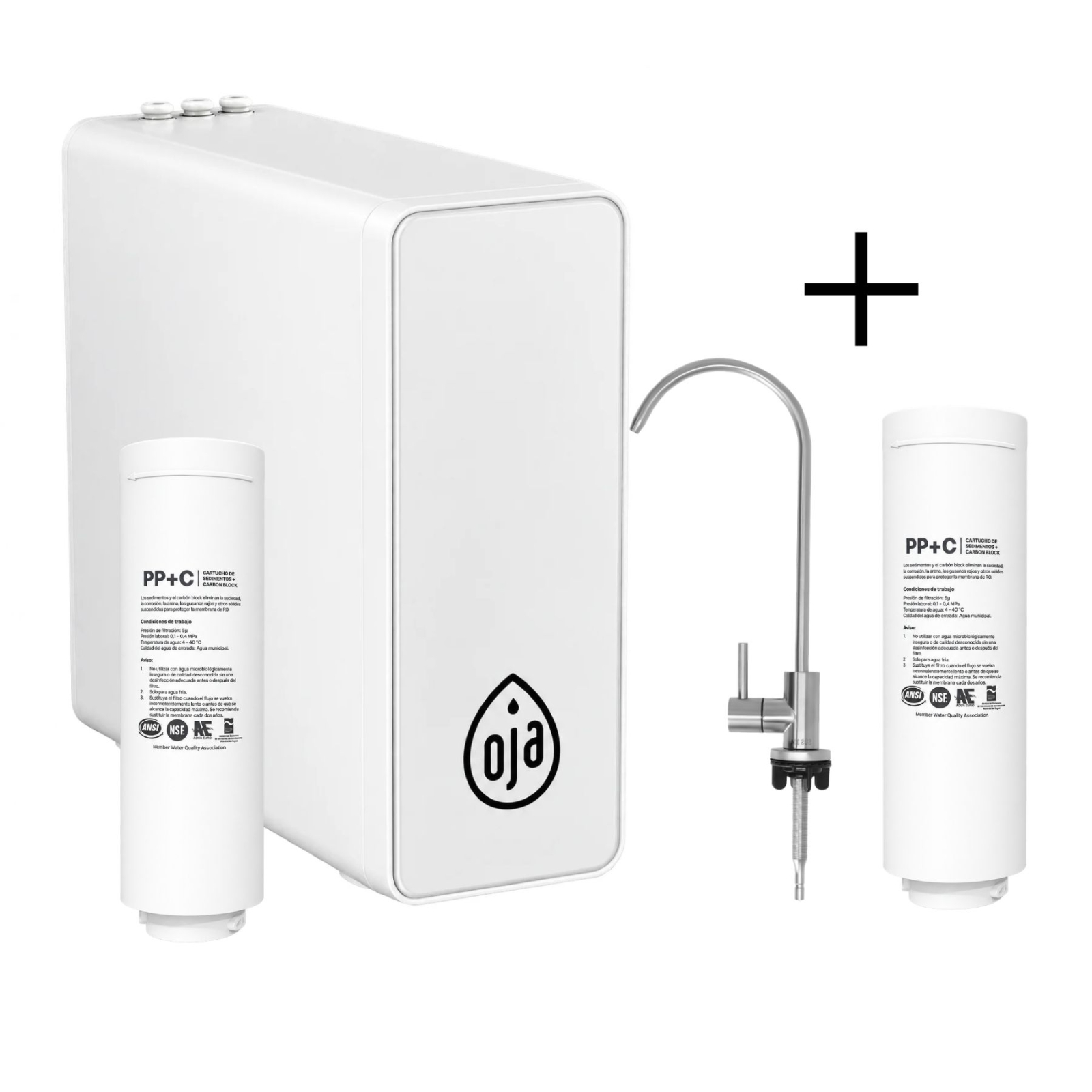
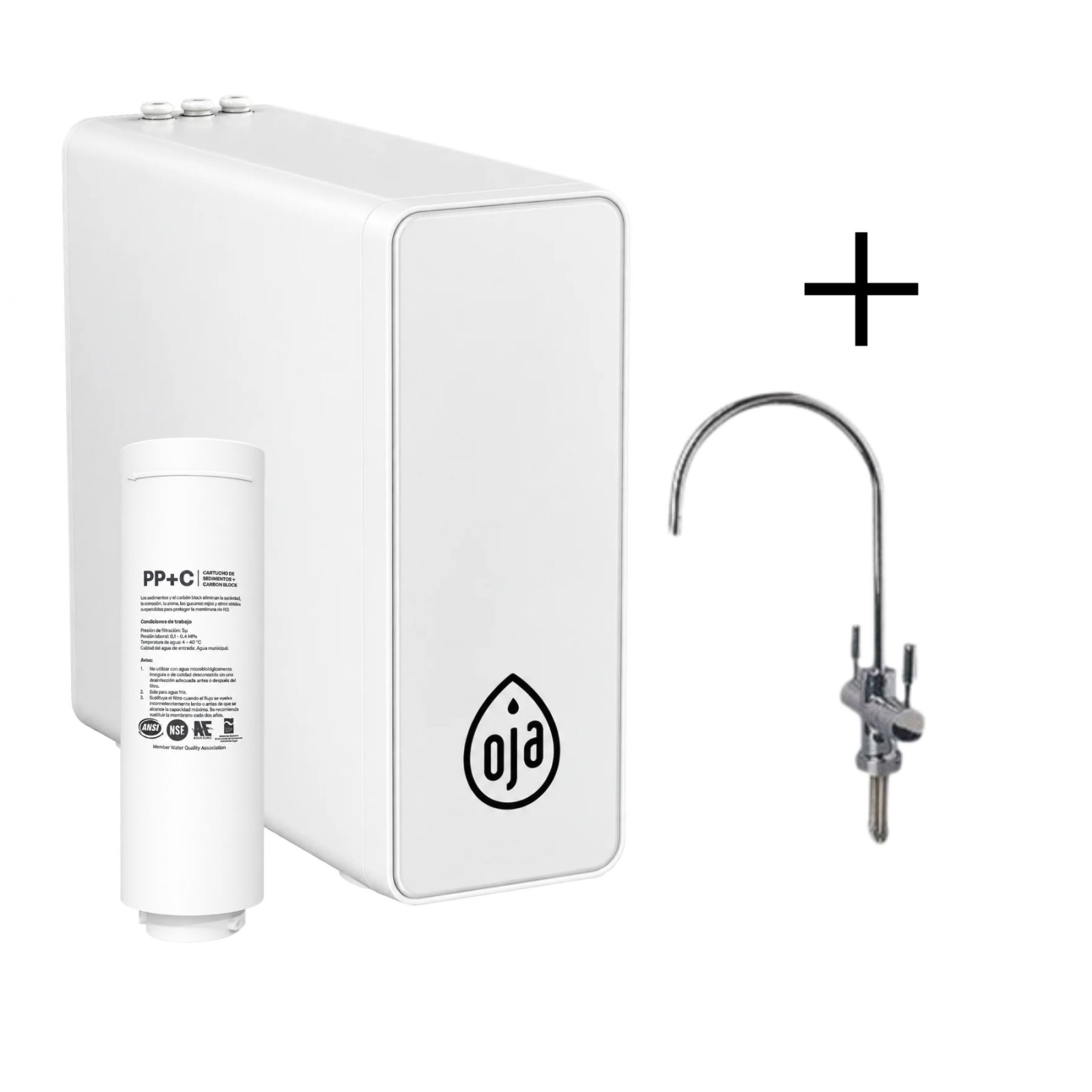
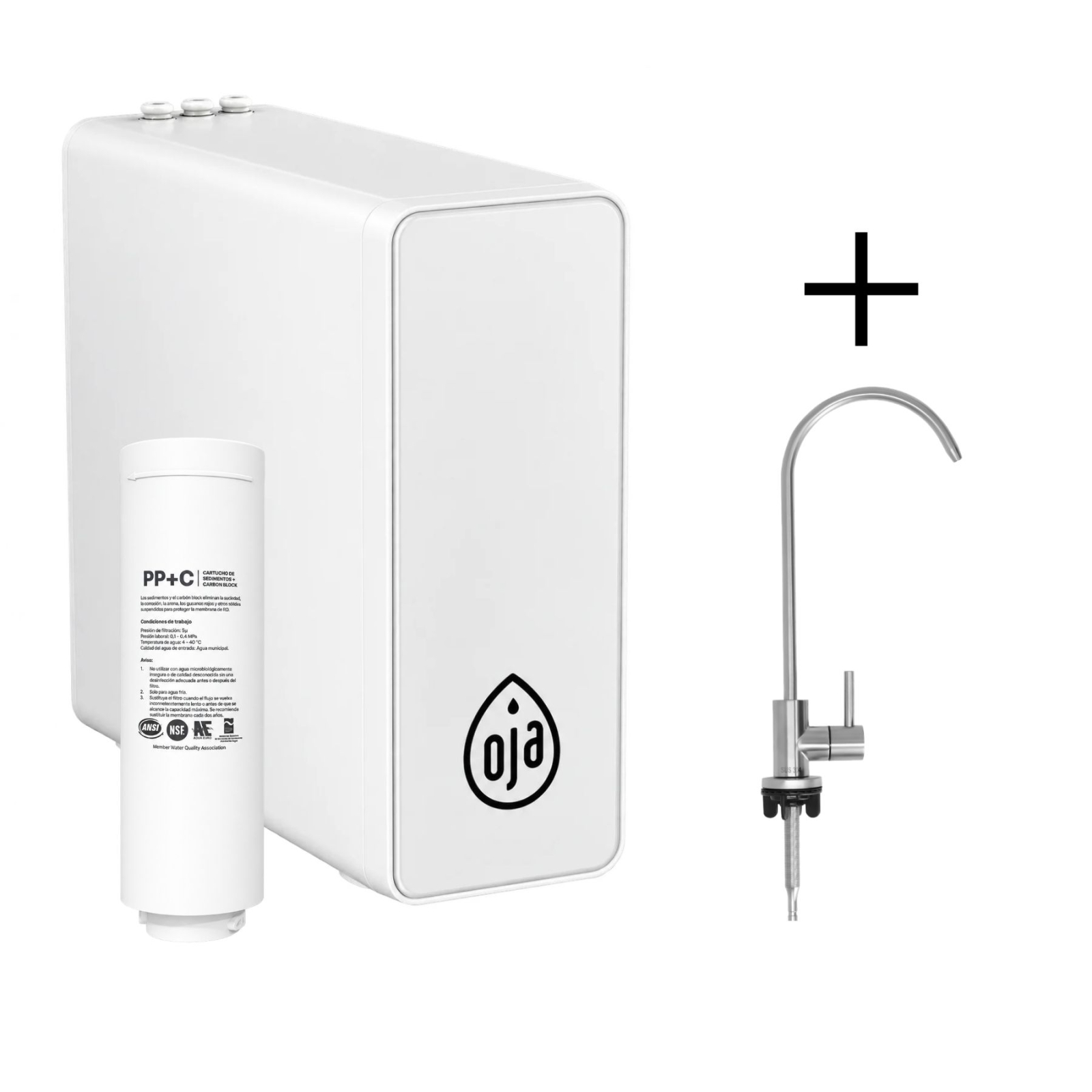
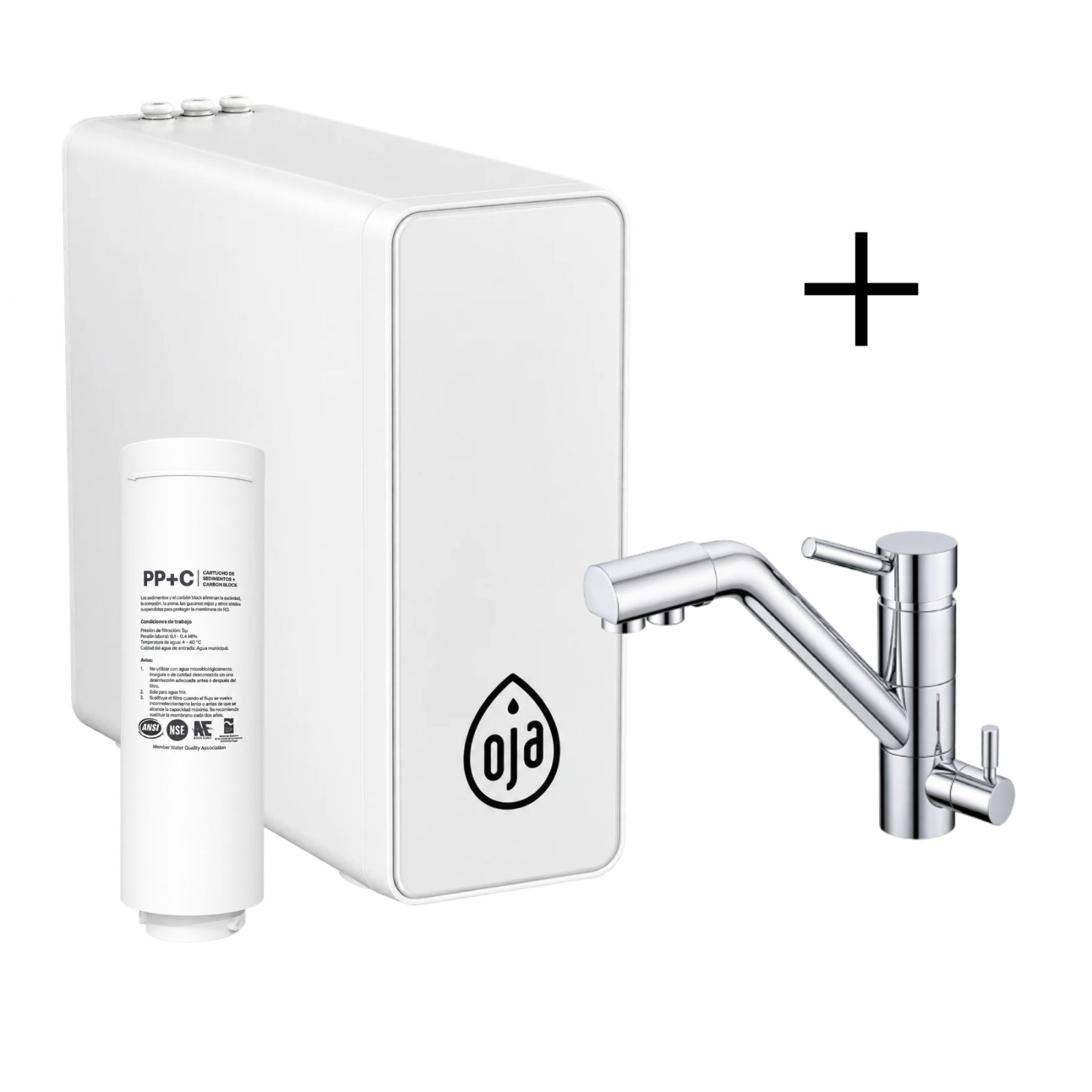
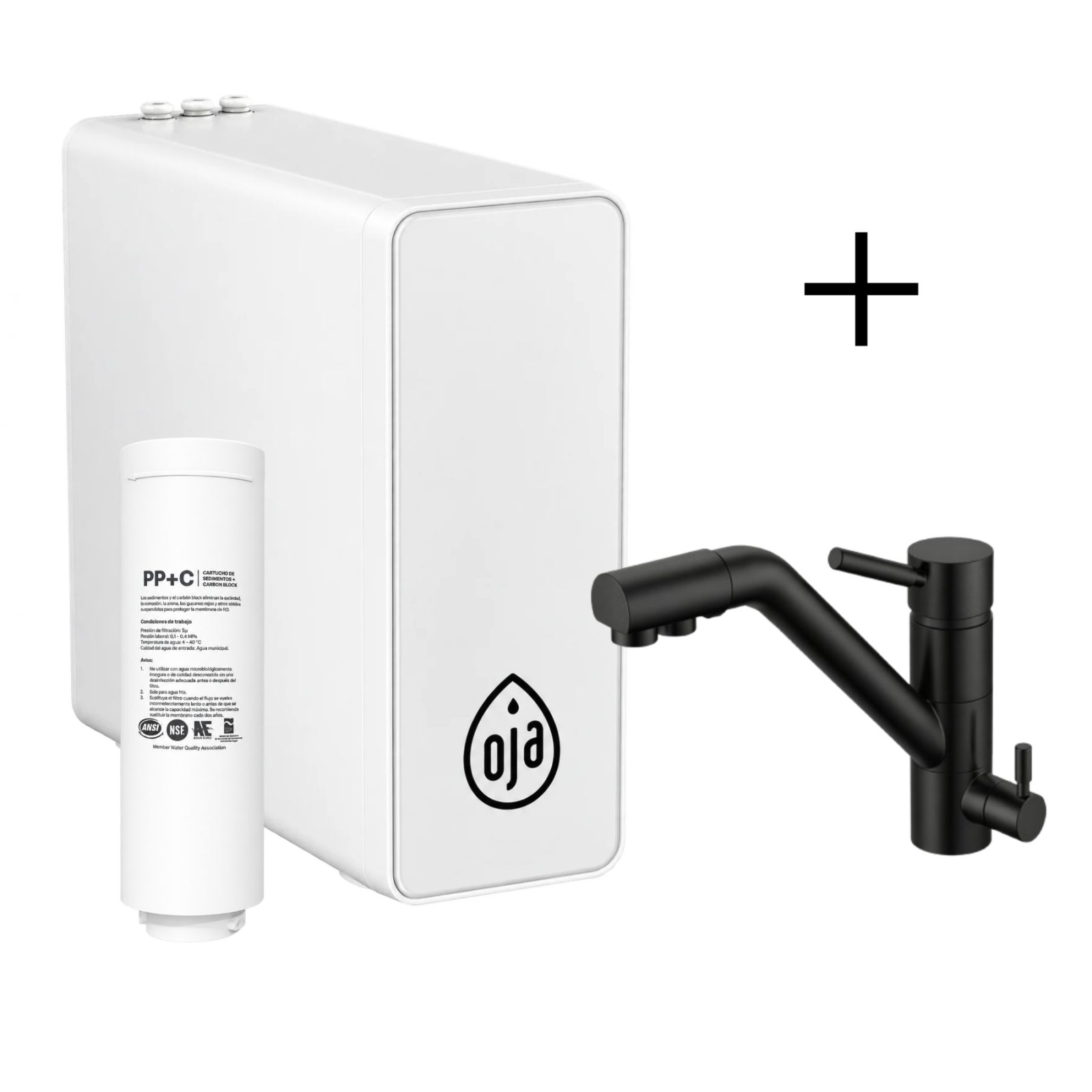
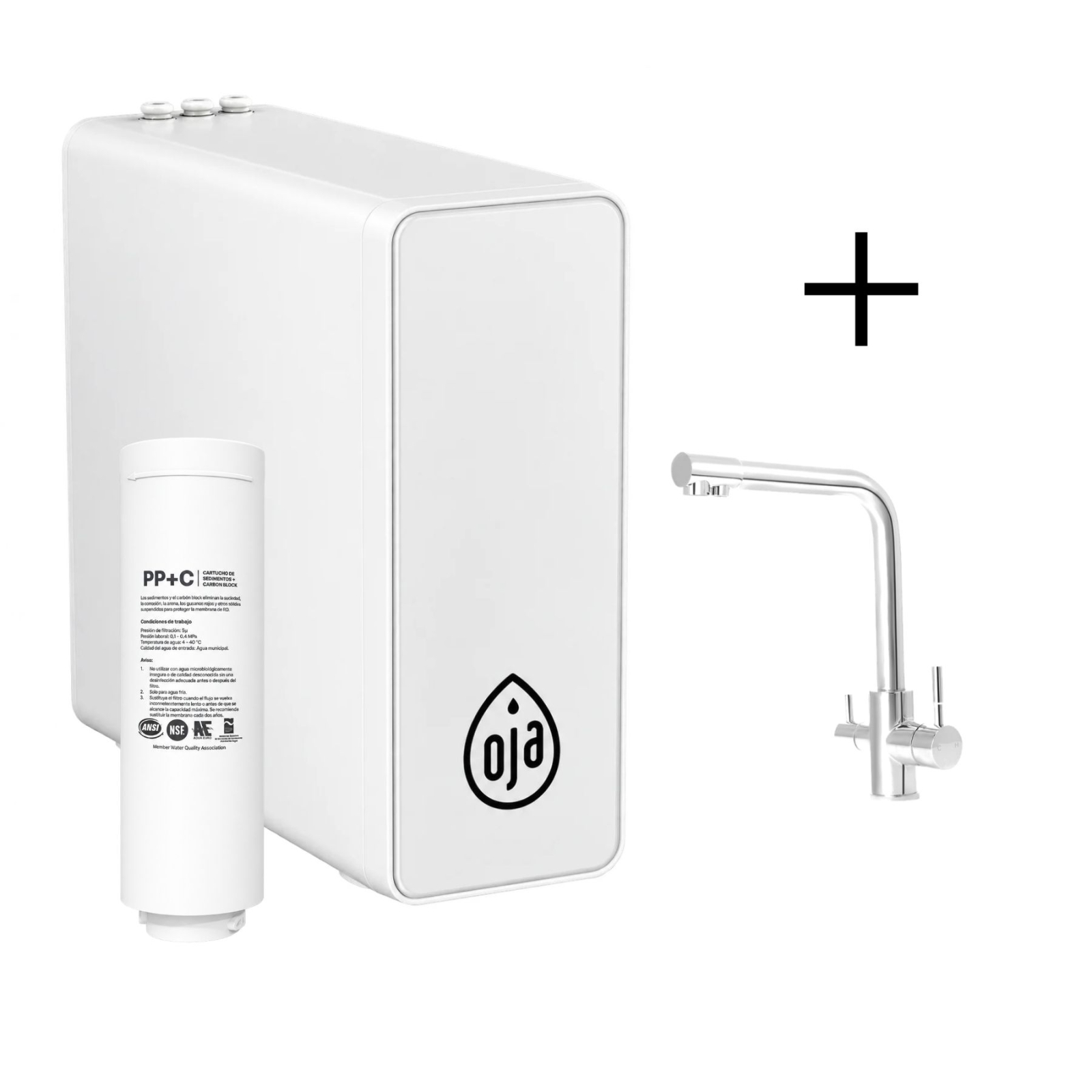
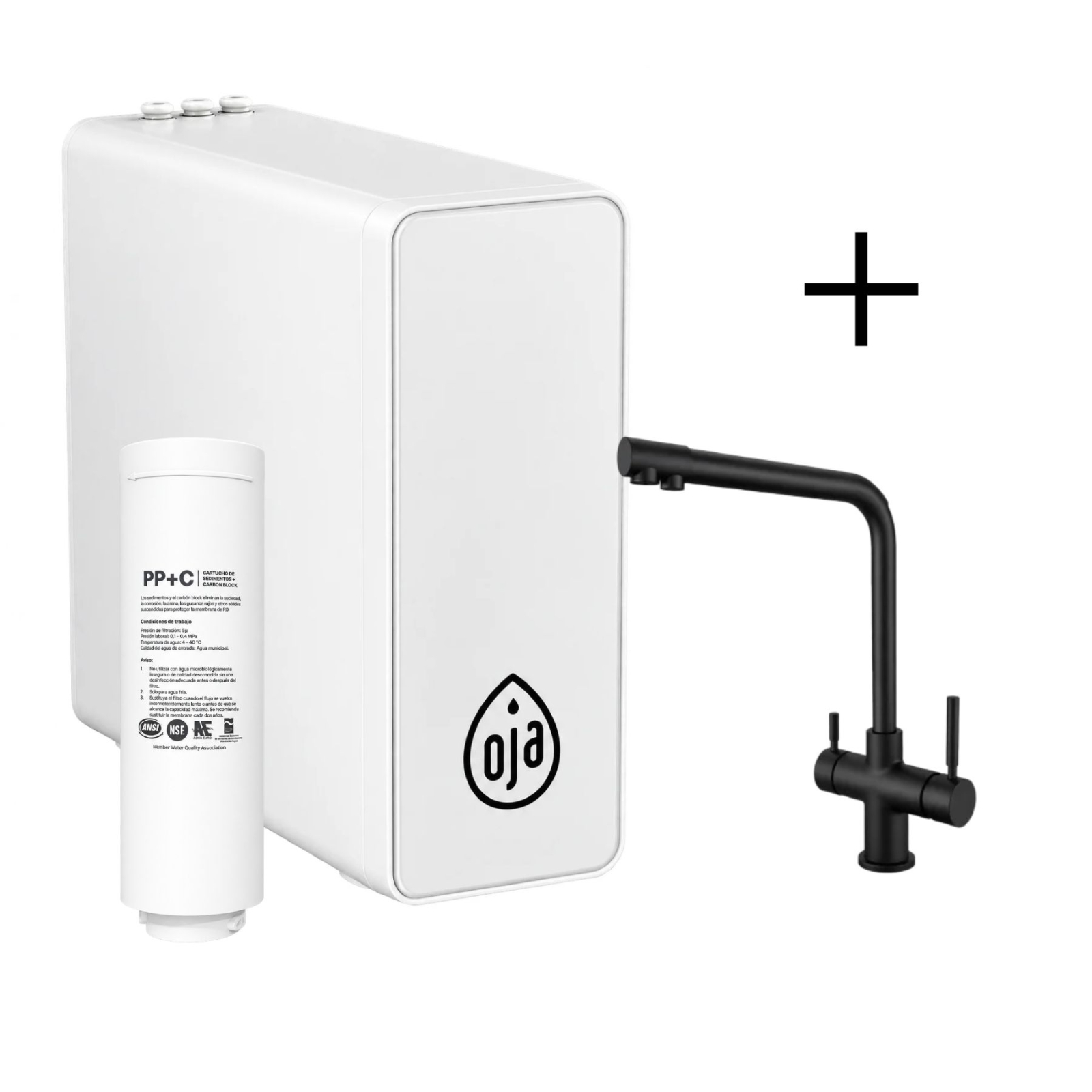
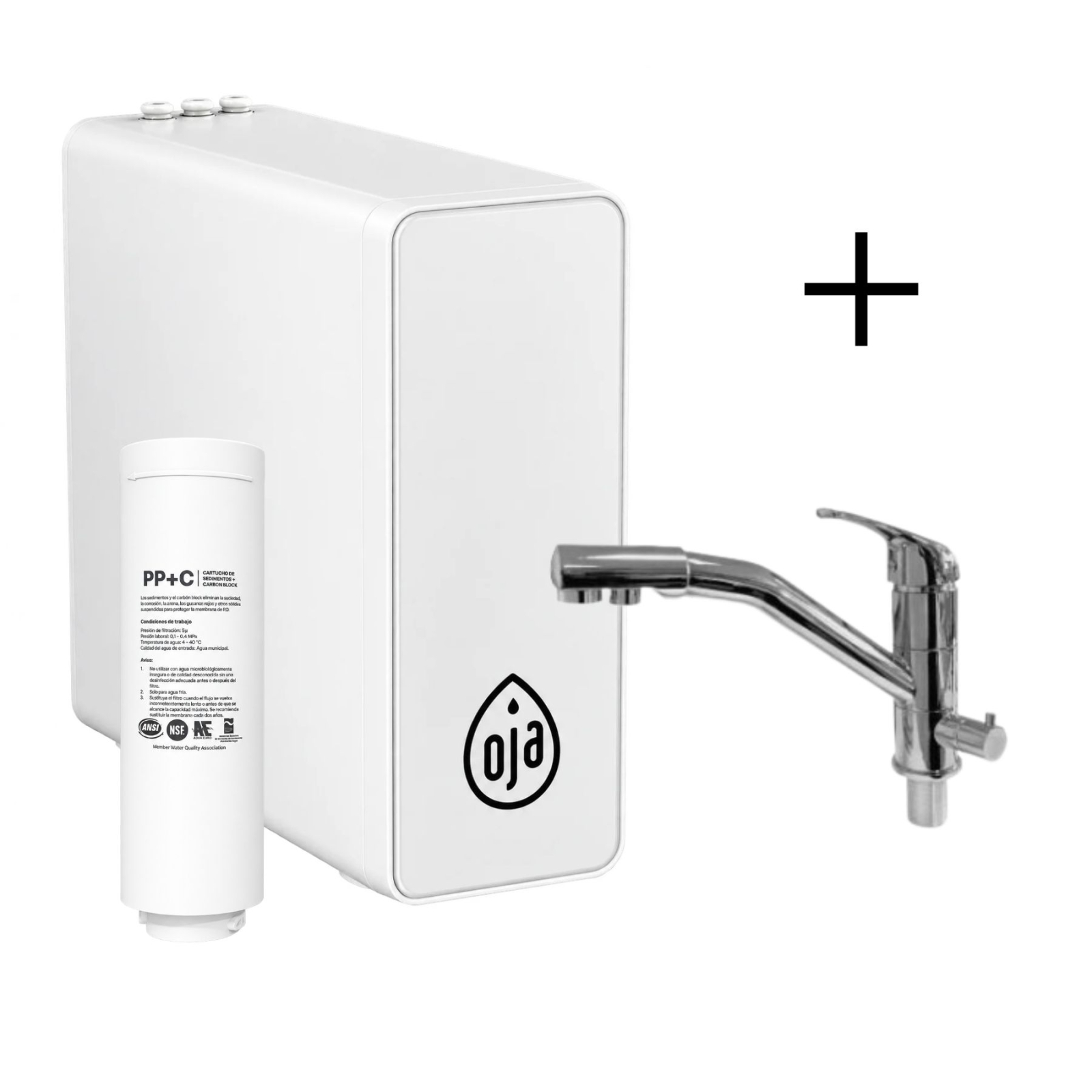
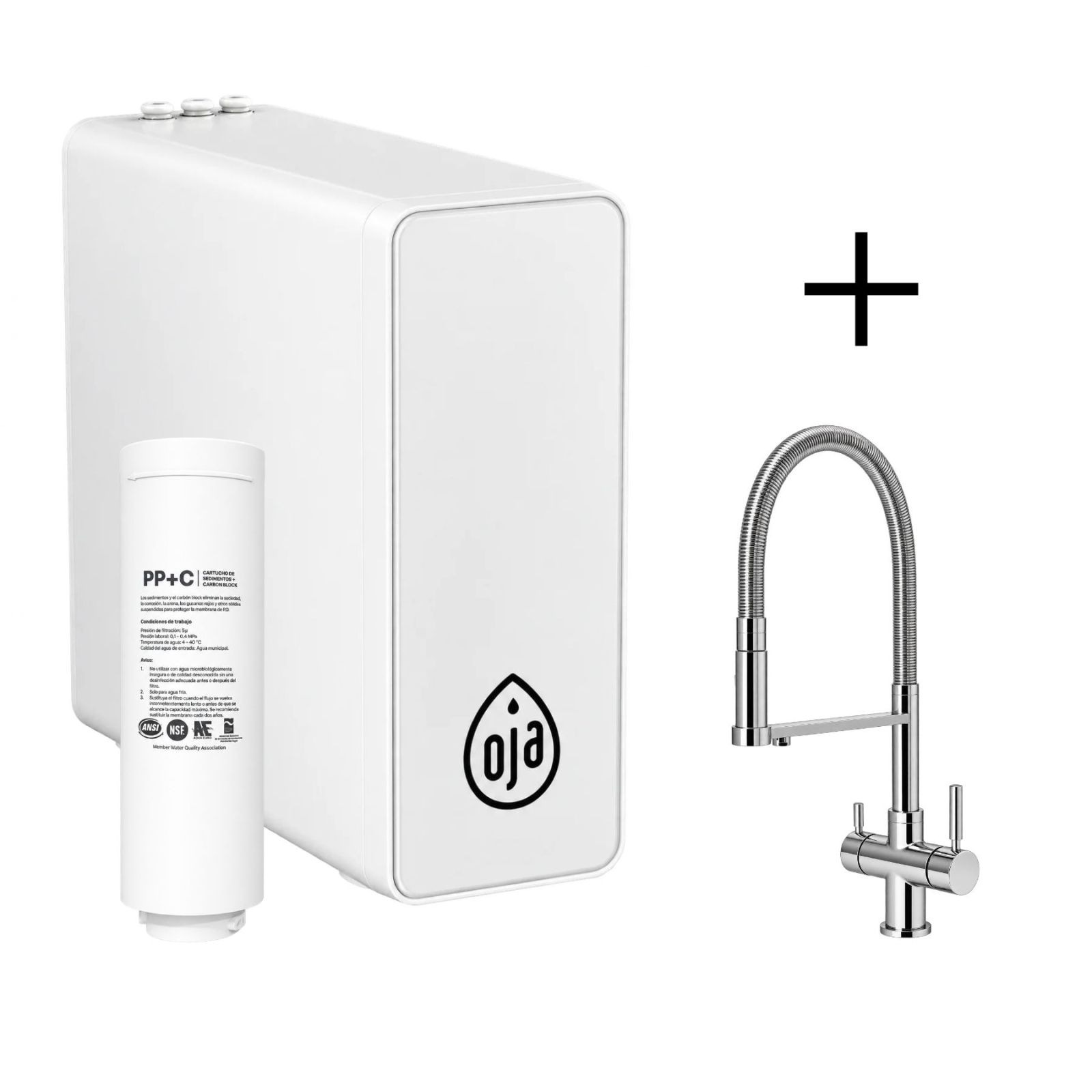
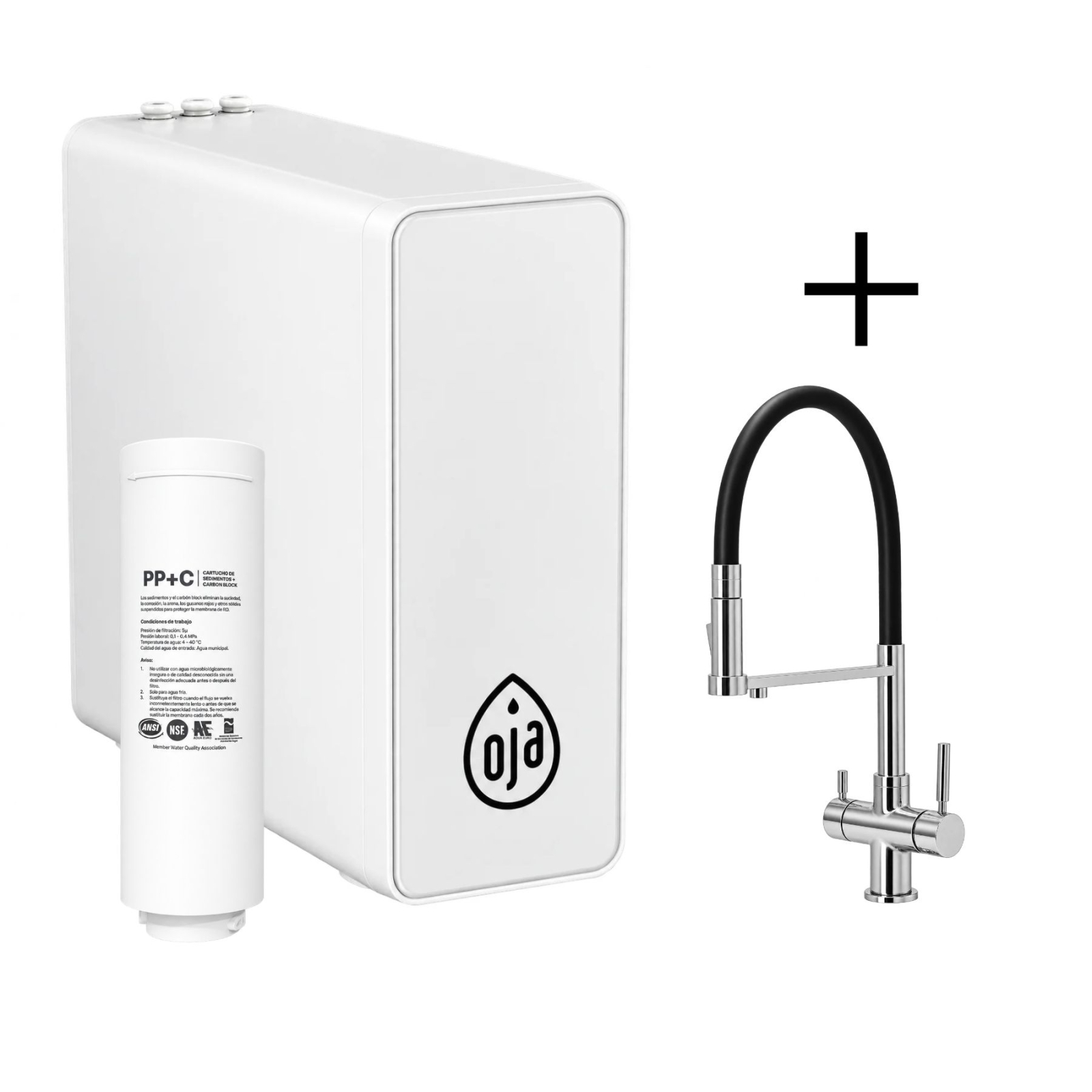
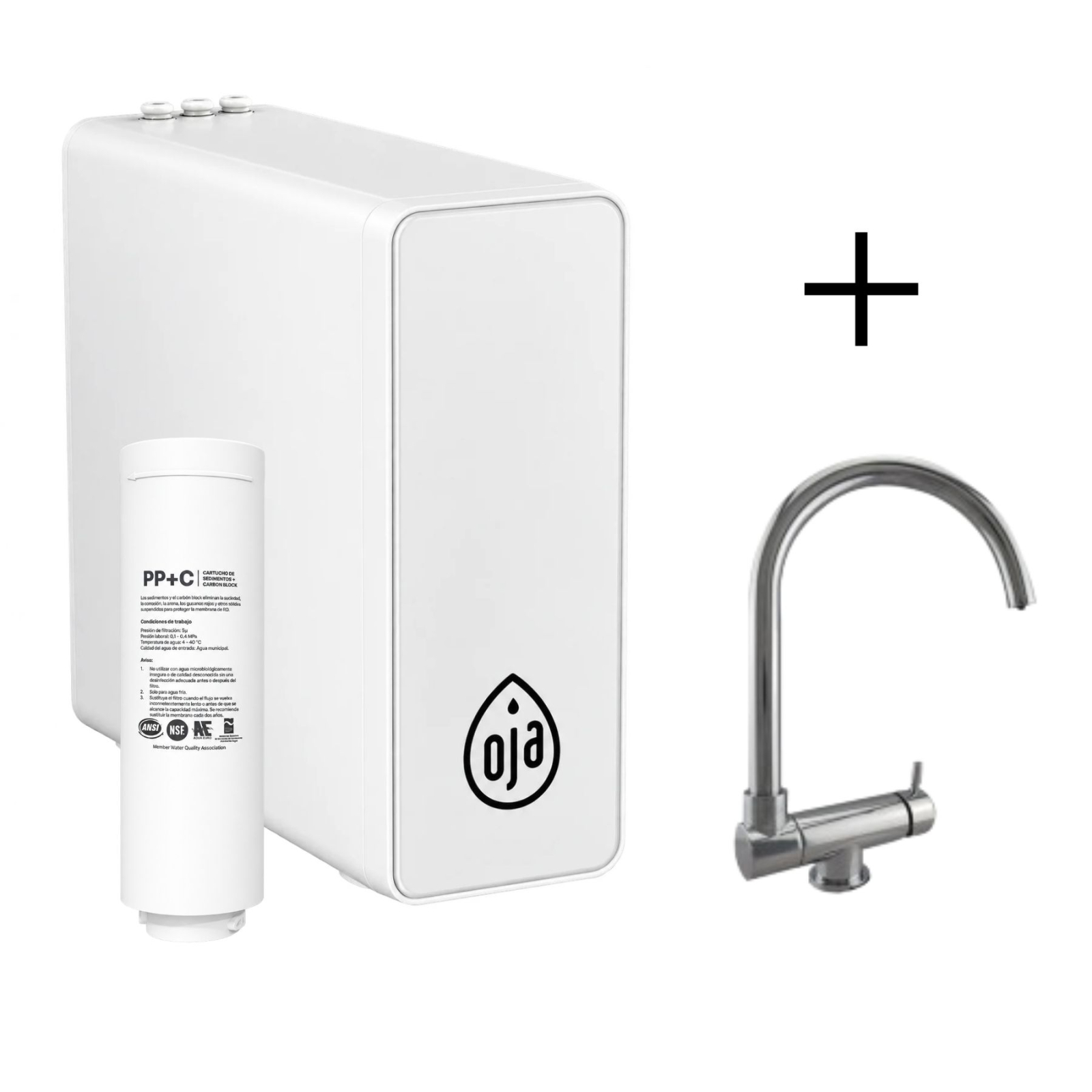
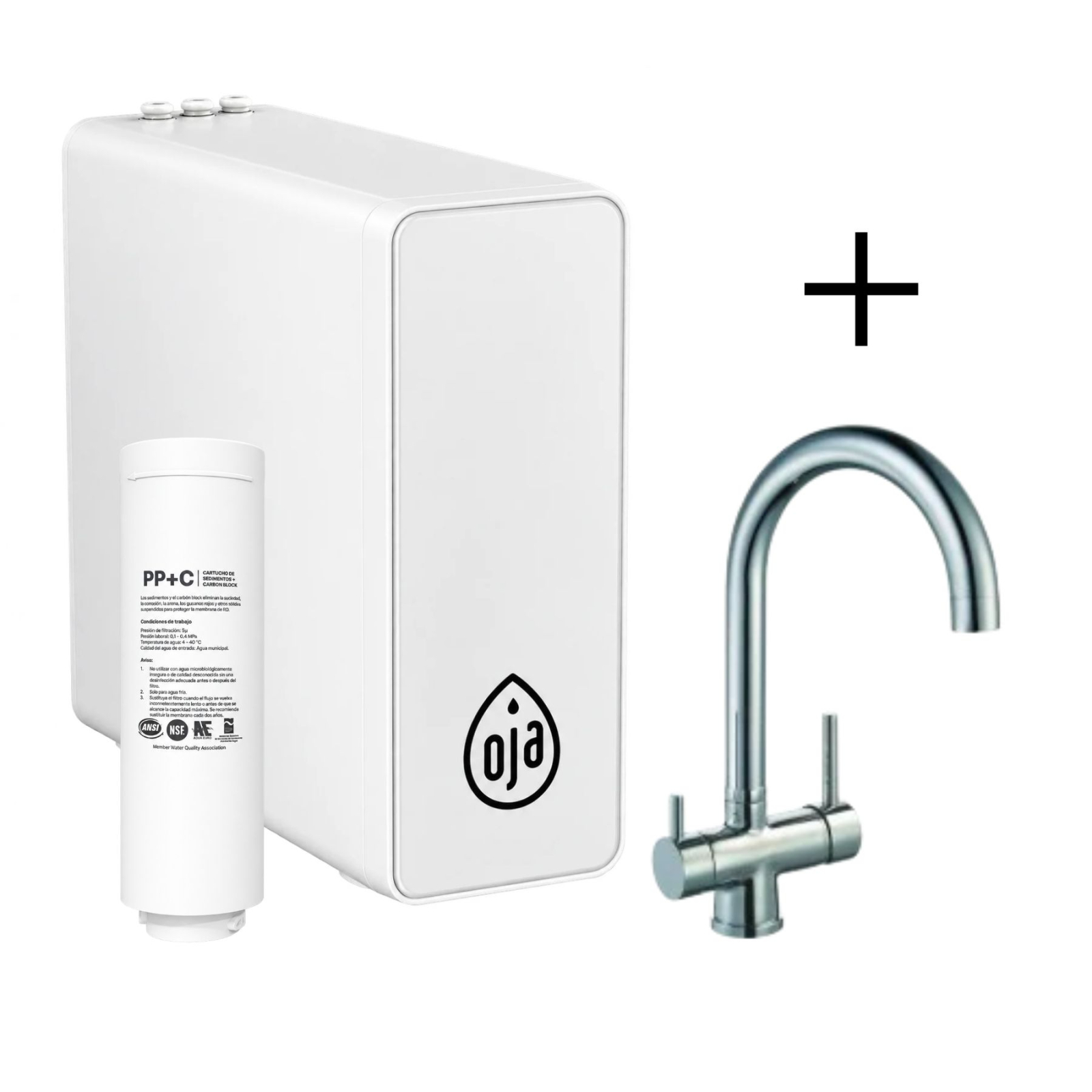

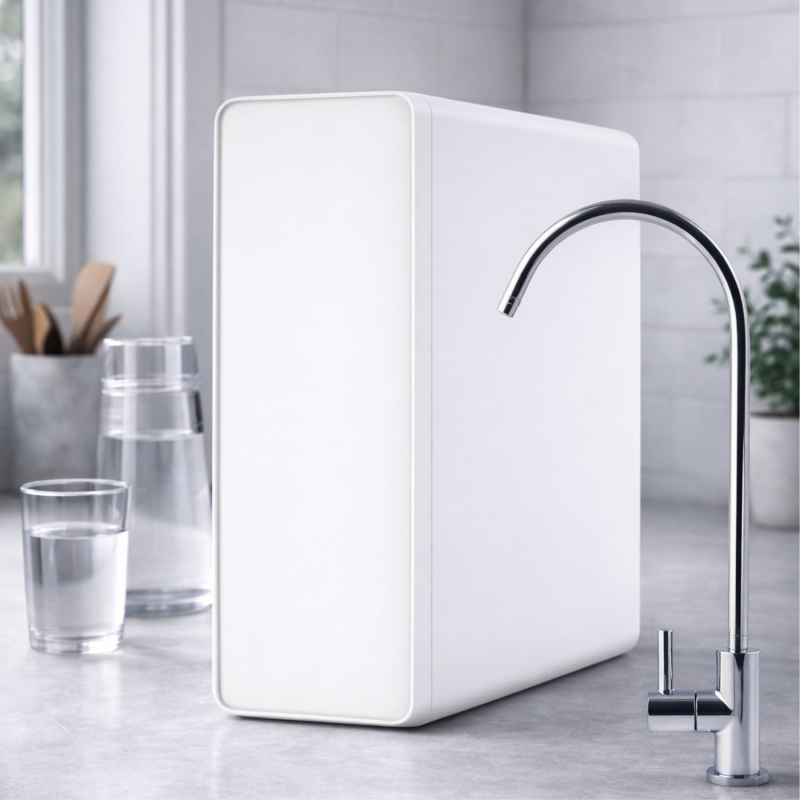
Discover the combination of eco-friendliness, compact, streamlined design and high flow rate: the Optimos RO system!
Getting pure remineralized water at your faucet has never been so easy and enjoyable...
Frequently bought together
Certifications

RoHS
Restriction of Hazardous Substances
The RoHS directive regulates the use of certain hazardous substances in electrical and electronic equipment to limit their presence in the components concerned.

CE marking
European conformity
CE marking indicates that the product concerned meets the applicable European requirements allowing it to be placed on the market within the European Economic Area.

FDA
U.S. Food and Drug Administration
The FDA is the U.S. authority responsible, among other things, for regulating many products related to food, health, and consumer safety.

Water Quality
Water treatment industry
This accreditation is associated with the water treatment and filtration industry and helps identify products that meet the relevant standards.

ISO 9001 & ISO 14001
Quality and environmental management
The ISO 9001 standard covers quality management systems, while the ISO 14001 standard addresses environmental management.

NSF
Standards related to water and public health safety
NSF develops, among other things, standards and evaluation protocols applicable to equipment and components used in water treatment.
Understanding certification standards and the assurances associated with reverse osmosis membranes.
Are your RO systems NSF certified?
A reverse osmosis membrane referenced in Josmose documentation, the RHD3013-600, holds NSF/ANSI 58 certification covering the safety of its materials. This certification does not mean that all Josmose RO systems are NSF certified. The scope of certification must always be checked for the model and components concerned.
What exactly does NSF 58 certification guarantee?
The NSF/ANSI 58 standard covers, among other things, material safety and certain characteristics of reverse osmosis systems. For the RHD3013-600 membrane, the test documents indicate an analysis covering more than 150 substances, including solvents, phthalates, nitrosamines, and hydrocarbons. No exceedances of the applicable thresholds were found. Please note: this material certification does not validate the contaminant reduction rates of the complete RO system.
What is the difference between NSF 58 and NSF 61?
The NSF/ANSI 58 standard covers home reverse osmosis water treatment systems. The NSF/ANSI 61 standard primarily addresses materials and components in drinking water distribution installations, such as pipes and valves. The two standards serve different purposes and rely on appropriate safety criteria.
How can you verify NSF certification?
Visit the official NSF website and consult the drinking water treatment equipment database. Search for the manufacturer Ningbo RXHL Technology and model RHD3013-600. Check that the certificate matches the component used in your unit and review the characteristics actually covered.
Where are the RO systems and their membranes manufactured?
Josmose technical documentation indicates that they are manufactured in China. The manufacturer of the RHD3013-600 membrane, Ningbo RXHL Technology, is monitored by NSF as part of its certification. Manufacturing origin alone is not enough to determine the quality of an RO system: materials, checks performed, and traceability are also essential.
Do you have test results for the filtered water?
Independent testing of the units is listed as ongoing in our documentation. A TDS tester also lets you measure the total amount of dissolved solids in the water before and after filtration. This measurement provides an indication of how reverse osmosis is working, but cannot, on its own, verify the absence of PFAS, pesticides, or other specific contaminants.
Optimos technical specifications
| Specification | Optimos |
|---|---|
| Purified water flow rate | 1.6 L/min |
| Nominal filtration capacity | 4,000 L |
| Inlet pressure | 0.1 to 0.4 MPa (1 to 4 bar) |
| Operating pressure | 0.4 to 0.8 MPa (4 to 8 bar) |
| PPC filter cartridge | 24 months or 2,000 L |
| RO membrane | 48 months or 4,000 L |
| Dimensions | H 35.2 × W 12.5 × D 32.8 cm |
| Compatible water | Public network (municipal) water |
| Operation | Direct flow, no tank |
The service lives shown are the nominal values provided for the consumables. They also depend on the volume of water treated.
Optimos maintenance and consumables
The Optimos monitors the condition of its two consumables: the PPC filter cartridge and the reverse osmosis (RO) membrane. The indicator lights let you track their service life and plan ahead for replacement.
24 MONTHS OR 2,000 L
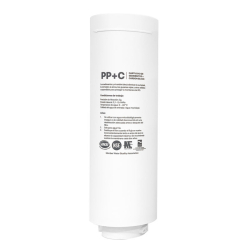
PPC filter cartridge
Pre-filters the water before it passes through the reverse osmosis membrane.
48 MONTHS OR 4,000 L
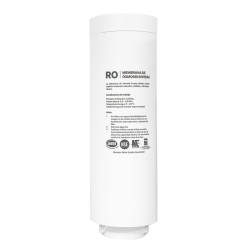
Reverse osmosis (RO) membrane
Handles the main purification step and produces the RO water.
How do you read the indicator?
Blue light: normal service life.
Flashing red light: less than 5% of service life remaining. It is time to plan for replacement.
Solid red light: the consumable has reached the end of its life. An audible alarm also signals that a replacement is needed.
After more than 2 days without use
Let the purified water run for at least 5 minutes before using it.
Optimos RO system installation
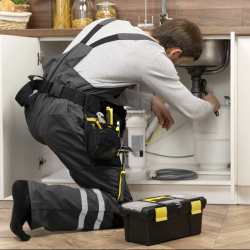
The Optimos installs under the sink. To operate, it requires a cold water supply, a drain for the wastewater, an faucet for the RO water and a power supply.
Cold water supply
Feeds mains water to the RO system.
RO water faucet
Dispenses the water produced by the unit.
Drain
Allows the wastewater to drain away.
Electrical outlet
A power supply must be available nearby.
First start-up
After installation, perform the initial flush as described in the manual. The manufacturer advises against drinking the purified water produced during the first day of use.
High limescale levels: hard water can promote scaling of the membrane. Depending on your water quality, an upstream anti-limescale treatment solution may be recommended. Discover our water softeners →
Documents
Optimos frequently asked questions
Does the Optimos need a tank?
No. The Optimos is a direct-flow system and produces RO water on demand.
What is the Optimos flow rate?
The purified water flow rate is approximately 1.6 L/min.
Does the new Optimos have remineralization?
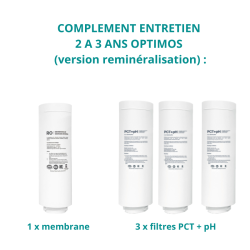
No. The new version of the Optimos comes without a remineralization stage. An earlier version with a PCT + pH cartridge existed, but it is no longer sold.
When should the consumables be replaced?
The PPC filter cartridge has a nominal service life of 24 months or 2,000 L. The RO membrane has a nominal service life of 48 months or 4,000 L. The unit monitors their service life and alerts you when a replacement is needed.
Can I use a filter cartridge from an older Optimos?
There are several generations of the Optimos with different cartridges. Check the reference of your unit and of your cartridge before ordering a consumable.
What happens after 30 minutes of continuous operation?
After 30 minutes of continuous filtration, the unit switches to protection mode and stops operating. Unplug the unit and plug it back in to restore normal operation.
What should I do after several days without using the Optimos?
After more than two days without use, let the purified water run for at least 5 minutes before use.
What are the dimensions of the Optimos?
The Optimos measures 35.2 cm high × 12.5 cm wide × 32.8 cm deep.
What if my water is very hard?
Starting at around 25 °f of hardness, we recommend using a water softener or an anti-limescale protection system to preserve the membrane.
Where can I find consumables for my Optimos?
Find consumables in our RO system consumables section. If you are unsure which generation your Optimos is, contact us before ordering.
Benefits of reverse osmosis
A reverse osmosis system uses the principle of reverse osmosis to reduce many dissolved substances and impurities present in water. This technology produces highly purified water, available directly at the faucet or water dispenser.
Why choose reverse osmosis?
The main benefits
Reverse osmosis or ultrafiltration? Discover the differences between reverse osmosis and ultrafiltration .
What can reverse osmosis reduce?
Examples of substances and impurities
Depending on the membrane used, the quality of the feed water and the operating conditions, reverse osmosis can help reduce many substances present in water.

Comparison of Direct-Flow Home RO Systems
| Feature | PICOS | OPTIMOS THIS MODEL |
MINEROS 2.0 | OLYMPOS |
|---|---|---|---|---|
| Dimensions | 20 × 13 × 30 cm | 35.2 × 12.5 × 32.8 cm | 15 × 46 × 38 cm | 46 × 15.5 × 41.5 cm |
| Flow rate | 75 L/h | ≈ 1.6 L/min | 150 or 180 L/h depending on version |
300 L/h |
| Rated membrane life | 1 to 2 years | 48 months or 4,000 L | ≈ 3 to 4 years | 2 to 3 years |
| Remineralization | No | No | Depending on version | No |
| Ideal for | Ultra-compact for small spaces | Compact with infrequent maintenance | High flow rate with optional remineralization | Very high flow rate |
| Discover | View the Picos | You are here | View the Mineros 2.0 | View the Olympos |
Consumable lifespans are given as a guide and may vary depending on usage and water quality.