
-
-
-
Refurbished RO systems

Tested and inspected RO systems for pure water at a reduced price.
See offersRO system + water softener pack
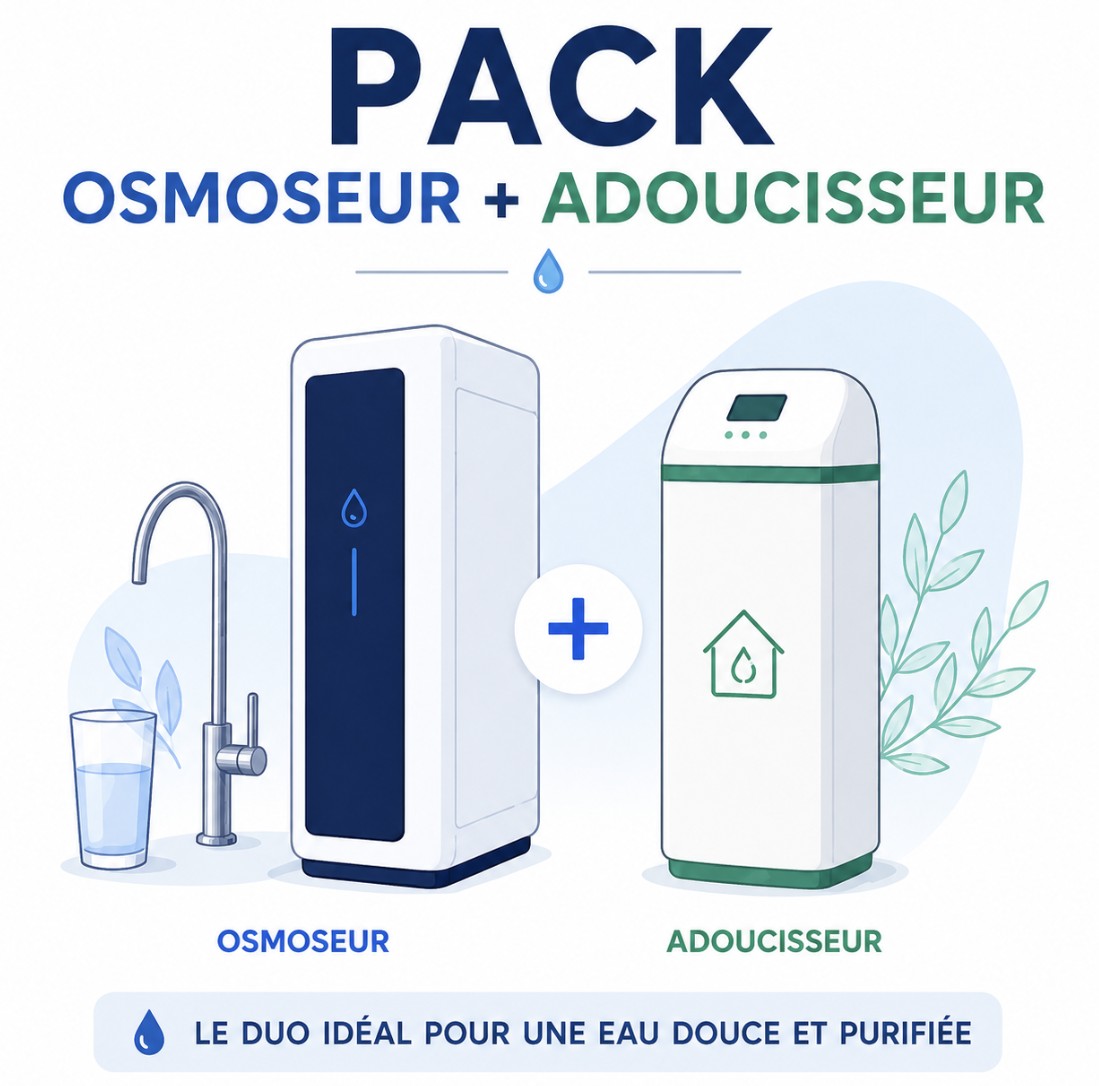
Complete protection with an RO system and a water softener.
Get 15% offRO system + hydrogen water generator pack
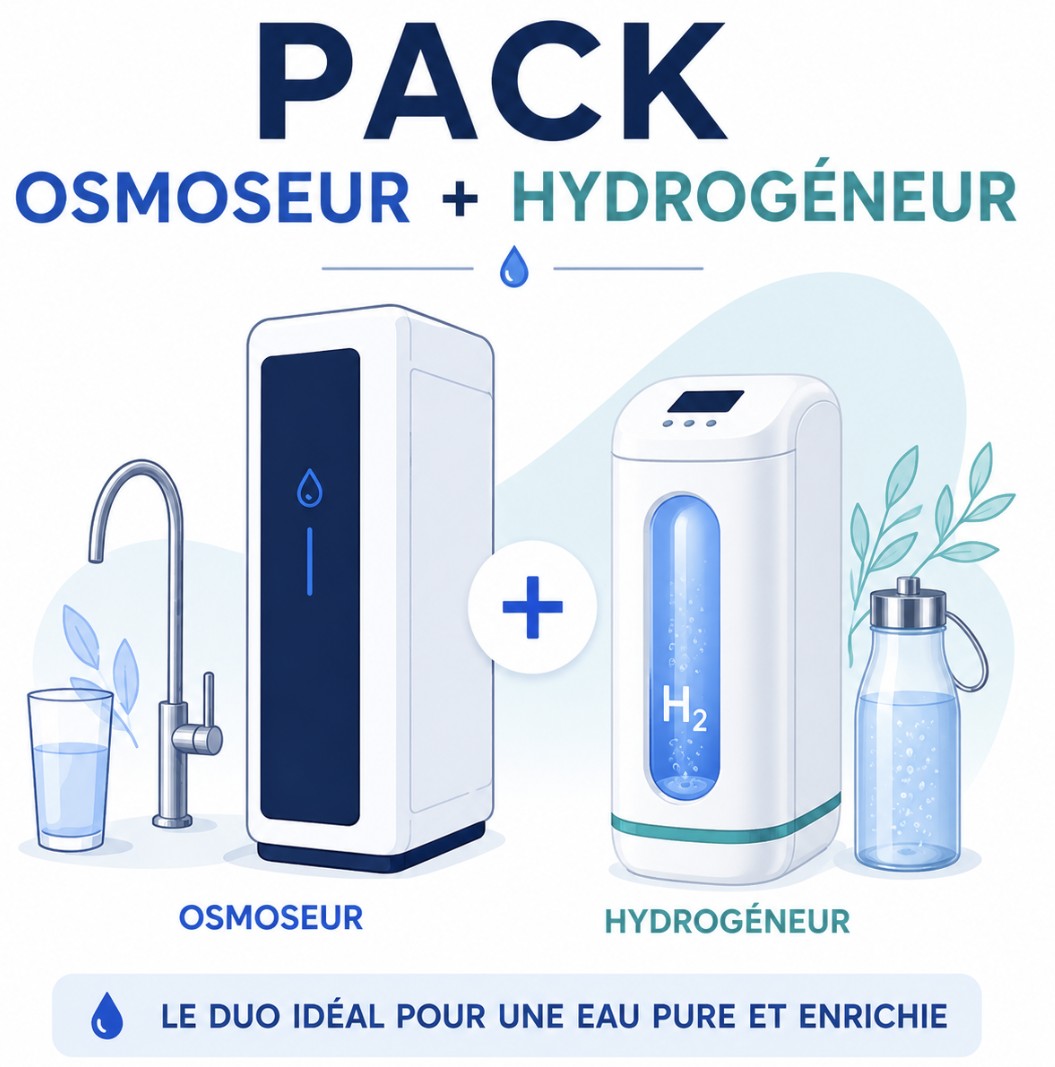
Combine reverse osmosis water and hydrogen-rich water.
Get 15% off
-
-


FREE SHIPPING
On orders of €150 or more within mainland France
(home products only)
Ships within 24 hours
+33 3 66 88 17 85
Call us Monday to Friday,
9:30 am–5 pm (Paris time)!
Email: contact@josmose.fr

Membranes
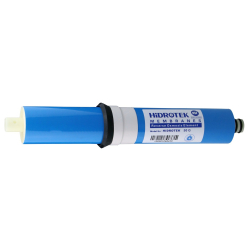
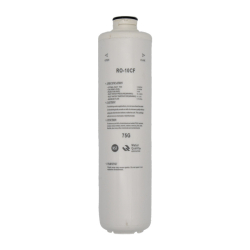
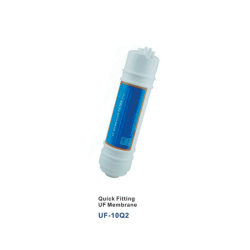
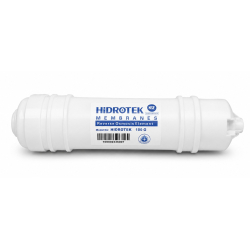
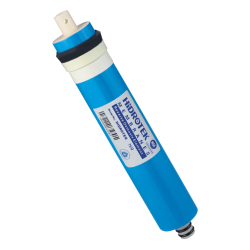
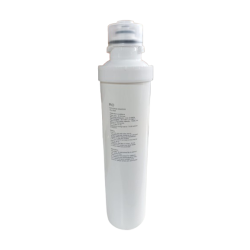
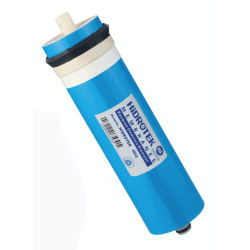
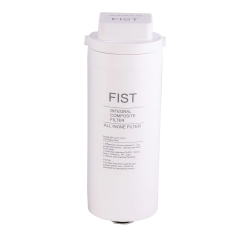
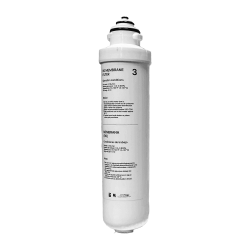
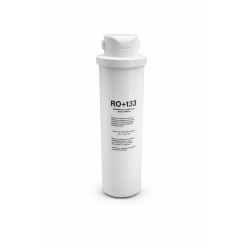
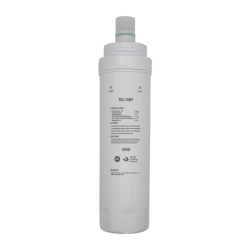
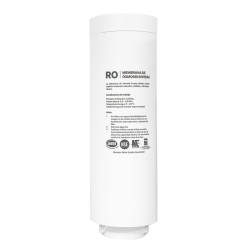
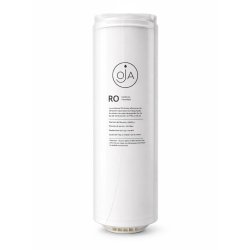
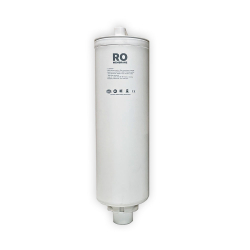
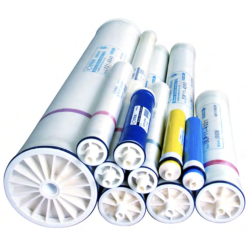
RO membrane: benefits
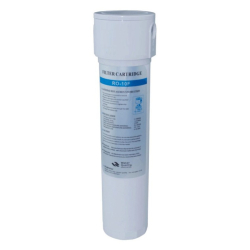
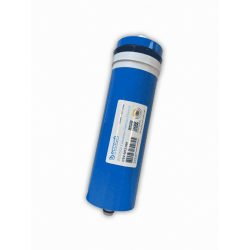
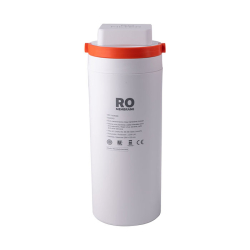
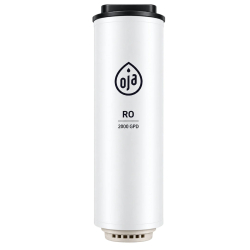
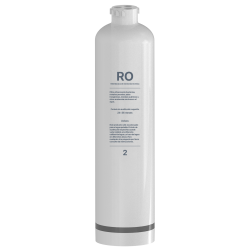
Reverse osmosis membranes are the most important elements of the water filtration process. They remove heavy metals, bacteria and viruses.
Several sizes are available depending on your daily water consumption.
Role of the reverse osmosis membrane
The reverse osmosis membrane is made of TFC (Thin-Film Composite) polyamide and is the most advanced stage of water filtration. It removes heavy metals, bacteria and viruses. The pores of a reverse osmosis membrane are so small that they only let water molecules (H2O) through. The 3 pre-filters are only there to make the membrane's job easier by trapping the largest particles. They thus help extend its life.
Want to learn more about how reverse osmosis works? Watch our video explaining in detail what reverse osmosis filtration is.
RO membrane maintenance
A reverse osmosis membrane should be replaced every two years on average. If your RO system has an LCD screen, it will tell you when it needs to be replaced. Otherwise, you will notice a drop in flow rate, which means the membrane is clogged. Replacement takes just one minute.
Maximize your savings by buying maintenance kits for 2, 4 or 6 years.
The different types of RO membranes
There are different types of membranes, and it is important to know which one is best suited to your RO system.
At Josmose, you will find a variety of low-priced reverse osmosis membranes. We offer several sizes and several brands (Ultimos, Optimos, industrial RO system membranes…) depending on your needs.
"Standard" membrane for home RO systems
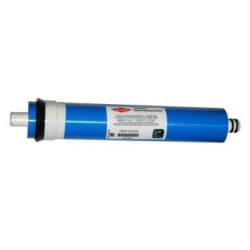
These membranes are available in 75, 100, 150 and 300 GPD. They fit into the membrane housing designed for them and are relatively easy to replace. The advantage of this type of membrane is that it is fairly generic and therefore easy to find.
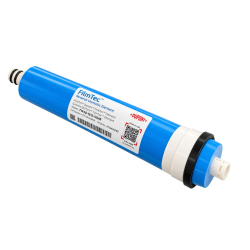
Filmtec membrane
Filmtec membranes are made by DOW, which supplies NASA for its space missions so that astronauts have water. These membranes are reputed to be the best in the world, which is why we offer and recommend them.
Benefits of Filmtec membranes
- High salt rejection
- High resistance to hard water
- Stable performance even with a variable water source
These RO membranes offer optimal resistance to hard water and stable performance, whatever the water source.
Bayonet membrane
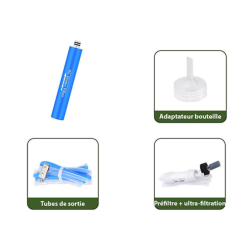
Designed specifically for the Rapid'eau, the Ultimos and the RO water dispenser, these membranes come pre-installed in bayonet cartridges that can be replaced very easily, in a single click. Bayonet membranes are available from 50 GPD.
When should you use an RO membrane?
The main function of a reverse osmosis system is to filter water by removing all the impurities it may contain. To do this, an RO system has various components, including the RO membrane, the filter, the filter cartridge, etc. If you have an RO system at home or are considering buying one, you may be wondering when to use this membrane. Here is what you need to know about this key component of an RO system.
The RO membrane ensures water filtration
An RO system is an effective, economical and inexpensive device for removing impurities from water. It combines many parts and various RO system consumables that ensure it works properly. Among them, the RO membrane is essential.
The RO membrane is at the heart of the water filtration process. This is its one and only role in an RO system. It is therefore an essential component if you want fully purified drinking water.
The RO membrane traps the smallest particles
In the water filtration process, the RO membrane works with pre-filters in a water pre-filtration stage. These trap the largest particles, while the RO membrane handles the smallest particles. It provides the final stage of water filtration.
Thanks to its very small pores, the RO membrane can trap heavy metals, viruses and bacteria. Only water molecules can pass through them. This allows you to obtain quality RO water at any time.
But like all other types of RO system consumables, the membrane also needs to be cleaned and replaced regularly to optimize results. You therefore need to know how to determine the right time to replace it.
How do you clean an RO membrane?
When an RO membrane is clogged, you will notice a drop in water flow rate. To maintain it, you need to clean it properly with alkaline water. Then, rinse it with softened water and treat it with an acidic solution to correct the pH. In any case, remember to replace the membrane to ensure your RO system operates at its best.