


- Online only

Tested and inspected RO systems for pure water at a reduced price.
See offers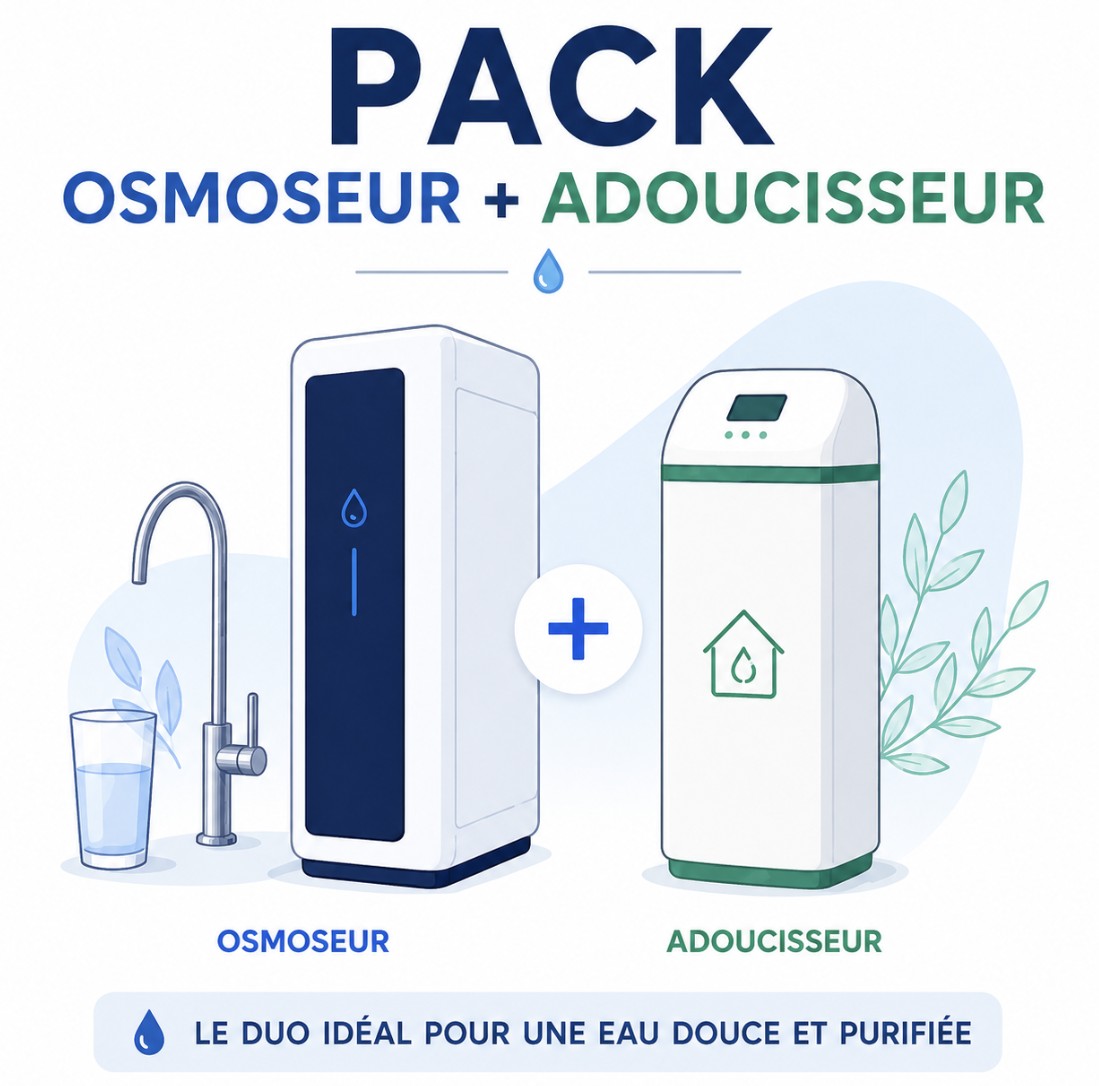
Complete protection with an RO system and a water softener.
Get 15% off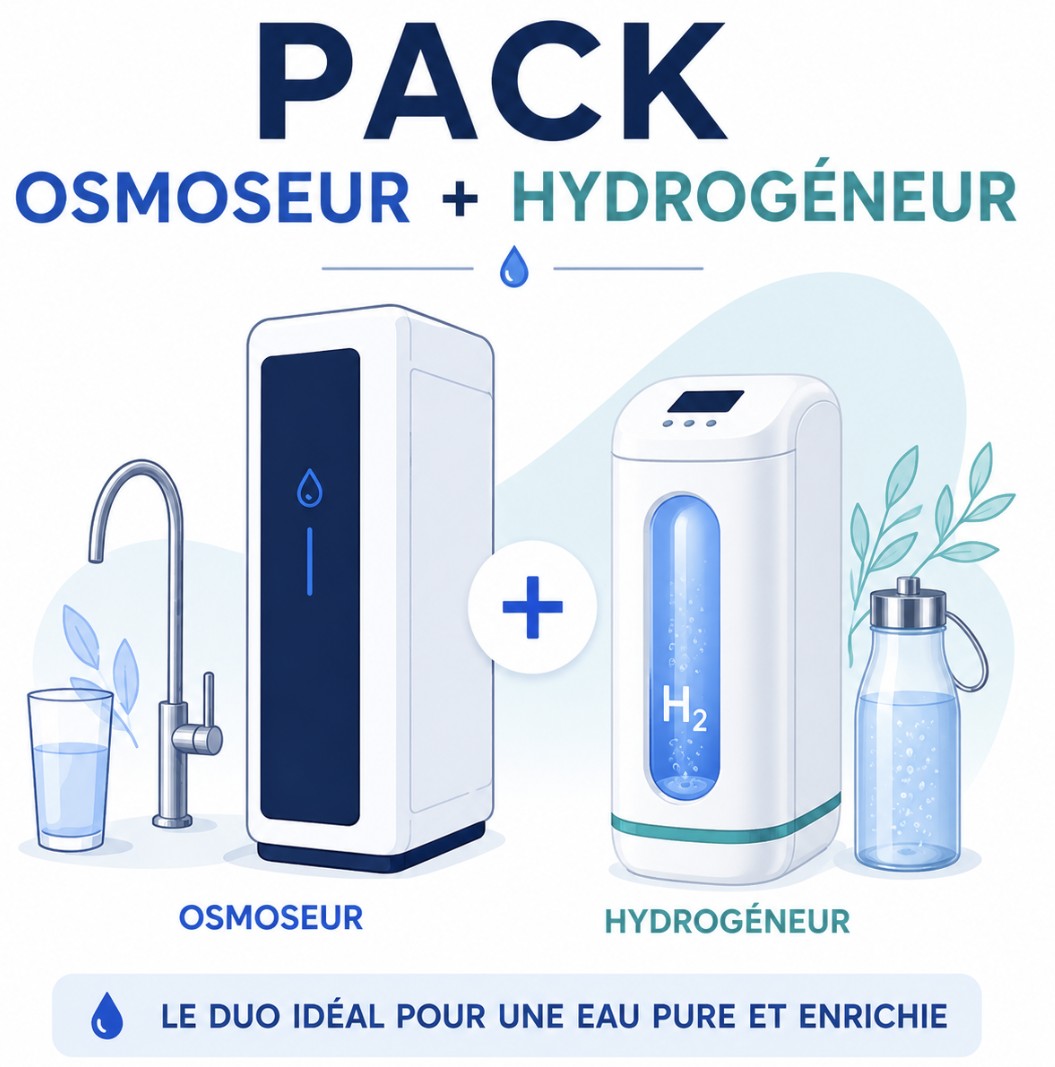
Combine reverse osmosis water and hydrogen-rich water.
Get 15% offFREE SHIPPING
On orders of €150 or more within mainland France
(home products only)
Ships within 24 hours
+33 3 66 88 17 85
Call us Monday to Friday,
9:30 am–5 pm (Paris time)!
Email: contact@josmose.fr

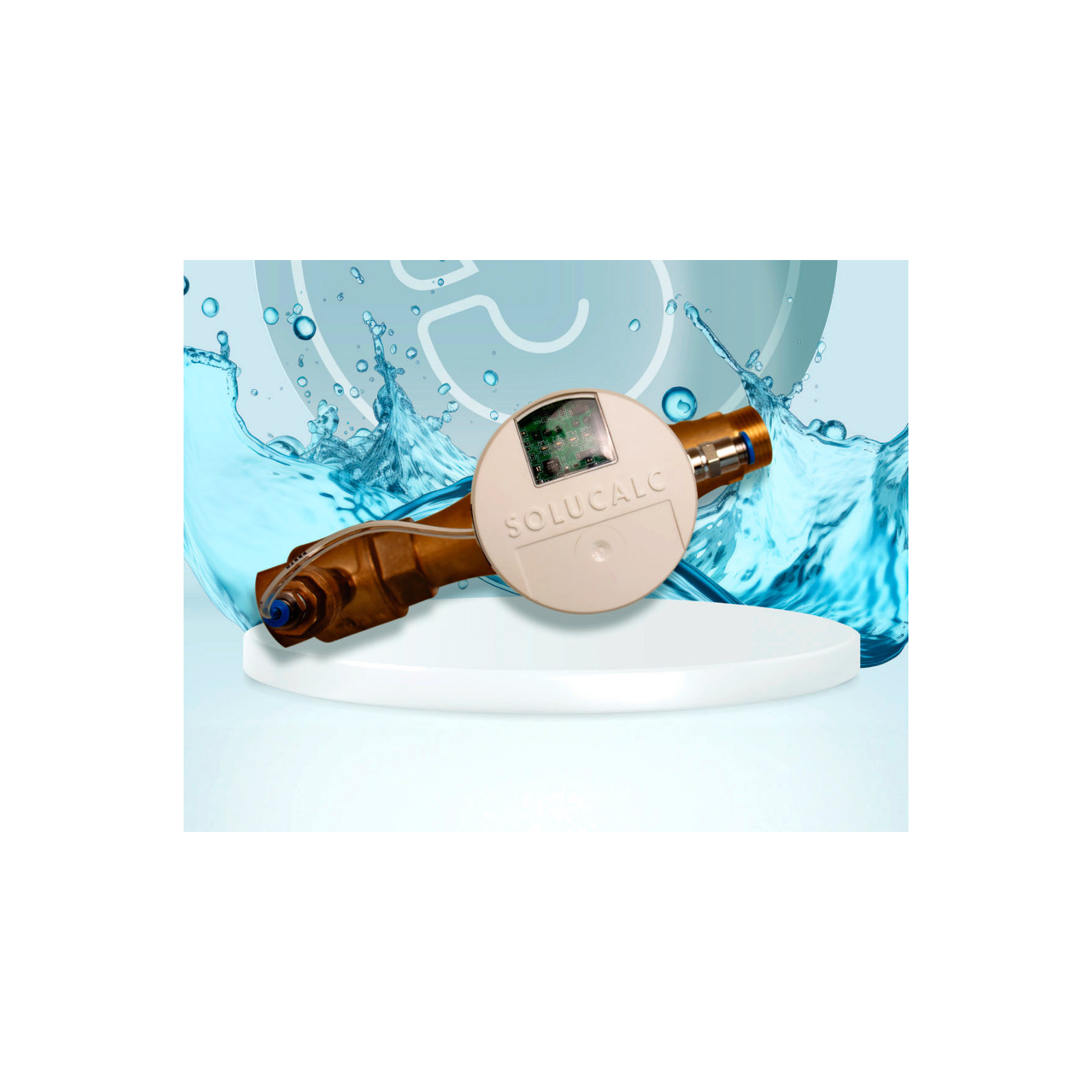
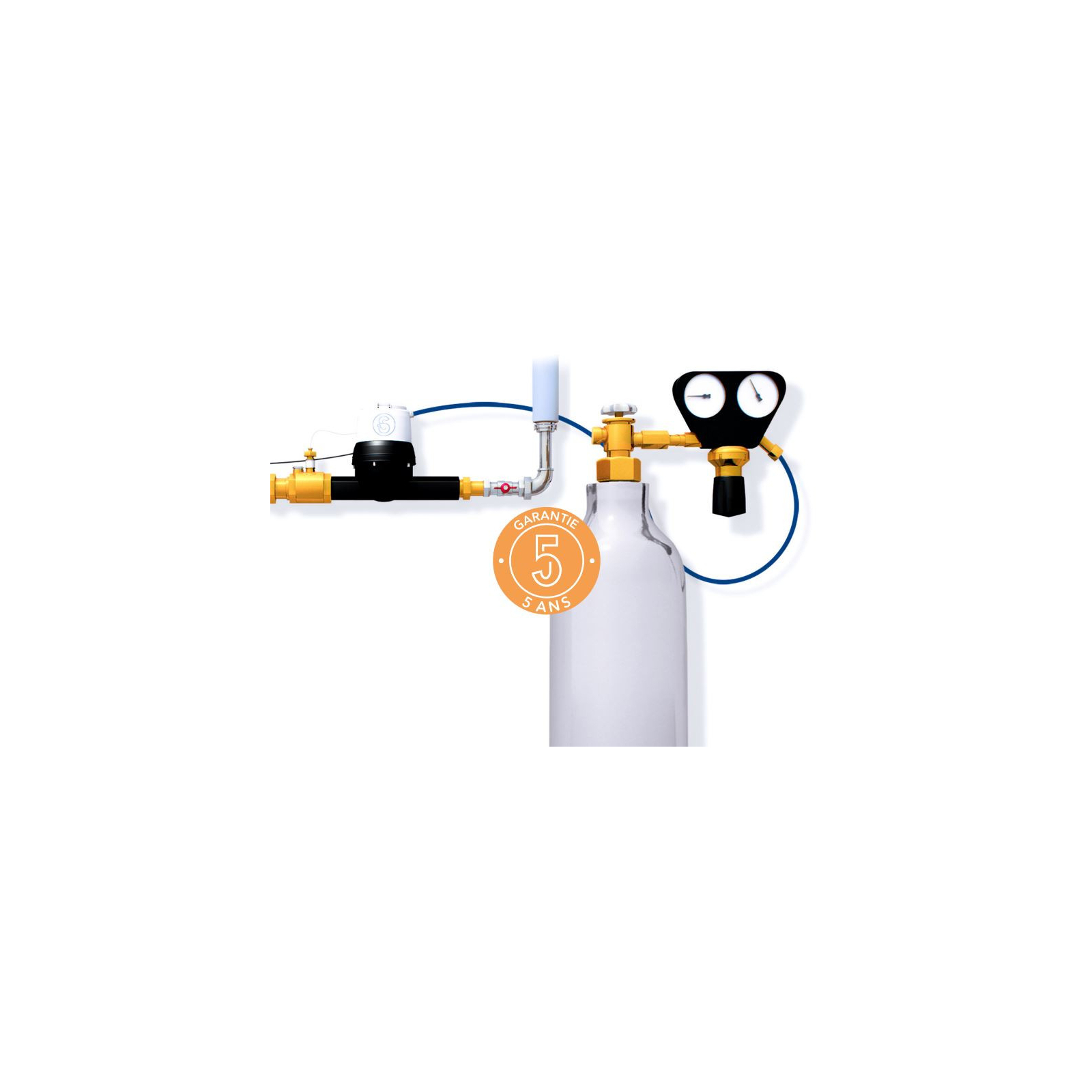
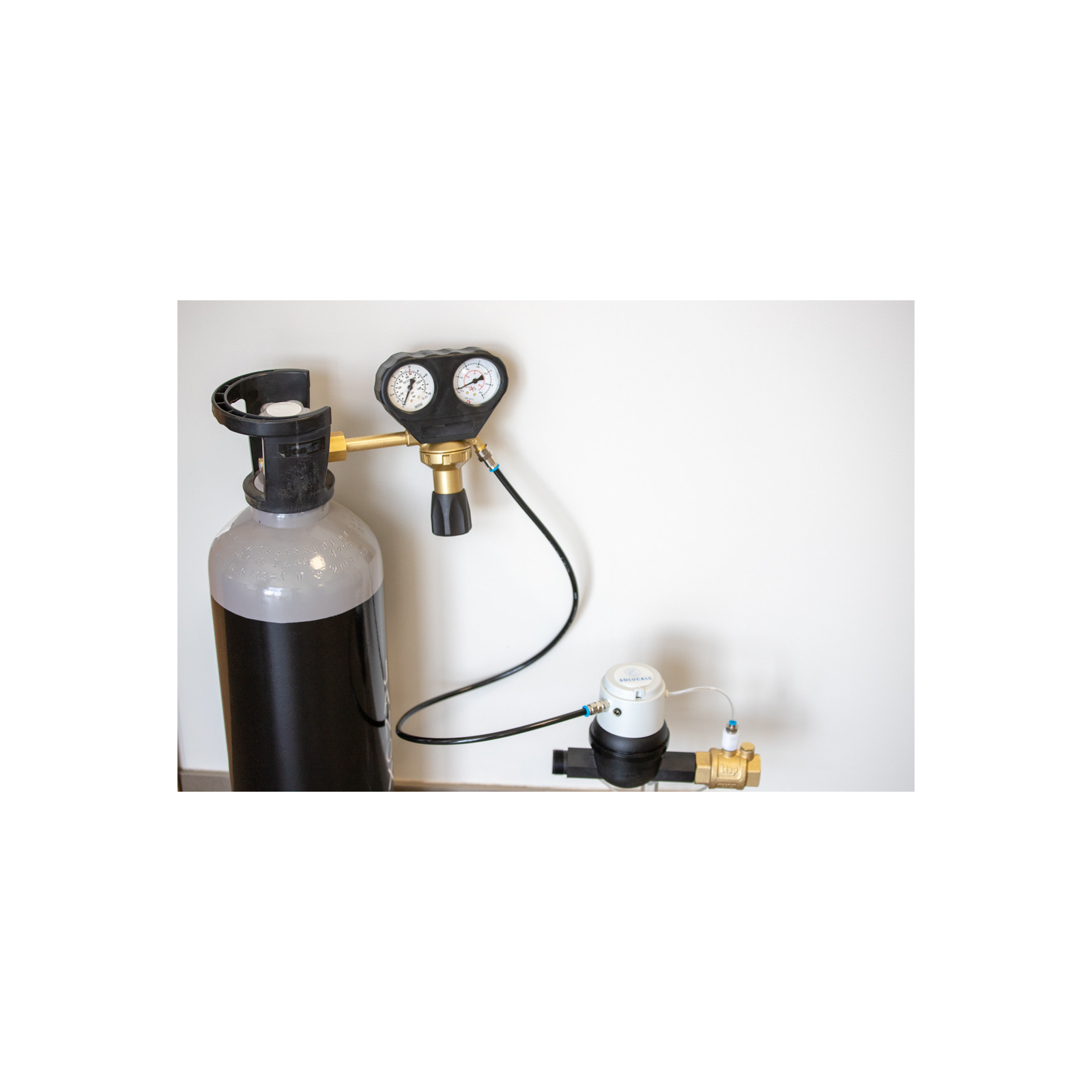

Scan this QR code to access a platform with all the technical documentation you need to install and commission your SoluCalc.

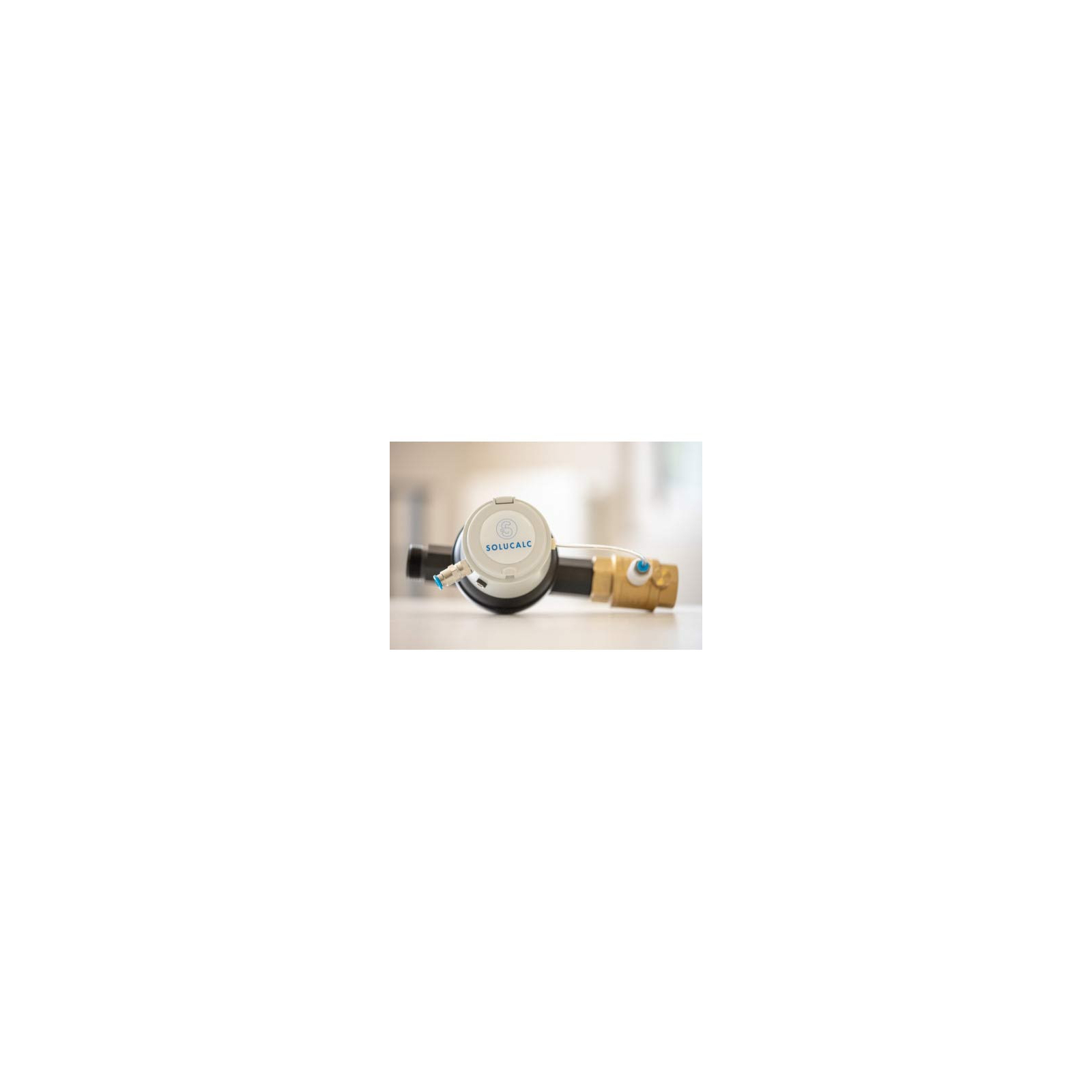
The SoluCalc is installed immediately after your water meter. A pressure regulator with a filter is installed upstream to protect the SoluCalc from potential impurities in municipal water and, above all, from water hammer (major pressure fluctuations in the water supply). You do not have to buy this pressure regulator from us, but you must install one for the Solucalc's 5-year warranty to apply. Please provide a 220V power outlet within one meter of the unit.
Installation is very easy with our video tutorial. We also offer a video call to check your installation remotely.
The SoluCalc requires a one-time manual adjustment at startup: a pressure difference of 0.2 bar between the CO2 pressure and the dynamic water pressure.
Adjustment procedure: available in a video and in the user manual.
Since this adjustment is manual, your water pressure must be stabilized at X bar to set the SoluCalc to X + 0.2 bar. A good pressure regulator is therefore essential to ensure your SoluCalc works properly. This is the only adjustment needed! The SoluCalc is designed to automatically adjust CO2 injection based on the instantaneous water flow rate.
With the initial setting maintained, the SoluCalc can clean your plumbing very gently and slowly. Limescale embedded in your plumbing will gradually dissolve in the water and be carried away by the water flow.
Allow about 2 hours for a complete installation and adjustments if this is your first time, but an experienced plumber can do it in less than an hour.
Everything you need to know about your SoluCalc CO2 water softener
What maintenance is required?
The SoluCalc requires no maintenance. You only need to replace the CO2 cylinder when it is empty.
What warranty is included?
The SoluCalc comes with a 5-year warranty, provided you install a pressure regulator, available as an option on this page or purchased separately.
Why does water hardness stay the same with the SoluCalc?
Water hardness measures the amount of calcium in one liter of water. Unlike salt-based water softeners, which replace this calcium with sodium, the amount of calcium does not change after treatment with the SoluCalc. Instead, it converts calcium carbonate into calcium bicarbonate. The measured calcium level is therefore identical before and after the SoluCalc, so the hardness remains the same. The SoluCalc eliminates the drawbacks of limescale without removing calcium from your water. You can still check your SoluCalc's effectiveness by measuring your water's pH, or simply by noticing that you no longer need white vinegar or hydrochloric acid to clean your faucets.
What are the limitations?
When water evaporates, the calcium bicarbonate still present in the water remains as a white powder that does not stick to surfaces. This residue is very easy to clean because it is no longer limescale, so a quick wipe with a cloth is all it takes. When water evaporates completely on a heat source (an evaporation-based steam oven or a commercial dishwasher), calcium bicarbonate tends to bake onto the heating element because it cannot evaporate.
Evaporation without a heat source causes no problems, since calcium bicarbonate can be removed with a quick wipe. A white layer will still remain in your kettle: this is calcium bicarbonate that has baked onto the heating element. However, your coffee machine, kettle, boiler, and all your heating equipment are protected.
Have you heard concerns about corrosion?
It is true that injecting large amounts of CO2 into water tends to make it more acidic. Water with a pH that is too low (<5) may corrode pipes.
That is why the SoluCalc was designed with components tested and approved for over 10 years to ensure micro-dosing of CO2, injecting only the amount needed to treat the water you use and thus avoiding corrosion problems. You can easily check your water's pH with a simple pH meter.
What about after-sales service for your SoluCalc Co2 water softener?
Most after-sales service requests involve settings that have been changed: if the CO2 pressure is lower than the water pressure, the SoluCalc cannot inject CO2. This is simply a matter of physics.
The first thing to do is repeat the adjustment procedure (a very simple 30-second procedure, available in a video and in the user manual). If the problem is not resolved after a few days, you can contact us directly by email or phone, and we will go through the diagnostic procedures with you. If your unit proves defective, you can receive a replacement under warranty.
How much CO2 does it use?
The SoluCalc uses food-grade CO2, the same gas used in draft beer systems in bars and restaurants. It is therefore readily available commercially.
A 10 kg cylinder treats an average of 100 m3 of water, equivalent to the average annual consumption of a family of 4. These cylinders are supplied on a deposit basis, and a gas refill costs about 40 € for 10kg of CO2.
Does CO2 pose a risk?
CO2 does not explode, and it is used in many fire extinguishers. In addition, the SoluCalc uses food-grade CO2, the same gas used in SodaStream devices and draft beer systems… You simply need to know that it is an asphyxiating gas that is heavier than air.
If it leaks, it tends to fill a room from the floor up. You therefore need to be careful with installations that require large quantities of CO2 in a room without ventilation. For risk calculations, keep in mind that 10 kg of CO2 represents about 5 m3 of gas. Calculate accordingly based on the room where the cylinders will be installed. We offer a CO2 detector on our website.
How can you tell when the cylinder is empty?
When the CO2 cylinder is empty, the pressure shown on the regulator's left pressure gauge drops to 0. It does not work like a car's fuel gauge, which gradually drops as you use up the fuel in your tank.
The CO2 pressure gauge reads 0 when there is no gas left in the cylinder. You will usually notice this because limescale returns to your plumbing.
If you would like an immediate alert before limescale returns, we offer an empty cylinder detection system.
