


Recherche dans le blog
Water Softeners
What is a water softener used for?
- What is a water softener?
- Why should you remove limescale from water?
- Does this affect me? Do I need a water softener?
- Is installing a water softener complicated?
- How do I adjust my water softener?
- What comes next?
- Reason No. 1: Rediscover the true feel of water on your skin
- Reason No. 2: Protect your pipes and your wallet
- Reason No. 3: Protect your household appliances
- Reason No. 4: Stop using excessive amounts of cleaning products
The impact of limescale on your bills
How do you choose your water softener?
The different types of water softener valves
TUTORIAL: Connecting your water softener to the water supply
VIDEO: Installing your water softener
- The different buttons on the water softener valve
- Programming your water softener
- Manually regenerating your water softener
Recommendations before installing a water softener
- Choosing the right location for your water softener
- Thoroughly checking your water softener before installation
- A minimum pressure is required
- Protecting your water softener
- Tools for installing your water softener
- Accessories for installing your pre-filter
Water softener diagram and components
- Water softener installation diagram
- The different components of a water softener
- How a water softener works
- The regeneration process
- Where should you install a water softener?
Manually Regenerating Your Water Softener
A quick guide to manually regenerating water softeners equipped with the OJA electromechanical valve
The second button on the display is used to start water softener regeneration manually. The resin in a new OJA water softener is already operational. However, we recommend starting a regeneration cycle immediately after installing the equipment to check that the regeneration cycle runs properly. At the end of this cycle, there should be water in your water softener's tank ; you can then add salt for the water softener's next regeneration cycle.
This option is also very useful when you have not added salt to your water softener for a long time. In that case, your water softener is no longer doing its job. The valve will follow the previously programmed cycles until your water softener becomes fully effective again.
You can advance the cycle manually by pressing the regeneration button again.
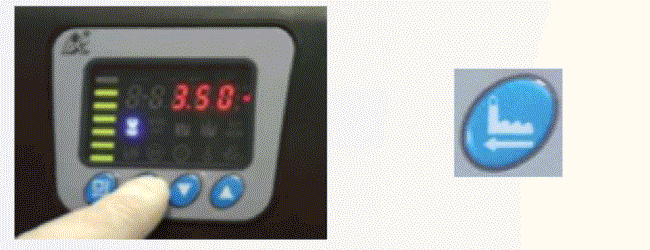
When the water softener regeneration cycle is complete, measure the water hardness again after the water has passed through the water softener. A hardness (TH) between 5°F and 10°F is recommended.
Before taking this measurement, make sure your bypass is in the "Service" position, because in the "Bypass" position, water does not pass through your water softener.
If the water hardness is below 5°F, open the bypass slightly to let a little untreated water through, and repeat the test as many times as necessary until the water reaches the desired hardness.
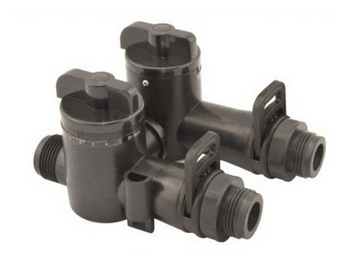
Once this process is complete, the water softener is correctly adjusted. For your water softener to work properly, you must supply it with enough salt. The salt is stored in the tank, around the resin cylinder.
If the power supply fails for an extended period, the programmed time may change. You will then need to reprogram the valve, following the instructions given earlier.
If the power outage lasts less than 8 hours, the program should not be affected.
- Published on
- Water Softeners
Related products
Related blog posts
>-

The Different Types of Water Softeners
Hard water wreaks havoc on pipes and household...
-

Connecting Your Water Softener to the Water Supply
This guide enables you to install your OJA water...
-
The Different Types of Water Softeners
Hard water wreaks havoc on pipes and household...
-
Connecting Your Water Softener to the Water Supply
This guide enables you to install your OJA water...