


Recherche dans le blog
Water Softeners
What is a water softener used for?
- What is a water softener?
- Why should you remove limescale from water?
- Does this affect me? Do I need a water softener?
- Is installing a water softener complicated?
- How do I adjust my water softener?
- What comes next?
- Reason No. 1: Rediscover the true feel of water on your skin
- Reason No. 2: Protect your pipes and your wallet
- Reason No. 3: Protect your household appliances
- Reason No. 4: Stop using excessive amounts of cleaning products
The impact of limescale on your bills
How do you choose your water softener?
The different types of water softener valves
TUTORIAL: Connecting your water softener to the water supply
VIDEO: Installing your water softener
- The different buttons on the water softener valve
- Programming your water softener
- Manually regenerating your water softener
Recommendations before installing a water softener
- Choosing the right location for your water softener
- Thoroughly checking your water softener before installation
- A minimum pressure is required
- Protecting your water softener
- Tools for installing your water softener
- Accessories for installing your pre-filter
Water softener diagram and components
- Water softener installation diagram
- The different components of a water softener
- How a water softener works
- The regeneration process
- Where should you install a water softener?
Recommendations Before Installing a Water Softener
Choosing the right location for your water softener
ESSENTIAL: The location chosen for installation must have:
- Water supply: Check that the pressure is at least 2.5 Bar and no more than 6 Bar
- Electrical supply: 220 V – 50 Hz
- Drain
Thoroughly checking your water softener before installation
Before proceeding with installation, check that the water softener has all its components and that none have been damaged during shipping. If you notice any deterioration or damage that occurred during shipping, you must file a claim with the carrier within 24 hours of receiving the equipment.
A minimum pressure is required!
Your water softener must be installed with a water supply pressure between 2.5 and 6 Bars. For higher pressures, you will need to install a pressure-reducing valve before the water inlet to the sediment filter (not included) located upstream of the water softener. In the vast majority of cases, the water supply provides sufficient pressure.
Protecting your water softener
- Do not use the water softener with hot water.
- This equipment must be protected from freezing, rain, moisture, and direct sunlight. The water softener's drain must be below the overflow level.
- The water softener requires regular maintenance. Read the blog posts on water softener maintenance.
Tools/accessories for installing your water softener
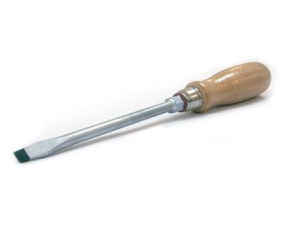
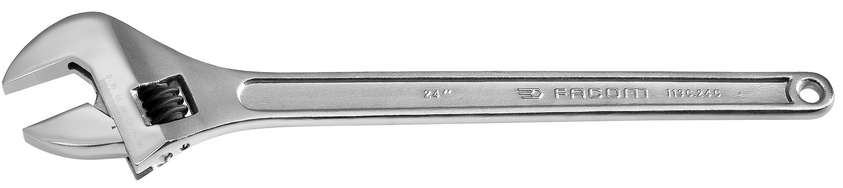
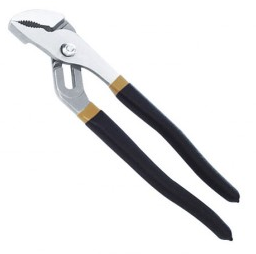
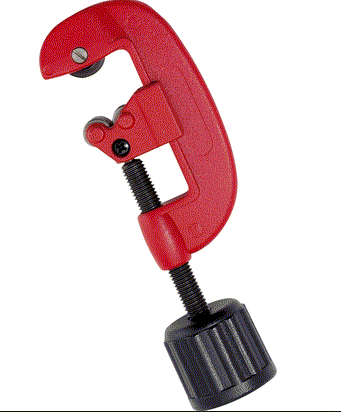
If you would like to install your water softener yourself, which isn't very complicated with some basic DIY skills, here are the tools you will need:
|
A screwdriver
|
An adjustable wrench
|
Tongue-and-groove pliers
|
A tubing cutter
|
|
A steel wool pad
|
Scissors
|
A bucket
|
Two 3/4" compression fittings
|
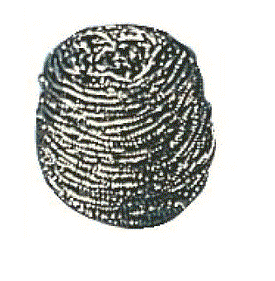
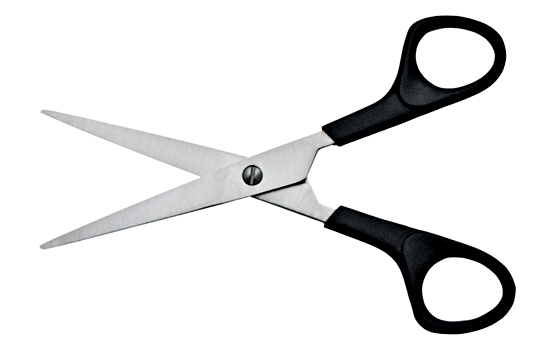
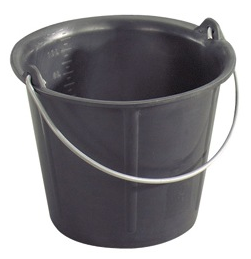
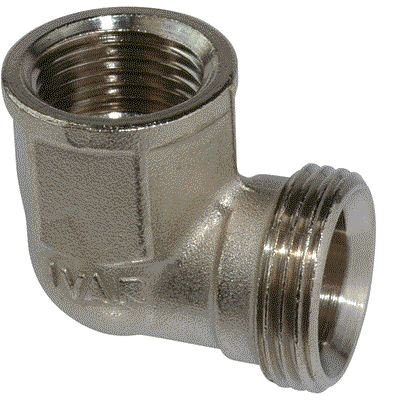
Accessories for installing your pre-filter
And if you have a pre-filter to install:
|
Two 3/4" nipples
|
An additional 3/4" flexible plumbing hose
|
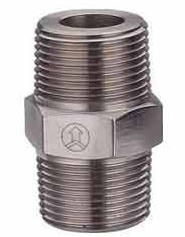
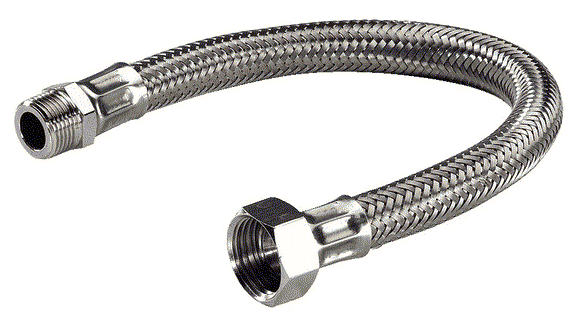
The other necessary accessories are supplied with your water softener.
Next step: REVIEW THE DIAGRAM and the water softener's components
- Published on
- Water Softeners
Related products
Related blog posts
>-

The Different Types of Water Softeners
Hard water wreaks havoc on pipes and household...
-

How to Choose Your Water Softener
To get the information you need to know how to choose...
-

Why Soften Your Water?
Wondering why it is important to soften your water?...
-
The Different Types of Water Softeners
Hard water wreaks havoc on pipes and household...
-
How to Choose Your Water Softener
To get the information you need to know how to choose...
-
Why Soften Your Water?
Wondering why it is important to soften your water?...