


Recherche dans le blog
Water Softeners
What is a water softener used for?
- What is a water softener?
- Why should you remove limescale from water?
- Does this affect me? Do I need a water softener?
- Is installing a water softener complicated?
- How do I adjust my water softener?
- What comes next?
- Reason No. 1: Rediscover the true feel of water on your skin
- Reason No. 2: Protect your pipes and your wallet
- Reason No. 3: Protect your household appliances
- Reason No. 4: Stop using excessive amounts of cleaning products
The impact of limescale on your bills
How do you choose your water softener?
The different types of water softener valves
TUTORIAL: Connecting your water softener to the water supply
VIDEO: Installing your water softener
- The different buttons on the water softener valve
- Programming your water softener
- Manually regenerating your water softener
Recommendations before installing a water softener
- Choosing the right location for your water softener
- Thoroughly checking your water softener before installation
- A minimum pressure is required
- Protecting your water softener
- Tools for installing your water softener
- Accessories for installing your pre-filter
Water softener diagram and components
- Water softener installation diagram
- The different components of a water softener
- How a water softener works
- The regeneration process
- Where should you install a water softener?
How Limescale Affects Your Bills and Why You Should Buy a Water Softener.
If you live in an area with hard water, you know what a real nuisance limescale can be. Whether it affects your pipes, appliances, dishes, laundry, or even your skin and hair, wherever limescale goes, it causes damage.
All these problems lead to higher bills, and the only way to avoid this is to install a water softener. We will take a detailed look at how limescale affects your surroundings.
Pipes
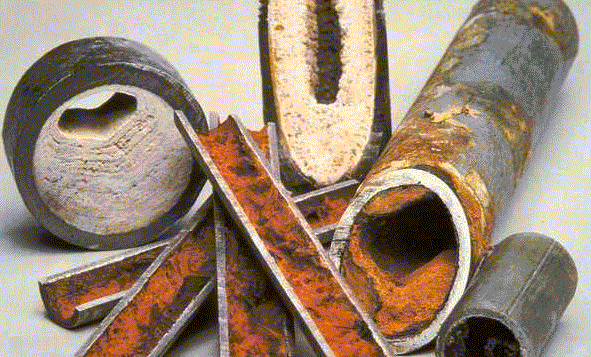
Your pipes can become clogged with limescale that builds up day after day. You can unclog your pipes with a plunger, hot vinegar, or chemicals (which are harmful to the environment) such as caustic soda, but these solutions are temporary. You can also decide to replace all your pipes, but even then, the problem will return over time.
The only lasting solution for protecting your pipes from limescale is to install a water softener. You will no longer waste time cleaning your pipes, and you will extend their lifespan.
Appliances
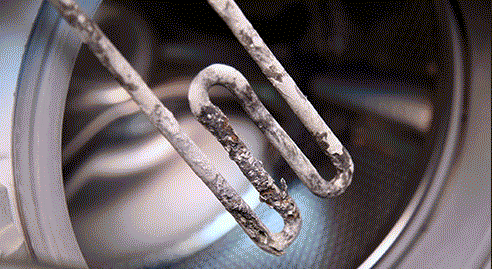
All your appliances that use water are affected. First, consider appliances that heat water. Limescale tends to build up on heating elements, which increases heating time and therefore raises your electricity bill. Who hasn't had a kettle completely whitened by limescale deposited on its walls?
In addition, limescale shortens the lifespan of your appliances, and you have to replace them more often. Limescale clogs the pipes in your appliances just as it clogs your plumbing. Because of limescale, your washing machine and dishwasher will be less effective. Your dishes will be marked with fine white streaks (limescale), and your clothes will be more irritating, less soft, and therefore less comfortable to wear.
Skin and hair
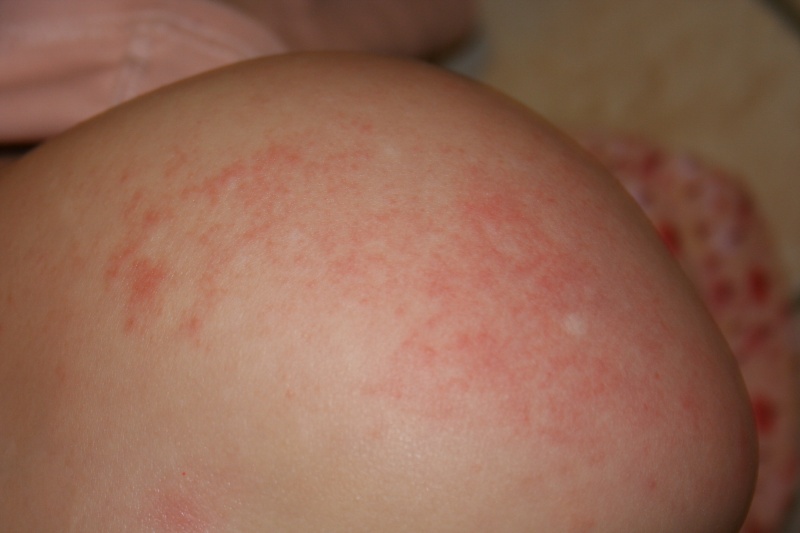
If you shower with hard water, skin problems can develop, such as dry skin, itching, irritation, or tingling. Limescale can encourage the development of certain skin conditions, such as eczema, dermatitis, or psoriasis.
Your skin is not the only part of your body affected by limescale. Limescale also dries out your scalp, causing your head to itch. Your hair also becomes drier and more brittle.
All the drawbacks mentioned above will contribute to higher expenses, whether for your electricity bills, replacement appliances, or beauty treatments for your skin or hair. Compared with all these expenses, buying a water softener will save you a substantial amount of money.
So don't wait any longer, and follow our selection guide to find the water softener that meets your needs!
- Published on
- Water Softeners,
- Combating Limescale
Related products
Related blog posts
>-

Fighting Limescale Every Day
Limescale is a threat to your plumbing, household...
-

Connecting Your Water Softener to the Water Supply
This guide enables you to install your OJA water...
-

How to Choose Your Water Softener
To get the information you need to know how to choose...
-

Why Soften Your Water?
Wondering why it is important to soften your water?...
-
Fighting Limescale Every Day
Limescale is a threat to your plumbing, household...
-
Connecting Your Water Softener to the Water Supply
This guide enables you to install your OJA water...
-
How to Choose Your Water Softener
To get the information you need to know how to choose...
-
Why Soften Your Water?
Wondering why it is important to soften your water?...