


Recherche dans le blog
Water Softeners
What is a water softener used for?
- What is a water softener?
- Why should you remove limescale from water?
- Does this affect me? Do I need a water softener?
- Is installing a water softener complicated?
- How do I adjust my water softener?
- What comes next?
- Reason No. 1: Rediscover the true feel of water on your skin
- Reason No. 2: Protect your pipes and your wallet
- Reason No. 3: Protect your household appliances
- Reason No. 4: Stop using excessive amounts of cleaning products
The impact of limescale on your bills
How do you choose your water softener?
The different types of water softener valves
TUTORIAL: Connecting your water softener to the water supply
VIDEO: Installing your water softener
- The different buttons on the water softener valve
- Programming your water softener
- Manually regenerating your water softener
Recommendations before installing a water softener
- Choosing the right location for your water softener
- Thoroughly checking your water softener before installation
- A minimum pressure is required
- Protecting your water softener
- Tools for installing your water softener
- Accessories for installing your pre-filter
Water softener diagram and components
- Water softener installation diagram
- The different components of a water softener
- How a water softener works
- The regeneration process
- Where should you install a water softener?
Installing Different Water Softening Systems
There are different types of water softeners, and each water softening system has its own installation requirements. You will see that installing a water softener is more or less complicated depending on the system.
Water softener components
From simplest to most complex:
SCALEX:

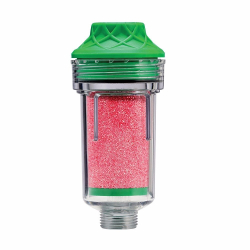
The SCALEX system softens water at a single point in your home, whether for a washing machine, dishwasher, or water heater. This system consists of just a housing with resin inside.
DeCal:

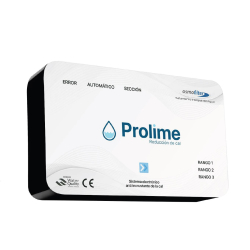
The DeCal system consists of a control unit and a coil. It prevents limescale from forming in your pipes. This system does not change the composition of the water and does not increase water consumption. It is therefore the most environmentally friendly system we offer.
Salt-based water softener:

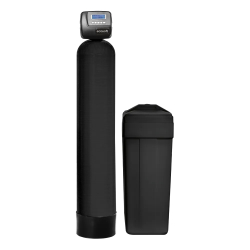
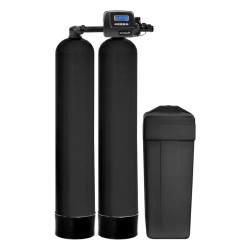
Water softeners with ion-exchange resin are equipped with a tank containing the resin and a brine tank (water + salt). A valve controls when the brine regenerates the resin. A bypass is needed to mix softened water with untreated water so that the water does not become too corrosive. A pre-filter can be added upstream of the water softener to protect the valve.
Installation
SCALEX:
This is the simplest system to install: just turn off the water supply to your washing machine or water heater. Then disconnect the water supply hose and place the SCALEX between the water supply hose and the appliance you want to protect from limescale.
DeCal:
The DeCal electromagnetic water softener works using an electromagnetic field. A control unit sends a signal through a coil wound around your home's water supply pipe. Simply wind the coil around the pipe and plug the control unit into an electrical outlet.
Conventional water softener:
For instructions on installing a salt-based water softener, an article is available here.
- Published on
- Water Softeners
Related products
Related blog posts
>-

I Want to Install My Water Softener Myself: Is It Possible?
It is entirely possible to install your water softener...
-

The Different Types of Water Softeners
Hard water wreaks havoc on pipes and household...
-

What Is a Water Softener For?
Here, we answer the main questions about our water...
-
I Want to Install My Water Softener Myself: Is It Possible?
It is entirely possible to install your water softener...
-
The Different Types of Water Softeners
Hard water wreaks havoc on pipes and household...
-
What Is a Water Softener For?
Here, we answer the main questions about our water...