



Tested and inspected RO systems for pure water at a reduced price.
See offers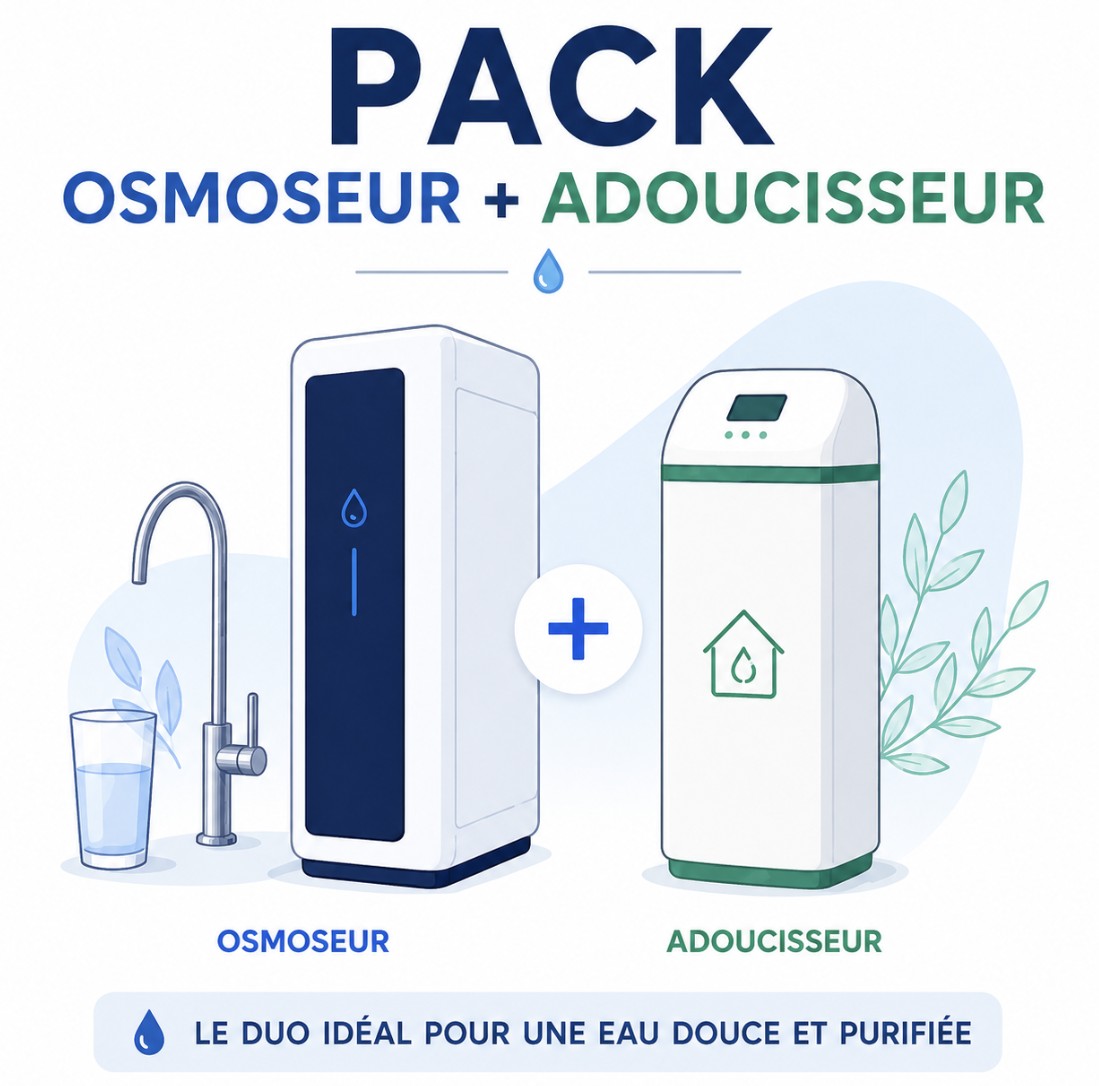
Complete protection with an RO system and a water softener.
Get 15% off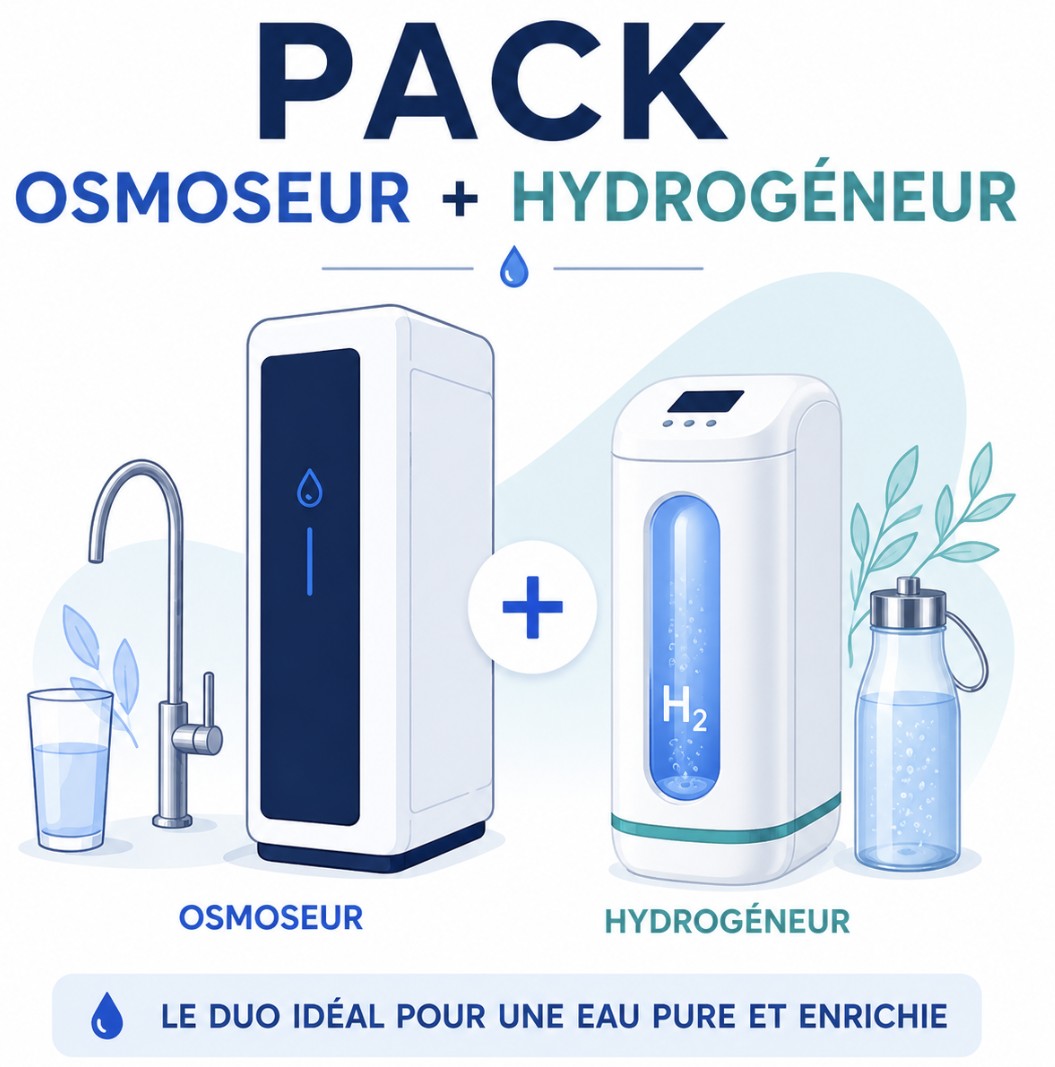
Combine reverse osmosis water and hydrogen-rich water.
Get 15% offFREE SHIPPING
On orders of €150 or more within mainland France
(home products only)
Ships within 24 hours
+33 3 66 88 17 85
Call us Monday to Friday,
9:30 am–5 pm (Paris time)!
Email: contact@josmose.fr

Chloride is a trace element found in foods (fruits, vegetables, meat, fish, eggs…) and in the body in the form of sodium chloride (salt) or potassium chloride ; it is a salt of chlorine, which is a gas in its natural state.
Salty foods, meaning those with added sodium chloride, naturally provide the most: brined foods, cured meats, cheeses, sauces, bread…
1 g (1,000 mg) of salt corresponds to 600 mg of chloride and 400 mg of sodium.
Present in small amounts within cells, chloride is abundant in the extracellular fluids between cells and in the blood, where it helps balance the amounts of water inside and outside cells. Chloride also helps regulate blood pH and produce a component of gastric juice in the stomach.
There is currently no health-based guideline value for chloride in drinking water. Consumers can detect concentrations above 250 mg/l by taste, although chloride ion detection thresholds depend on the associated cation. For sodium, potassium, and calcium chloride, the threshold is between 200 and 300 mg/l.
The WHO sets a maximum target of 5 g of salt per day (equivalent to 3,000 mg of chloride). The US Institute of Medicine considers chloride intake to exceed requirements, except for athletes and people with physically demanding jobs, who lose large amounts of chloride through sweating.
Recommended chloride intake in mg per day:
Excessive chloride intake increases blood pressure, particularly in people with diabetes or obesity. Chloride also increases the risk of stomach cancer, but before that, it can cause gastrointestinal problems.
* This paragraph is based in part on the WHO report “ Guidelines for Drinking-water Quality ”.
**A guideline value is a reference value provided by the WHO.
We offer laboratory water analysis to determine your water's chloride level precisely.
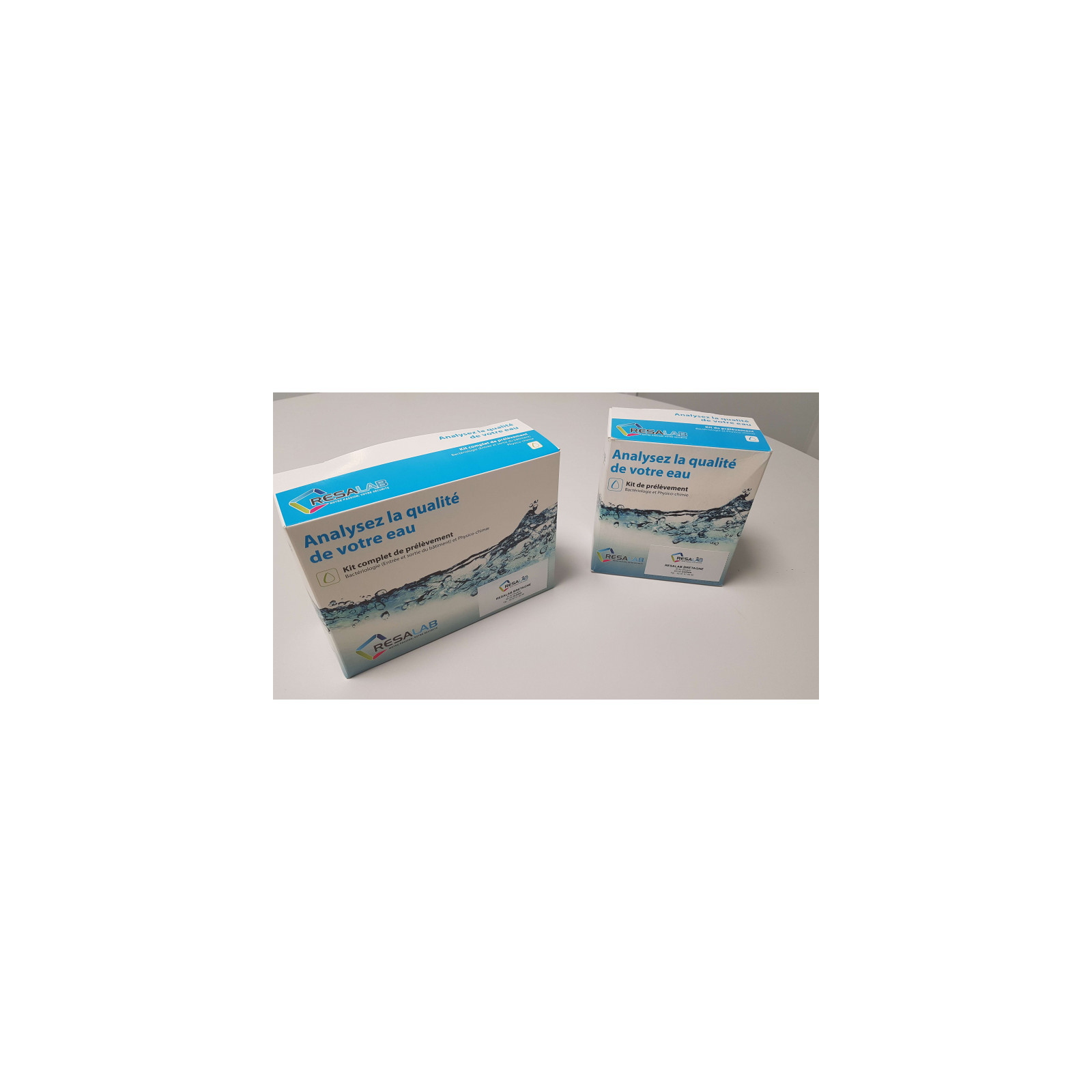
To do this, you must also order the basic laboratory analysis available here. This basic analysis includes a sampling kit and shipping it to our independent partner laboratory.
If you do not want the hassle of sending samples to a laboratory, or if you expect to perform this test several times, you can test the chloride level in your water yourself!
We sell at-home chloride tests, either as completely standalone tests using small color-changing strips, or with photometers that give you highly precise results.