

Tested and inspected RO systems for pure water at a reduced price.
See offers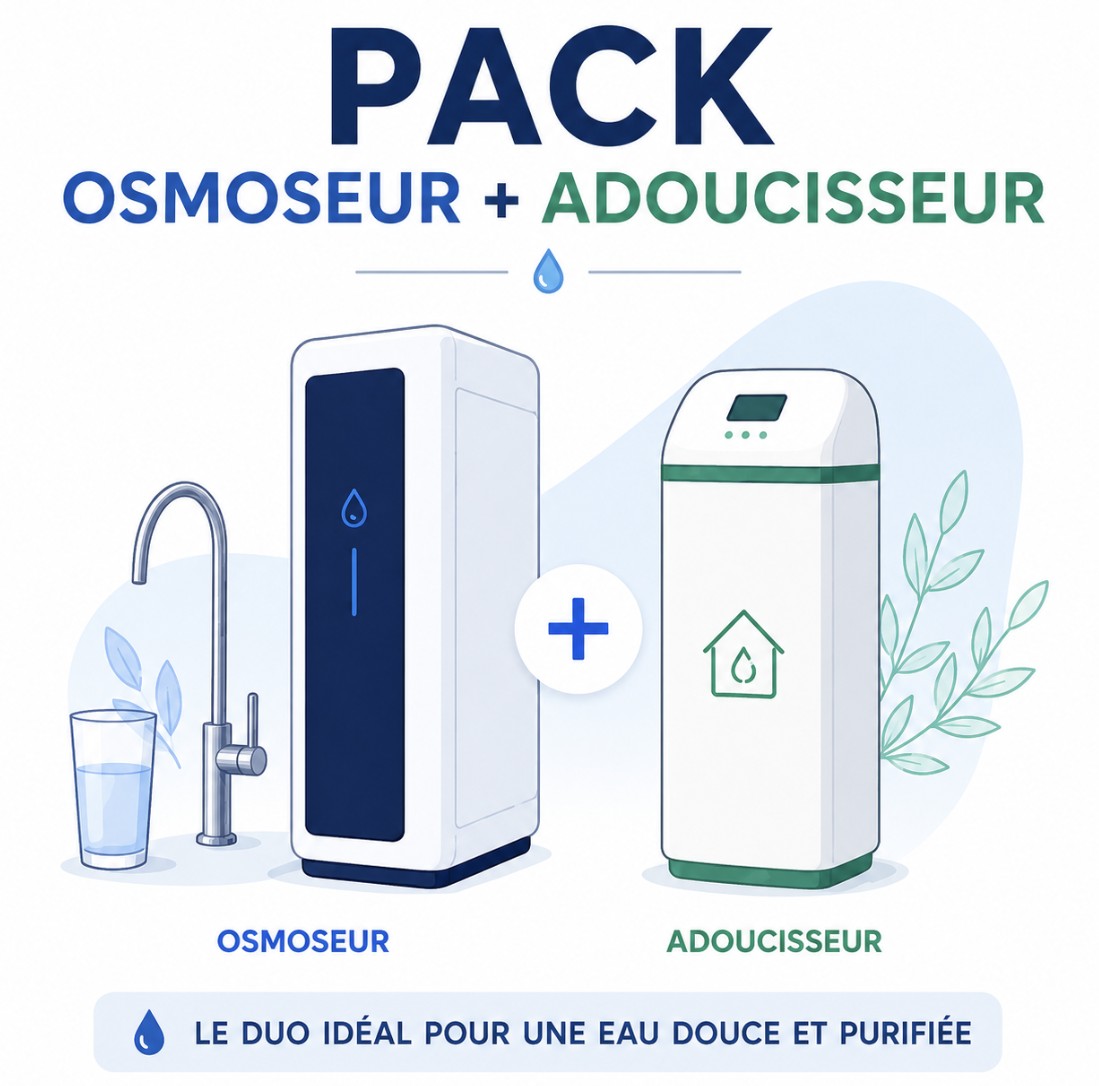
Complete protection with an RO system and a water softener.
Get 15% off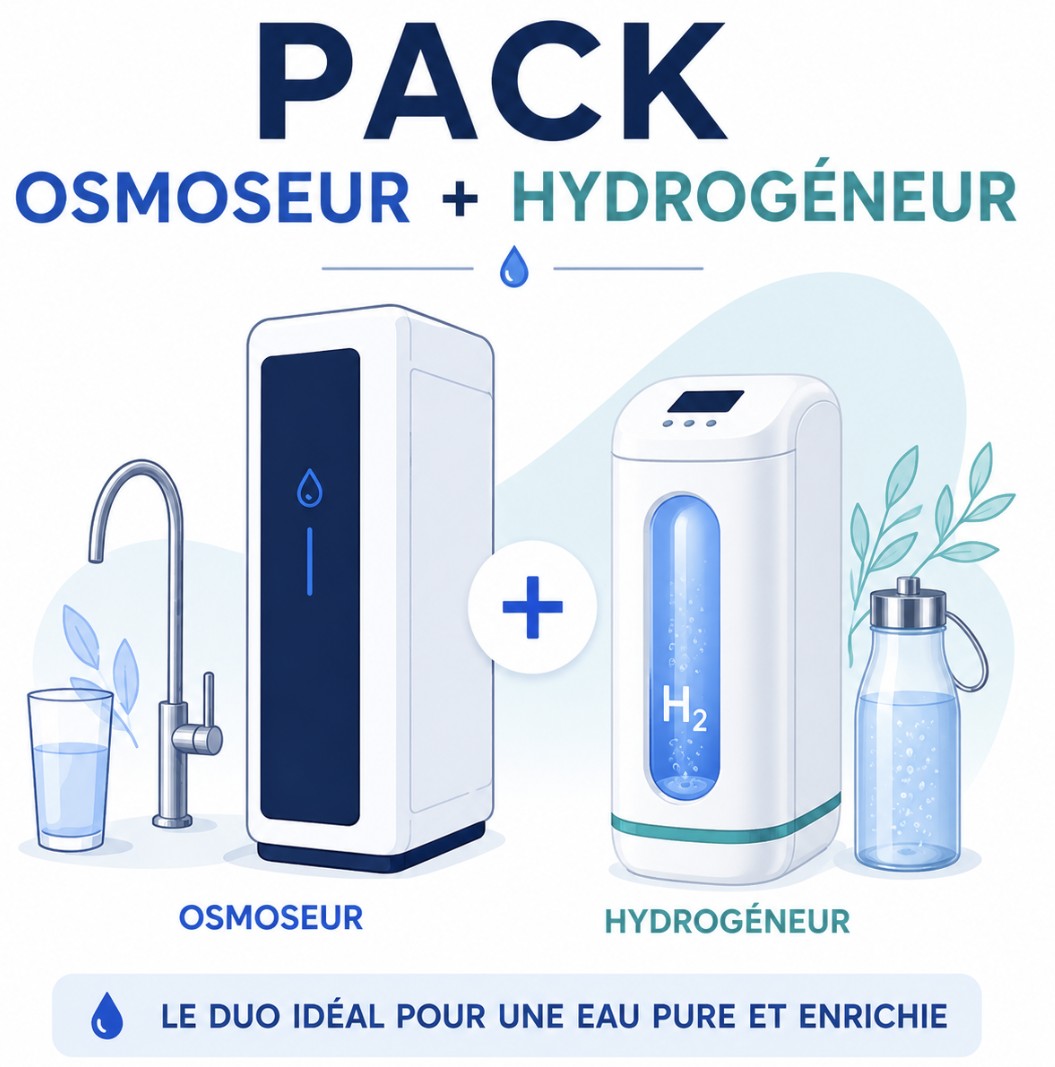
Combine reverse osmosis water and hydrogen-rich water.
Get 15% offFREE SHIPPING
On orders of €150 or more within mainland France
(home products only)
Ships within 24 hours
+33 3 66 88 17 85
Call us Monday to Friday,
9:30 am–5 pm (Paris time)!
Email: contact@josmose.fr

For pools and spas, there are 3 types of chlorine you can test, each with its own purpose:
In summary, testing total chlorine lets you monitor overall water disinfection, testing free chlorine ensures effective disinfection, and testing combined chlorine helps you detect potential overchlorination or underchlorination problems.
Combined chlorine, also known as combined residual chlorine, forms when chlorine reacts with organic substances and impurities in the water, such as sweat, urine, and organic debris. These reactions produce chlorinated compounds, such as chloramines and trihalomethanes, that are less effective at disinfecting water than free chlorine. Combined chlorine can cause an unpleasant odor and skin and eye irritation.
We offer laboratory analysis of your water to determine its exact combined chlorine level.
To do this, you must also order the basic laboratory analysis available here. This basic analysis includes a sampling kit and shipping it to our independent partner laboratory.
If you would prefer to avoid the hassle of sending samples to a laboratory, or if you expect to perform this test several times, you can test your water's combined chlorine level yourself!
The eXact iDip and eXact Micro 20 photometers let you test a wide range of substances and elements in your water. Once you have the device, order the combined chlorine test for photometers.