

Tested and inspected RO systems for pure water at a reduced price.
See offers
Complete protection with an RO system and a water softener.
Get 15% off
Combine reverse osmosis water and hydrogen-rich water.
Get 15% offFREE SHIPPING
On orders of €150 or more within mainland France
(home products only)
Ships within 24 hours
+33 3 66 88 17 85
Call us Monday to Friday,
9:30 am–5 pm (Paris time)!
Email: contact@josmose.fr

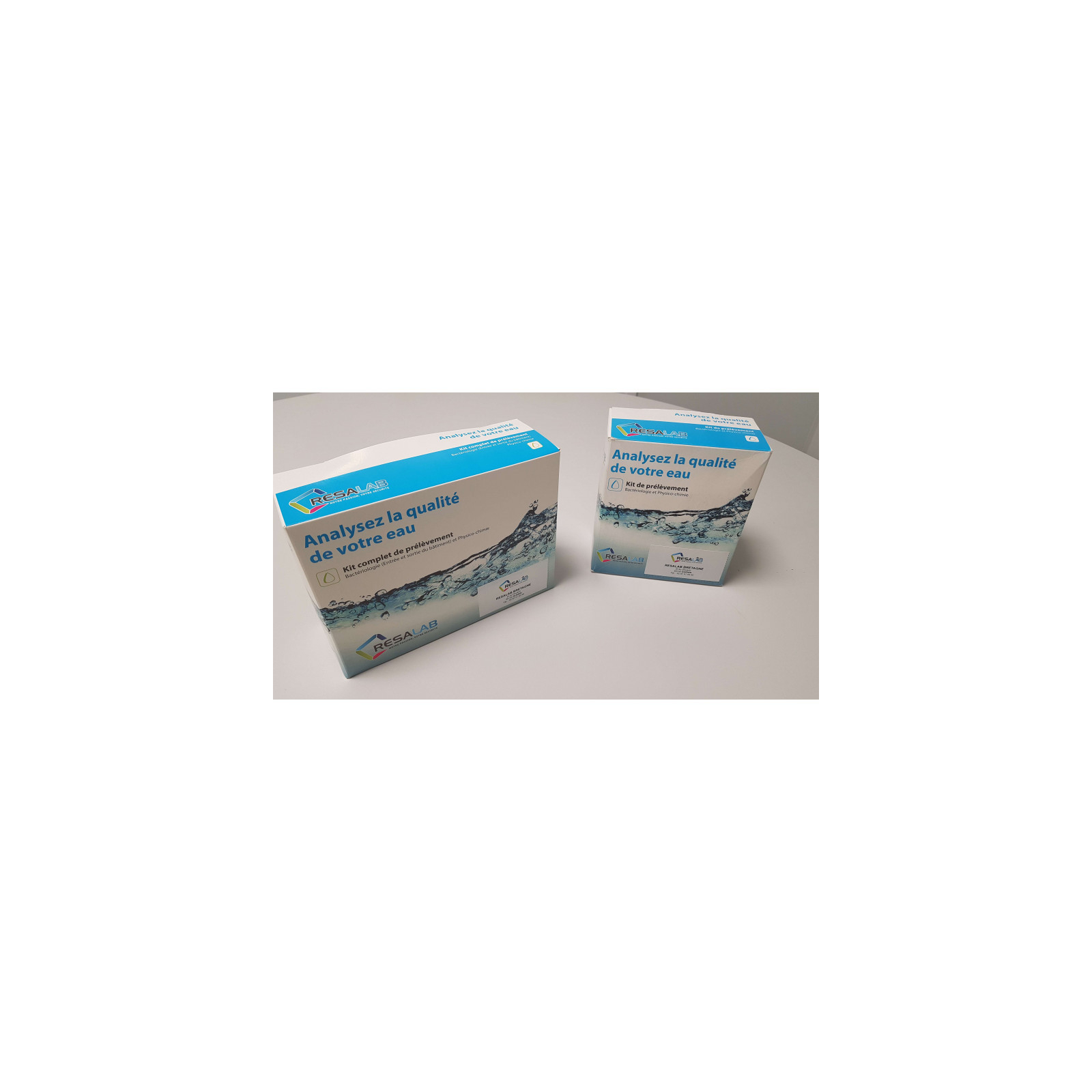
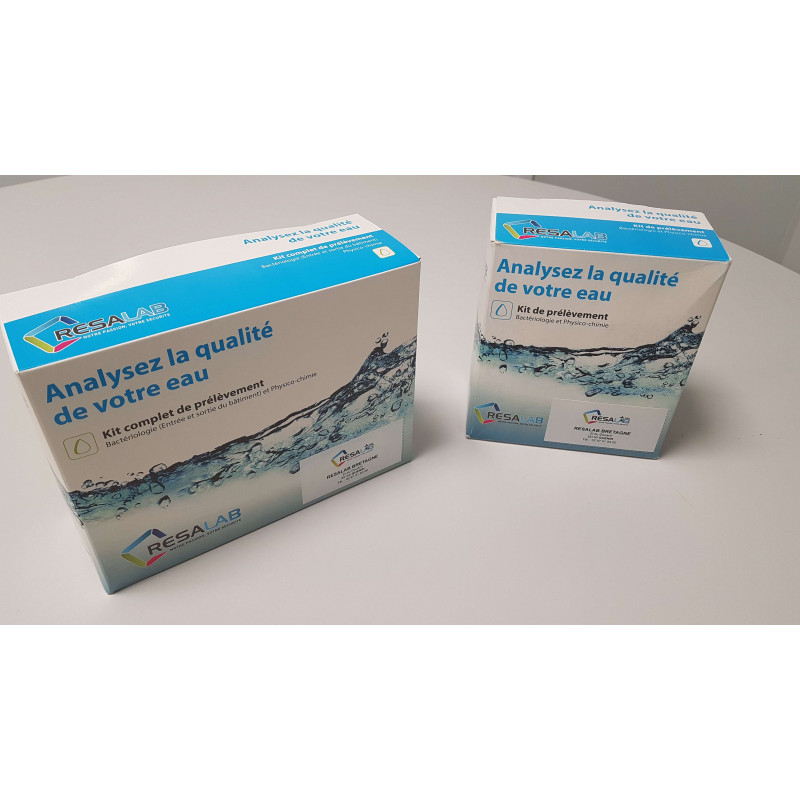
In addition to the basic package, which lets you order a water analysis from our laboratory and covers shipping both ways..., you can order optional specialized analyses.
This nitrate analysis measures the amount of nitrate in your water in mg/L.
To have your water analyzed:
1. Order the basic kit
2. Order this specific nitrate analysis
3. Receive the kit at home
4. Send it back to the testing laboratory using the return label provided
5. The laboratory performs the analysis you ordered
5. We supplement the laboratory results with our technical recommendations
Please note, nitrate analysis is a standard analysis and is already included in chemistry packages 1, 2, 3 and 4.
Nitrate (NO3-) occurs naturally in the environment, with groundwater concentrations of 5 to 15 mg/l in water not contaminated by fertilization. The main source of nitrate in soil is nitrogen fertilizers, as well as discharges from industry or local municipalities.
The maximum nitrate content of water intended for human consumption is set at 50 mg/L by decree (decree 2001-1220 of December 20, 2001). And at 10 ml/L in Quebec ! We'll let you judge the difference… This standard takes into account the most vulnerable populations, infants and pregnant women, for whom some doctors recommend a limit of 15 mg/L.
Water with a nitrate content above 50 mg per liter is considered unsuitable for drinking.
However, if the concentration is between 50 mg/L and 100 mg/L, the water is considered temporarily acceptable, except for at-risk populations.
If the nitrate concentration exceeds 100 mg/L, you must neither drink the water nor use it for cooking.
The WHO has established an acceptable daily intake (ADI) for nitrates in food of 0.84 mg-N/kg/day (3.7 mg of NO3/kg/day).
Nitrates are very harmful to infants because they are converted into nitrites, which can oxidize hemoglobin and cause poor blood oxygenation, known as “blue baby syndrome”. The main risk for adults is that nitrates, and therefore nitrites, can cause cancer as well as reproductive disorders.
Note that boiling water does not remove nitrates, as they do not evaporate. It could even increase their concentration in the water.