


Water Softener Pros and Cons
Water softeners are devices highly popular in households. Indeed, these machines are designed to reduce water hardness. You are no doubt aware that the water supplied to your home contains substances that are beneficial to the body.
It is therefore rightly consumed every day, at any time. However, the water supplied every day contains calcium and magnesium ions. These ions are responsible for the limescale marks that appear on our equipment, particularly plumbing fixtures and household appliances.
These marks are quite embarrassing, as they suggest a less-than-adequate level of hygiene. Water softeners were therefore designed to improve this situation. These devices are of great importance, as they let you use much softer water.
However, like most equipment, water softeners can have advantages but also drawbacks. That's why we invite you to discover everything these water purifiers can offer you, as well as the precautions to take when using them.
The Advantages of a Water Softener
 To understand the advantages of water softeners, it's important to know one thing: how they work. In reality, these are devices whose function is to soften the water you use.
To achieve this, they are equipped with a resin whose role is to exchange calcium and magnesium ions for sodium ions. As a result, the water supplied isn't transformed, but rather “filtered” or “purged” of the substances that cause limescale marks.
As a result, water softeners offer advantages that will allow you to:
- eliminate limescale: this is the most obvious advantage of a water softener. In general, the water you consume isn't a source of discomfort or illness. It's the hardness level (TH) it contains that could cause problems. The water softener takes care of removing the calcium and magnesium ions that could cause trouble. This reduces its hardness. With regular use of softened water, limescale marks become less noticeable. Your fixtures therefore stay clean.
- ensure the longevity of your appliances. You obviously commonly use unsoftened water for your appliances. This is why limescale marks are often visible, particularly on their surfaces. These substances can also build up inside your equipment, slowing its performance and eventually causing significant damage. You've no doubt understood that with a water softener, you can put an end to such issues, and give your appliances better upkeep, optimal operation, and of course, a longer lifespan.
- save money. With a water softener, expenses decrease considerably, particularly those related to maintenance products such as descalers, as well as repairs to your plumbing fixtures and household appliances. As a result, you make substantial savings in these areas, which you can put toward other things.
- take care of your skin: untreated water can irritate your skin. The purifying properties of its resin provide you with water free of limescale, as well as other impurities that could affect it. To your delight, say goodbye to the discomfort caused by unpleasant skin dryness. Your skin can now be better nourished, better cared for, and softer, because it's hydrated by purified water.
- take care of your clothes. It's no surprise that with unsoftened water, the colors of your clothes fade day by day. The water softener is also a solution to this problem. Without adding fabric softener to your laundry, your clothes will be better preserved, as well as softer and more supple, when you use softened water.
- have clean dishes. You've probably noticed limescale marks on your plates, or your kitchen utensils. This isn't surprising, given the amount of limescale present in the water you use. Install a softener on your plumbing pipes, and you'll have the advantage of always having clean dishes.
The Disadvantages of a Water Softener
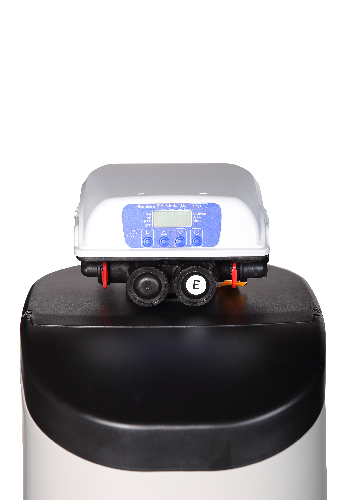 Water softeners don't only offer advantages. Before installing one on your water pipes , there are also drawbacks you should be aware of. They include:
- Cost: it must be admitted that a water softener is relatively expensive. It's an investment you need to be financially prepared for. Indeed, it covers not only the price of the softener itself, but also that of the accessories, the various materials, and the labor of the professional who installs it, unless you want to do it yourself. In that case, you won't pay the installer's fees.
- Maintenance: a water softener isn't like household appliances, which you simply clean to maintain. The softener, on the other hand, requires much more: frequent checks and at least one annual service, which can incur costs.
- Wastewater: waste also needs to be taken into account. In fact, it won't simply be drained to a septic tank. The drainage pipes must lead to the sewer system, which can result in costly work.
- Unsuitability for plants: moreover, softened water should not be used to water plants. If you have a garden or planted area, you'll need to provide an unsoftened water point for its upkeep.