


Recherche dans le blog
Scientific Articles
- A few figures?
- Why drink water?
- When should you drink water?
- How much water should you drink each day?
- Signs of dehydration
- Qualities required for good drinking water
Why Should You Avoid Drinking Softened Water?
- The reason given by the WHO
- Further details on water softeners
- Maintenance considerations
- An alternative to conventional salt-based water softeners
Should You Filter Tap Water in France?
- The official answer: No, water filtration is not necessary
- According to scientists: Yes, purifying your drinking water is essential
Can Your Body Absorb the Minerals in Drinking Water?
- An interesting study in Germany
- What does the WHO think?
- Water for dummies
- The study results
- The minerals in water are not bioavailable
- Other drawbacks of mineral water
A Closer Look at Dry Residue in Water
- Drinking water: a luxury in France?!?
- Pesticides and other little gifts in tap water
- As with VW, the levels change, but the nature stays the same...
- Another major problem: water chlorination!
- Are we drinking medicated water?!?
- What goes unnoticed in health safety tests...
- ...but not under scientists' scrutiny, as they even find heroin in tap water
- Laboratories' conflict of interest
Drinking Water Around the World
Beware of Natural Water Sources!
- Double standards…
- Bottled waters have very different mineral levels
- A few unexplained peculiarities
- The case of Cristaline water
- Thermal waters
- Beware of minerals!
- And where does soda fit into all this?
How to Read Your Mineral Water Label
- Dry residue
- Anions/cations
- Calcium
- Magnesium
- Sodium
- Potassium
- Bicarbonate
- Chloride
- Sulfate
- Nitrate
- The bioavailability of minerals in water
Municipal Water and Nanoscale Particles
Aluminum in Water Doubles the Risk of Developing Alzheimer's Disease
- A danger worse than asbestos
- Tap water, a cocktail of chemical medications
- What the « official recommendations » don't say
Medications in Drinking Water
Are we drinking medicated water?!?
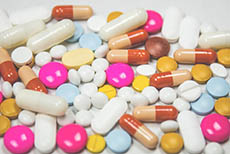
France, with more than 3,300 human and veterinary medications on the market, is Europe's largest consumer of medications and the fourth largest worldwide. Over thirty years, French spending on medications has increased by 450 % !
More than half of the molecules from medications are excreted by the human body and end up in our wastewater treatment plants. However, these plants are not designed to retain these chemical molecules or their active metabolites, which are consequently sent back to our faucets supplying “ drinking ” water.
Among other substances, traces of antibiotics, pain relievers, anti-inflammatory drugs, antidepressants, beta blockers, hormones, oral contraceptives, etc., are found in the water leaving wastewater treatment plants.
What goes unnoticed in health testing...
Unfortunately, these molecules are not officially tested for in our drinking water. During the revision of the Water Framework Directive, the European Commission did try to include these substances among the fifty priority substances to test for in water, but for political and especially economic reasons, opposition from member states prevailed and the proposal was quickly rejected. It is high time to inform the general public and all health and agricultural professionals about the dangers that indiscriminate use of medications poses to humans (excerpt from the Plan national sur les résidus de médicaments dans les eaux of May 30, 2011).
In February 2013, ANSES (Agence nationale de sécurité sanitaire) concluded in its report that the risks to human health were minimal, but acknowledged at the same time that it lacked data on chronic exposure and assessment over the long term. How can the effects of these substances be minimized or ruled out if data are lacking ?
...but not under scientists' scrutiny: they even find heroin in tap water
In November 2008, Hélène Buzinski, a researcher at the CNRS in Bordeaux who has been tracking medication residues, endocrine disruptors, antibiotics, antidepressants, anticancer drugs, anti-inflammatory drugs, pain relievers, antipsychotics, chemotherapy residues, flame retardants, and other medications in river water since 2002, alerted the authorities to the presence of heroin and cocaine !! There is no longer even any need to obtain illegal drugs at a high price: all you have to do is drink water…
No French or European regulations require testing rivers or tap water for pharmaceutical or toxic substances of this kind. Since then, nothing has changed !
Pharmaceutical companies' conflict of interest
Tap water in France always complies with our official standards for the simple reason that you only find what you look for… Since 2011, we have known for certain that our water contains medication residues of all kinds, particularly antibiotics and hormones that directly affect our health.
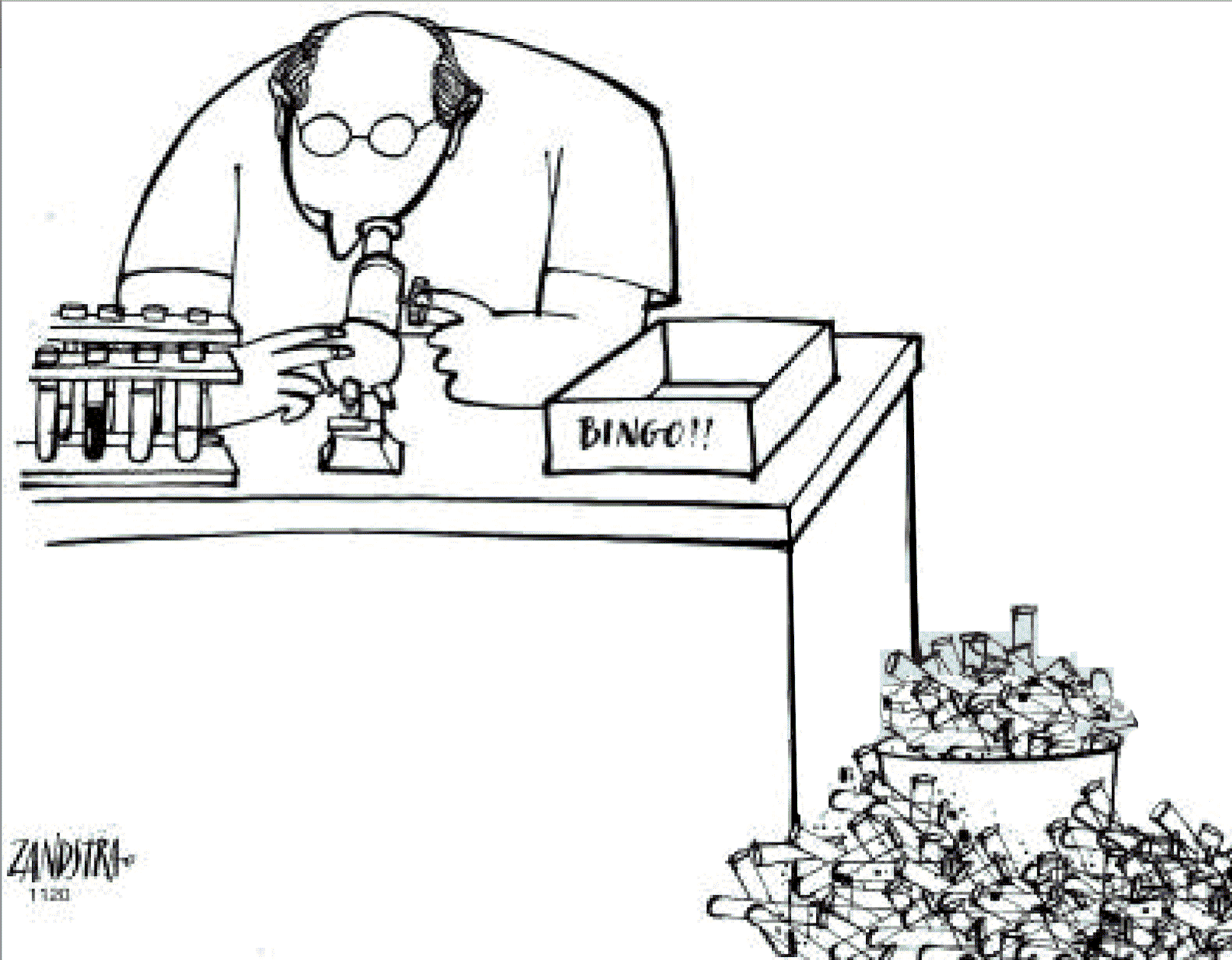
For 3 years, French legislation has required chemical manufacturers to demonstrate that their molecules are not toxic to humans. How can manufacturers be asked to act as both judge and interested party ?
Which manufacturer is going to say that its product is toxic ? Obviously, all study conclusions favor whoever funds them ! It is inevitable.
If we assume that a person drinks an average of 1.5 l/day, by age 80 they will have consumed approximately 43,200 l, enough to fill a tanker truck. How many kilos of pollutants does that amount of water contain? I'll let you do the math...
The most effective solution for removing medication residues and toxic residues is reverse osmosis. Discover our complete range of reverse osmosis systems on our website.
Sources: http://sante.lefigaro.fr/actualite/2010/12/22/10622-drogue-dans-reseaux-canalisation
“ How to Purify and Revitalize Your Table Water ” by Richard Haas :
A former healthcare professional specializing in aqueous injectable solutions who conducted research on water using Vincent's bioelectronics (BEV) for years.
- Published on
- Scientific Articles,
- FILTERING YOUR DRINKING WATER
Related blog posts
>-

Beware of Natural Water Sources!
We reviewed the 3 main alternative sources of drinking...
-

Should You Filter Tap Water in France?
After this broad overview (see previous articles), the...
-

The “Cocktail” Effect
The “cocktail” effect has nothing to do with...
-

The Water Situation in France
The water situation in France is barely any brighter...
-

Drinking Water Around the World
An article reporting on the drinking water situation...
-
Beware of Natural Water Sources!
We reviewed the 3 main alternative sources of drinking...
-
Should You Filter Tap Water in France?
After this broad overview (see previous articles), the...
-
The “Cocktail” Effect
The “cocktail” effect has nothing to do with...
-
The Water Situation in France
The water situation in France is barely any brighter...
-
Drinking Water Around the World
An article reporting on the drinking water situation...