



Tested and inspected RO systems for pure water at a reduced price.
See offers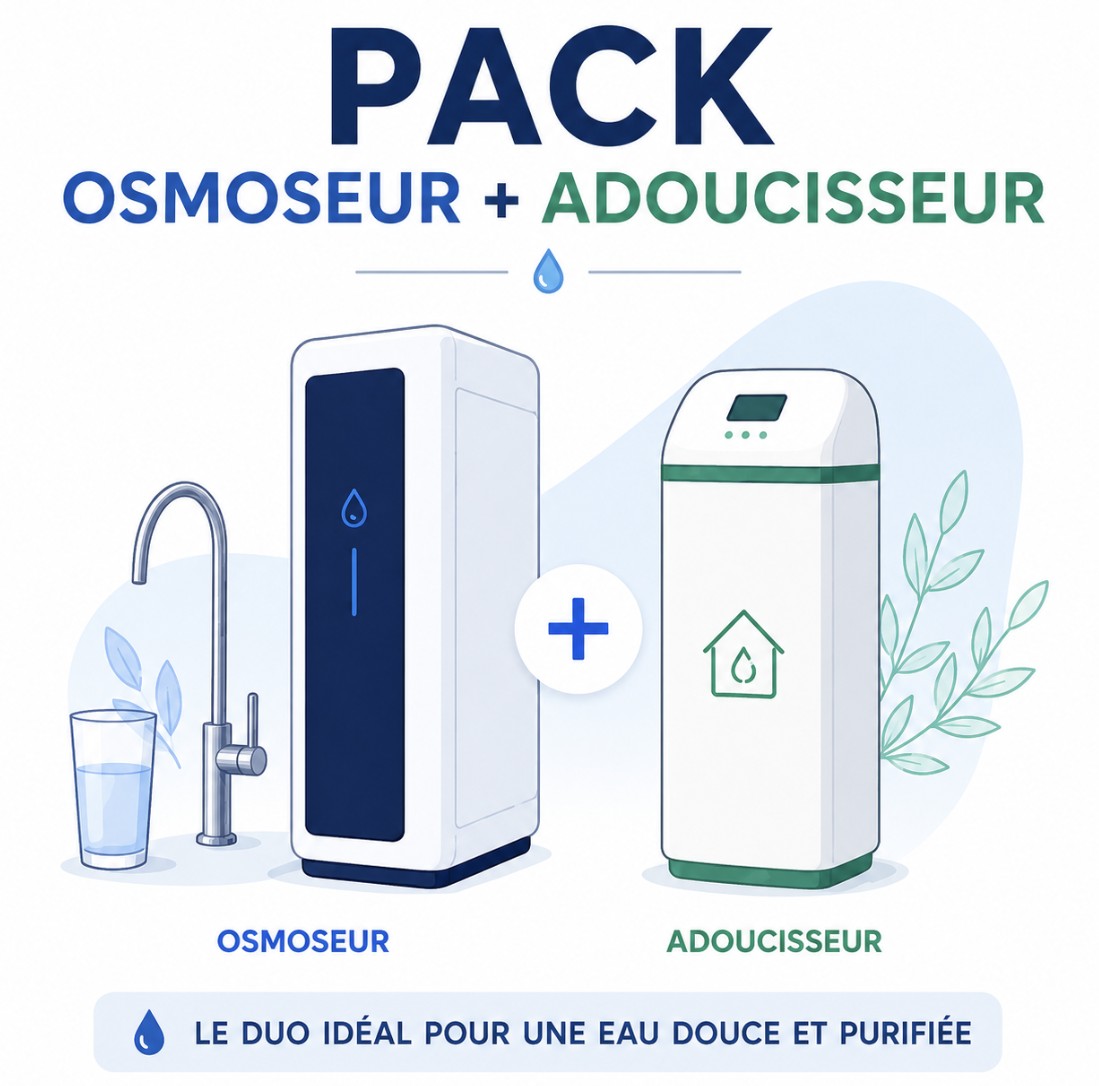
Complete protection with an RO system and a water softener.
Get 15% off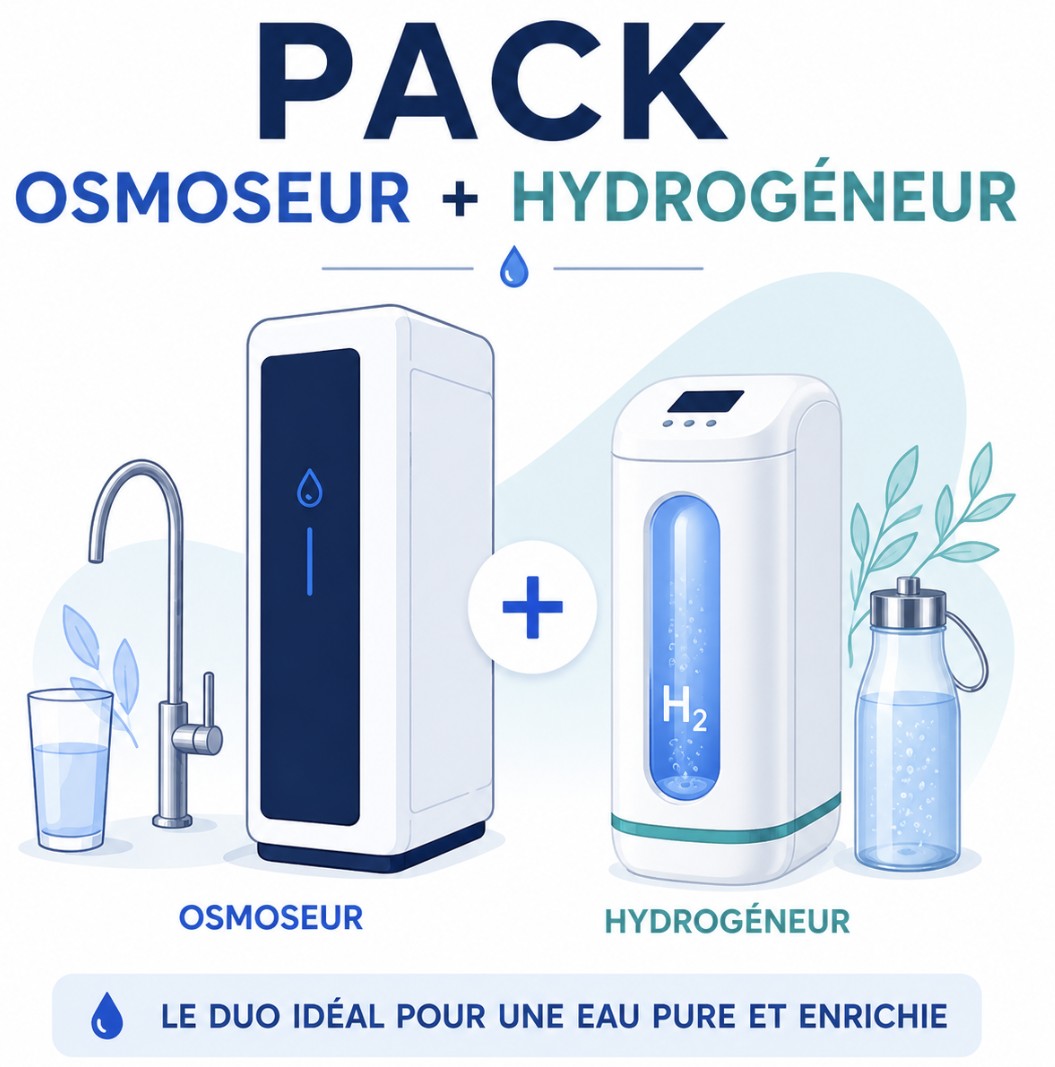
Combine reverse osmosis water and hydrogen-rich water.
Get 15% offFREE SHIPPING
On orders of €150 or more within mainland France
(home products only)
Ships within 24 hours
+33 3 66 88 17 85
Call us Monday to Friday,
9:30 am–5 pm (Paris time)!
Email: contact@josmose.fr

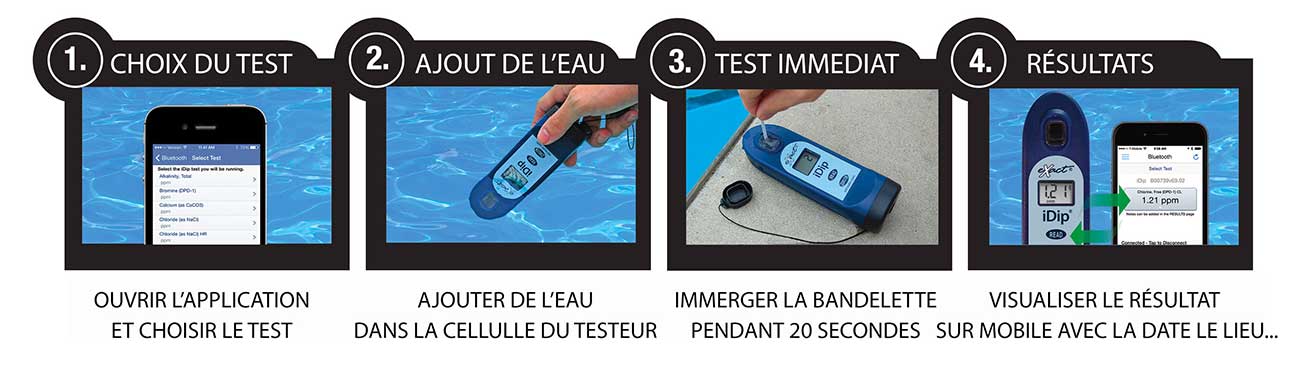
These strips let you measure the presence of chromium in your water using the IDIP photometer. It is very easy to use:
1. Open the app on your mobile phone and turn on the photometer.
2. Add water to the tester's designated cell
3. Place the strip in the water for 20 seconds
4. View the result directly on the photometer. The result is automatically saved on your phone.
This water testing system is fast, reliable, modern, expandable, and comprehensive. It is THE most accessible system.
You can certainly have our partner laboratory test your water for chromium. This analysis is not commonly performed, so it is available only upon request.
We invite you to contact us to arrange for an accredited laboratory to test your water for chromium. We will respond with a price, a turnaround time, and a specific testing procedure.
Widely distributed in the Earth's crust, chromium occurs naturally in small quantities in soil and rock, primarily in the form of compounds in nature. However, food is generally the main source of chromium III intake, found in vegetables, fruit, meat, seeds…
More than 70 % of the chromium in the environment comes from industry: foundries, refineries, tanneries, paper mills, urban stormwater…
The guideline value is provisional due to uncertainties in the toxicological database. Total chromium: 0.05 mg/l (50 µg/l).
Total chromium concentrations in drinking water are usually below 2 µg/l, but can sometimes reach 120 µg/l.
Chromium toxicity varies depending on several factors: the duration and route of exposure are important, as are chromium's oxidation state and origin, bearing in mind that chromium IV, hexavalent chromium, is dangerous to humans.
Chromium III is an essential nutrient. A deficiency can lead to heart problems, metabolic disturbances, or diabetes. However, excessive intake may cause skin rashes.
Workers in the steel and textile industries are often exposed to chromium VI, which is hazardous to health. It can cause allergic reactions, nasal irritation, and nosebleeds, as well as respiratory or stomach problems, liver and kidney problems, and even lung cancer.
* This paragraph is based in part on the WHO report “ Guidelines for Drinking-water Quality ”.
**A guideline value is a reference value provided by the WHO.