


- Online only
Tested and inspected RO systems for pure water at a reduced price.
See offers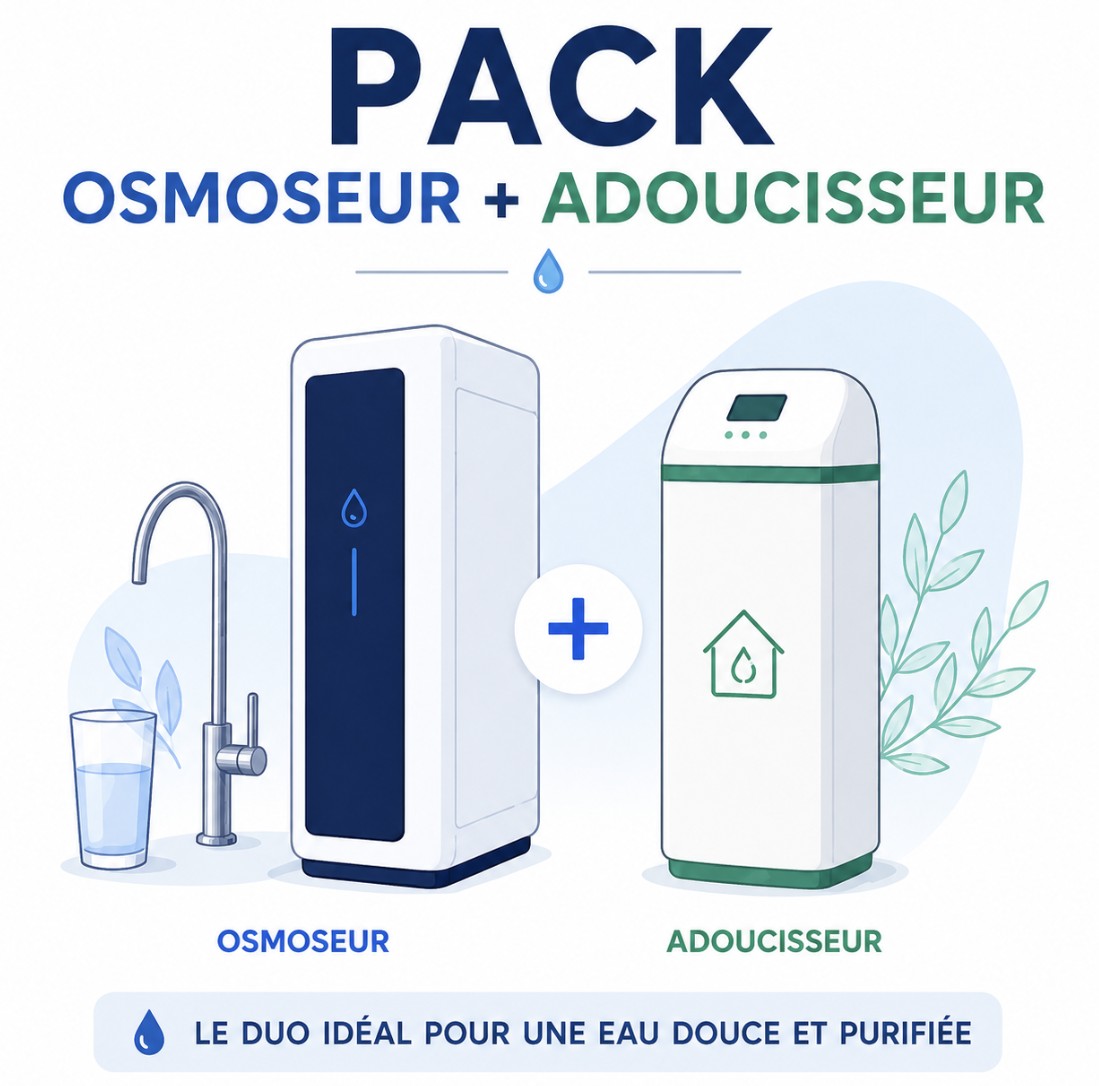
Complete protection with an RO system and a water softener.
Get 15% off
Combine reverse osmosis water and hydrogen-rich water.
Get 15% offFREE SHIPPING
On orders of €150 or more within mainland France
(home products only)
Ships within 24 hours
+33 3 66 88 17 85
Call us Monday to Friday,
9:30 am–5 pm (Paris time)!
Email: contact@josmose.fr

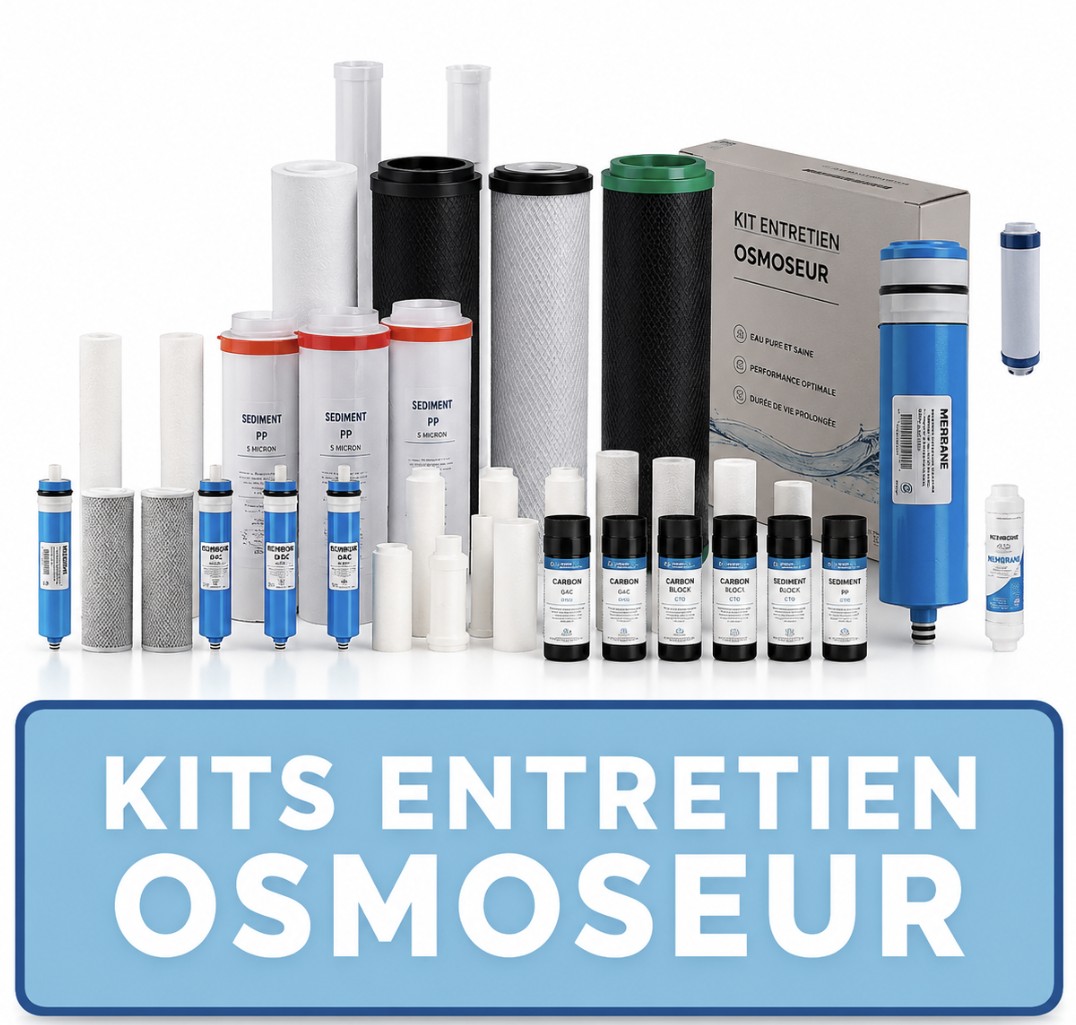
Maintenance and membrane for the
Maintenance helps preserve system performance and reduce fouling of the reverse osmosis membrane.
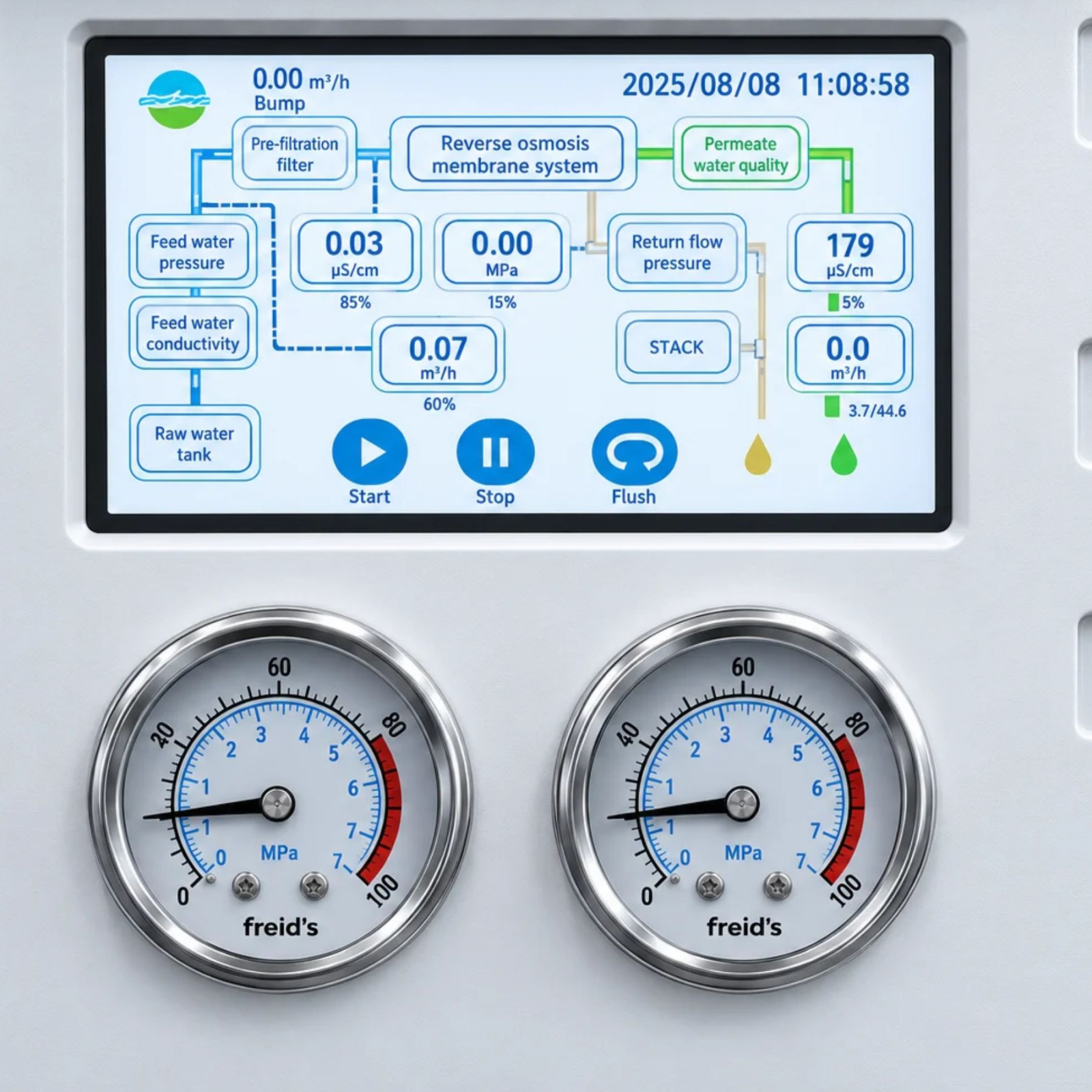
Pay particular attention to feed water quality, pre-filtration and membrane performance monitoring.
Pre-filtration
Regularly check the condition of your pre-filtration components to protect the membrane.
Performance
Monitor changes in the flow rate and quality of the water produced.
Membrane
Replacement depends on water quality and operating conditions.
Seawater reverse osmosis membrane
The seawater reverse osmosis membrane used is type 4021. According to the supplier documentation we have for this consumable, the recommended replacement interval is approximately 1 to 2 years.
This interval is a guideline and may vary depending on salinity, raw water quality, pre-filtration, frequency of use and operating conditions.
4021 replacement membrane
Find the 4021 seawater membrane in our range of reverse osmosis membranes.
View the 4021 seawater membraneFrequently asked questions about the desalinator
How much water can the desalinator produce?
The SW4021 has a nominal capacity of 50 L/h, equivalent to 300 GPD or approximately 1,200 liters per day under nominal operating conditions.
Is the desalinator designed for seawater?
Yes. It uses a reverse osmosis membrane designed for desalination. The supplier's specifications indicate a maximum feedwater TDS of 36,000 ppm and an SDI ≤ 5.
What is the desalination rate?
WTEYA states a desalination rate between 99.4 and 99.7 %. Actual performance varies depending on factors such as salinity, temperature and operating conditions.
What membrane does the desalinator use?
The SW4021 uses a type 4021 seawater reverse osmosis membrane.
When should you replace the 4021 membrane?
The supplier documentation we have for this consumable recommends replacement approximately every 1 to 2 years. This interval may vary depending on water quality and operating conditions.
Is the desalinator truly portable?
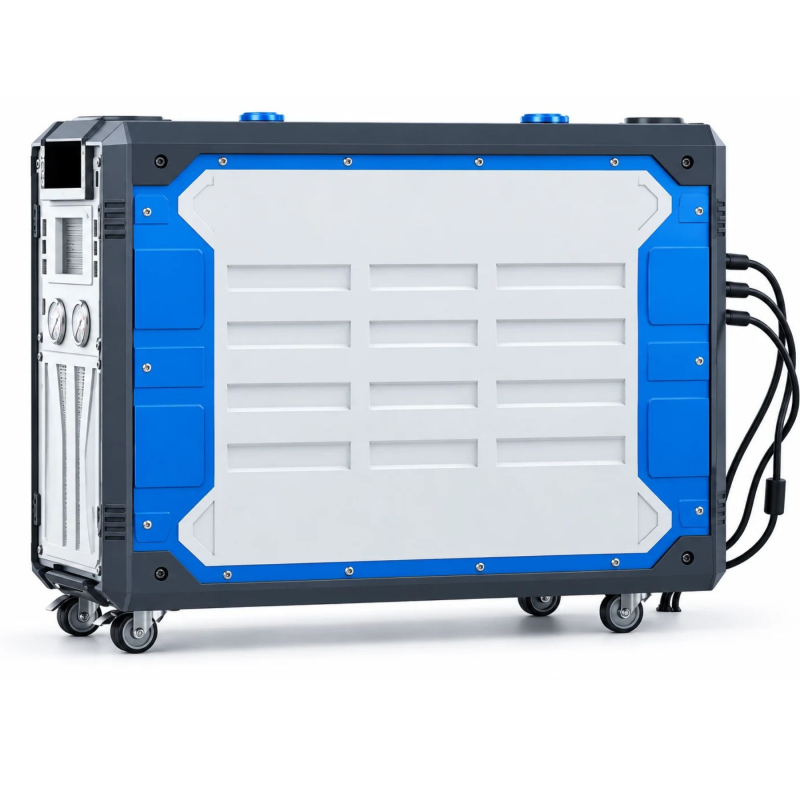
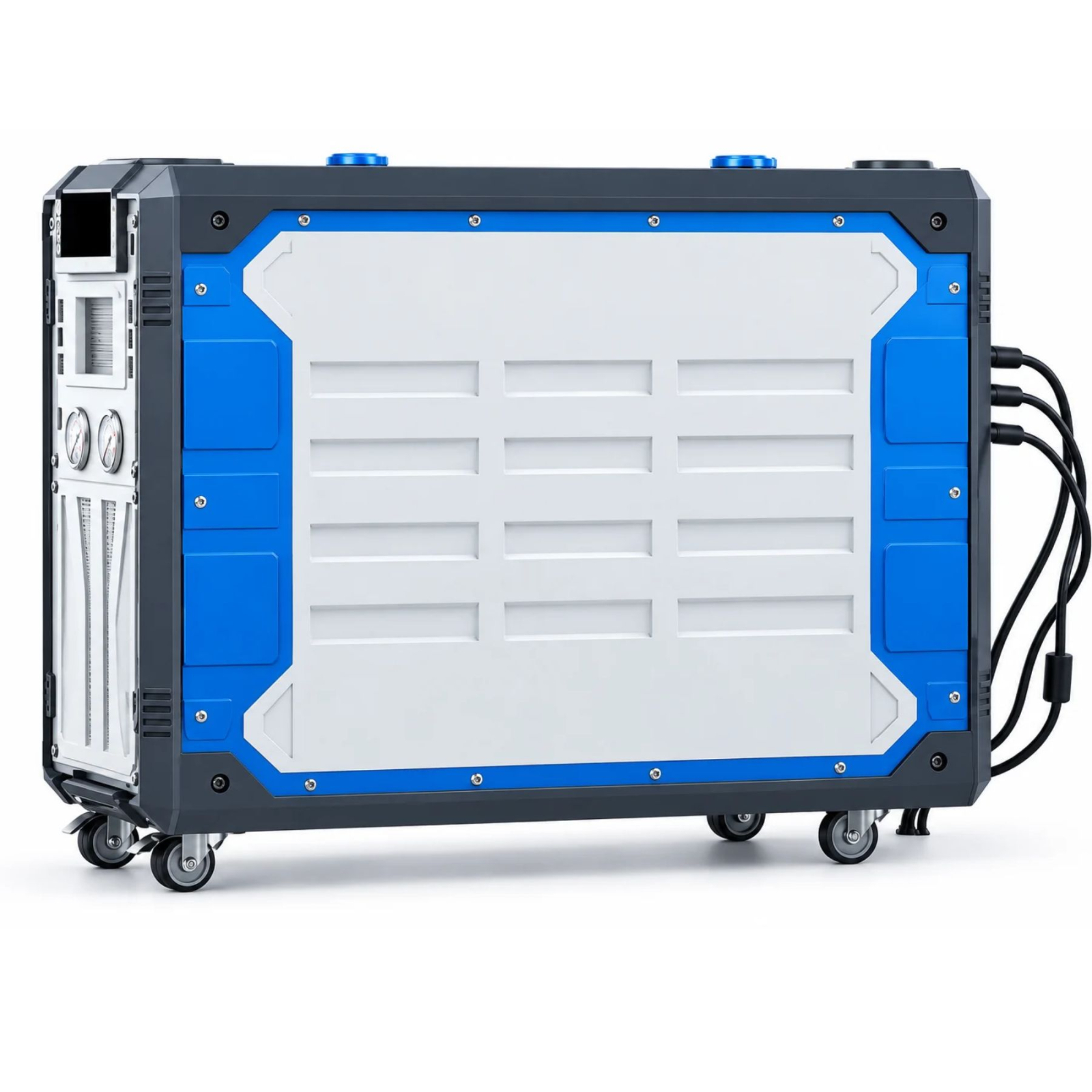
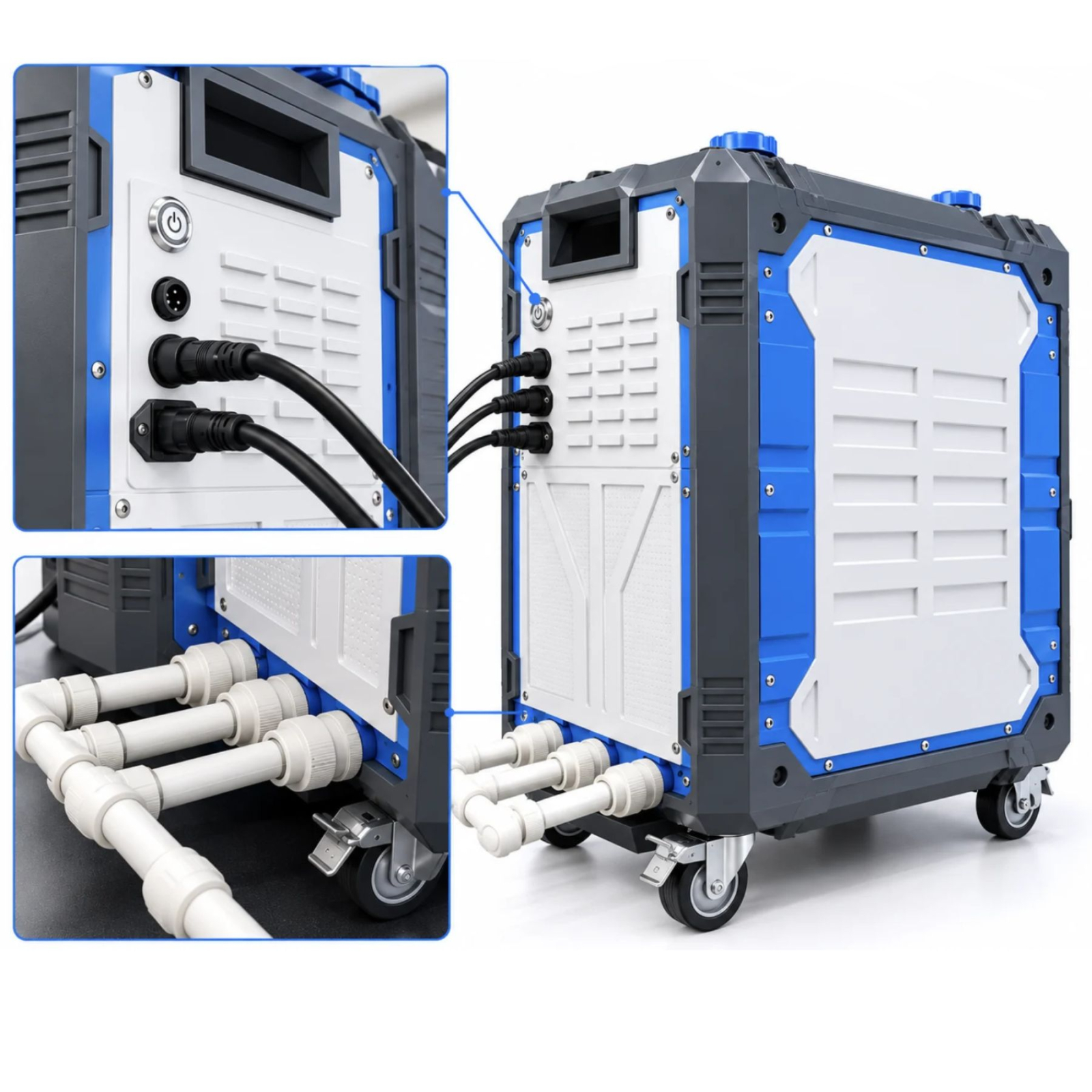
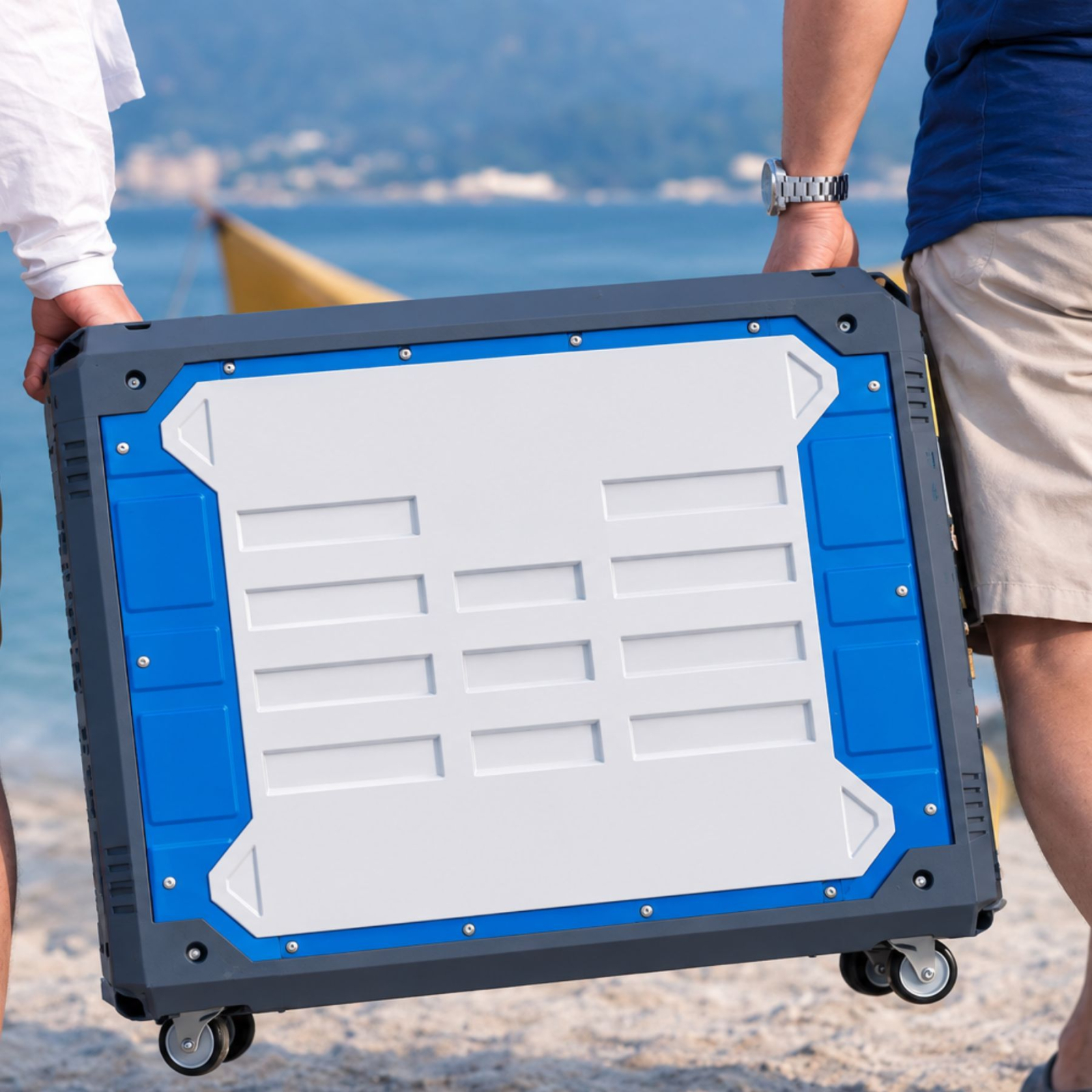
This is a compact, transportable desalinator measuring 610 × 320 × 497 mm and weighing approximately 40 kg. It is therefore much more compact than a fixed industrial unit, while still requiring suitable conditions for transport and use.
Can you drink the water produced directly?
The SW4021 is designed to produce desalinated water from seawater. For human consumption, the resulting water quality must be tested and meet applicable requirements. Additional treatment may be necessary depending on the source water and intended use.
How does it differ from an industrial desalinator?
The SW4021 prioritizes compact size with a nominal output of 50 L/h. For greater water needs, a professional or industrial unit can deliver higher production flow rates.
Technical Specifications
| Model | 300 GPD |
| Technology | Seawater reverse osmosis |
| Nominal flow rate | 50 L/h |
| Nominal production | 300 GPD – approximately 1,200 L/day |
| Stated desalination rate | 99.4 to 99.7 % |
| Maximum inlet TDS | ≤ 36,000 ppm |
| Required SDI | ≤ 5.0 |
| Power | 0.6 kW |
| Dimensions | 610 × 320 × 497 mm |
| Weight | 40 kg |
| Membrane | Type 4021 – seawater reverse osmosis |
| Control | Automatic control |
Performance: the flow rate and quality of the water produced may vary depending on feed water characteristics, particularly salinity and temperature.