


Tested and inspected RO systems for pure water at a reduced price.
See offers
Complete protection with an RO system and a water softener.
Get 15% off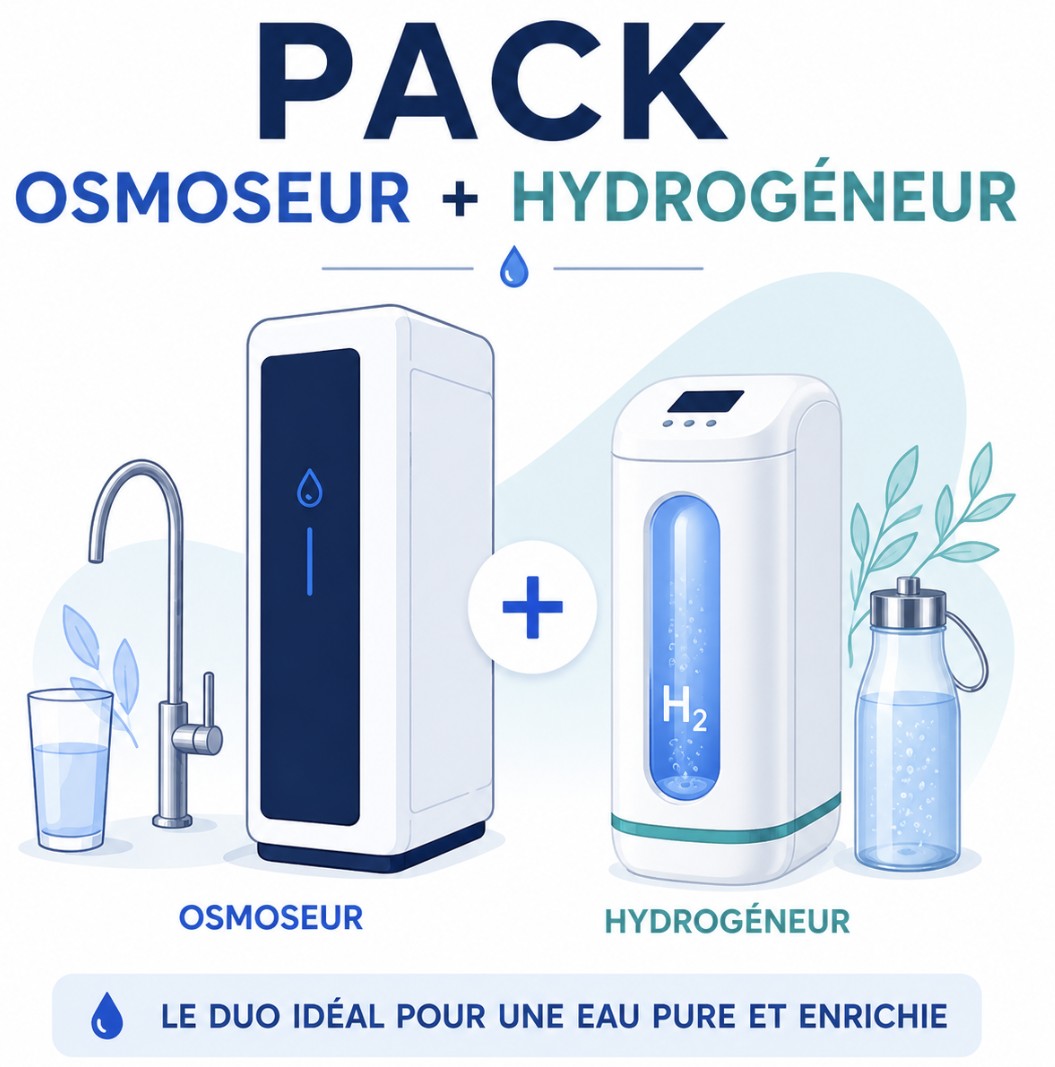
Combine reverse osmosis water and hydrogen-rich water.
Get 15% offFREE SHIPPING
On orders of €150 or more within mainland France
(home products only)
Ships within 24 hours
+33 3 66 88 17 85
Call us Monday to Friday,
9:30 am–5 pm (Paris time)!
Email: contact@josmose.fr

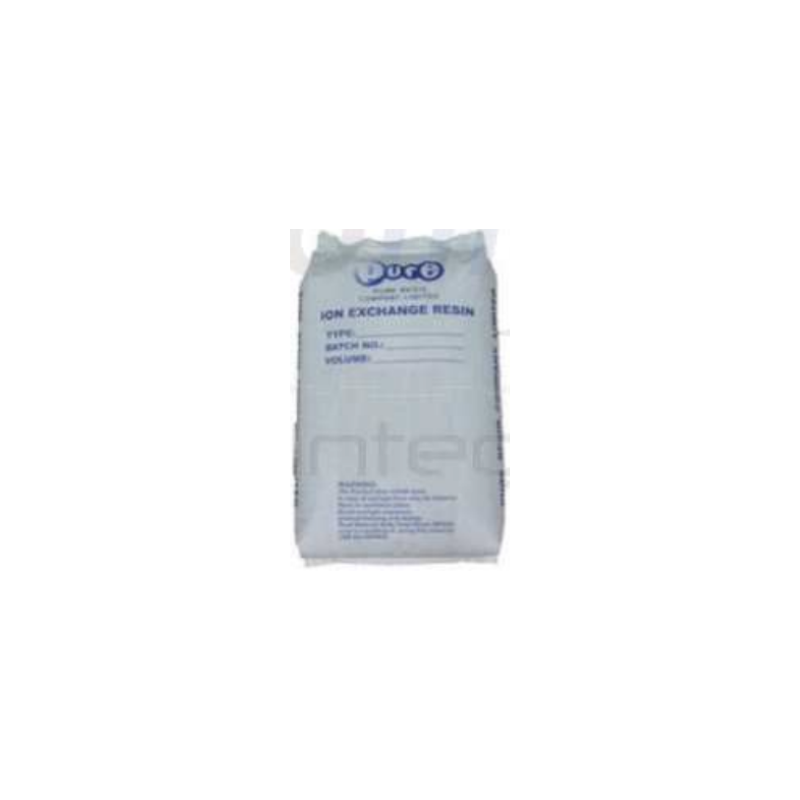
This macroporous strong-base ion-exchange resin is supplied in the chloride form. It consists of moist, hard beads.
It is designed to remove nitrates from water for all your needs.
| Macroporous, styrene with DVB | Polymer matrix structure |
| Functional group | R-N-R3 + Cl- |
| Ionic form as shown | Cl- |
| Physical form and appearance | Clear spherical beads |
| Sphericity | 95% minimum |
| Particle size range | +1.2mm <5%, -0.3mm <1% |
| Uniformity coefficient | 1.6 maximum |
| Water retention, Cl form | 52 - 56% |
| Shipping weight | 680 - 70g/l (42-45 lbs/cu.ft, approx.) |
| Total exchange capacity | 1.0 eq/m |
It is difficult to give a precise figure for resin service life (10, 100, 1,000 regenerations), as it depends heavily on water quality and operating conditions.
The average service life of nitrate removal resins is generally 3 to 7 years, depending on several factors:
In practice, in installations with low consumption, resins can last more than 7 years. Under industrial conditions or heavy use, capacity begins to decline after 4–5 years.
In summary, their service life is often comparable to that of water softening resins under good operating conditions.