

Tested and inspected RO systems for pure water at a reduced price.
See offers
Complete protection with an RO system and a water softener.
Get 15% off
Combine reverse osmosis water and hydrogen-rich water.
Get 15% offFREE SHIPPING
On orders of €150 or more within mainland France
(home products only)
Ships within 24 hours
+33 3 66 88 17 85
Call us Monday to Friday,
9:30 am–5 pm (Paris time)!
Email: contact@josmose.fr
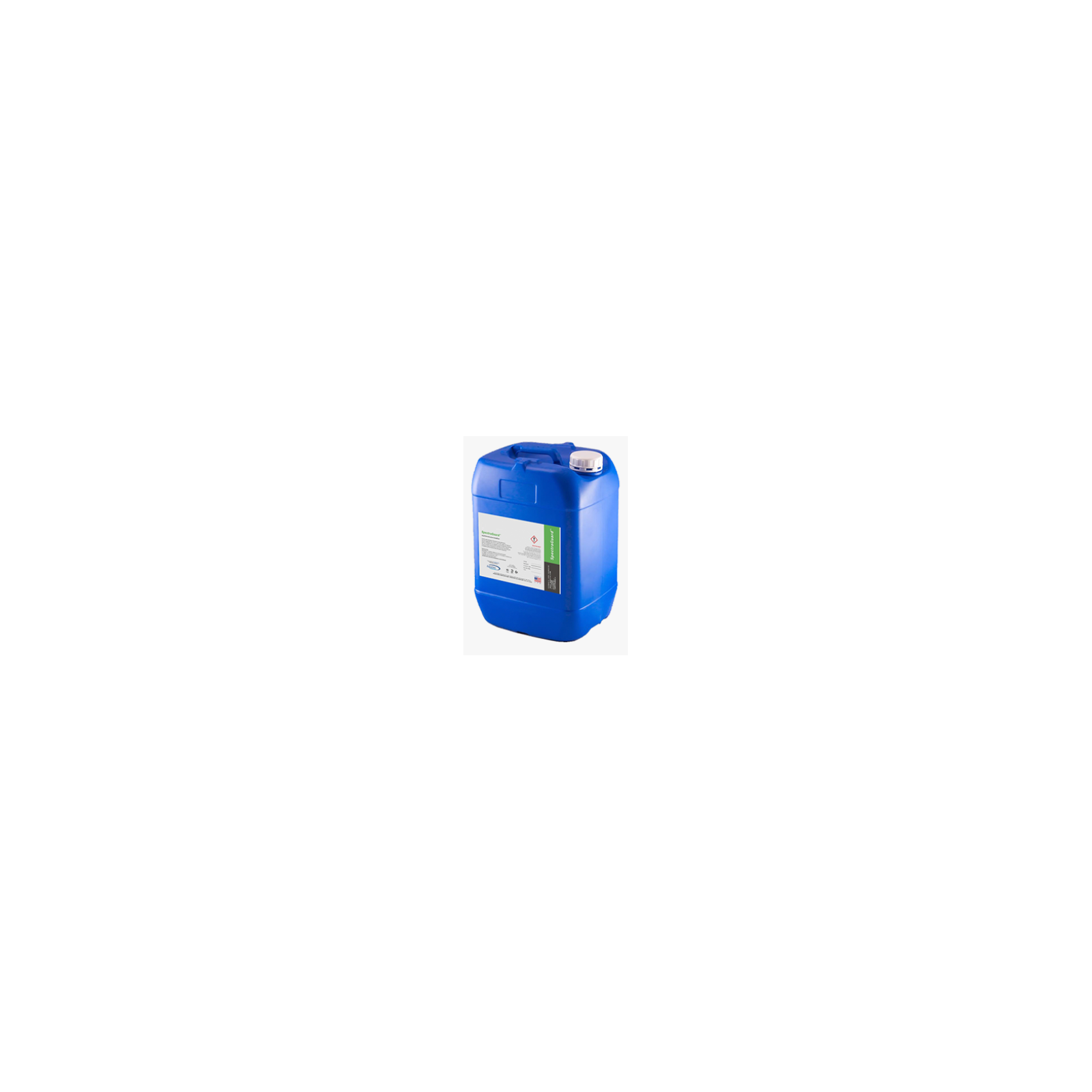
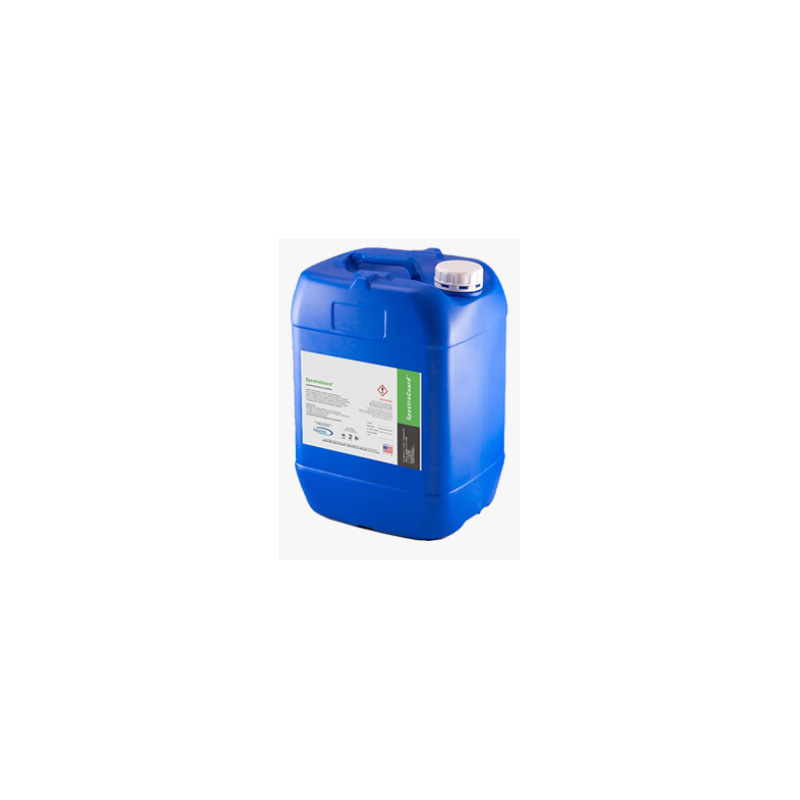
Antiscalant is recommended for larger water treatment installations to avoid having to install a salt-based water softener with a capacity of several m3. This product is regularly dosed into the water using a dosing pump and neutralizes limescale to allow, for example, RO membranes to last much longer.
This antiscalant is highly effective in all water systems and is specially formulated to operate reverse osmosis installations with minimal supervision.
This product has low toxicity and is easy to handle. It offers advantages over conventional treatment with acid and sodium hexametaphosphate.
Compatible with all membrane types, this product offers new properties for sequestering metals such as iron. It allows installations to be designed with less wastewater.
The antiscalant has a high threshold effect that prevents the precipitation of calcium
carbonate, calcium sulfate and barium sulfate by delaying the formation of precipitation
nuclei.
This product meets the requirements of the UNE-EN 15040 standard.
| PH | 10.0 - 11.0 |
| Specific gravity (20°C) | 1.34 - 1.36 |
| Solubility in water | Unlimited |
Salts such as calcium carbonate, calcium sulfate and barium sulfate do not pass through RO membranes and therefore become concentrated on their surfaces. These precipitates significantly affect membrane operation.
Using this product helps maintain membrane performance by minimizing the precipitation of harmful salts.
Shelf life : the maximum recommended storage period is 2 years.
Safety: this product must be handled with care. Before use, you must consult the safety data sheet available at the bottom of the quote.
Antiscalant is first diluted with chlorine-free RO water for
more precise dosing adjustment.
The injection point must be as close to the membrane as possible to ensure
thorough mixing with the feed water.
Its ability to tolerate minor fluctuations in process control without
adverse effects on its antifouling properties makes this antiscalant particularly
useful in situations where control and routine analysis are limited.
The product dose is calculated using specialized software that determines the optimal amount based on water quality. All calculations are performed on the concentrate using the Langelier Saturation Index or the Stiff & Davis Index for high salinity or seawater. In each case, our technical team can provide you with appropriate recommendations.
The amount of product to inject into the water depends on several factors, primarily water hardness, which represents the concentration of calcium and magnesium that can form deposits on the membranes of the industrial RO system generally located downstream of the dosing pump.
Here is a general overview of how water hardness can affect antiscalant consumption.
1. Water hardness
2. Calculating the antiscalant dose
3. Approximate dosing formula :
The following formula is often used to estimate antiscalant consumption :

Calculation example :
4. Additional factors :
The best way to obtain an accurate dose is to perform a raw water analysis. You can send us a water analysis and we will forward it to the antiscalant manufacturer who has calculation software to determine the optimal dose based on the specific characteristics of the water and the downstream reverse osmosis system.
5. Overdosing :
Overdosing antiscalant in a reverse osmosis system can cause several problems :
In summary, appropriate, controlled dosing is essential to protect the membranes, pipes and other components of the RO system.
This is an antiscalant for reverse osmosis membranes. The product has been
successfully used in installations that supply water for various applications :
- Boiler feed and cooling systems
- Electronics industry
- Drinking water
- Food processing
Materials to avoid: Avoid contact with strong oxidizers. An exothermic reaction
may occur with acids.
Download the product data sheet in French.
Choose the antiscalant you purchase and use for your reverse osmosis system carefully - its dilution is important for accurate dosing.