


Recherche dans le blog
Test Your Water or Have It Tested
The Impact of Chlorine on Your Health
Chlorine : An invisible danger or simply a disinfectant ?
|
Chlorine is a chemical element naturally present in the environment. Thanks to its powerful disinfectant properties, it is commonly used in wastewater treatment, swimming pools, and even drinking water. It effectively eliminates most bacteria, algae, viruses, and parasites found in water. Chlorine also plays a key role in many industrial applications, where it is used in the composition of many chemical products. However, when its concentration exceeds certain thresholds, chlorine can have a harmful impact on human health. Irritation, respiratory problems, allergies… Discover why it is essential to monitor the chlorine content of your water to protect your body. |
 |
What exactly is chlorine ?
Naturally present in the environment, chlorine is a greenish-yellow gas that gives off a sharp, irritating odor.
It is valued for its properties :
- Disinfectant : it destroys bacteria, viruses, and algae,
- Antiseptic and oxidizing : used in industry,
- Bleaching : in some household products.
It is found in drinking water, swimming pool water, and the chemical industry. The problem : it can harm your health, even at low doses.
It is a highly reactive gas that must be handled with care. It can be absorbed by inhaling contaminated air or ingesting contaminated water, with drinking water and food being the main routes of chlorine exposure.
Because of its reactivity, chlorine does not remain in the body for long, but it can still remain long enough to cause irreversible damage at high doses.
The effects of chlorine on health
Chlorine is commonly used in industry and wastewater treatment plants for its antiseptic properties. It helps reduce pathogenic bacteria in water, but its impact on health depends on the amount absorbed (through inhalation, ingestion, or contact) and the frequency of exposure.
At a sufficient dose, chlorine can irritate the skin and eyes and damage the respiratory system : acute coughing, chest pain, fluid retention in the lungs, bronchitis, pulmonary edema… It can also trigger asthma in sensitive individuals.
In the digestive system, poisoning can cause vomiting and diarrhea. It also affects the skin, especially in moist areas (groin, armpits), causing tightness, burning, and redness in sensitive skin.
Hair is affected too : it becomes dry and brittle, and can change color (blond hair turning green, dark hair becoming lighter).
Chlorine is also suspected of worsening certain allergies, reducing fertility, and promoting certain cancers, such as bladder cancer.
Chlorine exposure levels (in ppm) :
-
0.02 – 3.5 : odor threshold, mild irritation
-
1 – 2 : coughing, headaches, breathing discomfort
-
2 – 3 : mucous membrane irritation
-
3 – 4 : burns to the nose and skin after a few minutes
WHO recommends a maximum concentration of 5 mg/L in drinking water.
The impact of chlorine on the environment
|
While it is well established that chlorine poses health risks, its environmental impact is just as concerning. Used to disinfect water, chlorine is a gas that dissolves easily in water, but can also escape from it and enter the surrounding air. Under certain conditions, dissolved chlorine can volatilize, contributing to air pollution. Most of the time, however, it is direct discharges into surface water that cause problems. Fortunately, the reactive nature of chlorine limits its spread in the environment. Nevertheless, studies have shown that prolonged exposure, even at low doses, can affect the immune and respiratory systems of many animals. |
 |
|
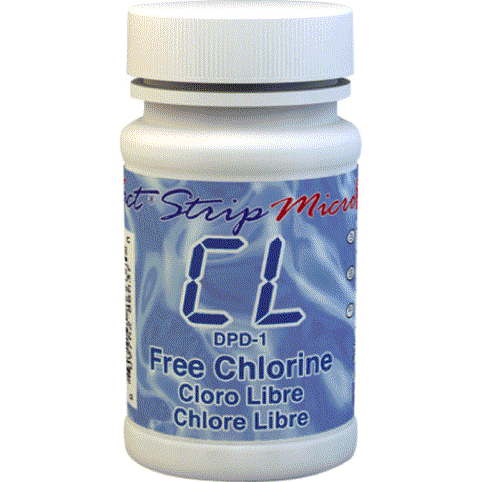
Chlorine is therefore harmful in two ways : to human health and to the environment. It is essential to regularly monitor its presence in water, whether your water comes from a faucet, a well, or a spring. With Josmose.fr, you can easily test your water using our water analysis tests. We offer water analysis kits or the option to have your water analyzed by a partner laboratory. Finally, based on your water test results, our team is available to advise you on the best filtration or purification system – depending on your installation and how you use your water. |
lets you check for the presence of combined chlorine in your water |
Reverse osmosis : An effective solution for chlorine in water
To effectively remove chlorine from your water, the most comprehensive solution remains reverse osmosis. Thanks to an activated carbon pre-filtration system, chlorine is removed before it even reaches the main membrane, preventing any premature degradation.
Next, the RO system thoroughly purifies the water, also removing pesticide residues, nitrates, heavy metals, and many other pollutants that can be harmful to your health.
The result : pure water with no odor, no unpleasant taste, and above all, no chlorine. It is the ideal solution for healthy water every day, right at home.
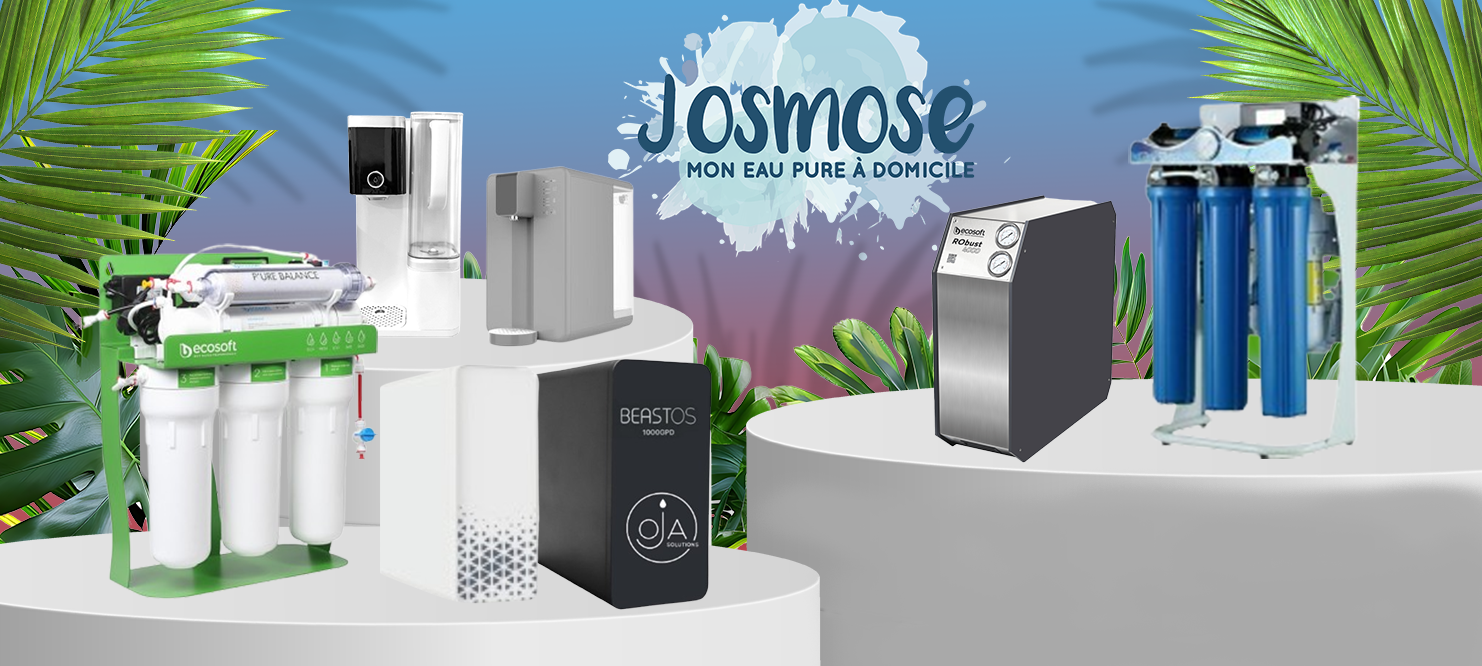
At Josmose.fr, we offer a wide range of home RO systems, professional RO systems, and industrial RO systems.
- Published on
- Test Your Water or Have It Tested
Related blog posts
>-

What Is Reverse Osmosis?
Reverse osmosis is an extremely effective water...
-

Wastewater and Its Treatment
Wastewater is water from domestic use, as well as...
-

Why Is Our Water Analysis So Affordable?
By conducting water analyses with our partner...
-

Testing Whether Your Well Water or Rainwater Is Safe to Drink
Do you have a well, or are you thinking about...
-

Why Test Your Water?
“ Test my water ? But I drink tap water, which is very...
-
What Is Reverse Osmosis?
Reverse osmosis is an extremely effective water...
-
Wastewater and Its Treatment
Wastewater is water from domestic use, as well as...
-
Why Is Our Water Analysis So Affordable?
By conducting water analyses with our partner...
-
Testing Whether Your Well Water or Rainwater Is Safe to Drink
Do you have a well, or are you thinking about...
-
Why Test Your Water?
“ Test my water ? But I drink tap water, which is very...