


Recherche dans le blog
Why Is Water Blue?
Water is transparent!
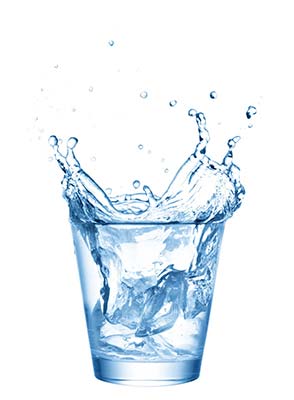
Water is transparent in its pure state. In fact, water does not absorb any of the colors in the light spectrum, nor does it reflect any of them. And yet, it most often appears blue. Sometimes green, or even gray…
Similarly, when water is shallow, yellow and red reach the bottom and are reflected just like blue or green, making the water appear transparent. So, against a white background, pure water looks completely transparent.
Water is green!
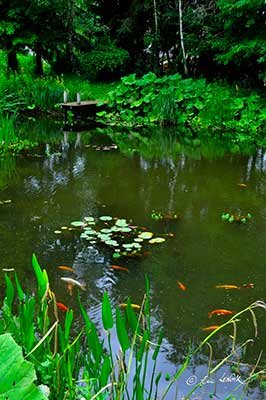
This is a phenomenon very often seen in rivers and especially in lakes and ponds, although the ocean can also appear green. The green color comes from the minerals, algae, plankton, and plant microorganisms in the water. While this phenomenon is normal in natural water, it is caused by a filtration problem if it happens in your pool: do not swim in it under any circumstances!
Water is blue!
So yes, water is blue, and there is a reason we call Earth the Blue Planet: with 71 % of its surface covered in water, it appears a beautiful navy blue from space.
Water is blue largely because it reflects the blue of the sky. And we have all noticed that when a storm approaches, water quickly loses its beautiful blue hue and becomes somewhat green, brown, or gray—in any case, dull. But while the blue of the sky and the sun's rays accentuate water's blue hue, its blue color comes mainly from the light itself. Try it yourself: if you dive into an underground pool illuminated with white light, you will see… a blue ray!
A few technical explanations
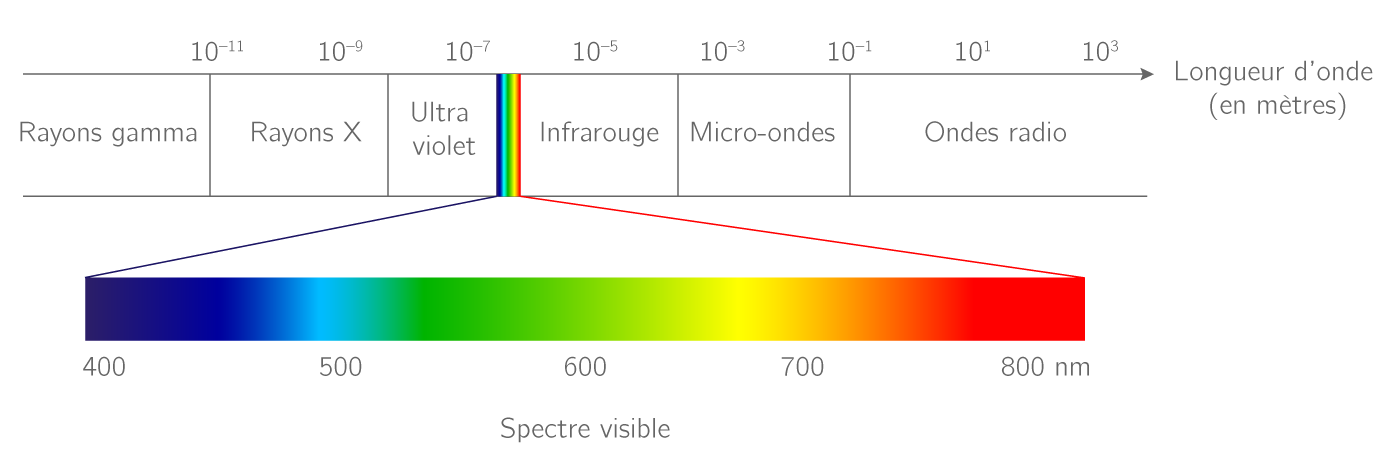
The different shades of water do come partly from the sky, but mainly from the sun's rays and the light that strikes the water. These rays are not simply white; they form a whole spectrum of colors (a spectrum made up of all the colors of the rainbow: red, orange, yellow, green, blue, indigo, and violet). These colors are absorbed by water to varying degrees as they pass through it.
Blue waves penetrate water more effectively and therefore travel deeper below the surface, while green waves - but especially red and yellow waves - are absorbed very quickly. Water's hue therefore comes from the absorption of the sun's rays, which itself varies depending on water quality, depth, and temperature. All these factors offer countless opportunities to enjoy the shades of water! The glaciers of the North Pole are blue, but not the same blue as the lagoons of the Seychelles!
And if you have been lucky enough to discover the Caribbean or some of the South Seas, you may have marveled at the luminous blue of the water, almost turquoise because it is so clear. Without going that far, Bretagne is full of beaches with heavenly lagoon-blue water, reminding us that you do not necessarily need to hop on a plane to the other side of the world to enjoy a little paradise (you just have to be willing to take a dip at 18°!).
Outside light penetrates at a rate of about 40 % one meter below the surface, 15 to 20 % at a depth of 10 meters, and barely 1.5 % at a depth of 40 meters. Violet and red become invisible at just 10 meters, leaving yellow to reach 25 meters. Beyond that lies the complete darkness of the abyss, since no light rays penetrate the deep waters.
And are icebergs made of blue water or white water?
Sometimes they look as though they have been drenched in curaçao… but no! The beautiful bluish hue of icebergs comes from the fact that they are made of extremely pure ice, with virtually no pockets of air.
Yellow and red are absorbed first, while the shorter blue waves are absorbed last. Once there is a little depth, only the blue waves remain, and they are even amplified by contraction on the ice.
When icebergs are white, it is because they are formed by an accumulation of snow, which, unlike pure ice, contains a great many air bubbles. Light therefore reflects off the surface without penetrating the iceberg, making it appear white.
At Oja, we do not worry about the color of water, since water filtered by our water softeners or our RO systems is pure, and that is what ultimately matters to us! And if the water coming out of your faucet happens to have an unusual color, you can have water analysis tests performed to determine its quality and then make the right decision to install one of our devices in your home!
- Published on
- All About Water,
- All About Water for Everyone