


Recherche dans le blog
News
We occasionally have news to share in this category.
Why Is a Reverse Osmosis System Ideal for Africa?
Across the African continent, with its vast size and diverse conditions, nearly 320 million people do not have access to drinking water. In this article, we will take a quick look at the water situation in Africa and try to show why a reverse osmosis system seems to be the ideal filtration system.
Water in Africa
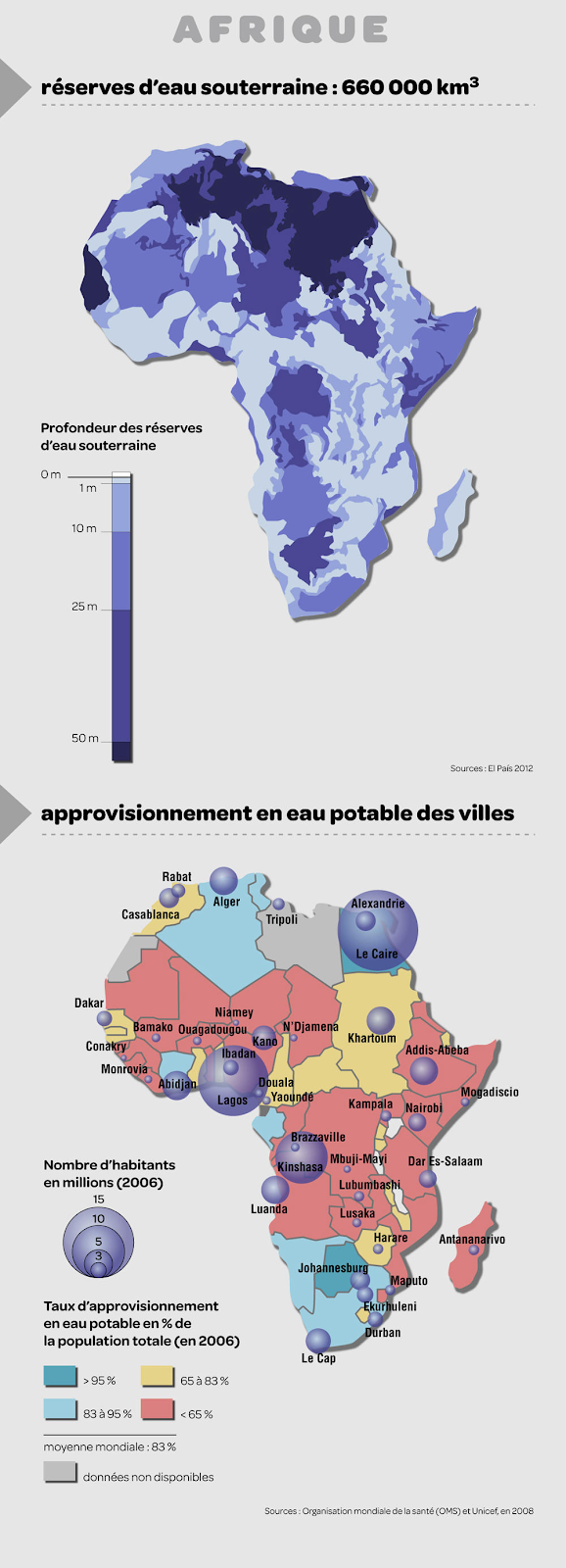
Africa has a relatively large amount of water deep underground. This includes very old “fossil” water (several million years old) that cannot be replenished. This water lies deep underground, more than 50 meters below the surface ; it is difficult to access.
The population must therefore make do with shallow water, which may sometimes be unsafe to drink or not very good for health. The lack of distribution and sanitation infrastructure means that drinking natural surface water is virtually the only option available.
There is an alternative in the form of sachet water, which is widely produced and distributed, particularly in Sub-Saharan Africa, but this alternative raises two concerns : water quality and the pollution caused by plastic sachets. We will return to this later in the article when discussing our experience with a reverse osmosis system in Burkina Faso.
The maps below show the depth of groundwater reserves. In North Africa, from Morocco to Egypt, including Tunisia, Algeria, Libya... the water is very deep.
Groundwater in Sub-Saharan Africa is shallower, at depths ranging from 10 to 50 meters (which nevertheless remains inaccessible to a villager in Burkina Faso, for example). Below the rift, the areas are more scattered, with much of the water more than 10 m deep.
The second map is more revealing, showing the percentage of urban residents supplied with drinking water. In the red zone, which covers the vast majority of the map, the rate is below 65 % of the total population. This simply means that a large proportion of Africans have no access to drinking water on a daily basis!
Experience with a reverse osmosis system in Burkina Faso
Below are photos taken in 2018 in Ouagadougou, Burkina Faso, by a member of the OJA SOLUTIONS team (the company that publishes the www.josmose.fr website), during a study mission for a water filtration project. We saw firsthand that some sachet water was simply not filtered and was just heavily chlorinated tap water supplied by ONEA...
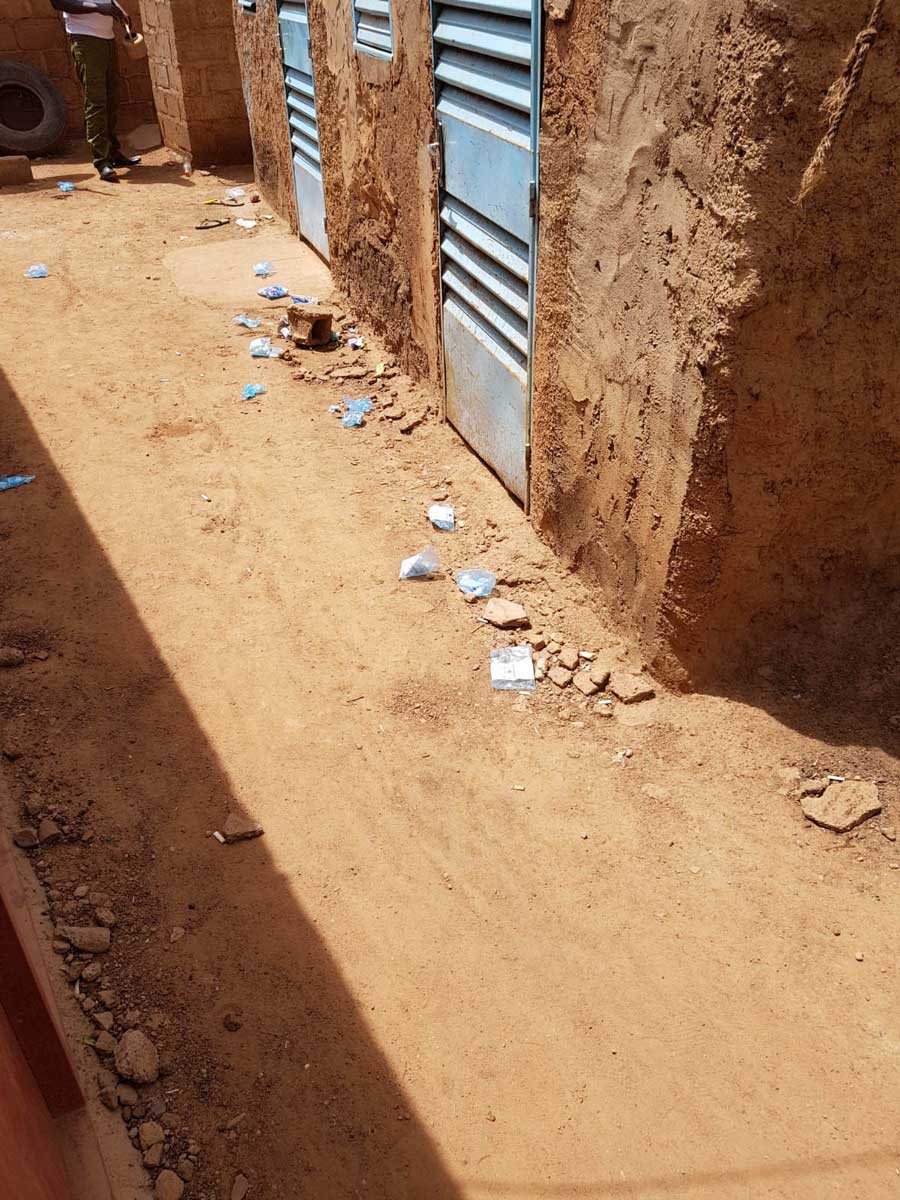
The photo above shows the waste from sachet water. Consumers throw the empty sachets on the ground. This creates extremely harmful pollution. Biodegradable alternatives do exist, but the fact remains that the pollution is also visual!
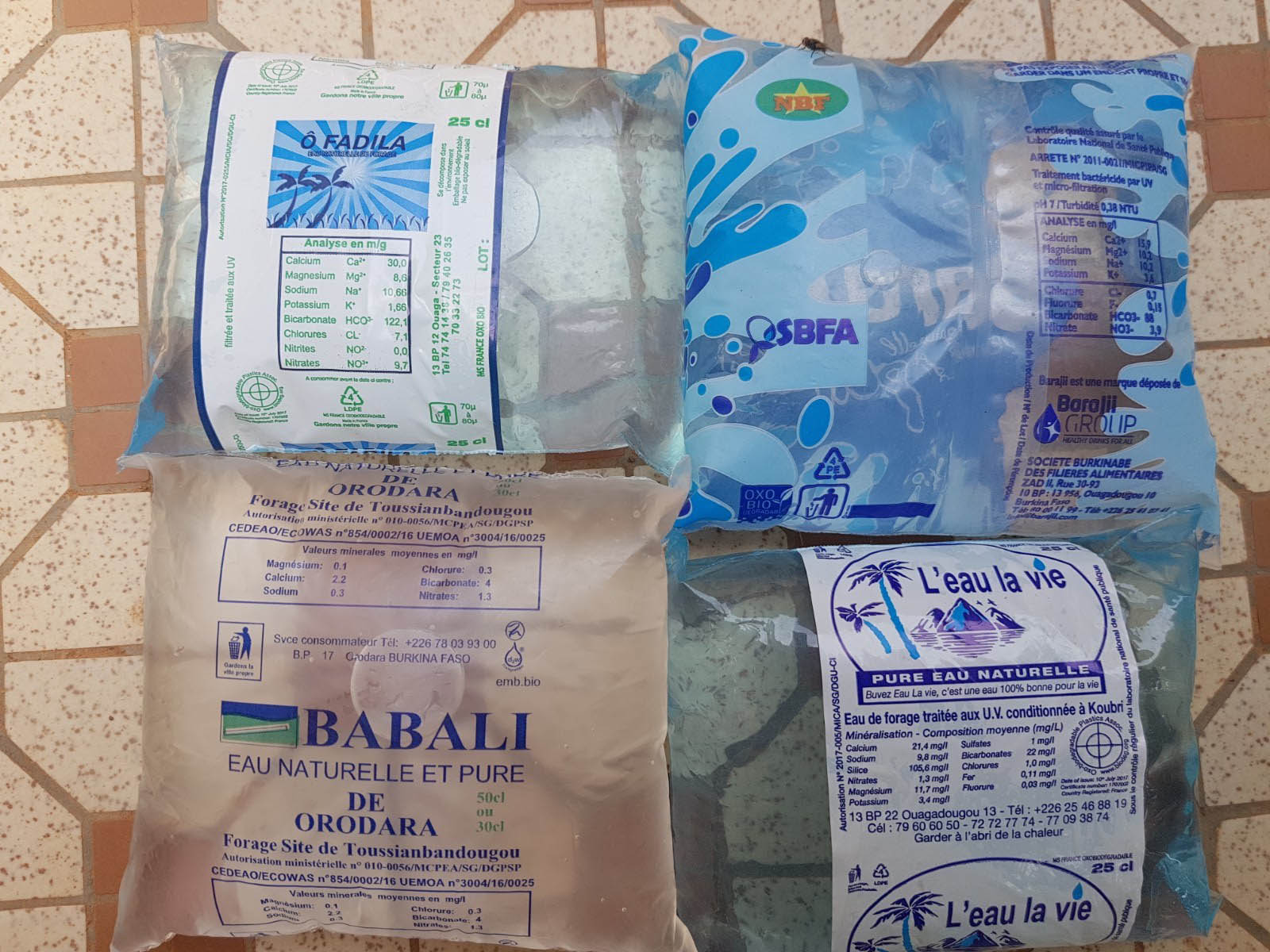
It is very difficult to distinguish between sachet water brands because, naturally, they all boast about the pure water they produce... The difference then comes down to how long the brand has been around, how attractive the packaging is, and, more practically, being available when people are looking for water...
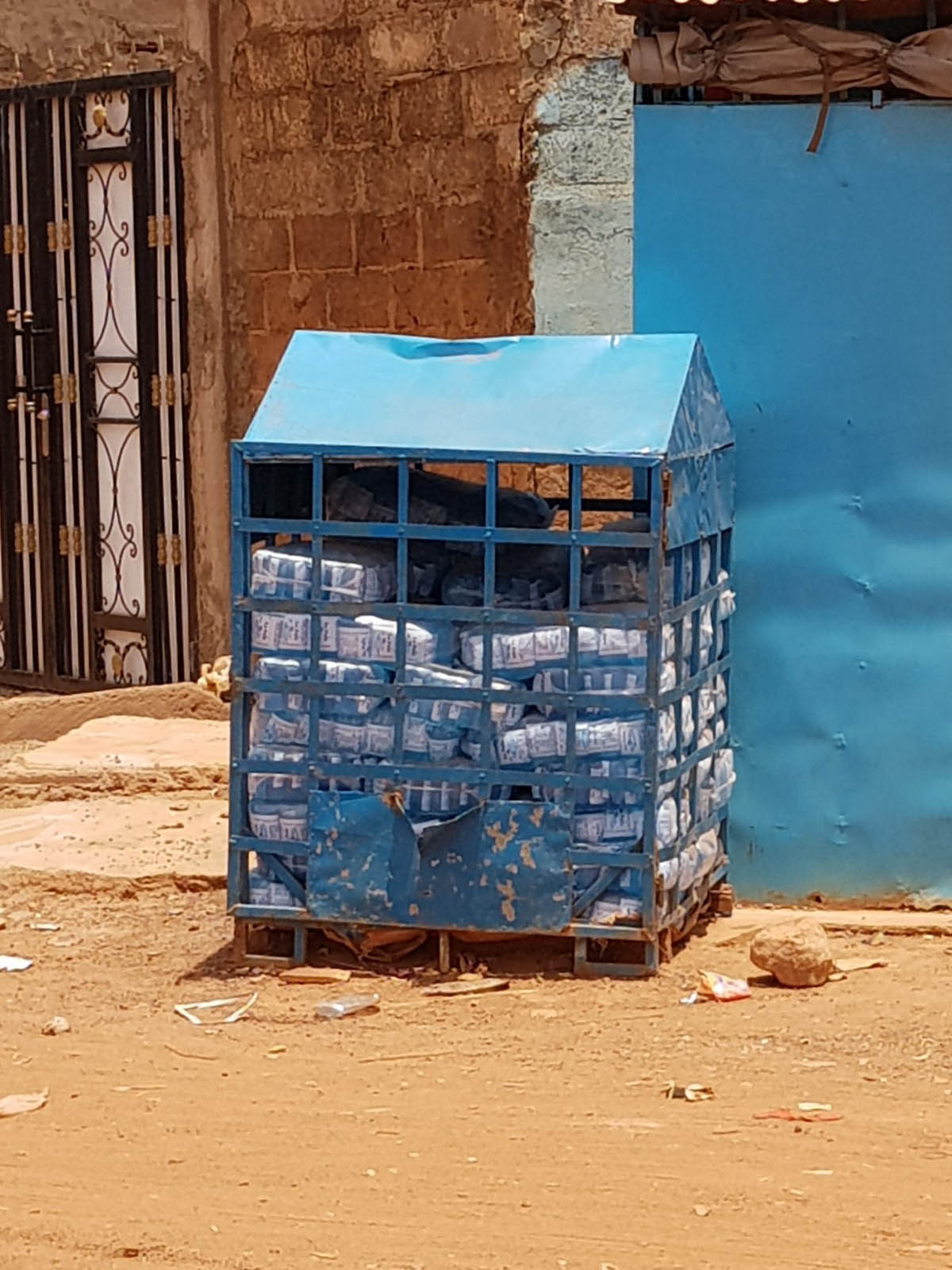
Sachet water sits in direct sunlight for hours, even days. When you consider that plastic deteriorates and can end up in the water...
An ideal home reverse osmosis system for Africa?
Marc tested the reverse osmosis system in an African hut in the city of Ouagadougou.
As you can see in the photo below, the home reverse osmosis system was connected to the courtyard's water supply. It allows the family using it to purify ONEA water, stop drinking sachet water, and improve their health by no longer ingesting the chlorine added in large doses to ONEA water.
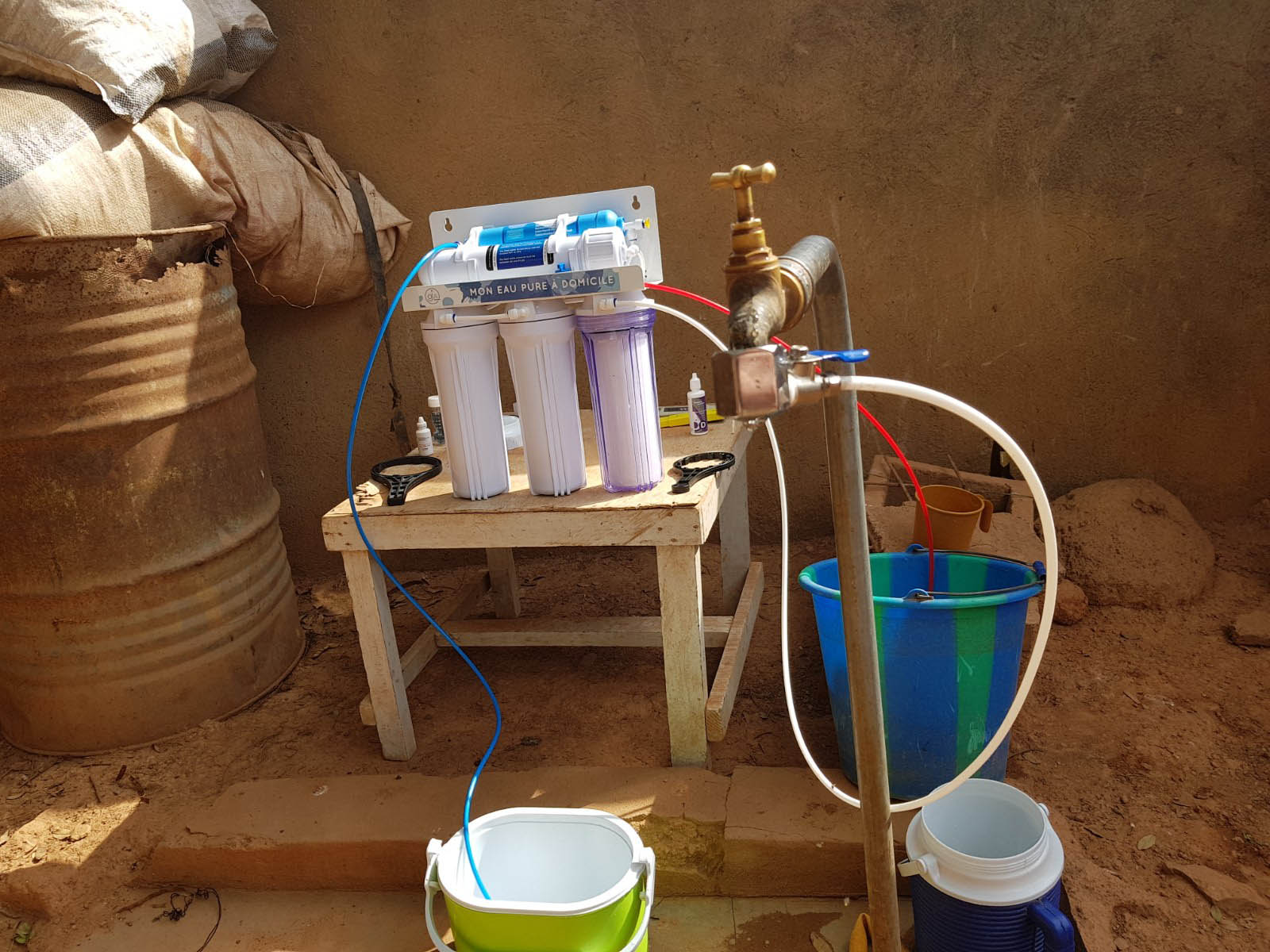
The drain water is used to wash dishes, so no water is wasted.
However, the experience showed that a reverse osmosis system with a pump, such as the Classicos, is necessary, or that a booster pump must be added to the system.
A home reverse osmosis system seems ideal : high-quality water, an installation that is easy to move... The drawbacks are the need for sufficient pressure, which requires electricity, and a relatively low flow rate.
In our view, the ideal approach would be to use professional reverse osmosis systems in each neighborhood, creating places that sell pure water produced on demand instead of sachet water storage areas. In addition to solving the health problem, this would create jobs. If an NGO or association wants to try out this idea in an African country, we would be happy to help with our expertise.
An industrial RO system for producing pure water
RO water can also be produced on an industrial scale.
The installation below uses reverse osmosis technology. (Photo taken in Burkina Faso in 2018).
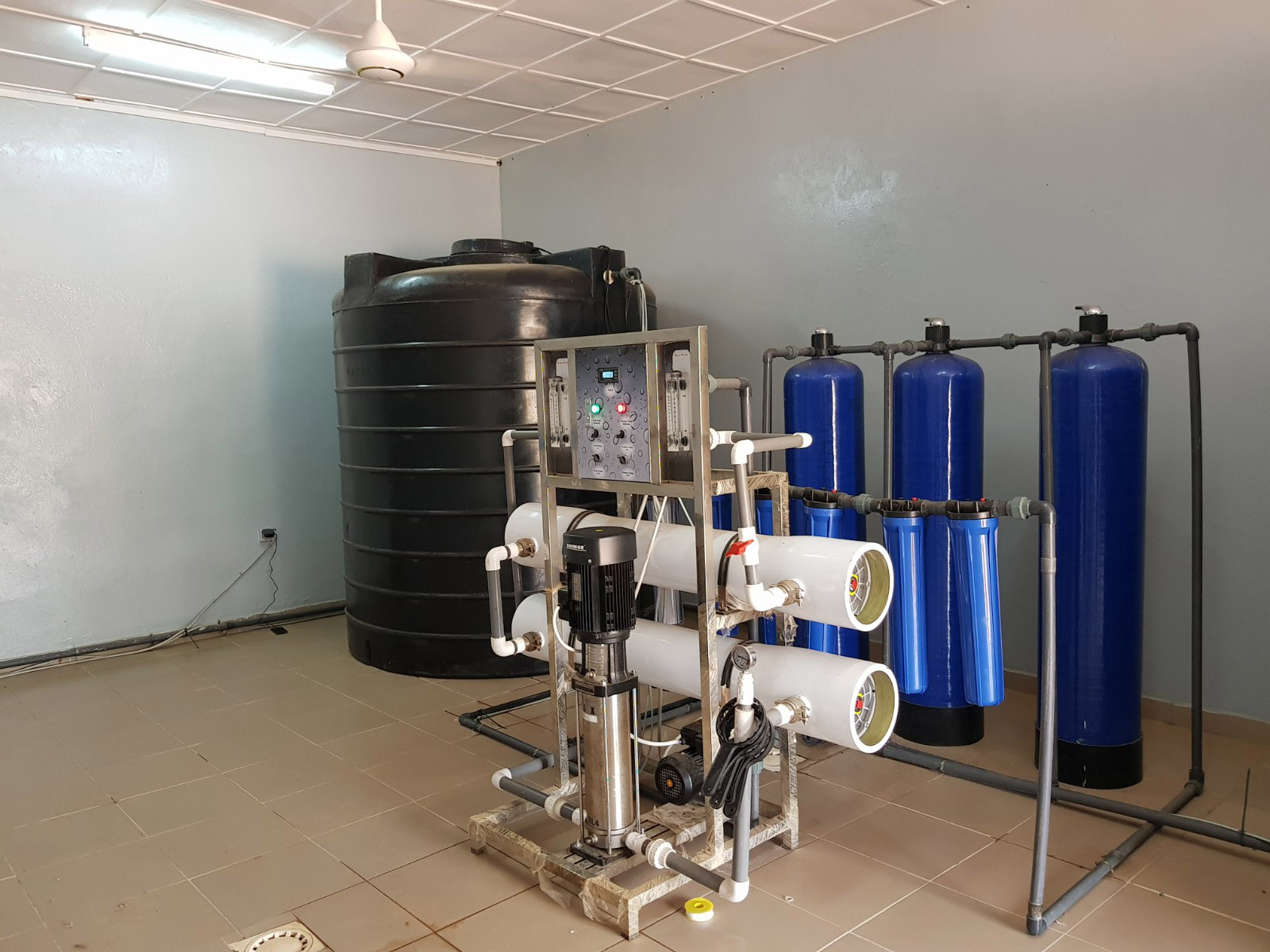
If you need an industrial RO system to produce sachet or bottled water, please send your water analysis and flow rate requirements to contact@josmose.fr. We will review your request and help you organize the logistics.
- Published on
- News,
- REVERSE OSMOSIS,
- FILTERING YOUR DRINKING WATER
Related products
Related blog posts
>-

What Is a Reverse Osmosis System?
What is an RO system? What does it do? How will it...
-

Why Buy a Home Reverse Osmosis System?
What reasons would lead you to buy an RO system?
-

The Health Benefits of an RO System
An RO system offers various benefits for your health....
-
What Is a Reverse Osmosis System?
What is an RO system? What does it do? How will it...
-
Why Buy a Home Reverse Osmosis System?
What reasons would lead you to buy an RO system?
-
The Health Benefits of an RO System
An RO system offers various benefits for your health....