Search the blog
Featured Articles
Articles in the category "Featured Articles"
RO Systems and NSF 58 Certification: How Do You Recognize a Reliable Membrane?
WATER QUALITY GUIDE
NSF 58 certification: why does it matter when choosing an RO system?
When you invest in an RO system to improve the quality of your drinking water, you generally focus on its filtration capacity, maintenance requirements, or ease of installation.
Yet another factor deserves your full attention: the quality of the materials that make up the filtration system.
How can you make sure a reverse osmosis membrane does not itself release unwanted substances into the water? How can you distinguish a recognized certification from a simple marketing claim?
Independent standards such as NSF/ANSI 58 exist in part to answer these questions.
At Oja, we believe it is essential to understand exactly what these checks provide, as well as their limitations.
What you need to know
The NSF/ANSI 58 standard addresses material safety and certain performance characteristics of reverse osmosis systems, among other aspects. However, certification of a membrane does not automatically mean that the complete RO system is certified. To choose the right equipment, it is essential to check which product is certified and which characteristics are actually covered.
Why is the quality of a reverse osmosis membrane essential?
An RO system operates through several filtration stages, one of the most important of which involves water passing through a semipermeable membrane.
This membrane plays a central role in water treatment. It makes it possible to retain a large proportion of the dissolved substances in the feed water, depending on the system's characteristics and operating conditions.
But filtration efficiency is not the only factor to consider.
The materials used to manufacture this membrane must also be suitable for contact with water intended for human consumption. This is precisely where compliance checks become essential.
Two essential criteria
A high-performance membrane must address two distinct concerns: contributing effectively to water treatment and providing assurances regarding the safety of its materials.
What does the NSF/ANSI 58 standard cover?
The NSF/ANSI 58 standard is an international benchmark dedicated to home reverse osmosis water treatment systems.
It is associated with NSF, an independent American organization founded in 1944 that specializes in areas including standards development, product testing, and manufacturing audits.
The NSF/ANSI 58 standard can cover several aspects of a reverse osmosis system:
01 — Material safety
Verifying that components in contact with water do not release substances beyond the applicable safety limits.
02 — Equipment strength
Checking its resistance to pressure stresses and leakage risks.
03 — Treatment performance
Evaluating the ability to reduce certain contaminants, when this falls within the scope of certification.
An important distinction
A certification may apply to a complete system or only to certain components.
A reference to the NSF 58 standard therefore does not automatically mean that all of an RO system's performance characteristics have been certified.
Which certification applies to the membranes used by Oja?
Oja RO systems use a reverse osmosis membrane with model number RHD3013-600, which, according to the certification documents provided, appears in the NSF/ANSI 58 listing for the manufacturer Ningbo RXHL Technology.
This recognition specifically concerns the compliance of the membrane's materials.
The analyses performed by NSF at its laboratory in Ann Arbor, United States, examined water that had been in contact with the membrane.
+150
Substances tested for
The analyses included solvents, phthalates, nitrosamines, certain aromatic hydrocarbons, and antimony.
According to the results provided, none of the substances analyzed exceeded the applicable safety limits.
The membrane also meets American requirements for products designated as “lead-free,” based on a weighted average content below 0.25 %.
Another important point: the certification includes manufacturing oversight intended to verify that the membranes produced remain compliant.
Finally, the conditions of use call for an initial flush of the new membrane. This procedure is included in the installation instructions for our equipment.
What you need to understand before referring to a certified RO system
It is essential not to confuse certification of a component with certification of a complete unit.
In the case presented here, the NSF checks concern the materials of the reverse osmosis membrane.
What this certification does not mean
- It does not constitute certification of the entire Oja RO system, including the housing, the various filter cartridges, and the connections.
- It does not validate specific contaminant removal percentages for our units.
Reverse osmosis is a technology recognized for its ability to reduce many substances found in water, including certain dissolved salts, nitrates, heavy metals, and PFAS.
However, actual results depend on several factors:
- The composition of the source water.
- The operating pressure.
- The membrane used.
- The unit's operating conditions.
Any numerical claim about a unit's performance must therefore be based on testing appropriate to that unit.
This distinction enables consumers to better understand the scope of certifications and avoid vague promises.
NSF 58 and NSF 61: two standards you should not confuse
When you compare different water treatment equipment, it is not unusual to come across references to NSF 58 and NSF 61.
Although both concern drinking water safety, they address different applications.
An RO system covered by the NSF 58 standard therefore does not also need NSF 61 certification.
The assessment of materials in home units uses a methodology suited to their use while complying with the relevant toxicological criteria of the NSF/ANSI 600 standard.
The key point: what matters is not collecting logos, but having a certification that actually corresponds to the product and its use.
How do you verify an NSF certification before buying?
A brand may present a certificate or claim compliance with a standard.
However, for reliable information, it is best to consult the certification body's official listings directly.
To examine the certification of the membrane used by Oja, the process is simple:
Step 1 — Consult the official NSF database
Visit the official NSF website .
Step 2 — Search for the manufacturer
Search for the name Ningbo RXHL Technology.
Step 3 — Check the model number
Find the RHD3013-600 membrane and examine the scope of certification associated with the NSF/ANSI 58 standard.
This check enables you to identify the product concerned and the characteristics actually covered.
It is a particularly useful precaution when you want to compare several RO systems before making a purchase.
What about European requirements?
NSF certification is based on an American standard framework. It is not, in itself, a general requirement for marketing an RO system in Europe.
At the same time, the European Union is developing its own harmonized requirements for materials in contact with water intended for human consumption under Directive (EU) 2020/2184.
New provisions are due to take effect starting on January 1, 2027, according to the schedules and transitional measures set out in the applicable legislation.
Our approach at Oja
At Oja, we are monitoring this regulatory development with support from an independent laboratory to prepare our product line for compliance with the relevant requirements.
Making an informed choice when selecting an RO system
The quality of a filtration system is about more than a reduction percentage displayed on a product page.
Component reliability, transparent technical information, and the ability to verify certifications are just as important.
That is why Oja is committed to communicating about the certifications actually obtained, specifying the elements they cover, and sharing available test results.
Do you have questions about our RO systems?
Would you like to learn more about our membranes or how our RO systems work?
Our team is available to answer your technical questions and guide you in your choice.
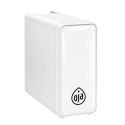
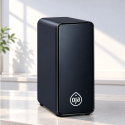
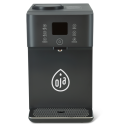
Contact Josmose →Our 3 RO systems equipped with an NSF/ANSI 58-listed membrane
Below are three models from our product line that incorporate a reverse osmosis membrane whose materials have an NSF/ANSI 58 listing.
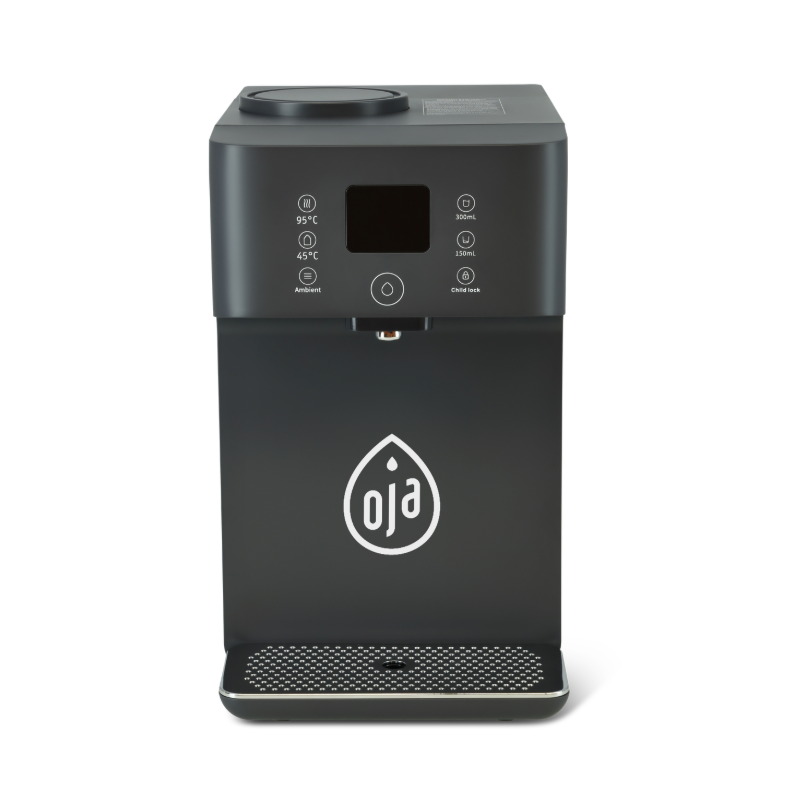
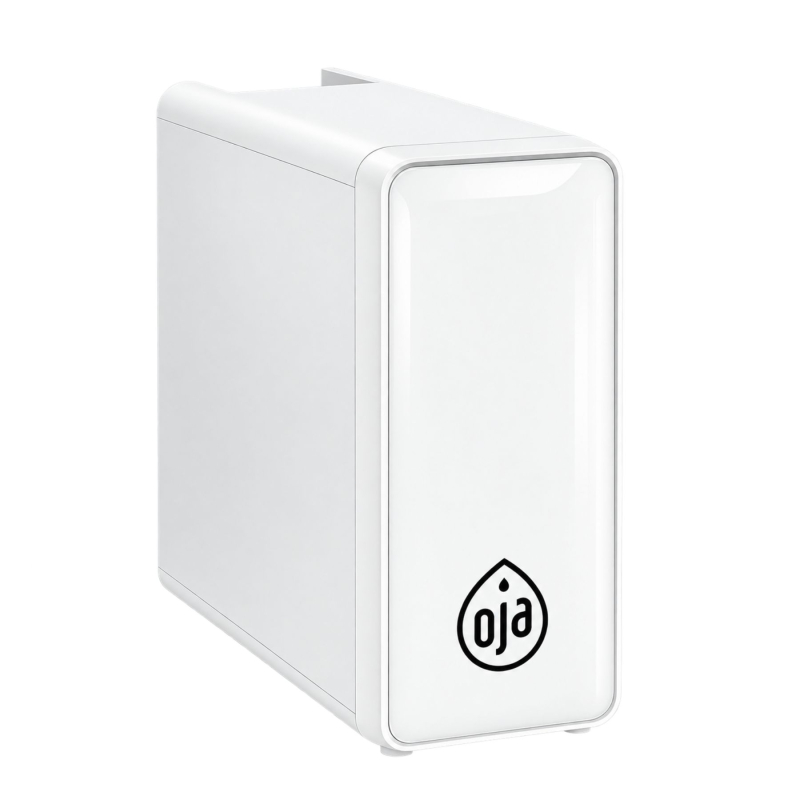

Important clarification: the NSF/ANSI 58 reference presented here concerns the reverse osmosis membrane used in these models, not certification of the complete RO system.
Sources and references
- NSF – NSF/ANSI 58 standard framework for reverse osmosis systems.
- NSF – Information on the NSF/ANSI/CAN 61 and NSF/ANSI 600 standards.
- ANSI – NSF/ANSI 58-2022, Reverse Osmosis Drinking Water Treatment Systems.
- European Directive (EU) 2020/2184 on the quality of water intended for human consumption.
- Certification documentation and NSF evaluation report for manufacturer Ningbo RXHL Technology, model RHD3013-600, dated 2024, according to the source documents.
- Published on
- Featured Articles,
- REVERSE OSMOSIS,
- FILTERING YOUR DRINKING WATER