


Recherche dans le blog
Featured Articles
Articles in the category "Featured Articles"
What Water Should You Use to Make Bread?
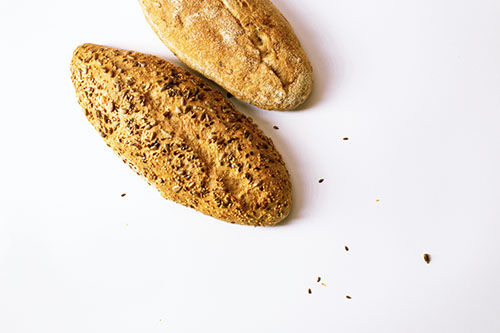
Are you a professional baker, or would you like to make bread at home? Making bread requires two essential ingredients: flour and water. Each affects the quality of your bread: the quality of the flour and, of course, the quality of the water. In principle, you can make bread with poor-quality water, but it will show in the results: bread that has not risen, has fermented poorly, or does not taste good. Unless you have a natural source of pure water available, you will need chlorine-free water.
The Impact of Water Quality on Bread Making
The quality of the water used to make bread can affect the quality of the finished loaf. The same applies to making pizza, naan, or pastries, for example. Here are a few factors to consider.
MINERAL CONTENT:
Hard water, meaning water that contains large amounts of minerals such as calcium, magnesium, and iron, can affect the quality of bread dough. Hard water can prevent gluten from developing properly, which can make the dough sticky and difficult to work with. Softer water, with fewer minerals, may therefore be preferable.
CHLORINE CONTENT:
Tap water contains chlorine that is added to kill bacteria and viruses. However, chlorine can also affect the taste and smell of the water, as well as the quality of bread dough. If the tap water in your area contains a large amount of chlorine, it is best to filter it before making your bread.
Bread making involves using either a sourdough starter or baker's yeast. In both cases, these are living organisms that help release gas and allow the dough to rise or expand, creating an airy crumb.
With a sourdough starter, lactic acid bacteria take part in the fermentation process. With baker's yeast, it is a type of fungus. In both cases, water that is as pure as possible is necessary to encourage their growth.
If you use chlorinated tap water, it will slow down or even stop this natural fermentation process and therefore prevent the bread from fermenting and rising. The result will be heavy, hard, dense bread in which subtle flavors have not been able to develop.
WATER ACIDITY:
The pH of the water can also affect the quality of bread dough. A pH that is too acidic or too alkaline can affect the chemical reaction between the yeast and the other ingredients, which can make the dough difficult to work with. Ideally, the water used to make bread should have a neutral or slightly acidic pH.
In summary, to make good bread, the water you use should be clean and soft, with low mineral and chlorine levels and a pH between 6 and 7. If you have doubts about the quality of the water in your area, you can always use bottled water or filter it to ensure optimal quality.
How Do You Remove Chlorine From Water?
USING TAP WATER:
You can still use tap water.
Because chlorine is volatile, it will evaporate after 2 to 3 hours. However, it will never disappear completely. This creates a time constraint, so you will need to plan ahead and organize accordingly. In addition to chlorine, your water will still contain limescale, pesticides, or heavy metals.
USING BOTTLED WATER.
This solution, the easiest in the short term, is not sustainable.
Besides being expensive, bottled water contains microplastics and generates a huge amount of plastic waste through its plastic packaging, which is of course harmful to the environment.
USING AN RO SYSTEM
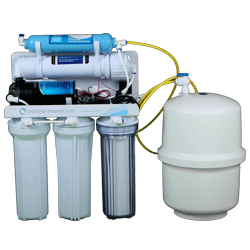
An RO system is a device that filters tap water to remove impurities and minerals, producing water with a very low mineral content. Does an RO system remove chlorine? Yes, an RO system can remove chlorine from tap water, along with other impurities such as mineral salts, heavy metals, pesticides, bacteria, and viruses. Chlorine is often added to tap water to kill bacteria, but it can also affect the taste and smell of the water.
Reverse osmosis is a filtration technology that uses a semipermeable membrane to remove impurities from water, including chlorine. Water is pushed through the membrane under pressure, and impurities are retained by the membrane, leaving purified water on the other side.
In summary, an RO system is an effective solution for removing chlorine and other impurities from tap water if you want to use purified water for cooking, drinking, or any other purpose.
You also get pure water instantly: no more waiting hours for chlorine to evaporate. In addition, the water will be of better quality.
At Josmose, we offer a full range of RO systems for home users and professionals.
Depending on your water needs, choose a home, professional, or industrial RO system with a higher flow rate.
About Gluten...
With increasing levels of gluten in our modern diet, more and more people are developing an intolerance. This intolerance can begin at a very young age or later in life. Everything suggests that, beyond the genetic factor involved in this intolerance, it can begin after high gluten consumption, until a kind of "quota" specific to each individual is reached.
If this problem affects you, or if you simply do not want to risk developing an intolerance one day from consuming too much gluten, we recommend the Bye-Bye GluGlu website, which offers a wide range of certified gluten-free products at reasonable prices.
- Published on
- Featured Articles