


Recherche dans le blog
7 More Tips to Reduce Your Water Consumption in the Garden!
Tip No. 1
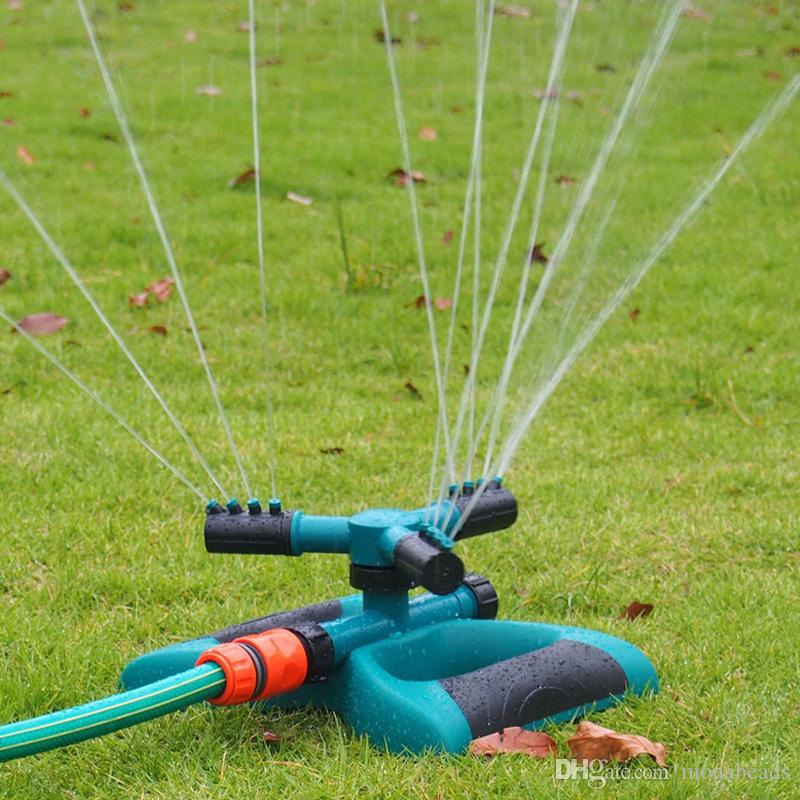
I save water when watering my plants. Forget the traditional watering can or the hose that drenches your flowers and lawn, and switch to drip irrigation or a soaker hose. Granted, you'll need a small initial investment and time to install the system throughout your garden, but the water savings will quickly add up. This watering solution is also much better for your plants: instead of being flooded whenever you remember to water them, they regularly receive the amount of water they need through a slow, steady trickle. And you'll no longer be watering the weeds, just your flower beds! Remember to water in the evening, too, to avoid evaporation caused by the sun.
Tip No. 2
I add mulch around the base of my plants. Staying in the garden, nothing could be simpler than adding a layer of mulch around your flower beds or potted flowers to retain moisture around the plants in summer and protect them in winter!
Tip No. 3
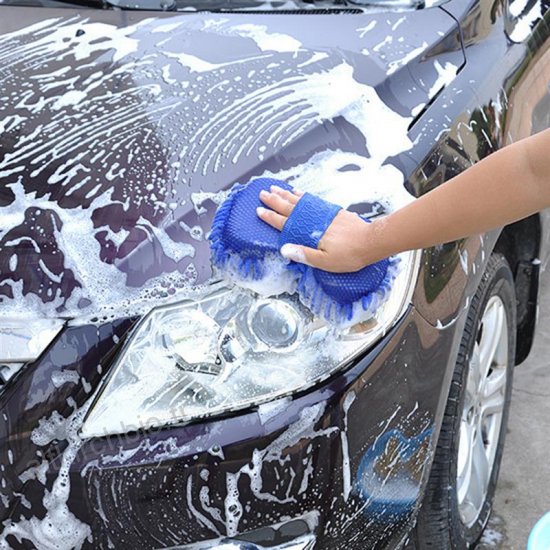
I wash my car at the car wash! It's hard to imagine that a car wash uses less water than washing your car at home, yet we use (waste!) 10 times more water when we wash our trusty car in the garden, or 400 to 600 liters of water! At a car wash, washing uses “only” about 100 to 400 liters (it's all relative!) for a brush wash and 50 to 60 liters for a high-pressure wash.
Another appealing benefit: some car washes collect the water used to wash cars, treat it, and recycle it, an environmentally responsible action you can support by having your car washed there. Check what's available in your neighborhood!
Tip No. 4
I wash my car… without water! These days, there are car cleaning products you can use without water: simply spray them on and rub. This method is just as effective as a traditional wash with plenty of water, even if it requires a little more elbow grease! Of course, you'll take care to choose plant-based products rather than products loaded with chemicals!
Tip No. 5
I garden without water. This gardening method is called xeriscaping, a rather technical name for a simple method used particularly in kibbutzim and desert regions. It involves choosing the right garden plants based on the region, soil, location in sun or shade, and neighboring plants. This way, the species you grow are perfectly suited to their environment and need much less water. In a water-free garden, succulents or plants that need little water to thrive are also mixed with pebbles, gravel, stones… a true garden design takes shape. This technique works even better if you plant in tiers, allowing rainwater to drain very well into the soil.
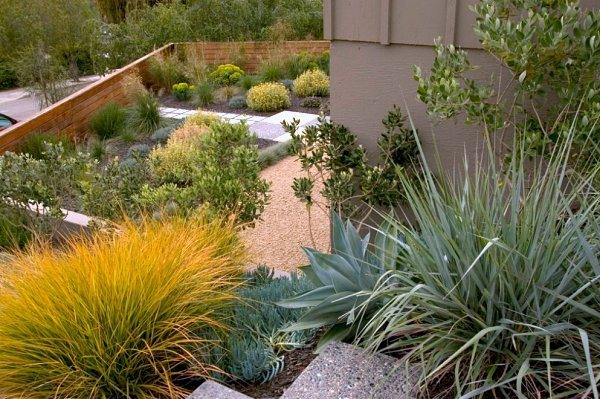
Source: http://gonzale.net/67568/xeropaysagisme-ou-comment-creer-un-jardin-sans-eau/
Tip No. 6
I collect rainwater to use for watering, washing the car, flushing toilets… Rainwater is free, so remember to use it!
Tip No. 7
I recycle my wastewater, which can be used to supply toilets or the washing machine, or to wash the car!
Ultimately, saving water is no more complicated than that. You just need to develop good everyday habits! At J’Osmose, we believe that everyone's small actions will help us maintain the planet's balance: saving water and consuming healthy food and water means protecting our children's future and health! Now it's time to get started!
- Published on
- All About Water,
- All About Water for Everyone,
- USES AND WELLNESS