

Recherche dans le blog
News
We occasionally have news to share in this category.
Controversy Over Plastic Particles in Bottled Water
Widespread outrage in March 2018, first in the United States and then in France. Bottled water reportedly contained plastic particles! The news went viral on social media and in the press, sparking widespread outrage among consumers. But what is really going on?
Fact or fiction? Can we still drink bottled water?

Orb Média and CBS News launched a study led by Professor Sherry Masson from the laboratory at the State University of New York. The observations and measurements confirmed the presence of plastic particles in bottled water (more specifically polypropylene, nylon, and polyethylene terephthalate (PET); sounds delightful…), in 93 % of the tests performed! That is an average of 10.4 particles measuring about 0.10 millimeter per liter of water!
These alarming figures are attributed to the degradation of plastic containers, but also to traces in the water from the breakdown of plastic waste, synthetic fiber clothing, cosmetic product residues… products we use every day. This waste ends up in rivers, lakes, and then oceans, as well as in the groundwater from which this bottled water is drawn. It seems that plastic residues also come from the industrial process… since plastic was also found in water contained in… glass bottles!
Note that this study has not been validated by either the scientific community or the authorities, but Orb Media had previously published the results of a study involving tap water, with lower levels this time.
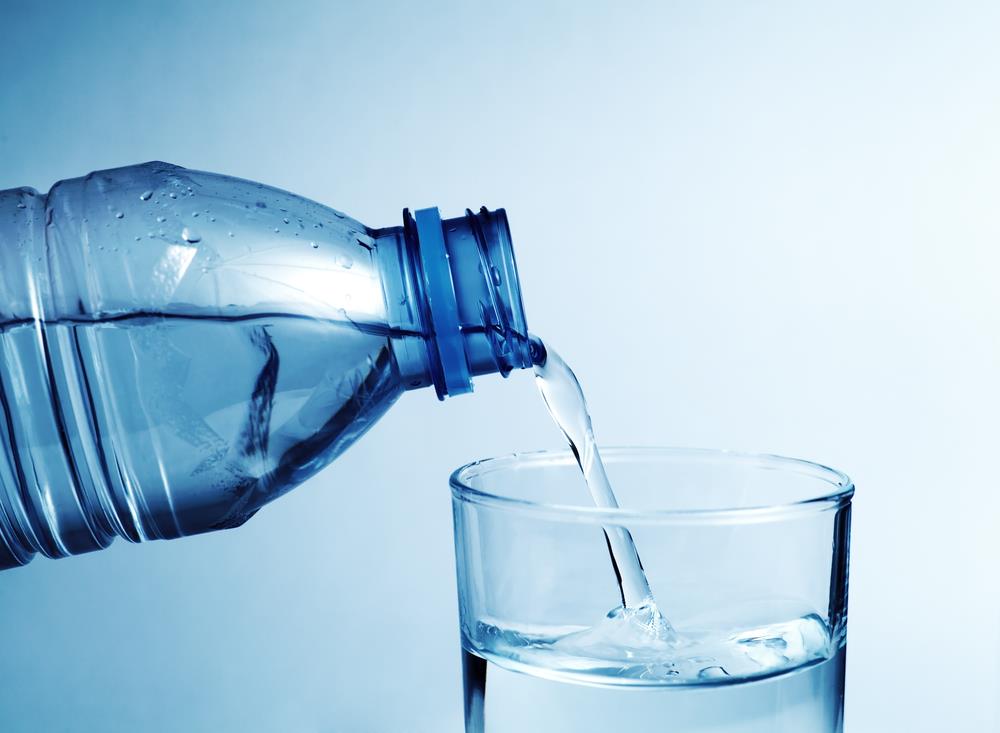
But which waters are we talking about?
This study covered several countries and involved water from major brands: Nestlé, Danone, Evian… waters known worldwide and renowned for their qualities, all labeled “plastic-contaminated.”
Worldwide, bottled water consumption is estimated at 89 billion liters per year, representing an enormous market with 44 billion euros in revenue. Americans even consume more bottled water than soda, which says a lot!
What is new is that the increase in bottled water consumption now involves countries across the entire planet. A trend driven by highly effective marketing campaigns? A lack of confidence in tap water quality? A realization in some countries that tap water really is not safe to drink? Probably a combination of all these reasons, depending on the location.
Water has become a marketing product like any other, and even more than that: it is now a nutraceutical, a medicinal food. It is also a trendy consumer product, even offered in water bars in major cities, where the precious liquid is sold at astronomical prices.
Is drinking water containing plastic good for your health?
At the time, BBC News stated: “At present, there is no evidence that ingesting very small pieces of plastic (microplastics) can cause harm, but understanding the potential implications is a particularly active area of science.” But we cannot help feeling that consumers are being taken for fools and manipulated from one side to the other to make them swallow any information, including completely contradictory claims…
The direct dangers of ingesting these plastic particles have not been clearly identified, but we can nevertheless suspect the development of cancers, conditions such as autism or attention deficit, and a harmful effect on sperm quality and quantity. These conditions are also caused by ingesting chemicals often found… in polluted water…
And what about the environment?
The environ…? Hmm… If we take the recycling rate for plastic waste (22 % in France) and compare it with the number of plastic bottles sold… we are no longer talking about environmental protection, but an environmental disaster…
We already know that the fish we eat also contain plastic that they ingest in the ocean… hardly reassuring news! Let us face the facts: the plastic issue raised here is not trivial and extends far beyond its presence in water bottles. It is a major health issue for all of us, as are the pollution of the planet's waters and the use of water as a commercial commodity.
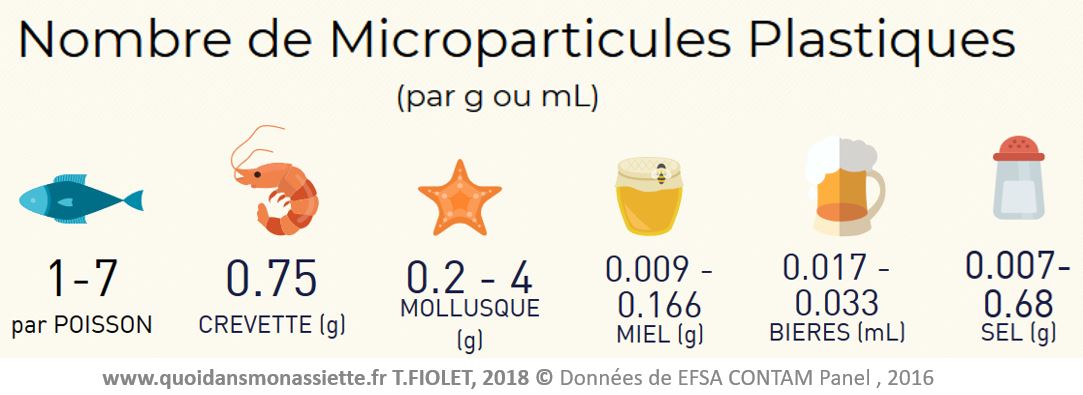
Some believe that this rumor about plastic in bottled water is ultimately just a rumor, intended to counter the power of the water industry. But we can also take the view that there is no smoke without fire, and therefore no bottled water without plastic… Even Nestlé, the king of disinformation, has admitted that minute quantities of plastic particles can be found in its bottles. This does not stop consumers from continuing to buy bottled water and gives new whistleblowers an opportunity to stir public opinion.
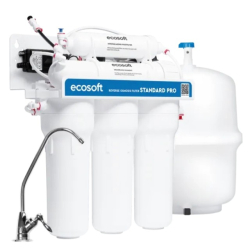
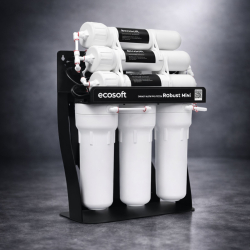
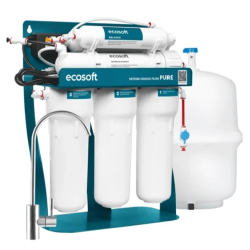
For us, the best, healthiest, and most reassuring solution is to continue drinking tap water, purifying it with a reverse osmosis system. Our water filtration systems make it easy to drink pure water at home that you can fully trust for your health.
- Published on
- News
Related products