


Search the blog
Sparkling Water: Good or Bad for Your Health?
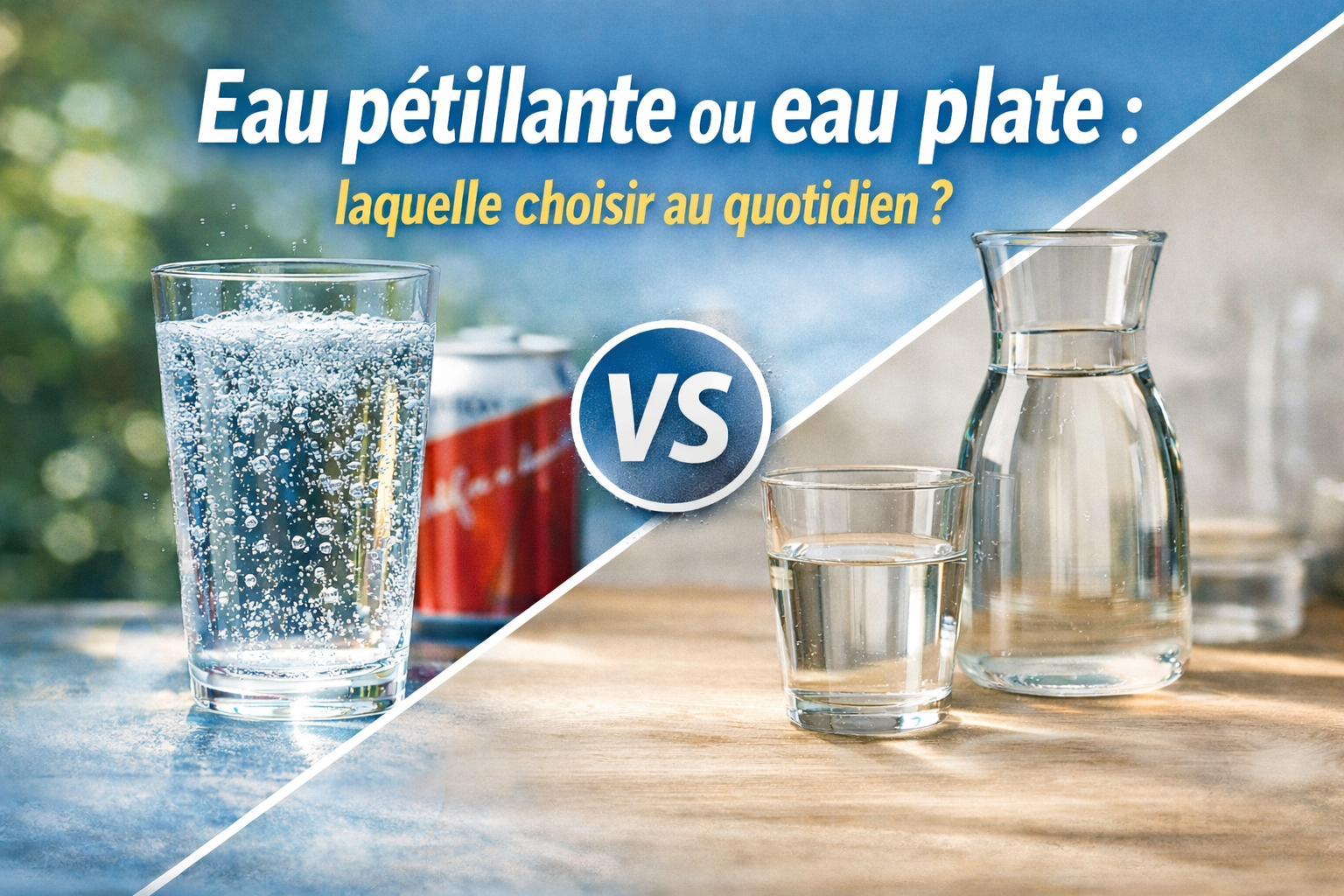
Sparkling water is popular: Is it really an improvement for everyone? As with electric bikes, it all depends on what you are replacing: switching from a car to an e-bike is often an excellent idea… but switching from a traditional bike to an e-bike is not necessarily a step forward. The same goes for water.
The electric bike analogy: why does it work?
An electric bike is a step forward… when it replaces a car. You move more, consume less, and breathe better. But if you were already riding a “traditional” bike, an electric bike can reduce your effort and energy expenditure.
The same goes for sparkling water: it can be an excellent way to move away from soda, but it is not necessarily “better” than still water if you already drink plain, good-quality water.
| Key takeaway “Better” depends on your starting point: replacing a bad habit with a better one, yes. Replacing a good habit with an option that has more effects on your body, not necessarily. |
Soda → sparkling water: a real improvement
If you switch from soda (sugary or “diet”) to sparkling water, it is often an excellent choice: you keep the feeling of enjoying a “treat drink” while significantly reducing problematic intake.
• Less sugar and fewer calories;
• Fewer daily “sweet” habits;
• Fewer additives, depending on the brand;
• More consistent hydration.
▶ Practical tip: how can you make the switch without frustration?
Start by replacing just one “soda” occasion (in the afternoon, for example) with sparkling water. If needed, add some lemon zest, a cucumber, or a few mint leaves. The goal: keep the ritual without keeping the sugar.
Still water vs. sparkling water
Sparkling water contains dissolved carbon dioxide (CO₂), which creates mild acidity (carbonic acid). It is not “dangerous” for most people, but it is not neutral either, especially if you drink a lot of it.
| A useful guideline If you already drink mostly still water, switching to “all sparkling” offers no clear benefit. What matters most is consistent hydration and water quality. |
Sparkling water with meals: digestion and comfort
For some people, drinking highly carbonated water with a meal can increase bloating (stomach distension) and cause discomfort, especially if you are prone to reflux or have sensitive digestion.
• More frequent bloating / burping;
• A feeling of being “too full”;
• A greater likelihood of reflux in sensitive people.
▶ So, should you avoid it completely?
No: if you digest it well, you can drink it. But if you want maximum digestive comfort, still water with meals is often the “simplest” choice for your body. You can save sparkling water for another occasion (a pre-dinner drink, a snack, or when you want some bubbles).
An often overlooked point: teeth, acidity, and habits
Sparkling water is more acidic than still water. For most people, this is not a problem when consumption stays reasonable, but if you sip sparkling water all day, it may be less than ideal for your tooth enamel.
| A simple tip Avoid continuously “sipping” sparkling water: drink it over short periods instead, and keep still water as your main source of hydration. |
The most effective filtration system: reverse osmosis
If your goal is to drink water that is more “neutral,” milder in taste, and more controlled every day, the solution is to treat your municipal water with an RO system.
• Neutral taste;
• Low-mineral water;
• High-quality water
FAQ – Sparkling water, still water, and filtration
▶ Is sparkling water “bad” for your stomach?
For most people, no. But it can increase bloating and discomfort in sensitive people, especially during meals or if you have reflux.
▶ Does sparkling water make you “burn fewer calories”?
Not directly. The issue is more about digestive comfort: if sparkling water makes you feel bloated, you may move less after your meal and feel heavier. This is not a general rule; it is very individual.
▶ What is the best everyday compromise?
Keep still water as your main source of hydration, and use sparkling water as an occasional “tool”: to replace a soda, accompany a pre-dinner drink, or satisfy a craving for a sugary beverage.
▶ Why discuss filtration in an article about sparkling water?
Because “still or sparkling” does not tell the whole story: water quality (taste, consistency, composition) directly influences your daily hydration. Pleasant-tasting, light water helps you drink more water, more naturally.